mirror of
https://github.com/argoproj/argo-cd.git
synced 2026-02-20 17:48:47 +01:00
Compare commits
14 Commits
requeue-bu
...
release-0.
| Author | SHA1 | Date | |
|---|---|---|---|

|
1b0e3e7b80 | ||
|
|
2faf45af94 | ||
|
|
b8c4436870 | ||
|
|
f8b2576f19 | ||
|
|
61f4513e52 | ||
|
|
4d210c887b | ||
|
|
ab6b2969ac | ||
|
|
447dd30768 | ||
|
|
ab98589e1a | ||
|
|
2fd6c11338 | ||
|
|
b90102bc68 | ||
|
|
1aa7146d3e | ||
|
|
b366977265 | ||
|
|
b6439dc545 |
107
.argo-ci/ci.yaml
Normal file
107
.argo-ci/ci.yaml
Normal file
@@ -0,0 +1,107 @@
|
||||
apiVersion: argoproj.io/v1alpha1
|
||||
kind: Workflow
|
||||
metadata:
|
||||
generateName: argo-cd-ci-
|
||||
spec:
|
||||
entrypoint: argo-cd-ci
|
||||
arguments:
|
||||
parameters:
|
||||
- name: revision
|
||||
value: master
|
||||
- name: repo
|
||||
value: https://github.com/argoproj/argo-cd.git
|
||||
|
||||
templates:
|
||||
- name: argo-cd-ci
|
||||
steps:
|
||||
- - name: build
|
||||
template: ci-dind
|
||||
arguments:
|
||||
parameters:
|
||||
- name: cmd
|
||||
value: "{{item}}"
|
||||
withItems:
|
||||
- make controller-image server-image repo-server-image
|
||||
- name: test
|
||||
template: ci-builder
|
||||
arguments:
|
||||
parameters:
|
||||
- name: cmd
|
||||
value: "{{item}}"
|
||||
withItems:
|
||||
- dep ensure && make cli lint
|
||||
- name: test-coverage
|
||||
template: ci-builder
|
||||
arguments:
|
||||
parameters:
|
||||
- name: cmd
|
||||
value: "dep ensure && go get github.com/mattn/goveralls && make test-coverage"
|
||||
- name: test-e2e
|
||||
template: ci-builder
|
||||
arguments:
|
||||
parameters:
|
||||
- name: cmd
|
||||
value: "dep ensure && make test-e2e"
|
||||
|
||||
- name: ci-builder
|
||||
inputs:
|
||||
parameters:
|
||||
- name: cmd
|
||||
artifacts:
|
||||
- name: code
|
||||
path: /go/src/github.com/argoproj/argo-cd
|
||||
git:
|
||||
repo: "{{workflow.parameters.repo}}"
|
||||
revision: "{{workflow.parameters.revision}}"
|
||||
container:
|
||||
image: argoproj/argo-cd-ci-builder:latest
|
||||
command: [sh, -c]
|
||||
args: ["mkfifo pipe; tee /tmp/logs.txt < pipe & {{inputs.parameters.cmd}} > pipe"]
|
||||
workingDir: /go/src/github.com/argoproj/argo-cd
|
||||
env:
|
||||
- name: COVERALLS_TOKEN
|
||||
valueFrom:
|
||||
secretKeyRef:
|
||||
name: coverall-token
|
||||
key: coverall-token
|
||||
resources:
|
||||
requests:
|
||||
memory: 1024Mi
|
||||
cpu: 200m
|
||||
outputs:
|
||||
artifacts:
|
||||
- name: logs
|
||||
path: /tmp/logs.txt
|
||||
|
||||
- name: ci-dind
|
||||
inputs:
|
||||
parameters:
|
||||
- name: cmd
|
||||
artifacts:
|
||||
- name: code
|
||||
path: /go/src/github.com/argoproj/argo-cd
|
||||
git:
|
||||
repo: "{{workflow.parameters.repo}}"
|
||||
revision: "{{workflow.parameters.revision}}"
|
||||
container:
|
||||
image: argoproj/argo-cd-ci-builder:latest
|
||||
command: [sh, -c]
|
||||
args: ["mkfifo pipe; tee /tmp/logs.txt < pipe & until docker ps; do sleep 3; done && {{inputs.parameters.cmd}} > pipe"]
|
||||
workingDir: /go/src/github.com/argoproj/argo-cd
|
||||
env:
|
||||
- name: DOCKER_HOST
|
||||
value: 127.0.0.1
|
||||
resources:
|
||||
requests:
|
||||
memory: 1024Mi
|
||||
cpu: 200m
|
||||
sidecars:
|
||||
- name: dind
|
||||
image: docker:17.10-dind
|
||||
securityContext:
|
||||
privileged: true
|
||||
mirrorVolumeMounts: true
|
||||
outputs:
|
||||
artifacts:
|
||||
- name: logs
|
||||
path: /tmp/logs.txt
|
||||
18
.codecov.yml
18
.codecov.yml
@@ -1,18 +0,0 @@
|
||||
ignore:
|
||||
- "**/*.pb.go"
|
||||
- "**/*.pb.gw.go"
|
||||
- "**/*generated.go"
|
||||
- "**/*generated.deepcopy.go"
|
||||
- "**/*_test.go"
|
||||
- "pkg/apis/client/.*"
|
||||
- "pkg/client/.*"
|
||||
- "vendor/.*"
|
||||
- "test/.*"
|
||||
coverage:
|
||||
status:
|
||||
# we've found this not to be useful
|
||||
patch: off
|
||||
project:
|
||||
default:
|
||||
# allow test coverage to drop by 2%, assume that it's typically due to CI problems
|
||||
threshold: 2
|
||||
@@ -1,13 +1,4 @@
|
||||
# Prevent vendor directory from being copied to ensure we are not not pulling unexpected cruft from
|
||||
# a user's workspace, and are only building off of what is locked by dep.
|
||||
.vscode/
|
||||
.idea/
|
||||
.DS_Store
|
||||
vendor/
|
||||
dist/
|
||||
*.iml
|
||||
# delve debug binaries
|
||||
cmd/**/debug
|
||||
debug.test
|
||||
coverage.out
|
||||
ui/node_modules/
|
||||
vendor
|
||||
dist
|
||||
|
||||
43
.github/ISSUE_TEMPLATE/bug_report.md
vendored
43
.github/ISSUE_TEMPLATE/bug_report.md
vendored
@@ -1,43 +0,0 @@
|
||||
---
|
||||
name: Bug report
|
||||
about: Create a report to help us improve
|
||||
title: ''
|
||||
labels: 'bug'
|
||||
assignees: ''
|
||||
---
|
||||
|
||||
<!-- If you are trying to resolve an environment-specific issue or have a one-off question about the edge case that does not require a feature then please consider asking a question in argocd slack [channel](https://argoproj.github.io/community/join-slack). -->
|
||||
|
||||
Checklist:
|
||||
|
||||
* [ ] I've searched in the docs and FAQ for my answer: https://bit.ly/argocd-faq.
|
||||
* [ ] I've included steps to reproduce the bug.
|
||||
* [ ] I've pasted the output of `argocd version`.
|
||||
|
||||
**Describe the bug**
|
||||
|
||||
<!-- A clear and concise description of what the bug is. -->
|
||||
|
||||
**To Reproduce**
|
||||
|
||||
<!-- A list of the steps required to reproduce the issue. Best of all, give us the URL to a repository that exhibits this issue. -->
|
||||
|
||||
**Expected behavior**
|
||||
|
||||
<!-- A clear and concise description of what you expected to happen. -->
|
||||
|
||||
**Screenshots**
|
||||
|
||||
<!-- If applicable, add screenshots to help explain your problem. -->
|
||||
|
||||
**Version**
|
||||
|
||||
```shell
|
||||
Paste the output from `argocd version` here.
|
||||
```
|
||||
|
||||
**Logs**
|
||||
|
||||
```
|
||||
Paste any relevant application logs here.
|
||||
```
|
||||
12
.github/ISSUE_TEMPLATE/config.yml
vendored
12
.github/ISSUE_TEMPLATE/config.yml
vendored
@@ -1,12 +0,0 @@
|
||||
blank_issues_enabled: false
|
||||
|
||||
contact_links:
|
||||
- name: Have you read the docs?
|
||||
url: https://argo-cd.readthedocs.io/
|
||||
about: Much help can be found in the docs
|
||||
- name: Ask a question
|
||||
url: https://github.com/argoproj/argo-cd/discussions/new
|
||||
about: Ask a question or start a discussion about Argo CD
|
||||
- name: Chat on Slack
|
||||
url: https://argoproj.github.io/community/join-slack
|
||||
about: Maybe chatting with the community can help
|
||||
18
.github/ISSUE_TEMPLATE/enhancement_proposal.md
vendored
18
.github/ISSUE_TEMPLATE/enhancement_proposal.md
vendored
@@ -1,18 +0,0 @@
|
||||
---
|
||||
name: Enhancement proposal
|
||||
about: Propose an enhancement for this project
|
||||
title: ''
|
||||
labels: 'enhancement'
|
||||
assignees: ''
|
||||
---
|
||||
# Summary
|
||||
|
||||
What change you think needs making.
|
||||
|
||||
# Motivation
|
||||
|
||||
Please give examples of your use case, e.g. when would you use this.
|
||||
|
||||
# Proposal
|
||||
|
||||
How do you think this should be implemented?
|
||||
1
.github/no-response.yml
vendored
1
.github/no-response.yml
vendored
@@ -1 +0,0 @@
|
||||
# See https://github.com/probot/no-response
|
||||
17
.github/pull_request_template.md
vendored
17
.github/pull_request_template.md
vendored
@@ -1,17 +0,0 @@
|
||||
Note on DCO:
|
||||
|
||||
If the DCO action in the integration test fails, one or more of your commits are not signed off. Please click on the *Details* link next to the DCO action for instructions on how to resolve this.
|
||||
|
||||
Checklist:
|
||||
|
||||
* [ ] Either (a) I've created an [enhancement proposal](https://github.com/argoproj/argo-cd/issues/new/choose) and discussed it with the community, (b) this is a bug fix, or (c) this does not need to be in the release notes.
|
||||
* [ ] The title of the PR states what changed and the related issues number (used for the release note).
|
||||
* [ ] I've included "Closes [ISSUE #]" or "Fixes [ISSUE #]" in the description to automatically close the associated issue.
|
||||
* [ ] I've updated both the CLI and UI to expose my feature, or I plan to submit a second PR with them.
|
||||
* [ ] Does this PR require documentation updates?
|
||||
* [ ] I've updated documentation as required by this PR.
|
||||
* [ ] Optional. My organization is added to USERS.md.
|
||||
* [ ] I have signed off all my commits as required by [DCO](https://github.com/argoproj/argoproj/tree/master/community#contributing-to-argo)
|
||||
* [ ] I have written unit and/or e2e tests for my change. PRs without these are unlikely to be merged.
|
||||
* [ ] My build is green ([troubleshooting builds](https://argo-cd.readthedocs.io/en/latest/developer-guide/ci/)).
|
||||
|
||||
4
.github/stale.yml
vendored
4
.github/stale.yml
vendored
@@ -1,4 +0,0 @@
|
||||
# See https://github.com/probot/stale
|
||||
# See https://github.com/probot/stale
|
||||
exemptLabels:
|
||||
- backlog
|
||||
468
.github/workflows/ci-build.yaml
vendored
468
.github/workflows/ci-build.yaml
vendored
@@ -1,468 +0,0 @@
|
||||
name: Integration tests
|
||||
on:
|
||||
push:
|
||||
branches:
|
||||
- 'master'
|
||||
- 'release-*'
|
||||
- '!release-1.4'
|
||||
- '!release-1.5'
|
||||
pull_request:
|
||||
branches:
|
||||
- 'master'
|
||||
|
||||
env:
|
||||
# Golang version to use across CI steps
|
||||
GOLANG_VERSION: '1.18'
|
||||
|
||||
concurrency:
|
||||
group: ${{ github.workflow }}-${{ github.ref }}
|
||||
cancel-in-progress: true
|
||||
|
||||
permissions:
|
||||
contents: read
|
||||
|
||||
jobs:
|
||||
check-go:
|
||||
name: Ensure Go modules synchronicity
|
||||
runs-on: ubuntu-latest
|
||||
steps:
|
||||
- name: Checkout code
|
||||
uses: actions/checkout@ac593985615ec2ede58e132d2e21d2b1cbd6127c # v3.3.0
|
||||
- name: Setup Golang
|
||||
uses: actions/setup-go@6edd4406fa81c3da01a34fa6f6343087c207a568 # v3.5.0
|
||||
with:
|
||||
go-version: ${{ env.GOLANG_VERSION }}
|
||||
- name: Download all Go modules
|
||||
run: |
|
||||
go mod download
|
||||
- name: Check for tidyness of go.mod and go.sum
|
||||
run: |
|
||||
go mod tidy
|
||||
git diff --exit-code -- .
|
||||
|
||||
build-go:
|
||||
name: Build & cache Go code
|
||||
runs-on: ubuntu-latest
|
||||
steps:
|
||||
- name: Checkout code
|
||||
uses: actions/checkout@ac593985615ec2ede58e132d2e21d2b1cbd6127c # v3.3.0
|
||||
- name: Setup Golang
|
||||
uses: actions/setup-go@6edd4406fa81c3da01a34fa6f6343087c207a568 # v3.5.0
|
||||
with:
|
||||
go-version: ${{ env.GOLANG_VERSION }}
|
||||
- name: Restore go build cache
|
||||
uses: actions/cache@6998d139ddd3e68c71e9e398d8e40b71a2f39812 # v3.2.5
|
||||
with:
|
||||
path: ~/.cache/go-build
|
||||
key: ${{ runner.os }}-go-build-v1-${{ github.run_id }}
|
||||
- name: Download all Go modules
|
||||
run: |
|
||||
go mod download
|
||||
- name: Compile all packages
|
||||
run: make build-local
|
||||
|
||||
lint-go:
|
||||
permissions:
|
||||
contents: read # for actions/checkout to fetch code
|
||||
pull-requests: read # for golangci/golangci-lint-action to fetch pull requests
|
||||
name: Lint Go code
|
||||
runs-on: ubuntu-latest
|
||||
steps:
|
||||
- name: Checkout code
|
||||
uses: actions/checkout@ac593985615ec2ede58e132d2e21d2b1cbd6127c # v3.3.0
|
||||
- name: Setup Golang
|
||||
uses: actions/setup-go@6edd4406fa81c3da01a34fa6f6343087c207a568 # v3.5.0
|
||||
with:
|
||||
go-version: ${{ env.GOLANG_VERSION }}
|
||||
- name: Run golangci-lint
|
||||
uses: golangci/golangci-lint-action@0ad9a0988b3973e851ab0a07adf248ec2e100376 # v3.3.1
|
||||
with:
|
||||
version: v1.45.2
|
||||
args: --timeout 10m --exclude SA5011 --verbose
|
||||
|
||||
test-go:
|
||||
name: Run unit tests for Go packages
|
||||
runs-on: ubuntu-latest
|
||||
needs:
|
||||
- build-go
|
||||
env:
|
||||
GITHUB_TOKEN: ${{ secrets.E2E_TEST_GITHUB_TOKEN || secrets.GITHUB_TOKEN }}
|
||||
GITLAB_TOKEN: ${{ secrets.E2E_TEST_GITLAB_TOKEN }}
|
||||
steps:
|
||||
- name: Create checkout directory
|
||||
run: mkdir -p ~/go/src/github.com/argoproj
|
||||
- name: Checkout code
|
||||
uses: actions/checkout@ac593985615ec2ede58e132d2e21d2b1cbd6127c # v3.3.0
|
||||
- name: Create symlink in GOPATH
|
||||
run: ln -s $(pwd) ~/go/src/github.com/argoproj/argo-cd
|
||||
- name: Setup Golang
|
||||
uses: actions/setup-go@6edd4406fa81c3da01a34fa6f6343087c207a568 # v3.5.0
|
||||
with:
|
||||
go-version: ${{ env.GOLANG_VERSION }}
|
||||
- name: Install required packages
|
||||
run: |
|
||||
sudo apt-get install git -y
|
||||
- name: Switch to temporal branch so we re-attach head
|
||||
run: |
|
||||
git switch -c temporal-pr-branch
|
||||
git status
|
||||
- name: Fetch complete history for blame information
|
||||
run: |
|
||||
git fetch --prune --no-tags --depth=1 origin +refs/heads/*:refs/remotes/origin/*
|
||||
- name: Add ~/go/bin to PATH
|
||||
run: |
|
||||
echo "/home/runner/go/bin" >> $GITHUB_PATH
|
||||
- name: Add /usr/local/bin to PATH
|
||||
run: |
|
||||
echo "/usr/local/bin" >> $GITHUB_PATH
|
||||
- name: Restore go build cache
|
||||
uses: actions/cache@6998d139ddd3e68c71e9e398d8e40b71a2f39812 # v3.2.5
|
||||
with:
|
||||
path: ~/.cache/go-build
|
||||
key: ${{ runner.os }}-go-build-v1-${{ github.run_id }}
|
||||
- name: Install all tools required for building & testing
|
||||
run: |
|
||||
make install-test-tools-local
|
||||
# We install kustomize in the dist directory
|
||||
- name: Add dist to PATH
|
||||
run: |
|
||||
echo "/home/runner/work/argo-cd/argo-cd/dist" >> $GITHUB_PATH
|
||||
- name: Setup git username and email
|
||||
run: |
|
||||
git config --global user.name "John Doe"
|
||||
git config --global user.email "john.doe@example.com"
|
||||
- name: Download and vendor all required packages
|
||||
run: |
|
||||
go mod download
|
||||
- name: Run all unit tests
|
||||
run: make test-local
|
||||
- name: Generate code coverage artifacts
|
||||
uses: actions/upload-artifact@0b7f8abb1508181956e8e162db84b466c27e18ce # v3.1.2
|
||||
with:
|
||||
name: code-coverage
|
||||
path: coverage.out
|
||||
- name: Generate test results artifacts
|
||||
uses: actions/upload-artifact@0b7f8abb1508181956e8e162db84b466c27e18ce # v3.1.2
|
||||
with:
|
||||
name: test-results
|
||||
path: test-results/
|
||||
|
||||
test-go-race:
|
||||
name: Run unit tests with -race, for Go packages
|
||||
runs-on: ubuntu-latest
|
||||
needs:
|
||||
- build-go
|
||||
env:
|
||||
GITHUB_TOKEN: ${{ secrets.E2E_TEST_GITHUB_TOKEN || secrets.GITHUB_TOKEN }}
|
||||
GITLAB_TOKEN: ${{ secrets.E2E_TEST_GITLAB_TOKEN }}
|
||||
steps:
|
||||
- name: Create checkout directory
|
||||
run: mkdir -p ~/go/src/github.com/argoproj
|
||||
- name: Checkout code
|
||||
uses: actions/checkout@ac593985615ec2ede58e132d2e21d2b1cbd6127c # v3.3.0
|
||||
- name: Create symlink in GOPATH
|
||||
run: ln -s $(pwd) ~/go/src/github.com/argoproj/argo-cd
|
||||
- name: Setup Golang
|
||||
uses: actions/setup-go@6edd4406fa81c3da01a34fa6f6343087c207a568 # v3.5.0
|
||||
with:
|
||||
go-version: ${{ env.GOLANG_VERSION }}
|
||||
- name: Install required packages
|
||||
run: |
|
||||
sudo apt-get install git -y
|
||||
- name: Switch to temporal branch so we re-attach head
|
||||
run: |
|
||||
git switch -c temporal-pr-branch
|
||||
git status
|
||||
- name: Fetch complete history for blame information
|
||||
run: |
|
||||
git fetch --prune --no-tags --depth=1 origin +refs/heads/*:refs/remotes/origin/*
|
||||
- name: Add ~/go/bin to PATH
|
||||
run: |
|
||||
echo "/home/runner/go/bin" >> $GITHUB_PATH
|
||||
- name: Add /usr/local/bin to PATH
|
||||
run: |
|
||||
echo "/usr/local/bin" >> $GITHUB_PATH
|
||||
- name: Restore go build cache
|
||||
uses: actions/cache@6998d139ddd3e68c71e9e398d8e40b71a2f39812 # v3.2.5
|
||||
with:
|
||||
path: ~/.cache/go-build
|
||||
key: ${{ runner.os }}-go-build-v1-${{ github.run_id }}
|
||||
- name: Install all tools required for building & testing
|
||||
run: |
|
||||
make install-test-tools-local
|
||||
# We install kustomize in the dist directory
|
||||
- name: Add dist to PATH
|
||||
run: |
|
||||
echo "/home/runner/work/argo-cd/argo-cd/dist" >> $GITHUB_PATH
|
||||
- name: Setup git username and email
|
||||
run: |
|
||||
git config --global user.name "John Doe"
|
||||
git config --global user.email "john.doe@example.com"
|
||||
- name: Download and vendor all required packages
|
||||
run: |
|
||||
go mod download
|
||||
- name: Run all unit tests
|
||||
run: make test-race-local
|
||||
- name: Generate test results artifacts
|
||||
uses: actions/upload-artifact@0b7f8abb1508181956e8e162db84b466c27e18ce # v3.1.2
|
||||
with:
|
||||
name: race-results
|
||||
path: test-results/
|
||||
|
||||
codegen:
|
||||
name: Check changes to generated code
|
||||
runs-on: ubuntu-latest
|
||||
steps:
|
||||
- name: Checkout code
|
||||
uses: actions/checkout@ac593985615ec2ede58e132d2e21d2b1cbd6127c # v3.3.0
|
||||
- name: Setup Golang
|
||||
uses: actions/setup-go@6edd4406fa81c3da01a34fa6f6343087c207a568 # v3.5.0
|
||||
with:
|
||||
go-version: ${{ env.GOLANG_VERSION }}
|
||||
- name: Create symlink in GOPATH
|
||||
run: |
|
||||
mkdir -p ~/go/src/github.com/argoproj
|
||||
cp -a ../argo-cd ~/go/src/github.com/argoproj
|
||||
- name: Add ~/go/bin to PATH
|
||||
run: |
|
||||
echo "/home/runner/go/bin" >> $GITHUB_PATH
|
||||
- name: Add /usr/local/bin to PATH
|
||||
run: |
|
||||
echo "/usr/local/bin" >> $GITHUB_PATH
|
||||
- name: Download & vendor dependencies
|
||||
run: |
|
||||
# We need to vendor go modules for codegen yet
|
||||
go mod download
|
||||
go mod vendor -v
|
||||
working-directory: /home/runner/go/src/github.com/argoproj/argo-cd
|
||||
- name: Install toolchain for codegen
|
||||
run: |
|
||||
make install-codegen-tools-local
|
||||
make install-go-tools-local
|
||||
working-directory: /home/runner/go/src/github.com/argoproj/argo-cd
|
||||
# We install kustomize in the dist directory
|
||||
- name: Add dist to PATH
|
||||
run: |
|
||||
echo "/home/runner/work/argo-cd/argo-cd/dist" >> $GITHUB_PATH
|
||||
- name: Run codegen
|
||||
run: |
|
||||
set -x
|
||||
export GOPATH=$(go env GOPATH)
|
||||
git checkout -- go.mod go.sum
|
||||
make codegen-local
|
||||
working-directory: /home/runner/go/src/github.com/argoproj/argo-cd
|
||||
- name: Check nothing has changed
|
||||
run: |
|
||||
set -xo pipefail
|
||||
git diff --exit-code -- . ':!go.sum' ':!go.mod' ':!assets/swagger.json' | tee codegen.patch
|
||||
working-directory: /home/runner/go/src/github.com/argoproj/argo-cd
|
||||
|
||||
build-ui:
|
||||
name: Build, test & lint UI code
|
||||
runs-on: ubuntu-latest
|
||||
steps:
|
||||
- name: Checkout code
|
||||
uses: actions/checkout@ac593985615ec2ede58e132d2e21d2b1cbd6127c # v3.3.0
|
||||
- name: Setup NodeJS
|
||||
uses: actions/setup-node@64ed1c7eab4cce3362f8c340dee64e5eaeef8f7c # v3.6.0
|
||||
with:
|
||||
node-version: '12.18.4'
|
||||
- name: Restore node dependency cache
|
||||
id: cache-dependencies
|
||||
uses: actions/cache@6998d139ddd3e68c71e9e398d8e40b71a2f39812 # v3.2.5
|
||||
with:
|
||||
path: ui/node_modules
|
||||
key: ${{ runner.os }}-node-dep-v2-${{ hashFiles('**/yarn.lock') }}
|
||||
- name: Install node dependencies
|
||||
run: |
|
||||
cd ui && yarn install --frozen-lockfile --ignore-optional --non-interactive
|
||||
- name: Build UI code
|
||||
run: |
|
||||
yarn test
|
||||
yarn build
|
||||
env:
|
||||
NODE_ENV: production
|
||||
NODE_ONLINE_ENV: online
|
||||
HOST_ARCH: amd64
|
||||
working-directory: ui/
|
||||
- name: Run ESLint
|
||||
run: yarn lint
|
||||
working-directory: ui/
|
||||
|
||||
analyze:
|
||||
name: Process & analyze test artifacts
|
||||
runs-on: ubuntu-latest
|
||||
needs:
|
||||
- test-go
|
||||
- build-ui
|
||||
env:
|
||||
sonar_secret: ${{ secrets.SONAR_TOKEN }}
|
||||
steps:
|
||||
- name: Checkout code
|
||||
uses: actions/checkout@ac593985615ec2ede58e132d2e21d2b1cbd6127c # v3.3.0
|
||||
with:
|
||||
fetch-depth: 0
|
||||
- name: Restore node dependency cache
|
||||
id: cache-dependencies
|
||||
uses: actions/cache@6998d139ddd3e68c71e9e398d8e40b71a2f39812 # v3.2.5
|
||||
with:
|
||||
path: ui/node_modules
|
||||
key: ${{ runner.os }}-node-dep-v2-${{ hashFiles('**/yarn.lock') }}
|
||||
- name: Remove other node_modules directory
|
||||
run: |
|
||||
rm -rf ui/node_modules/argo-ui/node_modules
|
||||
- name: Create test-results directory
|
||||
run: |
|
||||
mkdir -p test-results
|
||||
- name: Get code coverage artifiact
|
||||
uses: actions/download-artifact@9bc31d5ccc31df68ecc42ccf4149144866c47d8a # v3.0.2
|
||||
with:
|
||||
name: code-coverage
|
||||
- name: Get test result artifact
|
||||
uses: actions/download-artifact@9bc31d5ccc31df68ecc42ccf4149144866c47d8a # v3.0.2
|
||||
with:
|
||||
name: test-results
|
||||
path: test-results
|
||||
- name: Upload code coverage information to codecov.io
|
||||
uses: codecov/codecov-action@d9f34f8cd5cb3b3eb79b3e4b5dae3a16df499a70 # v3.1.1
|
||||
with:
|
||||
file: coverage.out
|
||||
- name: Perform static code analysis using SonarCloud
|
||||
env:
|
||||
GITHUB_TOKEN: ${{ secrets.GITHUB_TOKEN }}
|
||||
SONAR_TOKEN: ${{ secrets.SONAR_TOKEN }}
|
||||
SCANNER_VERSION: 4.2.0.1873
|
||||
SCANNER_PATH: /tmp/cache/scanner
|
||||
OS: linux
|
||||
run: |
|
||||
# We do not use the provided action, because it does contain an old
|
||||
# version of the scanner, and also takes time to build.
|
||||
set -e
|
||||
mkdir -p ${SCANNER_PATH}
|
||||
export SONAR_USER_HOME=${SCANNER_PATH}/.sonar
|
||||
if [[ ! -x "${SCANNER_PATH}/sonar-scanner-${SCANNER_VERSION}-${OS}/bin/sonar-scanner" ]]; then
|
||||
curl -Ol https://binaries.sonarsource.com/Distribution/sonar-scanner-cli/sonar-scanner-cli-${SCANNER_VERSION}-${OS}.zip
|
||||
unzip -qq -o sonar-scanner-cli-${SCANNER_VERSION}-${OS}.zip -d ${SCANNER_PATH}
|
||||
fi
|
||||
|
||||
chmod +x ${SCANNER_PATH}/sonar-scanner-${SCANNER_VERSION}-${OS}/bin/sonar-scanner
|
||||
chmod +x ${SCANNER_PATH}/sonar-scanner-${SCANNER_VERSION}-${OS}/jre/bin/java
|
||||
|
||||
# Explicitly set NODE_MODULES
|
||||
export NODE_MODULES=${PWD}/ui/node_modules
|
||||
export NODE_PATH=${PWD}/ui/node_modules
|
||||
|
||||
${SCANNER_PATH}/sonar-scanner-${SCANNER_VERSION}-${OS}/bin/sonar-scanner
|
||||
if: env.sonar_secret != ''
|
||||
|
||||
test-e2e:
|
||||
name: Run end-to-end tests
|
||||
runs-on: ubuntu-latest
|
||||
strategy:
|
||||
matrix:
|
||||
k3s-version: [v1.23.3, v1.22.6, v1.21.2]
|
||||
needs:
|
||||
- build-go
|
||||
env:
|
||||
GOPATH: /home/runner/go
|
||||
ARGOCD_FAKE_IN_CLUSTER: "true"
|
||||
ARGOCD_SSH_DATA_PATH: "/tmp/argo-e2e/app/config/ssh"
|
||||
ARGOCD_TLS_DATA_PATH: "/tmp/argo-e2e/app/config/tls"
|
||||
ARGOCD_E2E_SSH_KNOWN_HOSTS: "../fixture/certs/ssh_known_hosts"
|
||||
ARGOCD_E2E_K3S: "true"
|
||||
ARGOCD_IN_CI: "true"
|
||||
ARGOCD_E2E_APISERVER_PORT: "8088"
|
||||
ARGOCD_SERVER: "127.0.0.1:8088"
|
||||
GITHUB_TOKEN: ${{ secrets.E2E_TEST_GITHUB_TOKEN || secrets.GITHUB_TOKEN }}
|
||||
GITLAB_TOKEN: ${{ secrets.E2E_TEST_GITLAB_TOKEN }}
|
||||
steps:
|
||||
- name: Checkout code
|
||||
uses: actions/checkout@ac593985615ec2ede58e132d2e21d2b1cbd6127c # v3.3.0
|
||||
- name: Setup Golang
|
||||
uses: actions/setup-go@6edd4406fa81c3da01a34fa6f6343087c207a568 # v3.5.0
|
||||
with:
|
||||
go-version: ${{ env.GOLANG_VERSION }}
|
||||
- name: GH actions workaround - Kill XSP4 process
|
||||
run: |
|
||||
sudo pkill mono || true
|
||||
# ubuntu-22.04 comes with kubectl, but the version is not pinned. The version as of 2022-12-05 is 1.26.0 which
|
||||
# breaks the `TestNamespacedResourceDiffing` e2e test. So we'll pin to 1.25 and then fix the underlying issue.
|
||||
- name: Install kubectl
|
||||
run: |
|
||||
rm /usr/local/bin/kubectl
|
||||
curl -LO https://dl.k8s.io/release/v1.25.4/bin/linux/amd64/kubectl
|
||||
mv kubectl /usr/local/bin/kubectl
|
||||
chmod +x /usr/local/bin/kubectl
|
||||
- name: Install K3S
|
||||
env:
|
||||
INSTALL_K3S_VERSION: ${{ matrix.k3s-version }}+k3s1
|
||||
run: |
|
||||
set -x
|
||||
curl -sfL https://get.k3s.io | sh -
|
||||
sudo chmod -R a+rw /etc/rancher/k3s
|
||||
sudo mkdir -p $HOME/.kube && sudo chown -R runner $HOME/.kube
|
||||
sudo k3s kubectl config view --raw > $HOME/.kube/config
|
||||
sudo chown runner $HOME/.kube/config
|
||||
kubectl version
|
||||
- name: Restore go build cache
|
||||
uses: actions/cache@6998d139ddd3e68c71e9e398d8e40b71a2f39812 # v3.2.5
|
||||
with:
|
||||
path: ~/.cache/go-build
|
||||
key: ${{ runner.os }}-go-build-v1-${{ github.run_id }}
|
||||
- name: Add ~/go/bin to PATH
|
||||
run: |
|
||||
echo "/home/runner/go/bin" >> $GITHUB_PATH
|
||||
- name: Add /usr/local/bin to PATH
|
||||
run: |
|
||||
echo "/usr/local/bin" >> $GITHUB_PATH
|
||||
- name: Add ./dist to PATH
|
||||
run: |
|
||||
echo "$(pwd)/dist" >> $GITHUB_PATH
|
||||
- name: Download Go dependencies
|
||||
run: |
|
||||
go mod download
|
||||
go install github.com/mattn/goreman@latest
|
||||
- name: Install all tools required for building & testing
|
||||
run: |
|
||||
make install-test-tools-local
|
||||
- name: Setup git username and email
|
||||
run: |
|
||||
git config --global user.name "John Doe"
|
||||
git config --global user.email "john.doe@example.com"
|
||||
- name: Pull Docker image required for tests
|
||||
run: |
|
||||
docker pull ghcr.io/dexidp/dex:v2.35.3
|
||||
docker pull argoproj/argo-cd-ci-builder:v1.0.0
|
||||
docker pull redis:7.0.7-alpine
|
||||
- name: Create target directory for binaries in the build-process
|
||||
run: |
|
||||
mkdir -p dist
|
||||
chown runner dist
|
||||
- name: Run E2E server and wait for it being available
|
||||
timeout-minutes: 30
|
||||
run: |
|
||||
set -x
|
||||
# Something is weird in GH runners -- there's a phantom listener for
|
||||
# port 8080 which is not visible in netstat -tulpen, but still there
|
||||
# with a HTTP listener. We have API server listening on port 8088
|
||||
# instead.
|
||||
make start-e2e-local 2>&1 | sed -r "s/[[:cntrl:]]\[[0-9]{1,3}m//g" > /tmp/e2e-server.log &
|
||||
count=1
|
||||
until curl -f http://127.0.0.1:8088/healthz; do
|
||||
sleep 10;
|
||||
if test $count -ge 180; then
|
||||
echo "Timeout"
|
||||
exit 1
|
||||
fi
|
||||
count=$((count+1))
|
||||
done
|
||||
- name: Run E2E testsuite
|
||||
run: |
|
||||
set -x
|
||||
make test-e2e-local
|
||||
- name: Upload e2e-server logs
|
||||
uses: actions/upload-artifact@0b7f8abb1508181956e8e162db84b466c27e18ce # v3.1.2
|
||||
with:
|
||||
name: e2e-server-k8s${{ matrix.k3s-version }}.log
|
||||
path: /tmp/e2e-server.log
|
||||
if: ${{ failure() }}
|
||||
58
.github/workflows/codeql.yml
vendored
58
.github/workflows/codeql.yml
vendored
@@ -1,58 +0,0 @@
|
||||
name: "Code scanning - action"
|
||||
|
||||
on:
|
||||
push:
|
||||
# Secrets aren't available for dependabot on push. https://docs.github.com/en/enterprise-cloud@latest/code-security/code-scanning/automatically-scanning-your-code-for-vulnerabilities-and-errors/troubleshooting-the-codeql-workflow#error-403-resource-not-accessible-by-integration-when-using-dependabot
|
||||
branches-ignore:
|
||||
- 'dependabot/**'
|
||||
pull_request:
|
||||
schedule:
|
||||
- cron: '0 19 * * 0'
|
||||
|
||||
concurrency:
|
||||
group: ${{ github.workflow }}-${{ github.ref }}
|
||||
cancel-in-progress: true
|
||||
|
||||
permissions:
|
||||
contents: read
|
||||
|
||||
jobs:
|
||||
CodeQL-Build:
|
||||
permissions:
|
||||
actions: read # for github/codeql-action/init to get workflow details
|
||||
contents: read # for actions/checkout to fetch code
|
||||
security-events: write # for github/codeql-action/autobuild to send a status report
|
||||
if: github.repository == 'argoproj/argo-cd'
|
||||
|
||||
# CodeQL runs on ubuntu-latest and windows-latest
|
||||
runs-on: ubuntu-latest
|
||||
|
||||
steps:
|
||||
- name: Checkout repository
|
||||
uses: actions/checkout@ac593985615ec2ede58e132d2e21d2b1cbd6127c # v3.3.0
|
||||
|
||||
# Initializes the CodeQL tools for scanning.
|
||||
- name: Initialize CodeQL
|
||||
uses: github/codeql-action/init@8aff97f12c99086bdb92ff62ae06dbbcdf07941b # v2.1.33
|
||||
# Override language selection by uncommenting this and choosing your languages
|
||||
# with:
|
||||
# languages: go, javascript, csharp, python, cpp, java
|
||||
|
||||
# Autobuild attempts to build any compiled languages (C/C++, C#, or Java).
|
||||
# If this step fails, then you should remove it and run the build manually (see below)
|
||||
- name: Autobuild
|
||||
uses: github/codeql-action/autobuild@8aff97f12c99086bdb92ff62ae06dbbcdf07941b # v2.1.33
|
||||
|
||||
# ℹ️ Command-line programs to run using the OS shell.
|
||||
# 📚 https://git.io/JvXDl
|
||||
|
||||
# ✏️ If the Autobuild fails above, remove it and uncomment the following three lines
|
||||
# and modify them (or add more) to build your code if your project
|
||||
# uses a compiled language
|
||||
|
||||
#- run: |
|
||||
# make bootstrap
|
||||
# make release
|
||||
|
||||
- name: Perform CodeQL Analysis
|
||||
uses: github/codeql-action/analyze@8aff97f12c99086bdb92ff62ae06dbbcdf07941b # v2.1.33
|
||||
153
.github/workflows/image.yaml
vendored
153
.github/workflows/image.yaml
vendored
@@ -1,153 +0,0 @@
|
||||
name: Image
|
||||
|
||||
on:
|
||||
push:
|
||||
branches:
|
||||
- master
|
||||
pull_request:
|
||||
branches:
|
||||
- master
|
||||
types: [ labeled, unlabeled, opened, synchronize, reopened ]
|
||||
|
||||
env:
|
||||
GOLANG_VERSION: '1.18'
|
||||
|
||||
concurrency:
|
||||
group: ${{ github.workflow }}-${{ github.ref }}
|
||||
cancel-in-progress: true
|
||||
|
||||
permissions:
|
||||
contents: read
|
||||
|
||||
jobs:
|
||||
publish:
|
||||
permissions:
|
||||
contents: write # for git to push upgrade commit if not already deployed
|
||||
if: github.repository == 'argoproj/argo-cd'
|
||||
runs-on: ubuntu-latest
|
||||
env:
|
||||
GOPATH: /home/runner/work/argo-cd/argo-cd
|
||||
steps:
|
||||
- uses: actions/setup-go@6edd4406fa81c3da01a34fa6f6343087c207a568 # v3.5.0
|
||||
with:
|
||||
go-version: ${{ env.GOLANG_VERSION }}
|
||||
- uses: actions/checkout@ac593985615ec2ede58e132d2e21d2b1cbd6127c # v3.3.0
|
||||
with:
|
||||
path: src/github.com/argoproj/argo-cd
|
||||
|
||||
# get image tag
|
||||
- run: echo "tag=$(cat ./VERSION)-${GITHUB_SHA::8}" >> $GITHUB_OUTPUT
|
||||
working-directory: ./src/github.com/argoproj/argo-cd
|
||||
id: image
|
||||
|
||||
# login
|
||||
- run: |
|
||||
docker login ghcr.io --username $USERNAME --password-stdin <<< "$PASSWORD"
|
||||
docker login quay.io --username "$DOCKER_USERNAME" --password-stdin <<< "$DOCKER_TOKEN"
|
||||
if: github.event_name == 'push'
|
||||
env:
|
||||
USERNAME: ${{ secrets.USERNAME }}
|
||||
PASSWORD: ${{ secrets.TOKEN }}
|
||||
DOCKER_USERNAME: ${{ secrets.RELEASE_QUAY_USERNAME }}
|
||||
DOCKER_TOKEN: ${{ secrets.RELEASE_QUAY_TOKEN }}
|
||||
|
||||
# build
|
||||
- uses: docker/setup-qemu-action@e81a89b1732b9c48d79cd809d8d81d79c4647a18 # v2.1.0
|
||||
- uses: docker/setup-buildx-action@f03ac48505955848960e80bbb68046aa35c7b9e7 # v2.4.1
|
||||
|
||||
- name: Setup cache for argocd-ui docker layer
|
||||
uses: actions/cache@v3
|
||||
with:
|
||||
path: /tmp/.buildx-cache
|
||||
key: ${{ runner.os }}-single-buildx-${{ github.sha }}
|
||||
restore-keys: |
|
||||
${{ runner.os }}-single-buildx
|
||||
|
||||
- name: Build cache for argocd-ui stage
|
||||
uses: docker/build-push-action@v2
|
||||
with:
|
||||
context: ./src/github.com/argoproj/argo-cd
|
||||
target: argocd-ui
|
||||
push: false
|
||||
cache-from: type=local,src=/tmp/.buildx-cache
|
||||
cache-to: type=local,dest=/tmp/.buildx-cache-new,mode=max
|
||||
if: github.event_name == 'push' || contains(github.event.pull_request.labels.*.name, 'test-arm-image')
|
||||
|
||||
- name: Run non-container Snyk scans
|
||||
if: github.event_name == 'push'
|
||||
working-directory: ./src/github.com/argoproj/argo-cd
|
||||
env:
|
||||
SNYK_TOKEN: ${{ secrets.SNYK_TOKEN }}
|
||||
run: |
|
||||
npm install -g snyk
|
||||
|
||||
# Run with high threshold to fail build.
|
||||
snyk test --org=argoproj --all-projects --exclude=docs,site --severity-threshold=high --policy-path=.snyk
|
||||
snyk iac test manifests/install.yaml --org=argoproj --severity-threshold=high --policy-path=.snyk
|
||||
|
||||
- run: |
|
||||
IMAGE_PLATFORMS=linux/amd64
|
||||
if [[ "${{ github.event_name }}" == "push" || "${{ contains(github.event.pull_request.labels.*.name, 'test-arm-image') }}" == "true" ]]
|
||||
then
|
||||
IMAGE_PLATFORMS=linux/amd64,linux/arm64,linux/s390x,linux/ppc64le
|
||||
fi
|
||||
echo "Building image for platforms: $IMAGE_PLATFORMS"
|
||||
docker buildx build --platform $IMAGE_PLATFORMS --sbom=false --provenance=false --push="${{ github.event_name == 'push' }}" \
|
||||
--cache-from "type=local,src=/tmp/.buildx-cache" \
|
||||
-t ghcr.io/argoproj/argocd:${{ steps.image.outputs.tag }} \
|
||||
-t quay.io/argoproj/argocd:latest .
|
||||
working-directory: ./src/github.com/argoproj/argo-cd
|
||||
|
||||
- name: Run container Snyk scan
|
||||
if: github.event_name == 'push'
|
||||
working-directory: ./src/github.com/argoproj/argo-cd
|
||||
env:
|
||||
SNYK_TOKEN: ${{ secrets.SNYK_TOKEN }}
|
||||
run: |
|
||||
snyk container test quay.io/argoproj/argocd:latest --org=argoproj --file=Dockerfile --severity-threshold=high
|
||||
|
||||
# Temp fix
|
||||
# https://github.com/docker/build-push-action/issues/252
|
||||
# https://github.com/moby/buildkit/issues/1896
|
||||
- name: Clean up build cache
|
||||
run: |
|
||||
rm -rf /tmp/.buildx-cache
|
||||
mv /tmp/.buildx-cache-new /tmp/.buildx-cache
|
||||
if: github.event_name == 'push' || contains(github.event.pull_request.labels.*.name, 'test-arm-image')
|
||||
|
||||
# sign container images
|
||||
- name: Install cosign
|
||||
uses: sigstore/cosign-installer@9becc617647dfa20ae7b1151972e9b3a2c338a2b # v2.8.1
|
||||
with:
|
||||
cosign-release: 'v1.13.1'
|
||||
|
||||
- name: Install crane to get digest of image
|
||||
uses: imjasonh/setup-crane@00c9e93efa4e1138c9a7a5c594acd6c75a2fbf0c
|
||||
|
||||
- name: Get digest of image
|
||||
run: |
|
||||
echo "IMAGE_DIGEST=$(crane digest quay.io/argoproj/argocd:latest)" >> $GITHUB_ENV
|
||||
|
||||
- name: Sign Argo CD latest image
|
||||
run: |
|
||||
cosign sign --key env://COSIGN_PRIVATE_KEY quay.io/argoproj/argocd@${{ env.IMAGE_DIGEST }}
|
||||
# Displays the public key to share.
|
||||
cosign public-key --key env://COSIGN_PRIVATE_KEY
|
||||
env:
|
||||
COSIGN_PRIVATE_KEY: ${{secrets.COSIGN_PRIVATE_KEY}}
|
||||
COSIGN_PASSWORD: ${{secrets.COSIGN_PASSWORD}}
|
||||
if: ${{ github.event_name == 'push' }}
|
||||
|
||||
# deploy
|
||||
- run: git clone "https://$TOKEN@github.com/argoproj/argoproj-deployments"
|
||||
if: github.event_name == 'push'
|
||||
env:
|
||||
TOKEN: ${{ secrets.TOKEN }}
|
||||
- run: |
|
||||
docker run -u $(id -u):$(id -g) -v $(pwd):/src -w /src --rm -t ghcr.io/argoproj/argocd:${{ steps.image.outputs.tag }} kustomize edit set image quay.io/argoproj/argocd=ghcr.io/argoproj/argocd:${{ steps.image.outputs.tag }}
|
||||
git config --global user.email 'ci@argoproj.com'
|
||||
git config --global user.name 'CI'
|
||||
git diff --exit-code && echo 'Already deployed' || (git commit -am 'Upgrade argocd to ${{ steps.image.outputs.tag }}' && git push)
|
||||
if: github.event_name == 'push'
|
||||
working-directory: argoproj-deployments/argocd
|
||||
# TODO: clean up old images once github supports it: https://github.community/t5/How-to-use-Git-and-GitHub/Deleting-images-from-GitHub-Package-Registry/m-p/41202/thread-id/9811
|
||||
337
.github/workflows/release.yaml
vendored
337
.github/workflows/release.yaml
vendored
@@ -1,337 +0,0 @@
|
||||
name: Create ArgoCD release
|
||||
on:
|
||||
push:
|
||||
tags:
|
||||
- "release-v*"
|
||||
- "!release-v1.5*"
|
||||
- "!release-v1.4*"
|
||||
- "!release-v1.3*"
|
||||
- "!release-v1.2*"
|
||||
- "!release-v1.1*"
|
||||
- "!release-v1.0*"
|
||||
- "!release-v0*"
|
||||
|
||||
env:
|
||||
GOLANG_VERSION: '1.18'
|
||||
|
||||
permissions:
|
||||
contents: read
|
||||
|
||||
jobs:
|
||||
prepare-release:
|
||||
permissions:
|
||||
contents: write # To push changes to release branch
|
||||
name: Perform automatic release on trigger ${{ github.ref }}
|
||||
if: github.repository == 'argoproj/argo-cd'
|
||||
runs-on: ubuntu-latest
|
||||
env:
|
||||
# The name of the tag as supplied by the GitHub event
|
||||
SOURCE_TAG: ${{ github.ref }}
|
||||
# The image namespace where Docker image will be published to
|
||||
IMAGE_NAMESPACE: quay.io/argoproj
|
||||
# Whether to create & push image and release assets
|
||||
DRY_RUN: false
|
||||
# Whether a draft release should be created, instead of public one
|
||||
DRAFT_RELEASE: false
|
||||
# Whether to update homebrew with this release as well
|
||||
# Set RELEASE_HOMEBREW_TOKEN secret in repository for this to work - needs
|
||||
# access to public repositories
|
||||
UPDATE_HOMEBREW: false
|
||||
# Name of the GitHub user for Git config
|
||||
GIT_USERNAME: argo-bot
|
||||
# E-Mail of the GitHub user for Git config
|
||||
GIT_EMAIL: argoproj@gmail.com
|
||||
steps:
|
||||
- name: Checkout code
|
||||
uses: actions/checkout@ac593985615ec2ede58e132d2e21d2b1cbd6127c # v3.3.0
|
||||
with:
|
||||
fetch-depth: 0
|
||||
token: ${{ secrets.GITHUB_TOKEN }}
|
||||
|
||||
- name: Check if the published tag is well formed and setup vars
|
||||
run: |
|
||||
set -xue
|
||||
# Target version must match major.minor.patch and optional -rcX suffix
|
||||
# where X must be a number.
|
||||
TARGET_VERSION=${SOURCE_TAG#*release-v}
|
||||
if ! echo "${TARGET_VERSION}" | egrep '^[0-9]+\.[0-9]+\.[0-9]+(-rc[0-9]+)*$'; then
|
||||
echo "::error::Target version '${TARGET_VERSION}' is malformed, refusing to continue." >&2
|
||||
exit 1
|
||||
fi
|
||||
|
||||
# Target branch is the release branch we're going to operate on
|
||||
# Its name is 'release-<major>.<minor>'
|
||||
TARGET_BRANCH="release-${TARGET_VERSION%\.[0-9]*}"
|
||||
|
||||
# The release tag is the source tag, minus the release- prefix
|
||||
RELEASE_TAG="${SOURCE_TAG#*release-}"
|
||||
|
||||
# Whether this is a pre-release (indicated by -rc suffix)
|
||||
PRE_RELEASE=false
|
||||
if echo "${RELEASE_TAG}" | egrep -- '-rc[0-9]+$'; then
|
||||
PRE_RELEASE=true
|
||||
fi
|
||||
|
||||
# We must not have a release trigger within the same release branch,
|
||||
# because that means a release for this branch is already running.
|
||||
if git tag -l | grep "release-v${TARGET_VERSION%\.[0-9]*}" | grep -v "release-v${TARGET_VERSION}"; then
|
||||
echo "::error::Another release for branch ${TARGET_BRANCH} is currently in progress."
|
||||
exit 1
|
||||
fi
|
||||
|
||||
# Ensure that release do not yet exist
|
||||
if git rev-parse ${RELEASE_TAG}; then
|
||||
echo "::error::Release tag ${RELEASE_TAG} already exists in repository. Refusing to continue."
|
||||
exit 1
|
||||
fi
|
||||
|
||||
# Make the variables available in follow-up steps
|
||||
echo "TARGET_VERSION=${TARGET_VERSION}" >> $GITHUB_ENV
|
||||
echo "TARGET_BRANCH=${TARGET_BRANCH}" >> $GITHUB_ENV
|
||||
echo "RELEASE_TAG=${RELEASE_TAG}" >> $GITHUB_ENV
|
||||
echo "PRE_RELEASE=${PRE_RELEASE}" >> $GITHUB_ENV
|
||||
|
||||
- name: Check if our release tag has a correct annotation
|
||||
run: |
|
||||
set -ue
|
||||
# Fetch all tag information as well
|
||||
git fetch --prune --tags --force
|
||||
|
||||
echo "=========== BEGIN COMMIT MESSAGE ============="
|
||||
git show ${SOURCE_TAG}
|
||||
echo "============ END COMMIT MESSAGE =============="
|
||||
|
||||
# Quite dirty hack to get the release notes from the annotated tag
|
||||
# into a temporary file.
|
||||
RELEASE_NOTES=$(mktemp -p /tmp release-notes.XXXXXX)
|
||||
|
||||
prefix=true
|
||||
begin=false
|
||||
git show ${SOURCE_TAG} | while read line; do
|
||||
# Whatever is in commit history for the tag, we only want that
|
||||
# annotation from our tag. We discard everything else.
|
||||
if test "$begin" = "false"; then
|
||||
if echo "$line" | grep -q "tag ${SOURCE_TAG#refs/tags/}"; then begin="true"; fi
|
||||
continue
|
||||
fi
|
||||
if test "$prefix" = "true"; then
|
||||
if test -z "$line"; then prefix=false; fi
|
||||
else
|
||||
if echo "$line" | egrep -q '^commit [0-9a-f]+'; then
|
||||
break
|
||||
fi
|
||||
echo "$line" >> ${RELEASE_NOTES}
|
||||
fi
|
||||
done
|
||||
|
||||
# For debug purposes
|
||||
echo "============BEGIN RELEASE NOTES================="
|
||||
cat ${RELEASE_NOTES}
|
||||
echo "=============END RELEASE NOTES=================="
|
||||
|
||||
# Too short release notes are suspicious. We need at least 100 bytes.
|
||||
relNoteLen=$(stat -c '%s' $RELEASE_NOTES)
|
||||
if test $relNoteLen -lt 100; then
|
||||
echo "::error::No release notes provided in tag annotation (or tag is not annotated)"
|
||||
exit 1
|
||||
fi
|
||||
|
||||
# Check for magic string '## Quick Start' in head of release notes
|
||||
if ! head -2 ${RELEASE_NOTES} | grep -iq '## Quick Start'; then
|
||||
echo "::error::Release notes seem invalid, quick start section not found."
|
||||
exit 1
|
||||
fi
|
||||
|
||||
# We store path to temporary release notes file for later reading, we
|
||||
# need it when creating release.
|
||||
echo "RELEASE_NOTES=${RELEASE_NOTES}" >> $GITHUB_ENV
|
||||
|
||||
- name: Setup Golang
|
||||
uses: actions/setup-go@6edd4406fa81c3da01a34fa6f6343087c207a568 # v3.5.0
|
||||
with:
|
||||
go-version: ${{ env.GOLANG_VERSION }}
|
||||
|
||||
- name: Setup Git author information
|
||||
run: |
|
||||
set -ue
|
||||
git config --global user.email "${GIT_EMAIL}"
|
||||
git config --global user.name "${GIT_USERNAME}"
|
||||
|
||||
- name: Checkout corresponding release branch
|
||||
run: |
|
||||
set -ue
|
||||
echo "Switching to release branch '${TARGET_BRANCH}'"
|
||||
if ! git checkout ${TARGET_BRANCH}; then
|
||||
echo "::error::Checking out release branch '${TARGET_BRANCH}' for target version '${TARGET_VERSION}' (tagged '${RELEASE_TAG}') failed. Does it exist in repo?"
|
||||
exit 1
|
||||
fi
|
||||
|
||||
- name: Create VERSION information
|
||||
run: |
|
||||
set -ue
|
||||
echo "Bumping version from $(cat VERSION) to ${TARGET_VERSION}"
|
||||
echo "${TARGET_VERSION}" > VERSION
|
||||
git commit -m "Bump version to ${TARGET_VERSION}" VERSION
|
||||
|
||||
- name: Generate new set of manifests
|
||||
run: |
|
||||
set -ue
|
||||
make install-codegen-tools-local
|
||||
|
||||
# We install kustomize in the dist directory
|
||||
echo "/home/runner/work/argo-cd/argo-cd/dist" >> $GITHUB_PATH
|
||||
|
||||
make manifests-local VERSION=${TARGET_VERSION}
|
||||
git diff
|
||||
git commit manifests/ -m "Bump version to ${TARGET_VERSION}"
|
||||
|
||||
- name: Create the release tag
|
||||
run: |
|
||||
set -ue
|
||||
echo "Creating release ${RELEASE_TAG}"
|
||||
git tag ${RELEASE_TAG}
|
||||
|
||||
- name: Login to docker repositories
|
||||
env:
|
||||
DOCKER_USERNAME: ${{ secrets.RELEASE_DOCKERHUB_USERNAME }}
|
||||
DOCKER_TOKEN: ${{ secrets.RELEASE_DOCKERHUB_TOKEN }}
|
||||
QUAY_USERNAME: ${{ secrets.RELEASE_QUAY_USERNAME }}
|
||||
QUAY_TOKEN: ${{ secrets.RELEASE_QUAY_TOKEN }}
|
||||
run: |
|
||||
set -ue
|
||||
docker login quay.io --username "${QUAY_USERNAME}" --password-stdin <<< "${QUAY_TOKEN}"
|
||||
# Remove the following when Docker Hub is gone
|
||||
docker login --username "${DOCKER_USERNAME}" --password-stdin <<< "${DOCKER_TOKEN}"
|
||||
if: ${{ env.DRY_RUN != 'true' }}
|
||||
|
||||
- uses: docker/setup-qemu-action@e81a89b1732b9c48d79cd809d8d81d79c4647a18 # v2.1.0
|
||||
- uses: docker/setup-buildx-action@f03ac48505955848960e80bbb68046aa35c7b9e7 # v2.4.1
|
||||
- name: Build and push Docker image for release
|
||||
run: |
|
||||
set -ue
|
||||
git clean -fd
|
||||
mkdir -p dist/
|
||||
docker buildx build --platform linux/amd64,linux/arm64,linux/s390x,linux/ppc64le --sbom=false --provenance=false --push -t ${IMAGE_NAMESPACE}/argocd:v${TARGET_VERSION} -t argoproj/argocd:v${TARGET_VERSION} .
|
||||
make release-cli
|
||||
make checksums
|
||||
chmod +x ./dist/argocd-linux-amd64
|
||||
./dist/argocd-linux-amd64 version --client
|
||||
if: ${{ env.DRY_RUN != 'true' }}
|
||||
|
||||
- name: Install cosign
|
||||
uses: sigstore/cosign-installer@9becc617647dfa20ae7b1151972e9b3a2c338a2b # v2.8.1
|
||||
with:
|
||||
cosign-release: 'v1.13.1'
|
||||
|
||||
- name: Install crane to get digest of image
|
||||
uses: imjasonh/setup-crane@00c9e93efa4e1138c9a7a5c594acd6c75a2fbf0c
|
||||
|
||||
- name: Get digest of image
|
||||
run: |
|
||||
echo "IMAGE_DIGEST=$(crane digest quay.io/argoproj/argocd:v${TARGET_VERSION})" >> $GITHUB_ENV
|
||||
|
||||
- name: Sign Argo CD container images and assets
|
||||
run: |
|
||||
cosign sign --key env://COSIGN_PRIVATE_KEY ${IMAGE_NAMESPACE}/argocd@${{ env.IMAGE_DIGEST }}
|
||||
cosign sign-blob --key env://COSIGN_PRIVATE_KEY ./dist/argocd-${TARGET_VERSION}-checksums.txt > ./dist/argocd-${TARGET_VERSION}-checksums.sig
|
||||
# Retrieves the public key to release as an asset
|
||||
cosign public-key --key env://COSIGN_PRIVATE_KEY > ./dist/argocd-cosign.pub
|
||||
env:
|
||||
COSIGN_PRIVATE_KEY: ${{secrets.COSIGN_PRIVATE_KEY}}
|
||||
COSIGN_PASSWORD: ${{secrets.COSIGN_PASSWORD}}
|
||||
if: ${{ env.DRY_RUN != 'true' }}
|
||||
|
||||
- name: Read release notes file
|
||||
id: release-notes
|
||||
uses: juliangruber/read-file-action@02bbba9876a8f870efd4ad64e3b9088d3fb94d4b # v1.1.6
|
||||
with:
|
||||
path: ${{ env.RELEASE_NOTES }}
|
||||
|
||||
- name: Push changes to release branch
|
||||
run: |
|
||||
set -ue
|
||||
git push origin ${TARGET_BRANCH}
|
||||
git push origin ${RELEASE_TAG}
|
||||
|
||||
- name: Dry run GitHub release
|
||||
uses: actions/create-release@0cb9c9b65d5d1901c1f53e5e66eaf4afd303e70e # v1.1.4
|
||||
env:
|
||||
GITHUB_TOKEN: ${{ secrets.GITHUB_TOKEN }}
|
||||
id: create_release
|
||||
with:
|
||||
tag_name: ${{ env.RELEASE_TAG }}
|
||||
release_name: ${{ env.RELEASE_TAG }}
|
||||
draft: ${{ env.DRAFT_RELEASE }}
|
||||
prerelease: ${{ env.PRE_RELEASE }}
|
||||
body: ${{ steps.release-notes.outputs.content }}
|
||||
if: ${{ env.DRY_RUN == 'true' }}
|
||||
|
||||
- name: Generate SBOM (spdx)
|
||||
id: spdx-builder
|
||||
env:
|
||||
# defines the spdx/spdx-sbom-generator version to use.
|
||||
SPDX_GEN_VERSION: v0.0.13
|
||||
# defines the sigs.k8s.io/bom version to use.
|
||||
SIGS_BOM_VERSION: v0.2.1
|
||||
# comma delimited list of project relative folders to inspect for package
|
||||
# managers (gomod, yarn, npm).
|
||||
PROJECT_FOLDERS: ".,./ui"
|
||||
# full qualified name of the docker image to be inspected
|
||||
DOCKER_IMAGE: ${{env.IMAGE_NAMESPACE}}/argocd:v${{env.TARGET_VERSION}}
|
||||
run: |
|
||||
yarn install --cwd ./ui
|
||||
go install github.com/spdx/spdx-sbom-generator/cmd/generator@$SPDX_GEN_VERSION
|
||||
go install sigs.k8s.io/bom/cmd/bom@$SIGS_BOM_VERSION
|
||||
|
||||
# Generate SPDX for project dependencies analyzing package managers
|
||||
for folder in $(echo $PROJECT_FOLDERS | sed "s/,/ /g")
|
||||
do
|
||||
generator -p $folder -o /tmp
|
||||
done
|
||||
|
||||
# Generate SPDX for binaries analyzing the docker image
|
||||
if [[ ! -z $DOCKER_IMAGE ]]; then
|
||||
bom generate -o /tmp/bom-docker-image.spdx -i $DOCKER_IMAGE
|
||||
fi
|
||||
|
||||
cd /tmp && tar -zcf sbom.tar.gz *.spdx
|
||||
if: ${{ env.DRY_RUN != 'true' }}
|
||||
|
||||
- name: Sign sbom
|
||||
run: |
|
||||
cosign sign-blob --key env://COSIGN_PRIVATE_KEY /tmp/sbom.tar.gz > /tmp/sbom.tar.gz.sig
|
||||
env:
|
||||
COSIGN_PRIVATE_KEY: ${{secrets.COSIGN_PRIVATE_KEY}}
|
||||
COSIGN_PASSWORD: ${{secrets.COSIGN_PASSWORD}}
|
||||
if: ${{ env.DRY_RUN != 'true' }}
|
||||
|
||||
- name: Create GitHub release
|
||||
uses: softprops/action-gh-release@de2c0eb89ae2a093876385947365aca7b0e5f844 # v0.1.15
|
||||
env:
|
||||
GITHUB_TOKEN: ${{ secrets.GITHUB_TOKEN }}
|
||||
with:
|
||||
name: ${{ env.RELEASE_TAG }}
|
||||
tag_name: ${{ env.RELEASE_TAG }}
|
||||
draft: ${{ env.DRAFT_RELEASE }}
|
||||
prerelease: ${{ env.PRE_RELEASE }}
|
||||
body: ${{ steps.release-notes.outputs.content }} # Pre-pended to the generated notes
|
||||
files: |
|
||||
dist/argocd-*
|
||||
/tmp/sbom.tar.gz
|
||||
/tmp/sbom.tar.gz.sig
|
||||
if: ${{ env.DRY_RUN != 'true' }}
|
||||
|
||||
- name: Update homebrew formula
|
||||
env:
|
||||
HOMEBREW_TOKEN: ${{ secrets.RELEASE_HOMEBREW_TOKEN }}
|
||||
uses: dawidd6/action-homebrew-bump-formula@02e79d9da43d79efa846d73695b6052cbbdbf48a # v3.8.3
|
||||
with:
|
||||
token: ${{env.HOMEBREW_TOKEN}}
|
||||
formula: argocd
|
||||
if: ${{ env.HOMEBREW_TOKEN != '' && env.UPDATE_HOMEBREW == 'true' && env.PRE_RELEASE != 'true' }}
|
||||
|
||||
- name: Delete original request tag from repository
|
||||
run: |
|
||||
set -ue
|
||||
git push --delete origin ${SOURCE_TAG}
|
||||
if: ${{ always() }}
|
||||
17
.gitignore
vendored
17
.gitignore
vendored
@@ -2,24 +2,9 @@
|
||||
.idea/
|
||||
.DS_Store
|
||||
vendor/
|
||||
dist/*
|
||||
ui/dist/app/*
|
||||
!ui/dist/app/gitkeep
|
||||
site/
|
||||
dist/
|
||||
*.iml
|
||||
# delve debug binaries
|
||||
cmd/**/debug
|
||||
debug.test
|
||||
coverage.out
|
||||
test-results
|
||||
.scannerwork
|
||||
.scratch
|
||||
node_modules/
|
||||
.kube/
|
||||
./test/cmp/*.sock
|
||||
|
||||
# ignore built binaries
|
||||
cmd/argocd/argocd
|
||||
cmd/argocd-application-controller/argocd-application-controller
|
||||
cmd/argocd-repo-server/argocd-repo-server
|
||||
cmd/argocd-server/argocd-server
|
||||
|
||||
17
.gitpod.Dockerfile
vendored
17
.gitpod.Dockerfile
vendored
@@ -1,17 +0,0 @@
|
||||
FROM gitpod/workspace-full
|
||||
|
||||
USER root
|
||||
|
||||
RUN curl -o /usr/local/bin/kubectl -LO "https://dl.k8s.io/release/$(curl -L -s https://dl.k8s.io/release/stable.txt)/bin/linux/amd64/kubectl" && \
|
||||
chmod +x /usr/local/bin/kubectl
|
||||
|
||||
RUN curl -L https://go.kubebuilder.io/dl/2.3.1/$(go env GOOS)/$(go env GOARCH) | \
|
||||
tar -xz -C /tmp/ && mv /tmp/kubebuilder_2.3.1_$(go env GOOS)_$(go env GOARCH) /usr/local/kubebuilder
|
||||
|
||||
RUN apt-get install redis-server -y
|
||||
RUN go install github.com/mattn/goreman@latest
|
||||
|
||||
USER gitpod
|
||||
|
||||
ENV ARGOCD_REDIS_LOCAL=true
|
||||
ENV KUBECONFIG=/tmp/kubeconfig
|
||||
@@ -1,6 +0,0 @@
|
||||
image:
|
||||
file: .gitpod.Dockerfile
|
||||
|
||||
tasks:
|
||||
- init: make mod-download-local dep-ui-local && GO111MODULE=off go install github.com/mattn/goreman@latest
|
||||
command: make start-test-k8s
|
||||
@@ -1,7 +0,0 @@
|
||||
version: 2
|
||||
formats: all
|
||||
mkdocs:
|
||||
fail_on_warning: false
|
||||
python:
|
||||
install:
|
||||
- requirements: docs/requirements.txt
|
||||
22
.snyk
22
.snyk
@@ -1,22 +0,0 @@
|
||||
# Snyk (https://snyk.io) policy file, patches or ignores known vulnerabilities.
|
||||
version: v1.22.1
|
||||
# ignores vulnerabilities until expiry date; change duration by modifying expiry date
|
||||
ignore:
|
||||
SNYK-JS-ANSIREGEX-1583908:
|
||||
- '*':
|
||||
reason: >-
|
||||
Code is only run client-side in the swagger-ui endpoint. No risk of
|
||||
server-side DoS.
|
||||
SNYK-CC-K8S-44:
|
||||
- 'manifests/core-install.yaml > *':
|
||||
reason: >-
|
||||
Argo CD needs wide permissions to manage resources.
|
||||
- 'manifests/install.yaml > *':
|
||||
reason: >-
|
||||
Argo CD needs wide permissions to manage resources.
|
||||
SNYK-JS-MOMENT-2440688:
|
||||
- '*':
|
||||
reason: >-
|
||||
Code is only run client-side. No risk of directory traversal.
|
||||
patch: {}
|
||||
|
||||
2070
CHANGELOG.md
2070
CHANGELOG.md
File diff suppressed because it is too large
Load Diff
77
CONTRIBUTING.md
Normal file
77
CONTRIBUTING.md
Normal file
@@ -0,0 +1,77 @@
|
||||
## Requirements
|
||||
Make sure you have following tools installed
|
||||
* [docker](https://docs.docker.com/install/#supported-platforms)
|
||||
* [golang](https://golang.org/)
|
||||
* [dep](https://github.com/golang/dep)
|
||||
* [protobuf](https://developers.google.com/protocol-buffers/)
|
||||
* [ksonnet](https://github.com/ksonnet/ksonnet#install)
|
||||
* [helm](https://github.com/helm/helm/releases)
|
||||
* [kustomize](https://github.com/kubernetes-sigs/kustomize/releases)
|
||||
* [go-swagger](https://github.com/go-swagger/go-swagger/blob/master/docs/install.md)
|
||||
* [jq](https://stedolan.github.io/jq/)
|
||||
* [kubectl](https://kubernetes.io/docs/tasks/tools/install-kubectl/).
|
||||
|
||||
```
|
||||
$ brew tap go-swagger/go-swagger
|
||||
$ brew install go dep protobuf kubectl ksonnet/tap/ks kubernetes-helm jq go-swagger
|
||||
$ go get -u github.com/golang/protobuf/protoc-gen-go
|
||||
$ go get -u github.com/go-swagger/go-swagger/cmd/swagger
|
||||
$ go get -u github.com/grpc-ecosystem/grpc-gateway/protoc-gen-grpc-gateway
|
||||
$ go get -u github.com/grpc-ecosystem/grpc-gateway/protoc-gen-swagger
|
||||
```
|
||||
|
||||
Nice to have [gometalinter](https://github.com/alecthomas/gometalinter) and [goreman](https://github.com/mattn/goreman):
|
||||
|
||||
```
|
||||
$ go get -u gopkg.in/alecthomas/gometalinter.v2 github.com/mattn/goreman && gometalinter.v2 --install
|
||||
```
|
||||
|
||||
## Building
|
||||
|
||||
```
|
||||
$ go get -u github.com/argoproj/argo-cd
|
||||
$ dep ensure
|
||||
$ make
|
||||
```
|
||||
NOTE: The make command can take a while, and we recommend building the specific component you are working on
|
||||
* `make cli` - Make the argocd CLI tool
|
||||
* `make server` - Make the API/repo/controller server
|
||||
* `make codegen` - Builds protobuf and swagger files
|
||||
* `make argocd-util` - Make the administrator's utility, used for certain tasks such as import/export
|
||||
|
||||
## Generating ArgoCD manifests for a specific image repository/tag
|
||||
|
||||
During development, the `update-manifests.sh` script, can be used to conveniently regenerate the
|
||||
ArgoCD installation manifests with a customized image namespace and tag. This enables developers
|
||||
to easily apply manifests which are using the images that they pushed into their personal container
|
||||
repository.
|
||||
|
||||
```
|
||||
$ IMAGE_NAMESPACE=jessesuen IMAGE_TAG=latest ./hack/update-manifests.sh
|
||||
$ kubectl apply -n argocd -f ./manifests/install.yaml
|
||||
```
|
||||
|
||||
## Running locally
|
||||
|
||||
You need to have access to kubernetes cluster (including [minikube](https://kubernetes.io/docs/tasks/tools/install-minikube/) or [docker edge](https://docs.docker.com/docker-for-mac/install/) ) in order to run Argo CD on your laptop:
|
||||
|
||||
* install kubectl: `brew install kubectl`
|
||||
* make sure `kubectl` is connected to your cluster (e.g. `kubectl get pods` should work).
|
||||
* install application CRD using following command:
|
||||
|
||||
```
|
||||
$ kubectl create -f install/manifests/01_application-crd.yaml
|
||||
```
|
||||
|
||||
* start Argo CD services using [goreman](https://github.com/mattn/goreman):
|
||||
|
||||
```
|
||||
$ goreman start
|
||||
```
|
||||
|
||||
## Troubleshooting
|
||||
* Ensure argocd is installed: ./dist/argocd install
|
||||
* Ensure you're logged in: ./dist/argocd login --username admin --password <whatever password you set at install> localhost:8080
|
||||
* Ensure that roles are configured: kubectl create -f install/manifests/02c_argocd-rbac-cm.yaml
|
||||
* Ensure minikube is running: minikube stop && minikube start
|
||||
* Ensure Argo CD is aware of minikube: ./dist/argocd cluster add minikube
|
||||
203
Dockerfile
203
Dockerfile
@@ -1,131 +1,136 @@
|
||||
ARG BASE_IMAGE=docker.io/library/ubuntu:22.04
|
||||
####################################################################################################
|
||||
# Builder image
|
||||
# Initial stage which pulls prepares build dependencies and CLI tooling we need for our final image
|
||||
# Also used as the image in CI jobs so needs all dependencies
|
||||
####################################################################################################
|
||||
FROM docker.io/library/golang:1.18 AS builder
|
||||
FROM golang:1.10.3 as builder
|
||||
|
||||
RUN echo 'deb http://deb.debian.org/debian buster-backports main' >> /etc/apt/sources.list
|
||||
|
||||
RUN apt-get update && apt-get install --no-install-recommends -y \
|
||||
openssh-server \
|
||||
nginx \
|
||||
unzip \
|
||||
fcgiwrap \
|
||||
RUN apt-get update && apt-get install -y \
|
||||
git \
|
||||
git-lfs \
|
||||
make \
|
||||
wget \
|
||||
gcc \
|
||||
sudo \
|
||||
zip && \
|
||||
apt-get clean && \
|
||||
rm -rf /var/lib/apt/lists/* /tmp/* /var/tmp/*
|
||||
|
||||
WORKDIR /tmp
|
||||
|
||||
COPY hack/install.sh hack/tool-versions.sh ./
|
||||
COPY hack/installers installers
|
||||
# Install docker
|
||||
ENV DOCKER_VERSION=18.06.0
|
||||
RUN curl -O https://download.docker.com/linux/static/stable/x86_64/docker-${DOCKER_VERSION}-ce.tgz && \
|
||||
tar -xzf docker-${DOCKER_VERSION}-ce.tgz && \
|
||||
mv docker/docker /usr/local/bin/docker && \
|
||||
rm -rf ./docker
|
||||
|
||||
# Install dep
|
||||
ENV DEP_VERSION=0.5.0
|
||||
RUN wget https://github.com/golang/dep/releases/download/v${DEP_VERSION}/dep-linux-amd64 -O /usr/local/bin/dep && \
|
||||
chmod +x /usr/local/bin/dep
|
||||
|
||||
# Install gometalinter
|
||||
RUN curl -sLo- https://github.com/alecthomas/gometalinter/releases/download/v2.0.5/gometalinter-2.0.5-linux-amd64.tar.gz | \
|
||||
tar -xzC "$GOPATH/bin" --exclude COPYING --exclude README.md --strip-components 1 -f- && \
|
||||
ln -s $GOPATH/bin/gometalinter $GOPATH/bin/gometalinter.v2
|
||||
|
||||
# Install packr
|
||||
ENV PACKR_VERSION=1.13.2
|
||||
RUN wget https://github.com/gobuffalo/packr/releases/download/v${PACKR_VERSION}/packr_${PACKR_VERSION}_linux_amd64.tar.gz && \
|
||||
tar -vxf packr*.tar.gz -C /tmp/ && \
|
||||
mv /tmp/packr /usr/local/bin/packr
|
||||
|
||||
# Install kubectl
|
||||
RUN curl -L -o /usr/local/bin/kubectl -LO https://storage.googleapis.com/kubernetes-release/release/$(curl -s https://storage.googleapis.com/kubernetes-release/release/stable.txt)/bin/linux/amd64/kubectl && \
|
||||
chmod +x /usr/local/bin/kubectl
|
||||
|
||||
# Install ksonnet
|
||||
# NOTE: we frequently switch between tip of master ksonnet vs. official builds. Comment/uncomment
|
||||
# the corresponding section to switch between the two options:
|
||||
# Option 1: build ksonnet ourselves
|
||||
#RUN go get -v -u github.com/ksonnet/ksonnet && mv ${GOPATH}/bin/ksonnet /usr/local/bin/ks
|
||||
# Option 2: use official tagged ksonnet release
|
||||
ENV KSONNET_VERSION=0.11.0
|
||||
RUN wget https://github.com/ksonnet/ksonnet/releases/download/v${KSONNET_VERSION}/ks_${KSONNET_VERSION}_linux_amd64.tar.gz && \
|
||||
tar -C /tmp/ -xf ks_${KSONNET_VERSION}_linux_amd64.tar.gz && \
|
||||
mv /tmp/ks_${KSONNET_VERSION}_linux_amd64/ks /usr/local/bin/ks
|
||||
|
||||
# Install helm
|
||||
ENV HELM_VERSION=2.9.1
|
||||
RUN wget https://storage.googleapis.com/kubernetes-helm/helm-v${HELM_VERSION}-linux-amd64.tar.gz && \
|
||||
tar -C /tmp/ -xf helm-v${HELM_VERSION}-linux-amd64.tar.gz && \
|
||||
mv /tmp/linux-amd64/helm /usr/local/bin/helm
|
||||
|
||||
# Install kustomize
|
||||
ENV KUSTOMIZE_VERSION=1.0.8
|
||||
RUN curl -L -o /usr/local/bin/kustomize https://github.com/kubernetes-sigs/kustomize/releases/download/v${KUSTOMIZE_VERSION}/kustomize_${KUSTOMIZE_VERSION}_linux_amd64 && \
|
||||
chmod +x /usr/local/bin/kustomize
|
||||
|
||||
ENV AWS_IAM_AUTHENTICATOR_VERSION=0.3.0
|
||||
RUN curl -L -o /usr/local/bin/aws-iam-authenticator https://github.com/kubernetes-sigs/aws-iam-authenticator/releases/download/v0.3.0/heptio-authenticator-aws_${AWS_IAM_AUTHENTICATOR_VERSION}_linux_amd64 && \
|
||||
chmod +x /usr/local/bin/aws-iam-authenticator
|
||||
|
||||
RUN ./install.sh helm-linux && \
|
||||
INSTALL_PATH=/usr/local/bin ./install.sh kustomize
|
||||
|
||||
####################################################################################################
|
||||
# Argo CD Base - used as the base for both the release and dev argocd images
|
||||
# ArgoCD Build stage which performs the actual build of ArgoCD binaries
|
||||
####################################################################################################
|
||||
FROM $BASE_IMAGE AS argocd-base
|
||||
FROM golang:1.10.3 as argocd-build
|
||||
|
||||
USER root
|
||||
COPY --from=builder /usr/local/bin/dep /usr/local/bin/dep
|
||||
COPY --from=builder /usr/local/bin/packr /usr/local/bin/packr
|
||||
|
||||
ENV DEBIAN_FRONTEND=noninteractive
|
||||
# A dummy directory is created under $GOPATH/src/dummy so we are able to use dep
|
||||
# to install all the packages of our dep lock file
|
||||
COPY Gopkg.toml ${GOPATH}/src/dummy/Gopkg.toml
|
||||
COPY Gopkg.lock ${GOPATH}/src/dummy/Gopkg.lock
|
||||
|
||||
RUN groupadd -g 999 argocd && \
|
||||
useradd -r -u 999 -g argocd argocd && \
|
||||
mkdir -p /home/argocd && \
|
||||
chown argocd:0 /home/argocd && \
|
||||
chmod g=u /home/argocd && \
|
||||
apt-get update && \
|
||||
apt-get dist-upgrade -y && \
|
||||
apt-get install -y \
|
||||
git git-lfs tini gpg tzdata && \
|
||||
apt-get clean && \
|
||||
rm -rf /var/lib/apt/lists/* /tmp/* /var/tmp/*
|
||||
|
||||
COPY hack/gpg-wrapper.sh /usr/local/bin/gpg-wrapper.sh
|
||||
COPY hack/git-verify-wrapper.sh /usr/local/bin/git-verify-wrapper.sh
|
||||
COPY --from=builder /usr/local/bin/helm /usr/local/bin/helm
|
||||
COPY --from=builder /usr/local/bin/kustomize /usr/local/bin/kustomize
|
||||
COPY entrypoint.sh /usr/local/bin/entrypoint.sh
|
||||
# keep uid_entrypoint.sh for backward compatibility
|
||||
RUN ln -s /usr/local/bin/entrypoint.sh /usr/local/bin/uid_entrypoint.sh
|
||||
|
||||
# support for mounting configuration from a configmap
|
||||
WORKDIR /app/config/ssh
|
||||
RUN touch ssh_known_hosts && \
|
||||
ln -s /app/config/ssh/ssh_known_hosts /etc/ssh/ssh_known_hosts
|
||||
|
||||
WORKDIR /app/config
|
||||
RUN mkdir -p tls && \
|
||||
mkdir -p gpg/source && \
|
||||
mkdir -p gpg/keys && \
|
||||
chown argocd gpg/keys && \
|
||||
chmod 0700 gpg/keys
|
||||
|
||||
ENV USER=argocd
|
||||
|
||||
USER 999
|
||||
WORKDIR /home/argocd
|
||||
|
||||
####################################################################################################
|
||||
# Argo CD UI stage
|
||||
####################################################################################################
|
||||
FROM --platform=$BUILDPLATFORM docker.io/library/node:12.18.4 AS argocd-ui
|
||||
|
||||
WORKDIR /src
|
||||
COPY ["ui/package.json", "ui/yarn.lock", "./"]
|
||||
|
||||
RUN yarn install --network-timeout 200000 && \
|
||||
yarn cache clean
|
||||
|
||||
COPY ["ui/", "."]
|
||||
|
||||
ARG ARGO_VERSION=latest
|
||||
ENV ARGO_VERSION=$ARGO_VERSION
|
||||
ARG TARGETARCH
|
||||
RUN HOST_ARCH=$TARGETARCH NODE_ENV='production' NODE_ONLINE_ENV='online' NODE_OPTIONS=--max_old_space_size=8192 yarn build
|
||||
|
||||
####################################################################################################
|
||||
# Argo CD Build stage which performs the actual build of Argo CD binaries
|
||||
####################################################################################################
|
||||
FROM --platform=$BUILDPLATFORM docker.io/library/golang:1.18 AS argocd-build
|
||||
|
||||
WORKDIR /go/src/github.com/argoproj/argo-cd
|
||||
|
||||
COPY go.* ./
|
||||
RUN go mod download
|
||||
RUN cd ${GOPATH}/src/dummy && \
|
||||
dep ensure -vendor-only && \
|
||||
mv vendor/* ${GOPATH}/src/ && \
|
||||
rmdir vendor
|
||||
|
||||
# Perform the build
|
||||
WORKDIR /go/src/github.com/argoproj/argo-cd
|
||||
COPY . .
|
||||
COPY --from=argocd-ui /src/dist/app /go/src/github.com/argoproj/argo-cd/ui/dist/app
|
||||
ARG TARGETOS
|
||||
ARG TARGETARCH
|
||||
RUN GOOS=$TARGETOS GOARCH=$TARGETARCH make argocd-all
|
||||
ARG MAKE_TARGET="cli server controller repo-server argocd-util"
|
||||
RUN make ${MAKE_TARGET}
|
||||
|
||||
|
||||
####################################################################################################
|
||||
# Final image
|
||||
####################################################################################################
|
||||
FROM argocd-base
|
||||
COPY --from=argocd-build /go/src/github.com/argoproj/argo-cd/dist/argocd* /usr/local/bin/
|
||||
FROM debian:9.5-slim
|
||||
|
||||
USER root
|
||||
RUN ln -s /usr/local/bin/argocd /usr/local/bin/argocd-server && \
|
||||
ln -s /usr/local/bin/argocd /usr/local/bin/argocd-repo-server && \
|
||||
ln -s /usr/local/bin/argocd /usr/local/bin/argocd-cmp-server && \
|
||||
ln -s /usr/local/bin/argocd /usr/local/bin/argocd-application-controller && \
|
||||
ln -s /usr/local/bin/argocd /usr/local/bin/argocd-dex && \
|
||||
ln -s /usr/local/bin/argocd /usr/local/bin/argocd-notifications && \
|
||||
ln -s /usr/local/bin/argocd /usr/local/bin/argocd-applicationset-controller && \
|
||||
ln -s /usr/local/bin/argocd /usr/local/bin/argocd-k8s-auth
|
||||
RUN groupadd -g 999 argocd && \
|
||||
useradd -r -u 999 -g argocd argocd && \
|
||||
mkdir -p /home/argocd && \
|
||||
chown argocd:argocd /home/argocd && \
|
||||
apt-get update && \
|
||||
apt-get install -y git && \
|
||||
apt-get clean && \
|
||||
rm -rf /var/lib/apt/lists/* /tmp/* /var/tmp/*
|
||||
|
||||
USER 999
|
||||
COPY --from=builder /usr/local/bin/ks /usr/local/bin/ks
|
||||
COPY --from=builder /usr/local/bin/helm /usr/local/bin/helm
|
||||
COPY --from=builder /usr/local/bin/kubectl /usr/local/bin/kubectl
|
||||
COPY --from=builder /usr/local/bin/kustomize /usr/local/bin/kustomize
|
||||
COPY --from=builder /usr/local/bin/aws-iam-authenticator /usr/local/bin/aws-iam-authenticator
|
||||
|
||||
# workaround ksonnet issue https://github.com/ksonnet/ksonnet/issues/298
|
||||
ENV USER=argocd
|
||||
|
||||
COPY --from=argocd-build /go/src/github.com/argoproj/argo-cd/dist/* /usr/local/bin/
|
||||
|
||||
# Symlink argocd binaries under root for backwards compatibility that expect it under /
|
||||
RUN ln -s /usr/local/bin/argocd /argocd && \
|
||||
ln -s /usr/local/bin/argocd-server /argocd-server && \
|
||||
ln -s /usr/local/bin/argocd-util /argocd-util && \
|
||||
ln -s /usr/local/bin/argocd-application-controller /argocd-application-controller && \
|
||||
ln -s /usr/local/bin/argocd-repo-server /argocd-repo-server
|
||||
|
||||
USER argocd
|
||||
|
||||
RUN helm init --client-only
|
||||
|
||||
WORKDIR /home/argocd
|
||||
ARG BINARY
|
||||
CMD ${BINARY}
|
||||
|
||||
@@ -1,15 +0,0 @@
|
||||
####################################################################################################
|
||||
# argocd-dev
|
||||
####################################################################################################
|
||||
FROM argocd-base
|
||||
COPY argocd /usr/local/bin/
|
||||
|
||||
USER root
|
||||
RUN ln -s /usr/local/bin/argocd /usr/local/bin/argocd-server && \
|
||||
ln -s /usr/local/bin/argocd /usr/local/bin/argocd-repo-server && \
|
||||
ln -s /usr/local/bin/argocd /usr/local/bin/argocd-application-controller && \
|
||||
ln -s /usr/local/bin/argocd /usr/local/bin/argocd-dex && \
|
||||
ln -s /usr/local/bin/argocd /usr/local/bin/argocd-notifications && \
|
||||
ln -s /usr/local/bin/argocd /usr/local/bin/argocd-applicationset-controller
|
||||
|
||||
USER 999
|
||||
1565
Gopkg.lock
generated
Normal file
1565
Gopkg.lock
generated
Normal file
File diff suppressed because it is too large
Load Diff
76
Gopkg.toml
Normal file
76
Gopkg.toml
Normal file
@@ -0,0 +1,76 @@
|
||||
# Packages should only be added to the following list when we use them *outside* of our go code.
|
||||
# (e.g. we want to build the binary to invoke as part of the build process, such as in
|
||||
# generate-proto.sh). Normal use of golang packages should be added via `dep ensure`, and pinned
|
||||
# with a [[constraint]] or [[override]] when version is important.
|
||||
required = [
|
||||
"github.com/golang/protobuf/protoc-gen-go",
|
||||
"github.com/gogo/protobuf/protoc-gen-gofast",
|
||||
"github.com/gogo/protobuf/protoc-gen-gogofast",
|
||||
"k8s.io/code-generator/cmd/go-to-protobuf",
|
||||
"github.com/grpc-ecosystem/grpc-gateway/protoc-gen-grpc-gateway",
|
||||
"github.com/grpc-ecosystem/grpc-gateway/protoc-gen-swagger",
|
||||
]
|
||||
|
||||
[[constraint]]
|
||||
name = "google.golang.org/grpc"
|
||||
version = "1.15.0"
|
||||
|
||||
[[constraint]]
|
||||
name = "github.com/gogo/protobuf"
|
||||
version = "1.1.1"
|
||||
|
||||
# override github.com/grpc-ecosystem/go-grpc-middleware's constraint on master
|
||||
[[override]]
|
||||
name = "github.com/golang/protobuf"
|
||||
version = "1.2.0"
|
||||
|
||||
[[constraint]]
|
||||
name = "github.com/grpc-ecosystem/grpc-gateway"
|
||||
version = "v1.3.1"
|
||||
|
||||
# prometheus does not believe in semversioning yet
|
||||
[[constraint]]
|
||||
name = "github.com/prometheus/client_golang"
|
||||
revision = "7858729281ec582767b20e0d696b6041d995d5e0"
|
||||
|
||||
[[constraint]]
|
||||
branch = "release-1.10"
|
||||
name = "k8s.io/api"
|
||||
|
||||
# override ksonnet dependency
|
||||
[[override]]
|
||||
branch = "release-1.10"
|
||||
name = "k8s.io/apimachinery"
|
||||
|
||||
[[constraint]]
|
||||
name = "k8s.io/apiextensions-apiserver"
|
||||
branch = "release-1.10"
|
||||
|
||||
[[constraint]]
|
||||
branch = "release-1.10"
|
||||
name = "k8s.io/code-generator"
|
||||
|
||||
[[constraint]]
|
||||
branch = "release-7.0"
|
||||
name = "k8s.io/client-go"
|
||||
|
||||
[[constraint]]
|
||||
name = "github.com/stretchr/testify"
|
||||
version = "1.2.1"
|
||||
|
||||
[[constraint]]
|
||||
name = "github.com/ksonnet/ksonnet"
|
||||
version = "v0.11.0"
|
||||
|
||||
[[constraint]]
|
||||
name = "github.com/gobuffalo/packr"
|
||||
version = "v1.11.0"
|
||||
|
||||
# override ksonnet's logrus dependency
|
||||
[[override]]
|
||||
name = "github.com/sirupsen/logrus"
|
||||
revision = "ea8897e79973357ba785ac2533559a6297e83c44"
|
||||
|
||||
[[constraint]]
|
||||
branch = "master"
|
||||
name = "github.com/argoproj/pkg"
|
||||
556
Makefile
556
Makefile
@@ -1,152 +1,33 @@
|
||||
PACKAGE=github.com/argoproj/argo-cd/v2/common
|
||||
PACKAGE=github.com/argoproj/argo-cd
|
||||
CURRENT_DIR=$(shell pwd)
|
||||
DIST_DIR=${CURRENT_DIR}/dist
|
||||
CLI_NAME=argocd
|
||||
BIN_NAME=argocd
|
||||
|
||||
GEN_RESOURCES_CLI_NAME=argocd-resources-gen
|
||||
|
||||
HOST_OS:=$(shell go env GOOS)
|
||||
HOST_ARCH:=$(shell go env GOARCH)
|
||||
|
||||
VERSION=$(shell cat ${CURRENT_DIR}/VERSION)
|
||||
BUILD_DATE=$(shell date -u +'%Y-%m-%dT%H:%M:%SZ')
|
||||
GIT_COMMIT=$(shell git rev-parse HEAD)
|
||||
GIT_TAG=$(shell if [ -z "`git status --porcelain`" ]; then git describe --exact-match --tags HEAD 2>/dev/null; fi)
|
||||
GIT_TREE_STATE=$(shell if [ -z "`git status --porcelain`" ]; then echo "clean" ; else echo "dirty"; fi)
|
||||
VOLUME_MOUNT=$(shell if test "$(go env GOOS)" = "darwin"; then echo ":delegated"; elif test selinuxenabled; then echo ":delegated"; else echo ""; fi)
|
||||
KUBECTL_VERSION=$(shell go list -m k8s.io/client-go | head -n 1 | rev | cut -d' ' -f1 | rev)
|
||||
|
||||
GOPATH?=$(shell if test -x `which go`; then go env GOPATH; else echo "$(HOME)/go"; fi)
|
||||
GOCACHE?=$(HOME)/.cache/go-build
|
||||
|
||||
DOCKER_SRCDIR?=$(GOPATH)/src
|
||||
DOCKER_WORKDIR?=/go/src/github.com/argoproj/argo-cd
|
||||
|
||||
ARGOCD_PROCFILE?=Procfile
|
||||
|
||||
# Strict mode has been disabled in latest versions of mkdocs-material.
|
||||
# Thus pointing to the older image of mkdocs-material matching the version used by argo-cd.
|
||||
MKDOCS_DOCKER_IMAGE?=squidfunk/mkdocs-material:4.1.1
|
||||
MKDOCS_RUN_ARGS?=
|
||||
|
||||
# Configuration for building argocd-test-tools image
|
||||
TEST_TOOLS_NAMESPACE?=
|
||||
TEST_TOOLS_IMAGE=argocd-test-tools
|
||||
TEST_TOOLS_TAG?=latest
|
||||
ifdef TEST_TOOLS_NAMESPACE
|
||||
TEST_TOOLS_PREFIX=${TEST_TOOLS_NAMESPACE}/
|
||||
endif
|
||||
|
||||
# You can change the ports where ArgoCD components will be listening on by
|
||||
# setting the appropriate environment variables before running make.
|
||||
ARGOCD_E2E_APISERVER_PORT?=8080
|
||||
ARGOCD_E2E_REPOSERVER_PORT?=8081
|
||||
ARGOCD_E2E_REDIS_PORT?=6379
|
||||
ARGOCD_E2E_DEX_PORT?=5556
|
||||
ARGOCD_E2E_YARN_HOST?=localhost
|
||||
ARGOCD_E2E_DISABLE_AUTH?=
|
||||
|
||||
ARGOCD_E2E_TEST_TIMEOUT?=30m
|
||||
|
||||
ARGOCD_IN_CI?=false
|
||||
ARGOCD_TEST_E2E?=true
|
||||
ARGOCD_BIN_MODE?=true
|
||||
|
||||
ARGOCD_LINT_GOGC?=20
|
||||
|
||||
# Depending on where we are (legacy or non-legacy pwd), we need to use
|
||||
# different Docker volume mounts for our source tree
|
||||
LEGACY_PATH=$(GOPATH)/src/github.com/argoproj/argo-cd
|
||||
ifeq ("$(PWD)","$(LEGACY_PATH)")
|
||||
DOCKER_SRC_MOUNT="$(DOCKER_SRCDIR):/go/src$(VOLUME_MOUNT)"
|
||||
else
|
||||
DOCKER_SRC_MOUNT="$(PWD):/go/src/github.com/argoproj/argo-cd$(VOLUME_MOUNT)"
|
||||
endif
|
||||
|
||||
# Runs any command in the argocd-test-utils container in server mode
|
||||
# Server mode container will start with uid 0 and drop privileges during runtime
|
||||
define run-in-test-server
|
||||
docker run --rm -it \
|
||||
--name argocd-test-server \
|
||||
-u $(shell id -u):$(shell id -g) \
|
||||
-e USER_ID=$(shell id -u) \
|
||||
-e HOME=/home/user \
|
||||
-e GOPATH=/go \
|
||||
-e GOCACHE=/tmp/go-build-cache \
|
||||
-e ARGOCD_IN_CI=$(ARGOCD_IN_CI) \
|
||||
-e ARGOCD_E2E_TEST=$(ARGOCD_E2E_TEST) \
|
||||
-e ARGOCD_E2E_YARN_HOST=$(ARGOCD_E2E_YARN_HOST) \
|
||||
-e ARGOCD_E2E_DISABLE_AUTH=$(ARGOCD_E2E_DISABLE_AUTH) \
|
||||
-e ARGOCD_TLS_DATA_PATH=${ARGOCD_TLS_DATA_PATH:-/tmp/argocd-local/tls} \
|
||||
-e ARGOCD_SSH_DATA_PATH=${ARGOCD_SSH_DATA_PATH:-/tmp/argocd-local/ssh} \
|
||||
-e ARGOCD_GPG_DATA_PATH=${ARGOCD_GPG_DATA_PATH:-/tmp/argocd-local/gpg/source} \
|
||||
-v ${DOCKER_SRC_MOUNT} \
|
||||
-v ${GOPATH}/pkg/mod:/go/pkg/mod${VOLUME_MOUNT} \
|
||||
-v ${GOCACHE}:/tmp/go-build-cache${VOLUME_MOUNT} \
|
||||
-v ${HOME}/.kube:/home/user/.kube${VOLUME_MOUNT} \
|
||||
-v /tmp:/tmp${VOLUME_MOUNT} \
|
||||
-w ${DOCKER_WORKDIR} \
|
||||
-p ${ARGOCD_E2E_APISERVER_PORT}:8080 \
|
||||
-p 4000:4000 \
|
||||
-p 5000:5000 \
|
||||
$(TEST_TOOLS_PREFIX)$(TEST_TOOLS_IMAGE):$(TEST_TOOLS_TAG) \
|
||||
bash -c "$(1)"
|
||||
endef
|
||||
|
||||
# Runs any command in the argocd-test-utils container in client mode
|
||||
define run-in-test-client
|
||||
docker run --rm -it \
|
||||
--name argocd-test-client \
|
||||
-u $(shell id -u):$(shell id -g) \
|
||||
-e HOME=/home/user \
|
||||
-e GOPATH=/go \
|
||||
-e ARGOCD_E2E_K3S=$(ARGOCD_E2E_K3S) \
|
||||
-e GOCACHE=/tmp/go-build-cache \
|
||||
-e ARGOCD_LINT_GOGC=$(ARGOCD_LINT_GOGC) \
|
||||
-v ${DOCKER_SRC_MOUNT} \
|
||||
-v ${GOPATH}/pkg/mod:/go/pkg/mod${VOLUME_MOUNT} \
|
||||
-v ${GOCACHE}:/tmp/go-build-cache${VOLUME_MOUNT} \
|
||||
-v ${HOME}/.kube:/home/user/.kube${VOLUME_MOUNT} \
|
||||
-v /tmp:/tmp${VOLUME_MOUNT} \
|
||||
-w ${DOCKER_WORKDIR} \
|
||||
$(TEST_TOOLS_PREFIX)$(TEST_TOOLS_IMAGE):$(TEST_TOOLS_TAG) \
|
||||
bash -c "$(1)"
|
||||
endef
|
||||
|
||||
#
|
||||
define exec-in-test-server
|
||||
docker exec -it -u $(shell id -u):$(shell id -g) -e ARGOCD_E2E_K3S=$(ARGOCD_E2E_K3S) argocd-test-server $(1)
|
||||
endef
|
||||
|
||||
PATH:=$(PATH):$(PWD)/hack
|
||||
|
||||
# docker image publishing options
|
||||
DOCKER_PUSH?=false
|
||||
IMAGE_NAMESPACE?=
|
||||
# perform static compilation
|
||||
STATIC_BUILD?=true
|
||||
# build development images
|
||||
DEV_IMAGE?=false
|
||||
ARGOCD_GPG_ENABLED?=true
|
||||
ARGOCD_E2E_APISERVER_PORT?=8080
|
||||
PACKR_CMD=$(shell if [ "`which packr`" ]; then echo "packr"; else echo "go run vendor/github.com/gobuffalo/packr/packr/main.go"; fi)
|
||||
|
||||
override LDFLAGS += \
|
||||
-X ${PACKAGE}.version=${VERSION} \
|
||||
-X ${PACKAGE}.buildDate=${BUILD_DATE} \
|
||||
-X ${PACKAGE}.gitCommit=${GIT_COMMIT} \
|
||||
-X ${PACKAGE}.gitTreeState=${GIT_TREE_STATE}\
|
||||
-X ${PACKAGE}.kubectlVersion=${KUBECTL_VERSION}
|
||||
|
||||
ifeq (${STATIC_BUILD}, true)
|
||||
override LDFLAGS += -extldflags "-static"
|
||||
endif
|
||||
-X ${PACKAGE}.gitTreeState=${GIT_TREE_STATE}
|
||||
|
||||
# docker image publishing options
|
||||
DOCKER_PUSH=false
|
||||
IMAGE_TAG=latest
|
||||
ifneq (${GIT_TAG},)
|
||||
IMAGE_TAG=${GIT_TAG}
|
||||
LDFLAGS += -X ${PACKAGE}.gitTag=${GIT_TAG}
|
||||
else
|
||||
IMAGE_TAG?=latest
|
||||
endif
|
||||
ifneq (${IMAGE_NAMESPACE},)
|
||||
override LDFLAGS += -X ${PACKAGE}/install.imageNamespace=${IMAGE_NAMESPACE}
|
||||
endif
|
||||
ifneq (${IMAGE_TAG},)
|
||||
override LDFLAGS += -X ${PACKAGE}/install.imageTag=${IMAGE_TAG}
|
||||
endif
|
||||
|
||||
ifeq (${DOCKER_PUSH},true)
|
||||
@@ -160,292 +41,101 @@ IMAGE_PREFIX=${IMAGE_NAMESPACE}/
|
||||
endif
|
||||
|
||||
.PHONY: all
|
||||
all: cli image
|
||||
|
||||
# We have some legacy requirements for being checked out within $GOPATH.
|
||||
# The ensure-gopath target can be used as dependency to ensure we are running
|
||||
# within these boundaries.
|
||||
.PHONY: ensure-gopath
|
||||
ensure-gopath:
|
||||
ifneq ("$(PWD)","$(LEGACY_PATH)")
|
||||
@echo "Due to legacy requirements for codegen, repository needs to be checked out within \$$GOPATH"
|
||||
@echo "Location of this repo should be '$(LEGACY_PATH)' but is '$(PWD)'"
|
||||
@exit 1
|
||||
endif
|
||||
|
||||
.PHONY: gogen
|
||||
gogen: ensure-gopath
|
||||
export GO111MODULE=off
|
||||
go generate ./util/argo/...
|
||||
all: cli server-image controller-image repo-server-image argocd-util
|
||||
|
||||
.PHONY: protogen
|
||||
protogen: ensure-gopath mod-vendor-local
|
||||
export GO111MODULE=off
|
||||
protogen:
|
||||
./hack/generate-proto.sh
|
||||
|
||||
.PHONY: openapigen
|
||||
openapigen: ensure-gopath
|
||||
export GO111MODULE=off
|
||||
./hack/update-openapi.sh
|
||||
|
||||
.PHONY: notification-catalog
|
||||
notification-catalog:
|
||||
go run ./hack/gen-catalog catalog
|
||||
|
||||
.PHONY: notification-docs
|
||||
notification-docs:
|
||||
go run ./hack/gen-docs
|
||||
go run ./hack/gen-catalog docs
|
||||
|
||||
|
||||
.PHONY: clientgen
|
||||
clientgen: ensure-gopath
|
||||
export GO111MODULE=off
|
||||
clientgen:
|
||||
./hack/update-codegen.sh
|
||||
|
||||
.PHONY: clidocsgen
|
||||
clidocsgen: ensure-gopath
|
||||
go run tools/cmd-docs/main.go
|
||||
|
||||
|
||||
.PHONY: codegen-local
|
||||
codegen-local: ensure-gopath mod-vendor-local notification-docs notification-catalog gogen protogen clientgen openapigen clidocsgen manifests-local
|
||||
rm -rf vendor/
|
||||
|
||||
.PHONY: codegen
|
||||
codegen: test-tools-image
|
||||
$(call run-in-test-client,make codegen-local)
|
||||
codegen: protogen clientgen
|
||||
|
||||
# NOTE: we use packr to do the build instead of go, since we embed .yaml files into the go binary.
|
||||
# This enables ease of maintenance of the yaml files.
|
||||
.PHONY: cli
|
||||
cli: test-tools-image
|
||||
$(call run-in-test-client, GOOS=${HOST_OS} GOARCH=${HOST_ARCH} make cli-local)
|
||||
cli: clean-debug
|
||||
${PACKR_CMD} build -v -i -ldflags '${LDFLAGS} -extldflags "-static"' -o ${DIST_DIR}/${CLI_NAME} ./cmd/argocd
|
||||
|
||||
.PHONY: cli-local
|
||||
cli-local: clean-debug
|
||||
CGO_ENABLED=0 go build -v -ldflags '${LDFLAGS}' -o ${DIST_DIR}/${CLI_NAME} ./cmd
|
||||
.PHONY: cli-linux
|
||||
cli-linux: clean-debug
|
||||
docker build --iidfile /tmp/argocd-linux-id --target argocd-build --build-arg MAKE_TARGET="cli IMAGE_TAG=$(IMAGE_TAG) IMAGE_NAMESPACE=$(IMAGE_NAMESPACE) CLI_NAME=argocd-linux-amd64" .
|
||||
docker create --name tmp-argocd-linux `cat /tmp/argocd-linux-id`
|
||||
docker cp tmp-argocd-linux:/go/src/github.com/argoproj/argo-cd/dist/argocd-linux-amd64 dist/
|
||||
docker rm tmp-argocd-linux
|
||||
|
||||
.PHONY: gen-resources-cli-local
|
||||
gen-resources-cli-local: clean-debug
|
||||
CGO_ENABLED=0 go build -v -ldflags '${LDFLAGS}' -o ${DIST_DIR}/${GEN_RESOURCES_CLI_NAME} ./hack/gen-resources/cmd
|
||||
.PHONY: cli-darwin
|
||||
cli-darwin: clean-debug
|
||||
docker build --iidfile /tmp/argocd-darwin-id --target argocd-build --build-arg MAKE_TARGET="cli GOOS=darwin IMAGE_TAG=$(IMAGE_TAG) IMAGE_NAMESPACE=$(IMAGE_NAMESPACE) CLI_NAME=argocd-darwin-amd64" .
|
||||
docker create --name tmp-argocd-darwin `cat /tmp/argocd-darwin-id`
|
||||
docker cp tmp-argocd-darwin:/go/src/github.com/argoproj/argo-cd/dist/argocd-darwin-amd64 dist/
|
||||
docker rm tmp-argocd-darwin
|
||||
|
||||
.PHONY: release-cli
|
||||
release-cli: clean-debug build-ui
|
||||
make BIN_NAME=argocd-darwin-amd64 GOOS=darwin argocd-all
|
||||
make BIN_NAME=argocd-darwin-arm64 GOOS=darwin GOARCH=arm64 argocd-all
|
||||
make BIN_NAME=argocd-linux-amd64 GOOS=linux argocd-all
|
||||
make BIN_NAME=argocd-linux-arm64 GOOS=linux GOARCH=arm64 argocd-all
|
||||
make BIN_NAME=argocd-linux-ppc64le GOOS=linux GOARCH=ppc64le argocd-all
|
||||
make BIN_NAME=argocd-linux-s390x GOOS=linux GOARCH=s390x argocd-all
|
||||
make BIN_NAME=argocd-windows-amd64.exe GOOS=windows argocd-all
|
||||
|
||||
.PHONY: test-tools-image
|
||||
test-tools-image:
|
||||
docker build --build-arg UID=$(shell id -u) -t $(TEST_TOOLS_PREFIX)$(TEST_TOOLS_IMAGE) -f test/container/Dockerfile .
|
||||
docker tag $(TEST_TOOLS_PREFIX)$(TEST_TOOLS_IMAGE) $(TEST_TOOLS_PREFIX)$(TEST_TOOLS_IMAGE):$(TEST_TOOLS_TAG)
|
||||
|
||||
.PHONY: manifests-local
|
||||
manifests-local:
|
||||
./hack/update-manifests.sh
|
||||
.PHONY: argocd-util
|
||||
argocd-util: clean-debug
|
||||
CGO_ENABLED=0 go build -v -i -ldflags '${LDFLAGS} -extldflags "-static"' -o ${DIST_DIR}/argocd-util ./cmd/argocd-util
|
||||
|
||||
.PHONY: manifests
|
||||
manifests: test-tools-image
|
||||
$(call run-in-test-client,make manifests-local IMAGE_NAMESPACE='${IMAGE_NAMESPACE}' IMAGE_TAG='${IMAGE_TAG}')
|
||||
|
||||
# consolidated binary for cli, util, server, repo-server, controller
|
||||
.PHONY: argocd-all
|
||||
argocd-all: clean-debug
|
||||
CGO_ENABLED=0 GOOS=${GOOS} GOARCH=${GOARCH} go build -v -ldflags '${LDFLAGS}' -o ${DIST_DIR}/${BIN_NAME} ./cmd
|
||||
manifests:
|
||||
./hack/update-manifests.sh
|
||||
|
||||
.PHONY: server
|
||||
server: clean-debug
|
||||
CGO_ENABLED=0 go build -v -ldflags '${LDFLAGS}' -o ${DIST_DIR}/argocd-server ./cmd
|
||||
CGO_ENABLED=0 ${PACKR_CMD} build -v -i -ldflags '${LDFLAGS}' -o ${DIST_DIR}/argocd-server ./cmd/argocd-server
|
||||
|
||||
.PHONY: server-image
|
||||
server-image:
|
||||
docker build --build-arg BINARY=argocd-server -t $(IMAGE_PREFIX)argocd-server:$(IMAGE_TAG) .
|
||||
@if [ "$(DOCKER_PUSH)" = "true" ] ; then docker push $(IMAGE_PREFIX)argocd-server:$(IMAGE_TAG) ; fi
|
||||
|
||||
.PHONY: repo-server
|
||||
repo-server:
|
||||
CGO_ENABLED=0 go build -v -ldflags '${LDFLAGS}' -o ${DIST_DIR}/argocd-repo-server ./cmd
|
||||
CGO_ENABLED=0 go build -v -i -ldflags '${LDFLAGS}' -o ${DIST_DIR}/argocd-repo-server ./cmd/argocd-repo-server
|
||||
|
||||
.PHONY: repo-server-image
|
||||
repo-server-image:
|
||||
docker build --build-arg BINARY=argocd-repo-server -t $(IMAGE_PREFIX)argocd-repo-server:$(IMAGE_TAG) .
|
||||
@if [ "$(DOCKER_PUSH)" = "true" ] ; then docker push $(IMAGE_PREFIX)argocd-repo-server:$(IMAGE_TAG) ; fi
|
||||
|
||||
.PHONY: controller
|
||||
controller:
|
||||
CGO_ENABLED=0 go build -v -ldflags '${LDFLAGS}' -o ${DIST_DIR}/argocd-application-controller ./cmd
|
||||
CGO_ENABLED=0 go build -v -i -ldflags '${LDFLAGS}' -o ${DIST_DIR}/argocd-application-controller ./cmd/argocd-application-controller
|
||||
|
||||
.PHONY: build-ui
|
||||
build-ui:
|
||||
DOCKER_BUILDKIT=1 docker build -t argocd-ui --target argocd-ui .
|
||||
find ./ui/dist -type f -not -name gitkeep -delete
|
||||
docker run -v ${CURRENT_DIR}/ui/dist/app:/tmp/app --rm -t argocd-ui sh -c 'cp -r ./dist/app/* /tmp/app/'
|
||||
.PHONY: controller-image
|
||||
controller-image:
|
||||
docker build --build-arg BINARY=argocd-application-controller -t $(IMAGE_PREFIX)argocd-application-controller:$(IMAGE_TAG) .
|
||||
@if [ "$(DOCKER_PUSH)" = "true" ] ; then docker push $(IMAGE_PREFIX)argocd-application-controller:$(IMAGE_TAG) ; fi
|
||||
|
||||
.PHONY: image
|
||||
ifeq ($(DEV_IMAGE), true)
|
||||
# The "dev" image builds the binaries from the users desktop environment (instead of in Docker)
|
||||
# which speeds up builds. Dockerfile.dev needs to be copied into dist to perform the build, since
|
||||
# the dist directory is under .dockerignore.
|
||||
IMAGE_TAG="dev-$(shell git describe --always --dirty)"
|
||||
image: build-ui
|
||||
DOCKER_BUILDKIT=1 docker build -t argocd-base --target argocd-base .
|
||||
CGO_ENABLED=0 GOOS=linux GOARCH=amd64 go build -v -ldflags '${LDFLAGS}' -o ${DIST_DIR}/argocd ./cmd
|
||||
ln -sfn ${DIST_DIR}/argocd ${DIST_DIR}/argocd-server
|
||||
ln -sfn ${DIST_DIR}/argocd ${DIST_DIR}/argocd-application-controller
|
||||
ln -sfn ${DIST_DIR}/argocd ${DIST_DIR}/argocd-repo-server
|
||||
ln -sfn ${DIST_DIR}/argocd ${DIST_DIR}/argocd-cmp-server
|
||||
ln -sfn ${DIST_DIR}/argocd ${DIST_DIR}/argocd-dex
|
||||
cp Dockerfile.dev dist
|
||||
docker build -t $(IMAGE_PREFIX)argocd:$(IMAGE_TAG) -f dist/Dockerfile.dev dist
|
||||
else
|
||||
image:
|
||||
DOCKER_BUILDKIT=1 docker build -t $(IMAGE_PREFIX)argocd:$(IMAGE_TAG) .
|
||||
endif
|
||||
@if [ "$(DOCKER_PUSH)" = "true" ] ; then docker push $(IMAGE_PREFIX)argocd:$(IMAGE_TAG) ; fi
|
||||
|
||||
.PHONY: armimage
|
||||
armimage:
|
||||
docker build -t $(IMAGE_PREFIX)argocd:$(IMAGE_TAG)-arm .
|
||||
.PHONY: cli-image
|
||||
cli-image:
|
||||
docker build --build-arg BINARY=argocd -t $(IMAGE_PREFIX)argocd-cli:$(IMAGE_TAG) .
|
||||
@if [ "$(DOCKER_PUSH)" = "true" ] ; then docker push $(IMAGE_PREFIX)argocd-cli:$(IMAGE_TAG) ; fi
|
||||
|
||||
.PHONY: builder-image
|
||||
builder-image:
|
||||
docker build -t $(IMAGE_PREFIX)argo-cd-ci-builder:$(IMAGE_TAG) --target builder .
|
||||
@if [ "$(DOCKER_PUSH)" = "true" ] ; then docker push $(IMAGE_PREFIX)argo-cd-ci-builder:$(IMAGE_TAG) ; fi
|
||||
|
||||
.PHONY: mod-download
|
||||
mod-download: test-tools-image
|
||||
$(call run-in-test-client,go mod download)
|
||||
|
||||
.PHONY: mod-download-local
|
||||
mod-download-local:
|
||||
go mod download && go mod tidy # go mod download changes go.sum https://github.com/golang/go/issues/42970
|
||||
|
||||
.PHONY: mod-vendor
|
||||
mod-vendor: test-tools-image
|
||||
$(call run-in-test-client,go mod vendor)
|
||||
|
||||
.PHONY: mod-vendor-local
|
||||
mod-vendor-local: mod-download-local
|
||||
go mod vendor
|
||||
|
||||
# Deprecated - replace by install-local-tools
|
||||
.PHONY: install-lint-tools
|
||||
install-lint-tools:
|
||||
./hack/install.sh lint-tools
|
||||
|
||||
# Run linter on the code
|
||||
.PHONY: lint
|
||||
lint: test-tools-image
|
||||
$(call run-in-test-client,make lint-local)
|
||||
lint:
|
||||
gometalinter.v2 --config gometalinter.json ./...
|
||||
|
||||
# Run linter on the code (local version)
|
||||
.PHONY: lint-local
|
||||
lint-local:
|
||||
golangci-lint --version
|
||||
# NOTE: If you get a "Killed" OOM message, try reducing the value of GOGC
|
||||
# See https://github.com/golangci/golangci-lint#memory-usage-of-golangci-lint
|
||||
GOGC=$(ARGOCD_LINT_GOGC) GOMAXPROCS=2 golangci-lint run --fix --verbose --timeout 300s
|
||||
|
||||
.PHONY: lint-ui
|
||||
lint-ui: test-tools-image
|
||||
$(call run-in-test-client,make lint-ui-local)
|
||||
|
||||
.PHONY: lint-ui-local
|
||||
lint-ui-local:
|
||||
cd ui && yarn lint
|
||||
|
||||
# Build all Go code
|
||||
.PHONY: build
|
||||
build: test-tools-image
|
||||
mkdir -p $(GOCACHE)
|
||||
$(call run-in-test-client, make build-local)
|
||||
|
||||
# Build all Go code (local version)
|
||||
.PHONY: build-local
|
||||
build-local:
|
||||
go build -v `go list ./... | grep -v 'resource_customizations\|test/e2e'`
|
||||
|
||||
# Run all unit tests
|
||||
#
|
||||
# If TEST_MODULE is set (to fully qualified module name), only this specific
|
||||
# module will be tested.
|
||||
.PHONY: test
|
||||
test: test-tools-image
|
||||
mkdir -p $(GOCACHE)
|
||||
$(call run-in-test-client,make TEST_MODULE=$(TEST_MODULE) test-local)
|
||||
test:
|
||||
go test -v `go list ./... | grep -v "github.com/argoproj/argo-cd/test/e2e"`
|
||||
|
||||
# Run all unit tests (local version)
|
||||
.PHONY: test-local
|
||||
test-local:
|
||||
if test "$(TEST_MODULE)" = ""; then \
|
||||
./hack/test.sh -coverprofile=coverage.out `go list ./... | grep -v 'test/e2e'`; \
|
||||
else \
|
||||
./hack/test.sh -coverprofile=coverage.out "$(TEST_MODULE)"; \
|
||||
fi
|
||||
.PHONY: test-coverage
|
||||
test-coverage:
|
||||
go test -v -covermode=count -coverprofile=coverage.out `go list ./... | grep -v "github.com/argoproj/argo-cd/test/e2e"`
|
||||
@if [ "$(COVERALLS_TOKEN)" != "" ] ; then goveralls -ignore `find . -name '*.pb*.go' | grep -v vendor/ | sed 's!^./!!' | paste -d, -s -` -coverprofile=coverage.out -service=argo-ci -repotoken "$(COVERALLS_TOKEN)"; else echo 'No COVERALLS_TOKEN env var specified. Skipping submission to Coveralls.io'; fi
|
||||
|
||||
.PHONY: test-race
|
||||
test-race: test-tools-image
|
||||
mkdir -p $(GOCACHE)
|
||||
$(call run-in-test-client,make TEST_MODULE=$(TEST_MODULE) test-race-local)
|
||||
|
||||
# Run all unit tests, with data race detection, skipping known failures (local version)
|
||||
.PHONY: test-race-local
|
||||
test-race-local:
|
||||
if test "$(TEST_MODULE)" = ""; then \
|
||||
./hack/test.sh -race -coverprofile=coverage.out `go list ./... | grep -v 'test/e2e'`; \
|
||||
else \
|
||||
./hack/test.sh -race -coverprofile=coverage.out "$(TEST_MODULE)"; \
|
||||
fi
|
||||
|
||||
# Run the E2E test suite. E2E test servers (see start-e2e target) must be
|
||||
# started before.
|
||||
.PHONY: test-e2e
|
||||
test-e2e:
|
||||
$(call exec-in-test-server,make test-e2e-local)
|
||||
go test -v -failfast -timeout 20m ./test/e2e
|
||||
|
||||
# Run the E2E test suite (local version)
|
||||
.PHONY: test-e2e-local
|
||||
test-e2e-local: cli-local
|
||||
# NO_PROXY ensures all tests don't go out through a proxy if one is configured on the test system
|
||||
export GO111MODULE=off
|
||||
ARGOCD_GPG_ENABLED=true NO_PROXY=* ./hack/test.sh -timeout $(ARGOCD_E2E_TEST_TIMEOUT) -v ./test/e2e
|
||||
|
||||
# Spawns a shell in the test server container for debugging purposes
|
||||
debug-test-server: test-tools-image
|
||||
$(call run-in-test-server,/bin/bash)
|
||||
|
||||
# Spawns a shell in the test client container for debugging purposes
|
||||
debug-test-client: test-tools-image
|
||||
$(call run-in-test-client,/bin/bash)
|
||||
|
||||
# Starts e2e server in a container
|
||||
.PHONY: start-e2e
|
||||
start-e2e: test-tools-image
|
||||
docker version
|
||||
mkdir -p ${GOCACHE}
|
||||
$(call run-in-test-server,make ARGOCD_PROCFILE=test/container/Procfile start-e2e-local)
|
||||
|
||||
# Starts e2e server locally (or within a container)
|
||||
.PHONY: start-e2e-local
|
||||
start-e2e-local: mod-vendor-local dep-ui-local cli-local
|
||||
kubectl create ns argocd-e2e || true
|
||||
kubectl config set-context --current --namespace=argocd-e2e
|
||||
kustomize build test/manifests/base | kubectl apply -f -
|
||||
kubectl apply -f https://raw.githubusercontent.com/open-cluster-management/api/a6845f2ebcb186ec26b832f60c988537a58f3859/cluster/v1alpha1/0000_04_clusters.open-cluster-management.io_placementdecisions.crd.yaml
|
||||
# Create GPG keys and source directories
|
||||
if test -d /tmp/argo-e2e/app/config/gpg; then rm -rf /tmp/argo-e2e/app/config/gpg/*; fi
|
||||
mkdir -p /tmp/argo-e2e/app/config/gpg/keys && chmod 0700 /tmp/argo-e2e/app/config/gpg/keys
|
||||
mkdir -p /tmp/argo-e2e/app/config/gpg/source && chmod 0700 /tmp/argo-e2e/app/config/gpg/source
|
||||
mkdir -p /tmp/argo-e2e/app/config/plugin && chmod 0700 /tmp/argo-e2e/app/config/plugin
|
||||
# set paths for locally managed ssh known hosts and tls certs data
|
||||
ARGOCD_SSH_DATA_PATH=/tmp/argo-e2e/app/config/ssh \
|
||||
ARGOCD_TLS_DATA_PATH=/tmp/argo-e2e/app/config/tls \
|
||||
ARGOCD_GPG_DATA_PATH=/tmp/argo-e2e/app/config/gpg/source \
|
||||
ARGOCD_GNUPGHOME=/tmp/argo-e2e/app/config/gpg/keys \
|
||||
ARGOCD_GPG_ENABLED=$(ARGOCD_GPG_ENABLED) \
|
||||
ARGOCD_PLUGINCONFIGFILEPATH=/tmp/argo-e2e/app/config/plugin \
|
||||
ARGOCD_PLUGINSOCKFILEPATH=/tmp/argo-e2e/app/config/plugin \
|
||||
ARGOCD_E2E_DISABLE_AUTH=false \
|
||||
ARGOCD_ZJWT_FEATURE_FLAG=always \
|
||||
ARGOCD_IN_CI=$(ARGOCD_IN_CI) \
|
||||
BIN_MODE=$(ARGOCD_BIN_MODE) \
|
||||
ARGOCD_E2E_TEST=true \
|
||||
goreman -f $(ARGOCD_PROCFILE) start ${ARGOCD_START}
|
||||
|
||||
# Cleans VSCode debug.test files from sub-dirs to prevent them from being included in by golang embed
|
||||
# Cleans VSCode debug.test files from sub-dirs to prevent them from being included in packr boxes
|
||||
.PHONY: clean-debug
|
||||
clean-debug:
|
||||
-find ${CURRENT_DIR} -name debug.test | xargs rm -f
|
||||
@@ -454,40 +144,8 @@ clean-debug:
|
||||
clean: clean-debug
|
||||
-rm -rf ${CURRENT_DIR}/dist
|
||||
|
||||
.PHONY: start
|
||||
start: test-tools-image
|
||||
docker version
|
||||
$(call run-in-test-server,make ARGOCD_PROCFILE=test/container/Procfile start-local ARGOCD_START=${ARGOCD_START})
|
||||
|
||||
# Starts a local instance of ArgoCD
|
||||
.PHONY: start-local
|
||||
start-local: mod-vendor-local dep-ui-local
|
||||
# check we can connect to Docker to start Redis
|
||||
killall goreman || true
|
||||
kubectl create ns argocd || true
|
||||
rm -rf /tmp/argocd-local
|
||||
mkdir -p /tmp/argocd-local
|
||||
mkdir -p /tmp/argocd-local/gpg/keys && chmod 0700 /tmp/argocd-local/gpg/keys
|
||||
mkdir -p /tmp/argocd-local/gpg/source
|
||||
ARGOCD_ZJWT_FEATURE_FLAG=always \
|
||||
ARGOCD_IN_CI=false \
|
||||
ARGOCD_GPG_ENABLED=$(ARGOCD_GPG_ENABLED) \
|
||||
ARGOCD_E2E_TEST=false \
|
||||
goreman -f $(ARGOCD_PROCFILE) start ${ARGOCD_START}
|
||||
|
||||
# Run goreman start with exclude option , provide exclude env variable with list of services
|
||||
.PHONY: run
|
||||
run:
|
||||
bash ./hack/goreman-start.sh
|
||||
|
||||
|
||||
# Runs pre-commit validation with the virtualized toolchain
|
||||
.PHONY: pre-commit
|
||||
pre-commit: codegen build lint test
|
||||
|
||||
# Runs pre-commit validation with the local toolchain
|
||||
.PHONY: pre-commit-local
|
||||
pre-commit-local: codegen-local build-local lint-local test-local
|
||||
.PHONY: precheckin
|
||||
precheckin: test lint
|
||||
|
||||
.PHONY: release-precheck
|
||||
release-precheck: manifests
|
||||
@@ -496,76 +154,4 @@ release-precheck: manifests
|
||||
@if [ "$(GIT_TAG)" != "v`cat VERSION`" ]; then echo 'VERSION does not match git tag'; exit 1; fi
|
||||
|
||||
.PHONY: release
|
||||
release: pre-commit release-precheck image release-cli
|
||||
|
||||
.PHONY: build-docs-local
|
||||
build-docs-local:
|
||||
mkdocs build
|
||||
|
||||
.PHONY: build-docs
|
||||
build-docs:
|
||||
docker run ${MKDOCS_RUN_ARGS} --rm -it -p 8000:8000 -v ${CURRENT_DIR}:/docs ${MKDOCS_DOCKER_IMAGE} build
|
||||
|
||||
.PHONY: serve-docs-local
|
||||
serve-docs-local:
|
||||
mkdocs serve
|
||||
|
||||
.PHONY: serve-docs
|
||||
serve-docs:
|
||||
docker run ${MKDOCS_RUN_ARGS} --rm -it -p 8000:8000 -v ${CURRENT_DIR}:/docs ${MKDOCS_DOCKER_IMAGE} serve -a 0.0.0.0:8000
|
||||
|
||||
|
||||
# Verify that kubectl can connect to your K8s cluster from Docker
|
||||
.PHONY: verify-kube-connect
|
||||
verify-kube-connect: test-tools-image
|
||||
$(call run-in-test-client,kubectl version)
|
||||
|
||||
# Show the Go version of local and virtualized environments
|
||||
.PHONY: show-go-version
|
||||
show-go-version: test-tools-image
|
||||
@echo -n "Local Go version: "
|
||||
@go version
|
||||
@echo -n "Docker Go version: "
|
||||
$(call run-in-test-client,go version)
|
||||
|
||||
# Installs all tools required to build and test ArgoCD locally
|
||||
.PHONY: install-tools-local
|
||||
install-tools-local: install-test-tools-local install-codegen-tools-local install-go-tools-local
|
||||
|
||||
# Installs all tools required for running unit & end-to-end tests (Linux packages)
|
||||
.PHONY: install-test-tools-local
|
||||
install-test-tools-local:
|
||||
./hack/install.sh kustomize
|
||||
./hack/install.sh helm-linux
|
||||
|
||||
# Installs all tools required for running codegen (Linux packages)
|
||||
.PHONY: install-codegen-tools-local
|
||||
install-codegen-tools-local:
|
||||
./hack/install.sh codegen-tools
|
||||
|
||||
# Installs all tools required for running codegen (Go packages)
|
||||
.PHONY: install-go-tools-local
|
||||
install-go-tools-local:
|
||||
./hack/install.sh codegen-go-tools
|
||||
|
||||
.PHONY: dep-ui
|
||||
dep-ui: test-tools-image
|
||||
$(call run-in-test-client,make dep-ui-local)
|
||||
|
||||
dep-ui-local:
|
||||
cd ui && yarn install
|
||||
|
||||
start-test-k8s:
|
||||
go run ./hack/k8s
|
||||
|
||||
.PHONY: list
|
||||
list:
|
||||
@LC_ALL=C $(MAKE) -pRrq -f $(lastword $(MAKEFILE_LIST)) : 2>/dev/null | awk -v RS= -F: '/^# File/,/^# Finished Make data base/ {if ($$1 !~ "^[#.]") {print $$1}}' | sort | egrep -v -e '^[^[:alnum:]]' -e '^$@$$'
|
||||
|
||||
.PHONY: applicationset-controller
|
||||
applicationset-controller:
|
||||
CGO_ENABLED=0 go build -v -ldflags '${LDFLAGS}' -o ${DIST_DIR}/argocd-applicationset-controller ./cmd
|
||||
|
||||
.PHONY: checksums
|
||||
checksums:
|
||||
sha256sum ./dist/$(BIN_NAME)-* | awk -F './dist/' '{print $$1 $$2}' > ./dist/$(BIN_NAME)-$(TARGET_VERSION)-checksums.txt
|
||||
release: release-precheck precheckin cli-darwin cli-linux server-image controller-image repo-server-image cli-image
|
||||
|
||||
23
OWNERS
23
OWNERS
@@ -3,27 +3,6 @@ owners:
|
||||
- jessesuen
|
||||
|
||||
approvers:
|
||||
- alexec
|
||||
- alexmt
|
||||
- jannfis
|
||||
- jessesuen
|
||||
- jgwest
|
||||
- keithchong
|
||||
- mayzhang2000
|
||||
- rbreeze
|
||||
- leoluz
|
||||
- crenshaw-dev
|
||||
- pasha-codefresh
|
||||
|
||||
reviewers:
|
||||
- dthomson25
|
||||
- tetchel
|
||||
- terrytangyuan
|
||||
- wtam2018
|
||||
- ishitasequeira
|
||||
- reginapizza
|
||||
- hblixt
|
||||
- chetan-rns
|
||||
- wanghong230
|
||||
- ciiay
|
||||
- saumeya
|
||||
- merenbach
|
||||
|
||||
16
Procfile
16
Procfile
@@ -1,12 +1,4 @@
|
||||
controller: [ "$BIN_MODE" == 'true' ] && COMMAND=./dist/argocd || COMMAND='go run ./cmd/main.go' && sh -c "FORCE_LOG_COLORS=1 ARGOCD_FAKE_IN_CLUSTER=true ARGOCD_TLS_DATA_PATH=${ARGOCD_TLS_DATA_PATH:-/tmp/argocd-local/tls} ARGOCD_SSH_DATA_PATH=${ARGOCD_SSH_DATA_PATH:-/tmp/argocd-local/ssh} ARGOCD_BINARY_NAME=argocd-application-controller $COMMAND --loglevel debug --redis localhost:${ARGOCD_E2E_REDIS_PORT:-6379} --repo-server localhost:${ARGOCD_E2E_REPOSERVER_PORT:-8081} --otlp-address=${ARGOCD_OTLP_ADDRESS}"
|
||||
api-server: [ "$BIN_MODE" == 'true' ] && COMMAND=./dist/argocd || COMMAND='go run ./cmd/main.go' && sh -c "FORCE_LOG_COLORS=1 ARGOCD_FAKE_IN_CLUSTER=true ARGOCD_TLS_DATA_PATH=${ARGOCD_TLS_DATA_PATH:-/tmp/argocd-local/tls} ARGOCD_SSH_DATA_PATH=${ARGOCD_SSH_DATA_PATH:-/tmp/argocd-local/ssh} ARGOCD_BINARY_NAME=argocd-server $COMMAND --loglevel debug --redis localhost:${ARGOCD_E2E_REDIS_PORT:-6379} --disable-auth=${ARGOCD_E2E_DISABLE_AUTH:-'true'} --insecure --dex-server http://localhost:${ARGOCD_E2E_DEX_PORT:-5556} --repo-server localhost:${ARGOCD_E2E_REPOSERVER_PORT:-8081} --port ${ARGOCD_E2E_APISERVER_PORT:-8080} --otlp-address=${ARGOCD_OTLP_ADDRESS}"
|
||||
dex: sh -c "ARGOCD_BINARY_NAME=argocd-dex go run github.com/argoproj/argo-cd/v2/cmd gendexcfg -o `pwd`/dist/dex.yaml && docker run --rm -p ${ARGOCD_E2E_DEX_PORT:-5556}:${ARGOCD_E2E_DEX_PORT:-5556} -v `pwd`/dist/dex.yaml:/dex.yaml ghcr.io/dexidp/dex:v2.30.2 dex serve /dex.yaml"
|
||||
redis: bash -c "if [ \"$ARGOCD_REDIS_LOCAL\" == 'true' ]; then redis-server --save '' --appendonly no --port ${ARGOCD_E2E_REDIS_PORT:-6379}; else docker run --rm --name argocd-redis -i -p ${ARGOCD_E2E_REDIS_PORT:-6379}:${ARGOCD_E2E_REDIS_PORT:-6379} redis:7.0.0-alpine --save '' --appendonly no --port ${ARGOCD_E2E_REDIS_PORT:-6379}; fi"
|
||||
repo-server: [ "$BIN_MODE" == 'true' ] && COMMAND=./dist/argocd || COMMAND='go run ./cmd/main.go' && sh -c "FORCE_LOG_COLORS=1 ARGOCD_FAKE_IN_CLUSTER=true ARGOCD_GNUPGHOME=${ARGOCD_GNUPGHOME:-/tmp/argocd-local/gpg/keys} ARGOCD_PLUGINSOCKFILEPATH=${ARGOCD_PLUGINSOCKFILEPATH:-./test/cmp} ARGOCD_GPG_DATA_PATH=${ARGOCD_GPG_DATA_PATH:-/tmp/argocd-local/gpg/source} ARGOCD_TLS_DATA_PATH=${ARGOCD_TLS_DATA_PATH:-/tmp/argocd-local/tls} ARGOCD_SSH_DATA_PATH=${ARGOCD_SSH_DATA_PATH:-/tmp/argocd-local/ssh} ARGOCD_BINARY_NAME=argocd-repo-server ARGOCD_GPG_ENABLED=${ARGOCD_GPG_ENABLED:-false} $COMMAND --loglevel debug --port ${ARGOCD_E2E_REPOSERVER_PORT:-8081} --redis localhost:${ARGOCD_E2E_REDIS_PORT:-6379} --otlp-address=${ARGOCD_OTLP_ADDRESS}"
|
||||
cmp-server: [ "$ARGOCD_E2E_TEST" == 'true' ] && exit 0 || [ "$BIN_MODE" == 'true' ] && COMMAND=./dist/argocd || COMMAND='go run ./cmd/main.go' && sh -c "FORCE_LOG_COLORS=1 ARGOCD_FAKE_IN_CLUSTER=true ARGOCD_BINARY_NAME=argocd-cmp-server ARGOCD_PLUGINSOCKFILEPATH=${ARGOCD_PLUGINSOCKFILEPATH:-./test/cmp} $COMMAND --config-dir-path ./test/cmp --loglevel debug --otlp-address=${ARGOCD_OTLP_ADDRESS}"
|
||||
ui: sh -c 'cd ui && ${ARGOCD_E2E_YARN_CMD:-yarn} start'
|
||||
git-server: test/fixture/testrepos/start-git.sh
|
||||
helm-registry: test/fixture/testrepos/start-helm-registry.sh
|
||||
dev-mounter: [[ "$ARGOCD_E2E_TEST" != "true" ]] && go run hack/dev-mounter/main.go --configmap argocd-ssh-known-hosts-cm=${ARGOCD_SSH_DATA_PATH:-/tmp/argocd-local/ssh} --configmap argocd-tls-certs-cm=${ARGOCD_TLS_DATA_PATH:-/tmp/argocd-local/tls} --configmap argocd-gpg-keys-cm=${ARGOCD_GPG_DATA_PATH:-/tmp/argocd-local/gpg/source}
|
||||
applicationset-controller: [ "$BIN_MODE" == 'true' ] && COMMAND=./dist/argocd || COMMAND='go run ./cmd/main.go' && sh -c "FORCE_LOG_COLORS=4 ARGOCD_FAKE_IN_CLUSTER=true ARGOCD_TLS_DATA_PATH=${ARGOCD_TLS_DATA_PATH:-/tmp/argocd-local/tls} ARGOCD_ASK_PASS_SOCK=/tmp/applicationset-ask-pass.sock ARGOCD_SSH_DATA_PATH=${ARGOCD_SSH_DATA_PATH:-/tmp/argocd-local/ssh} ARGOCD_BINARY_NAME=argocd-applicationset-controller $COMMAND --loglevel debug --metrics-addr localhost:12345 --probe-addr localhost:12346 --argocd-repo-server localhost:${ARGOCD_E2E_REPOSERVER_PORT:-8081}"
|
||||
notification: [ "$BIN_MODE" == 'true' ] && COMMAND=./dist/argocd || COMMAND='go run ./cmd/main.go' && sh -c "FORCE_LOG_COLORS=4 ARGOCD_FAKE_IN_CLUSTER=true ARGOCD_TLS_DATA_PATH=${ARGOCD_TLS_DATA_PATH:-/tmp/argocd-local/tls} ARGOCD_BINARY_NAME=argocd-notifications $COMMAND --loglevel debug"
|
||||
controller: go run ./cmd/argocd-application-controller/main.go
|
||||
api-server: go run ./cmd/argocd-server/main.go --insecure --disable-auth
|
||||
repo-server: go run ./cmd/argocd-repo-server/main.go --loglevel debug
|
||||
dex: sh -c "go run ./cmd/argocd-util/main.go gendexcfg -o `pwd`/dist/dex.yaml && docker run --rm -p 5556:5556 -p 5557:5557 -v `pwd`/dist/dex.yaml:/dex.yaml quay.io/coreos/dex:v2.10.0 serve /dex.yaml"
|
||||
|
||||
107
README.md
107
README.md
@@ -1,4 +1,4 @@
|
||||
[](https://github.com/argoproj/argo-cd/actions?query=workflow%3A%22Integration+tests%22) [](https://argoproj.github.io/community/join-slack) [](https://codecov.io/gh/argoproj/argo-cd) [](https://github.com/argoproj/argo-cd/releases/latest) [](https://bestpractices.coreinfrastructure.org/projects/4486) [](https://twitter.com/argoproj)
|
||||
[](https://coveralls.io/github/argoproj/argo-cd?branch=master)
|
||||
|
||||
# Argo CD - Declarative Continuous Delivery for Kubernetes
|
||||
|
||||
@@ -6,69 +6,72 @@
|
||||
|
||||
Argo CD is a declarative, GitOps continuous delivery tool for Kubernetes.
|
||||
|
||||

|
||||
|
||||
[](https://youtu.be/0WAm0y2vLIo)
|
||||

|
||||
|
||||
## Why Argo CD?
|
||||
|
||||
1. Application definitions, configurations, and environments should be declarative and version controlled.
|
||||
1. Application deployment and lifecycle management should be automated, auditable, and easy to understand.
|
||||
Application definitions, configurations, and environments should be declarative and version controlled.
|
||||
Application deployment and lifecycle management should be automated, auditable, and easy to understand.
|
||||
|
||||
## Who uses Argo CD?
|
||||
## Getting Started
|
||||
|
||||
[Official Argo CD user list](USERS.md)
|
||||
Follow our [getting started guide](docs/getting_started.md). Further [documentation](docs/)
|
||||
is provided for additional features.
|
||||
|
||||
## Documentation
|
||||
## How it works
|
||||
|
||||
To learn more about Argo CD [go to the complete documentation](https://argo-cd.readthedocs.io/).
|
||||
Check live demo at https://cd.apps.argoproj.io/.
|
||||
Argo CD follows the **GitOps** pattern of using git repositories as the source of truth for defining
|
||||
the desired application state. Kubernetes manifests can be specified in several ways:
|
||||
* [ksonnet](https://ksonnet.io) applications
|
||||
* [kustomize](https://kustomize.io) applications
|
||||
* [helm](https://helm.sh) charts
|
||||
* Plain directory of YAML/json manifests
|
||||
|
||||
## Community
|
||||
Argo CD automates the deployment of the desired application states in the specified target environments.
|
||||
Application deployments can track updates to branches, tags, or pinned to a specific version of
|
||||
manifests at a git commit. See [tracking strategies](docs/tracking_strategies.md) for additional
|
||||
details about the different tracking strategies available.
|
||||
|
||||
### Contribution, Discussion and Support
|
||||
|
||||
You can reach the Argo CD community and developers via the following channels:
|
||||
|
||||
* Q & A : [Github Discussions](https://github.com/argoproj/argo-cd/discussions)
|
||||
* Chat : [The #argo-cd Slack channel](https://argoproj.github.io/community/join-slack)
|
||||
* Contributors Office Hours: [Every Thursday](https://calendar.google.com/calendar/u/0/embed?src=argoproj@gmail.com) | [Agenda](https://docs.google.com/document/d/1xkoFkVviB70YBzSEa4bDnu-rUZ1sIFtwKKG1Uw8XsY8)
|
||||
* User Community meeting: [First Wednesday of the month](https://calendar.google.com/calendar/u/0/embed?src=argoproj@gmail.com) | [Agenda](https://docs.google.com/document/d/1ttgw98MO45Dq7ZUHpIiOIEfbyeitKHNfMjbY5dLLMKQ)
|
||||
For a quick 10 minute overview of ArgoCD, check out the demo presented to the Sig Apps community
|
||||
meeting:
|
||||
[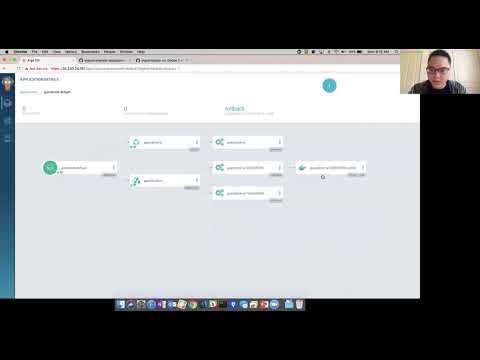](https://youtu.be/aWDIQMbp1cc?t=1m4s)
|
||||
|
||||
|
||||
Participation in the Argo CD project is governed by the [CNCF Code of Conduct](https://github.com/cncf/foundation/blob/master/code-of-conduct.md)
|
||||
|
||||
## Architecture
|
||||
|
||||
### Blogs and Presentations
|
||||

|
||||
|
||||
1. [Awesome-Argo: A Curated List of Awesome Projects and Resources Related to Argo](https://github.com/terrytangyuan/awesome-argo)
|
||||
1. [Unveil the Secret Ingredients of Continuous Delivery at Enterprise Scale with Argo CD](https://blog.akuity.io/unveil-the-secret-ingredients-of-continuous-delivery-at-enterprise-scale-with-argo-cd-7c5b4057ee49)
|
||||
1. [GitOps Without Pipelines With ArgoCD Image Updater](https://youtu.be/avPUQin9kzU)
|
||||
1. [Combining Argo CD (GitOps), Crossplane (Control Plane), And KubeVela (OAM)](https://youtu.be/eEcgn_gU3SM)
|
||||
1. [How to Apply GitOps to Everything - Combining Argo CD and Crossplane](https://youtu.be/yrj4lmScKHQ)
|
||||
1. [Couchbase - How To Run a Database Cluster in Kubernetes Using Argo CD](https://youtu.be/nkPoPaVzExY)
|
||||
1. [Automation of Everything - How To Combine Argo Events, Workflows & Pipelines, CD, and Rollouts](https://youtu.be/XNXJtxkUKeY)
|
||||
1. [Environments Based On Pull Requests (PRs): Using Argo CD To Apply GitOps Principles On Previews](https://youtu.be/cpAaI8p4R60)
|
||||
1. [Argo CD: Applying GitOps Principles To Manage Production Environment In Kubernetes](https://youtu.be/vpWQeoaiRM4)
|
||||
1. [Creating Temporary Preview Environments Based On Pull Requests With Argo CD And Codefresh](https://codefresh.io/continuous-deployment/creating-temporary-preview-environments-based-pull-requests-argo-cd-codefresh/)
|
||||
1. [Tutorial: Everything You Need To Become A GitOps Ninja](https://www.youtube.com/watch?v=r50tRQjisxw) 90m tutorial on GitOps and Argo CD.
|
||||
1. [Comparison of Argo CD, Spinnaker, Jenkins X, and Tekton](https://www.inovex.de/blog/spinnaker-vs-argo-cd-vs-tekton-vs-jenkins-x/)
|
||||
1. [Simplify and Automate Deployments Using GitOps with IBM Multicloud Manager 3.1.2](https://www.ibm.com/cloud/blog/simplify-and-automate-deployments-using-gitops-with-ibm-multicloud-manager-3-1-2)
|
||||
1. [GitOps for Kubeflow using Argo CD](https://v0-6.kubeflow.org/docs/use-cases/gitops-for-kubeflow/)
|
||||
1. [GitOps Toolsets on Kubernetes with CircleCI and Argo CD](https://www.digitalocean.com/community/tutorials/webinar-series-gitops-tool-sets-on-kubernetes-with-circleci-and-argo-cd)
|
||||
1. [CI/CD in Light Speed with K8s and Argo CD](https://www.youtube.com/watch?v=OdzH82VpMwI&feature=youtu.be)
|
||||
1. [Machine Learning as Code](https://www.youtube.com/watch?v=VXrGp5er1ZE&t=0s&index=135&list=PLj6h78yzYM2PZf9eA7bhWnIh_mK1vyOfU). Among other things, describes how Kubeflow uses Argo CD to implement GitOPs for ML
|
||||
1. [Argo CD - GitOps Continuous Delivery for Kubernetes](https://www.youtube.com/watch?v=aWDIQMbp1cc&feature=youtu.be&t=1m4s)
|
||||
1. [Introduction to Argo CD : Kubernetes DevOps CI/CD](https://www.youtube.com/watch?v=2WSJF7d8dUg&feature=youtu.be)
|
||||
1. [GitOps Deployment and Kubernetes - using Argo CD](https://medium.com/riskified-technology/gitops-deployment-and-kubernetes-f1ab289efa4b)
|
||||
1. [Deploy Argo CD with Ingress and TLS in Three Steps: No YAML Yak Shaving Required](https://itnext.io/deploy-argo-cd-with-ingress-and-tls-in-three-steps-no-yaml-yak-shaving-required-bc536d401491)
|
||||
1. [GitOps Continuous Delivery with Argo and Codefresh](https://codefresh.io/events/cncf-member-webinar-gitops-continuous-delivery-argo-codefresh/)
|
||||
1. [Stay up to date with Argo CD and Renovate](https://mjpitz.com/blog/2020/12/03/renovate-your-gitops/)
|
||||
1. [Setting up Argo CD with Helm](https://www.arthurkoziel.com/setting-up-argocd-with-helm/)
|
||||
1. [Applied GitOps with Argo CD](https://thenewstack.io/applied-gitops-with-argocd/)
|
||||
1. [Solving configuration drift using GitOps with Argo CD](https://www.cncf.io/blog/2020/12/17/solving-configuration-drift-using-gitops-with-argo-cd/)
|
||||
1. [Decentralized GitOps over environments](https://blogs.sap.com/2021/05/06/decentralized-gitops-over-environments/)
|
||||
1. [How GitOps and Operators mark the rise of Infrastructure-As-Software](https://paytmlabs.com/blog/2021/10/how-to-improve-operational-work-with-operators-and-gitops/)
|
||||
1. [Getting Started with ArgoCD for GitOps Deployments](https://youtu.be/AvLuplh1skA)
|
||||
1. [Using Argo CD & Datree for Stable Kubernetes CI/CD Deployments](https://youtu.be/17894DTru2Y)
|
||||
Argo CD is implemented as a kubernetes controller which continuously monitors running applications
|
||||
and compares the current, live state against the desired target state (as specified in the git repo).
|
||||
A deployed application whose live state deviates from the target state is considered `OutOfSync`.
|
||||
Argo CD reports & visualizes the differences, while providing facilities to automatically or
|
||||
manually sync the live state back to the desired target state. Any modifications made to the desired
|
||||
target state in the git repo can be automatically applied and reflected in the specified target
|
||||
environments.
|
||||
|
||||
For additional details, see [architecture overview](docs/architecture.md).
|
||||
|
||||
## Features
|
||||
|
||||
* Automated deployment of applications to specified target environments
|
||||
* Flexibility in support for multiple config management tools (Ksonnet, Kustomize, Helm, plain-YAML)
|
||||
* Continuous monitoring of deployed applications
|
||||
* Automated or manual syncing of applications to its desired state
|
||||
* Web and CLI based visualization of applications and differences between live vs. desired state
|
||||
* Rollback/Roll-anywhere to any application state committed in the git repository
|
||||
* Health assessment statuses on all components of the application
|
||||
* SSO Integration (OIDC, OAuth2, LDAP, SAML 2.0, GitLab, Microsoft, LinkedIn)
|
||||
* Webhook Integration (GitHub, BitBucket, GitLab)
|
||||
* PreSync, Sync, PostSync hooks to support complex application rollouts (e.g.blue/green & canary upgrades)
|
||||
* Audit trails for application events and API calls
|
||||
* Parameter overrides for overriding ksonnet/helm parameters in git
|
||||
* Service account/access key management for CI pipelines
|
||||
|
||||
## Development Status
|
||||
* Argo CD is being used in production to deploy SaaS services at Intuit
|
||||
|
||||
## Roadmap
|
||||
* Auto-sync toggle to directly apply git state changes to live state
|
||||
* Revamped UI, and feature parity with CLI
|
||||
* Customizable application actions
|
||||
|
||||
76
SECURITY.md
76
SECURITY.md
@@ -1,76 +0,0 @@
|
||||
# Security Policy for Argo CD
|
||||
|
||||
Version: **v1.4 (2022-01-23)**
|
||||
|
||||
## Preface
|
||||
|
||||
As a deployment tool, Argo CD needs to have production access which makes
|
||||
security a very important topic. The Argoproj team takes security very
|
||||
seriously and is continuously working on improving it.
|
||||
|
||||
## A word about security scanners
|
||||
|
||||
Many organisations these days employ security scanners to validate their
|
||||
container images before letting them on their clusters, and that is a good
|
||||
thing. However, the quality and results of these scanners vary greatly,
|
||||
many of them produce false positives and require people to look at the
|
||||
issues reported and validate them for correctness. A great example of that
|
||||
is, that some scanners report kernel vulnerabilities for container images
|
||||
just because they are derived from some distribution.
|
||||
|
||||
We kindly ask you to not raise issues or contact us regarding any issues
|
||||
that are found by your security scanner. Many of those produce a lot of false
|
||||
positives, and many of these issues don't affect Argo CD. We do have scanners
|
||||
in place for our code, dependencies and container images that we publish. We
|
||||
are well aware of the issues that may affect Argo CD and are constantly
|
||||
working on the remediation of those that affect Argo CD and our users.
|
||||
|
||||
If you believe that we might have missed an issue that we should take a look
|
||||
at (that can happen), then please discuss it with us. If there is a CVE
|
||||
assigned to the issue, please do open an issue on our GitHub tracker instead
|
||||
of writing to the security contact e-mail, since things reported by scanners
|
||||
are public already and the discussion that might emerge is of benefit to the
|
||||
general community. However, please validate your scanner results and its
|
||||
impact on Argo CD before opening an issue at least roughly.
|
||||
|
||||
## Supported Versions
|
||||
|
||||
We currently support the most recent release (`N`, e.g. `1.8`) and the release
|
||||
previous to the most recent one (`N-1`, e.g. `1.7`). With the release of
|
||||
`N+1`, `N-1` drops out of support and `N` becomes `N-1`.
|
||||
|
||||
We regularly perform patch releases (e.g. `1.8.5` and `1.7.12`) for the
|
||||
supported versions, which will contain fixes for security vulnerabilities and
|
||||
important bugs. Prior releases might receive critical security fixes on a best
|
||||
effort basis, however, it cannot be guaranteed that security fixes get
|
||||
back-ported to these unsupported versions.
|
||||
|
||||
In rare cases, where a security fix needs complex re-design of a feature or is
|
||||
otherwise very intrusive, and there's a workaround available, we may decide to
|
||||
provide a forward-fix only, e.g. to be released the next minor release, instead
|
||||
of releasing it within a patch branch for the currently supported releases.
|
||||
|
||||
## Reporting a Vulnerability
|
||||
|
||||
If you find a security related bug in ArgoCD, we kindly ask you for responsible
|
||||
disclosure and for giving us appropriate time to react, analyze and develop a
|
||||
fix to mitigate the found security vulnerability.
|
||||
|
||||
We will do our best to react quickly on your inquiry, and to coordinate a fix
|
||||
and disclosure with you. Sometimes, it might take a little longer for us to
|
||||
react (e.g. out of office conditions), so please bear with us in these cases.
|
||||
|
||||
We will publish security advisories using the
|
||||
[Git Hub Security Advisories](https://github.com/argoproj/argo-cd/security/advisories)
|
||||
feature to keep our community well informed, and will credit you for your
|
||||
findings (unless you prefer to stay anonymous, of course).
|
||||
|
||||
Please report vulnerabilities by e-mail to the following address:
|
||||
|
||||
* cncf-argo-security@lists.cncf.io
|
||||
|
||||
## Securing your Argo CD Instance
|
||||
|
||||
See the [operator manual security page](docs/operator-manual/security.md) for
|
||||
additional information about Argo CD's security features and how to make your
|
||||
Argo CD production ready.
|
||||
@@ -1,8 +0,0 @@
|
||||
# Defined below are the security contacts for this repo.
|
||||
#
|
||||
# DO NOT REPORT SECURITY VULNERABILITIES DIRECTLY TO THESE NAMES, FOLLOW THE
|
||||
# INSTRUCTIONS AT https://argo-cd.readthedocs.io/en/latest/security_considerations/#reporting-vulnerabilities
|
||||
|
||||
alexmt
|
||||
edlee2121
|
||||
jessesuen
|
||||
208
USERS.md
208
USERS.md
@@ -1,208 +0,0 @@
|
||||
## Who uses Argo CD?
|
||||
|
||||
As the Argo Community grows, we'd like to keep track of our users. Please send a PR with your organization name if you are using Argo CD.
|
||||
|
||||
Currently, the following organizations are **officially** using Argo CD:
|
||||
|
||||
1. [127Labs](https://127labs.com/)
|
||||
1. [3Rein](https://www.3rein.com/)
|
||||
1. [7shifts](https://www.7shifts.com/)
|
||||
1. [Adevinta](https://www.adevinta.com/)
|
||||
1. [Adventure](https://jp.adventurekk.com/)
|
||||
1. [Akuity](https://akuity.io/)
|
||||
1. [Alibaba Group](https://www.alibabagroup.com/)
|
||||
1. [Allianz Direct](https://www.allianzdirect.de/)
|
||||
1. [Ambassador Labs](https://www.getambassador.io/)
|
||||
1. [ANSTO - Australian Synchrotron](https://www.synchrotron.org.au/)
|
||||
1. [Ant Group](https://www.antgroup.com/)
|
||||
1. [AppDirect](https://www.appdirect.com)
|
||||
1. [Arctiq Inc.](https://www.arctiq.ca)
|
||||
1. [ARZ Allgemeines Rechenzentrum GmbH ](https://www.arz.at/)
|
||||
1. [Axual B.V.](https://axual.com)
|
||||
1. [Baloise](https://www.baloise.com)
|
||||
1. [BCDevExchange DevOps Platform](https://bcdevexchange.org/DevOpsPlatform)
|
||||
1. [Beat](https://thebeat.co/en/)
|
||||
1. [Beez Innovation Labs](https://www.beezlabs.com/)
|
||||
1. [Beleza Na Web](https://www.belezanaweb.com.br/)
|
||||
1. [BigPanda](https://bigpanda.io)
|
||||
1. [BioBox Analytics](https://biobox.io)
|
||||
1. [BMW Group](https://www.bmwgroup.com/)
|
||||
1. [Boozt](https://www.booztgroup.com/)
|
||||
1. [Boticario](https://www.boticario.com.br/)
|
||||
1. [Camptocamp](https://camptocamp.com)
|
||||
1. [Capital One](https://www.capitalone.com)
|
||||
1. [CARFAX](https://www.carfax.com)
|
||||
1. [Casavo](https://casavo.com)
|
||||
1. [Celonis](https://www.celonis.com/)
|
||||
1. [Chargetrip](https://chargetrip.com)
|
||||
1. [Chime](https://www.chime.com)
|
||||
1. [Cisco ET&I](https://eti.cisco.com/)
|
||||
1. [Cobalt](https://www.cobalt.io/)
|
||||
1. [Codefresh](https://www.codefresh.io/)
|
||||
1. [Codility](https://www.codility.com/)
|
||||
1. [Commonbond](https://commonbond.co/)
|
||||
1. [CROZ d.o.o.](https://croz.net/)
|
||||
1. [Crédit Agricole CIB](https://www.ca-cib.com)
|
||||
1. [CyberAgent](https://www.cyberagent.co.jp/en/)
|
||||
1. [Cybozu](https://cybozu-global.com)
|
||||
1. [D2iQ](https://www.d2iq.com)
|
||||
1. [Datarisk](https://www.datarisk.io/)
|
||||
1. [Deloitte](https://www.deloitte.com/)
|
||||
1. [Devopsi - Poland Software/DevOps Consulting](https://devopsi.pl/)
|
||||
1. [Devtron Labs](https://github.com/devtron-labs/devtron)
|
||||
1. [EDF Renewables](https://www.edf-re.com/)
|
||||
1. [edX](https://edx.org)
|
||||
1. [Electronic Arts Inc. ](https://www.ea.com)
|
||||
1. [Elium](https://www.elium.com)
|
||||
1. [END.](https://www.endclothing.com/)
|
||||
1. [Energisme](https://energisme.com/)
|
||||
1. [Faro](https://www.faro.com/)
|
||||
1. [Fave](https://myfave.com)
|
||||
1. [Flip](https://flip.id)
|
||||
1. [Fonoa](https://www.fonoa.com/)
|
||||
1. [freee](https://corp.freee.co.jp/en/company/)
|
||||
1. [Future PLC](https://www.futureplc.com/)
|
||||
1. [G DATA CyberDefense AG](https://www.gdata-software.com/)
|
||||
1. [Garner](https://www.garnercorp.com)
|
||||
1. [Generali Deutschland AG](https://www.generali.de/)
|
||||
1. [Gitpod](https://www.gitpod.io)
|
||||
1. [Gllue](https://gllue.com)
|
||||
1. [Glovo](https://www.glovoapp.com)
|
||||
1. [GMETRI](https://gmetri.com/)
|
||||
1. [Gojek](https://www.gojek.io/)
|
||||
1. [Greenpass](https://www.greenpass.com.br/)
|
||||
1. [Handelsbanken](https://www.handelsbanken.se)
|
||||
1. [Healy](https://www.healyworld.net)
|
||||
1. [Helio](https://helio.exchange)
|
||||
1. [hipages](https://hipages.com.au/)
|
||||
1. [Hiya](https://hiya.com)
|
||||
1. [Honestbank](https://honestbank.com)
|
||||
1. [IBM](https://www.ibm.com/)
|
||||
1. [Ibotta](https://home.ibotta.com)
|
||||
1. [IITS-Consulting](https://iits-consulting.de)
|
||||
1. [imaware](https://imaware.health)
|
||||
1. [Index Exchange](https://www.indexexchange.com/)
|
||||
1. [InsideBoard](https://www.insideboard.com)
|
||||
1. [Intuit](https://www.intuit.com/)
|
||||
1. [Joblift](https://joblift.com/)
|
||||
1. [JovianX](https://www.jovianx.com/)
|
||||
1. [Kaltura](https://corp.kaltura.com/)
|
||||
1. [KarrotPay](https://www.daangnpay.com/)
|
||||
1. [Karrot](https://www.daangn.com/)
|
||||
1. [Kasa](https://kasa.co.kr/)
|
||||
1. [Keeeb](https://www.keeeb.com/)
|
||||
1. [Keptn](https://keptn.sh)
|
||||
1. [Kinguin](https://www.kinguin.net/)
|
||||
1. [KintoHub](https://www.kintohub.com/)
|
||||
1. [KompiTech GmbH](https://www.kompitech.com/)
|
||||
1. [KubeSphere](https://github.com/kubesphere)
|
||||
1. [LexisNexis](https://www.lexisnexis.com/)
|
||||
1. [Lightricks](https://www.lightricks.com/)
|
||||
1. [LINE](https://linecorp.com/en/)
|
||||
1. [Lytt](https://www.lytt.co/)
|
||||
1. [Majid Al Futtaim](https://www.majidalfuttaim.com/)
|
||||
1. [Major League Baseball](https://mlb.com)
|
||||
1. [Mambu](https://www.mambu.com/)
|
||||
1. [MariaDB](https://mariadb.com)
|
||||
1. [Mattermost](https://www.mattermost.com)
|
||||
1. [Max Kelsen](https://www.maxkelsen.com/)
|
||||
1. [MeDirect](https://medirect.com.mt/)
|
||||
1. [Metanet](http://www.metanet.co.kr/en/)
|
||||
1. [MindSpore](https://mindspore.cn)
|
||||
1. [Mirantis](https://mirantis.com/)
|
||||
1. [mixi Group](https://mixi.co.jp/)
|
||||
1. [Moengage](https://www.moengage.com/)
|
||||
1. [Money Forward](https://corp.moneyforward.com/en/)
|
||||
1. [MOO Print](https://www.moo.com/)
|
||||
1. [MTN Group](https://www.mtn.com/)
|
||||
1. [Natura &Co](https://naturaeco.com/)
|
||||
1. [New Relic](https://newrelic.com/)
|
||||
1. [Nextdoor](https://nextdoor.com/)
|
||||
1. [Nikkei](https://www.nikkei.co.jp/nikkeiinfo/en/)
|
||||
1. [Nitro](https://gonitro.com)
|
||||
1. [Octadesk](https://octadesk.com)
|
||||
1. [omegaUp](https://omegaUp.com)
|
||||
1. [openEuler](https://openeuler.org)
|
||||
1. [openGauss](https://opengauss.org/)
|
||||
1. [openLooKeng](https://openlookeng.io)
|
||||
1. [OpenSaaS Studio](https://opensaas.studio)
|
||||
1. [Opensurvey](https://www.opensurvey.co.kr/)
|
||||
1. [Optoro](https://www.optoro.com/)
|
||||
1. [Orbital Insight](https://orbitalinsight.com/)
|
||||
1. [p3r](https://www.p3r.one/)
|
||||
1. [Packlink](https://www.packlink.com/)
|
||||
1. [PayPay](https://paypay.ne.jp/)
|
||||
1. [Peloton Interactive](https://www.onepeloton.com/)
|
||||
1. [Pipefy](https://www.pipefy.com/)
|
||||
1. [Polarpoint.io](https://polarpoint.io)
|
||||
1. [Preferred Networks](https://preferred.jp/en/)
|
||||
1. [Prudential](https://prudential.com.sg)
|
||||
1. [PUBG](https://www.pubg.com)
|
||||
1. [Qonto](https://qonto.com)
|
||||
1. [QuintoAndar](https://quintoandar.com.br)
|
||||
1. [Quipper](https://www.quipper.com/)
|
||||
1. [Recreation.gov](https://www.recreation.gov/)
|
||||
1. [Red Hat](https://www.redhat.com/)
|
||||
1. [RightRev](https://rightrev.com/)
|
||||
1. [Rise](https://www.risecard.eu/)
|
||||
1. [Riskified](https://www.riskified.com/)
|
||||
1. [Robotinfra](https://www.robotinfra.com)
|
||||
1. [Rubin Observatory](https://www.lsst.org)
|
||||
1. [Saildrone](https://www.saildrone.com/)
|
||||
1. [Saloodo! GmbH](https://www.saloodo.com)
|
||||
1. [Sap Labs](http://sap.com)
|
||||
1. [Schwarz IT](https://jobs.schwarz/it-mission)
|
||||
1. [Skit](https://skit.ai/)
|
||||
1. [Skyscanner](https://www.skyscanner.net/)
|
||||
1. [Smilee.io](https://smilee.io)
|
||||
1. [Snapp](https://snapp.ir/)
|
||||
1. [Snyk](https://snyk.io/)
|
||||
1. [Speee](https://speee.jp/)
|
||||
1. [Spendesk](https://spendesk.com/)
|
||||
1. [Spores Labs](https://spores.app)
|
||||
1. [Stuart](https://stuart.com/)
|
||||
1. [Sumo Logic](https://sumologic.com/)
|
||||
1. [Sutpc](http://www.sutpc.com/)
|
||||
1. [Swiss Post](https://github.com/swisspost)
|
||||
1. [Swisscom](https://www.swisscom.ch)
|
||||
1. [Swissquote](https://github.com/swissquote)
|
||||
1. [Syncier](https://syncier.com/)
|
||||
1. [TableCheck](https://tablecheck.com/)
|
||||
1. [Tailor Brands](https://www.tailorbrands.com)
|
||||
1. [Tamkeen Technologies](https://tamkeentech.sa/)
|
||||
1. [Technacy](https://www.technacy.it/)
|
||||
1. [Tesla](https://tesla.com/)
|
||||
1. [ThousandEyes](https://www.thousandeyes.com/)
|
||||
1. [Ticketmaster](https://ticketmaster.com)
|
||||
1. [Tiger Analytics](https://www.tigeranalytics.com/)
|
||||
1. [Tigera](https://www.tigera.io/)
|
||||
1. [Toss](https://toss.im/en)
|
||||
1. [tru.ID](https://tru.id)
|
||||
1. [Twilio SendGrid](https://sendgrid.com)
|
||||
1. [tZERO](https://www.tzero.com/)
|
||||
1. [UBIO](https://ub.io/)
|
||||
1. [UFirstGroup](https://www.ufirstgroup.com/en/)
|
||||
1. [ungleich.ch](https://ungleich.ch/)
|
||||
1. [Unifonic Inc](https://www.unifonic.com/)
|
||||
1. [Universidad Mesoamericana](https://www.umes.edu.gt/)
|
||||
1. [Viaduct](https://www.viaduct.ai/)
|
||||
1. [Virtuo](https://www.govirtuo.com/)
|
||||
1. [VISITS Technologies](https://visits.world/en)
|
||||
1. [Volvo Cars](https://www.volvocars.com/)
|
||||
1. [VSHN - The DevOps Company](https://vshn.ch/)
|
||||
1. [Walkbase](https://www.walkbase.com/)
|
||||
1. [Webstores](https://www.webstores.nl)
|
||||
1. [Wehkamp](https://www.wehkamp.nl/)
|
||||
1. [WeMo Scooter](https://www.wemoscooter.com/)
|
||||
1. [Whitehat Berlin](https://whitehat.berlin) by Guido Maria Serra +Fenaroli
|
||||
1. [Witick](https://witick.io/)
|
||||
1. [WooliesX](https://wooliesx.com.au/)
|
||||
1. [Woolworths Group](https://www.woolworthsgroup.com.au/)
|
||||
1. [WSpot](https://www.wspot.com.br/)
|
||||
1. [Yieldlab](https://www.yieldlab.de/)
|
||||
1. [Youverify](https://youverify.co/)
|
||||
1. [Yubo](https://www.yubo.live/)
|
||||
1. [Zimpler](https://www.zimpler.com/)
|
||||
1. [ZOZO](https://corp.zozo.com/)
|
||||
1. [Trendyol](https://www.trendyol.com/)
|
||||
1. [RapidAPI](https://www.rapidapi.com/)
|
||||
@@ -1,732 +0,0 @@
|
||||
/*
|
||||
Licensed under the Apache License, Version 2.0 (the "License");
|
||||
you may not use this file except in compliance with the License.
|
||||
You may obtain a copy of the License at
|
||||
|
||||
http://www.apache.org/licenses/LICENSE-2.0
|
||||
|
||||
Unless required by applicable law or agreed to in writing, software
|
||||
distributed under the License is distributed on an "AS IS" BASIS,
|
||||
WITHOUT WARRANTIES OR CONDITIONS OF ANY KIND, either express or implied.
|
||||
See the License for the specific language governing permissions and
|
||||
limitations under the License.
|
||||
*/
|
||||
|
||||
package controllers
|
||||
|
||||
import (
|
||||
"context"
|
||||
"fmt"
|
||||
"time"
|
||||
|
||||
"github.com/go-logr/logr"
|
||||
log "github.com/sirupsen/logrus"
|
||||
corev1 "k8s.io/api/core/v1"
|
||||
apierr "k8s.io/apimachinery/pkg/api/errors"
|
||||
metav1 "k8s.io/apimachinery/pkg/apis/meta/v1"
|
||||
"k8s.io/apimachinery/pkg/runtime"
|
||||
"k8s.io/apimachinery/pkg/types"
|
||||
"k8s.io/client-go/kubernetes"
|
||||
"k8s.io/client-go/tools/record"
|
||||
ctrl "sigs.k8s.io/controller-runtime"
|
||||
"sigs.k8s.io/controller-runtime/pkg/client"
|
||||
"sigs.k8s.io/controller-runtime/pkg/controller/controllerutil"
|
||||
"sigs.k8s.io/controller-runtime/pkg/handler"
|
||||
"sigs.k8s.io/controller-runtime/pkg/source"
|
||||
|
||||
"github.com/argoproj/argo-cd/v2/applicationset/generators"
|
||||
"github.com/argoproj/argo-cd/v2/applicationset/utils"
|
||||
"github.com/argoproj/argo-cd/v2/common"
|
||||
argov1alpha1 "github.com/argoproj/argo-cd/v2/pkg/apis/application/v1alpha1"
|
||||
argoprojiov1alpha1 "github.com/argoproj/argo-cd/v2/pkg/apis/applicationset/v1alpha1"
|
||||
appclientset "github.com/argoproj/argo-cd/v2/pkg/client/clientset/versioned"
|
||||
argoutil "github.com/argoproj/argo-cd/v2/util/argo"
|
||||
"github.com/argoproj/argo-cd/v2/util/db"
|
||||
)
|
||||
|
||||
const (
|
||||
// Rather than importing the whole argocd-notifications controller, just copying the const here
|
||||
// https://github.com/argoproj-labs/argocd-notifications/blob/33d345fa838829bb50fca5c08523aba380d2c12b/pkg/controller/subscriptions.go#L12
|
||||
// https://github.com/argoproj-labs/argocd-notifications/blob/33d345fa838829bb50fca5c08523aba380d2c12b/pkg/controller/state.go#L17
|
||||
NotifiedAnnotationKey = "notified.notifications.argoproj.io"
|
||||
ReconcileRequeueOnValidationError = time.Minute * 3
|
||||
)
|
||||
|
||||
var (
|
||||
preservedAnnotations = []string{
|
||||
NotifiedAnnotationKey,
|
||||
argov1alpha1.AnnotationKeyRefresh,
|
||||
}
|
||||
)
|
||||
|
||||
// ApplicationSetReconciler reconciles a ApplicationSet object
|
||||
type ApplicationSetReconciler struct {
|
||||
client.Client
|
||||
Log logr.Logger
|
||||
Scheme *runtime.Scheme
|
||||
Recorder record.EventRecorder
|
||||
Generators map[string]generators.Generator
|
||||
ArgoDB db.ArgoDB
|
||||
ArgoAppClientset appclientset.Interface
|
||||
KubeClientset kubernetes.Interface
|
||||
utils.Policy
|
||||
utils.Renderer
|
||||
}
|
||||
|
||||
// +kubebuilder:rbac:groups=argoproj.io,resources=applicationsets,verbs=get;list;watch;create;update;patch;delete
|
||||
// +kubebuilder:rbac:groups=argoproj.io,resources=applicationsets/status,verbs=get;update;patch
|
||||
|
||||
func (r *ApplicationSetReconciler) Reconcile(ctx context.Context, req ctrl.Request) (ctrl.Result, error) {
|
||||
_ = r.Log.WithValues("applicationset", req.NamespacedName)
|
||||
_ = log.WithField("applicationset", req.NamespacedName)
|
||||
|
||||
var applicationSetInfo argoprojiov1alpha1.ApplicationSet
|
||||
parametersGenerated := false
|
||||
|
||||
if err := r.Get(ctx, req.NamespacedName, &applicationSetInfo); err != nil {
|
||||
if client.IgnoreNotFound(err) != nil {
|
||||
log.WithError(err).Infof("unable to get ApplicationSet: '%v' ", err)
|
||||
}
|
||||
return ctrl.Result{}, client.IgnoreNotFound(err)
|
||||
}
|
||||
|
||||
// Do not attempt to further reconcile the ApplicationSet if it is being deleted.
|
||||
if applicationSetInfo.ObjectMeta.DeletionTimestamp != nil {
|
||||
return ctrl.Result{}, nil
|
||||
}
|
||||
|
||||
// Log a warning if there are unrecognized generators
|
||||
utils.CheckInvalidGenerators(&applicationSetInfo)
|
||||
// desiredApplications is the main list of all expected Applications from all generators in this appset.
|
||||
desiredApplications, applicationSetReason, err := r.generateApplications(applicationSetInfo)
|
||||
if err != nil {
|
||||
_ = r.setApplicationSetStatusCondition(ctx,
|
||||
&applicationSetInfo,
|
||||
argoprojiov1alpha1.ApplicationSetCondition{
|
||||
Type: argoprojiov1alpha1.ApplicationSetConditionErrorOccurred,
|
||||
Message: err.Error(),
|
||||
Reason: string(applicationSetReason),
|
||||
Status: argoprojiov1alpha1.ApplicationSetConditionStatusTrue,
|
||||
}, parametersGenerated,
|
||||
)
|
||||
return ctrl.Result{}, err
|
||||
}
|
||||
|
||||
parametersGenerated = true
|
||||
|
||||
validateErrors, err := r.validateGeneratedApplications(ctx, desiredApplications, applicationSetInfo, req.Namespace)
|
||||
if err != nil {
|
||||
// While some generators may return an error that requires user intervention,
|
||||
// other generators reference external resources that may change to cause
|
||||
// the error to no longer occur. We thus log the error and requeue
|
||||
// with a timeout to give this another shot at a later time.
|
||||
//
|
||||
// Changes to watched resources will cause this to be reconciled sooner than
|
||||
// the RequeueAfter time.
|
||||
log.Errorf("error occurred during application validation: %s", err.Error())
|
||||
|
||||
_ = r.setApplicationSetStatusCondition(ctx,
|
||||
&applicationSetInfo,
|
||||
argoprojiov1alpha1.ApplicationSetCondition{
|
||||
Type: argoprojiov1alpha1.ApplicationSetConditionErrorOccurred,
|
||||
Message: err.Error(),
|
||||
Reason: argoprojiov1alpha1.ApplicationSetReasonApplicationValidationError,
|
||||
Status: argoprojiov1alpha1.ApplicationSetConditionStatusTrue,
|
||||
}, parametersGenerated,
|
||||
)
|
||||
return ctrl.Result{RequeueAfter: ReconcileRequeueOnValidationError}, nil
|
||||
}
|
||||
|
||||
var validApps []argov1alpha1.Application
|
||||
for i := range desiredApplications {
|
||||
if validateErrors[i] == nil {
|
||||
validApps = append(validApps, desiredApplications[i])
|
||||
}
|
||||
}
|
||||
|
||||
if len(validateErrors) > 0 {
|
||||
var message string
|
||||
for _, v := range validateErrors {
|
||||
message = v.Error()
|
||||
log.Errorf("validation error found during application validation: %s", message)
|
||||
}
|
||||
if len(validateErrors) > 1 {
|
||||
// Only the last message gets added to the appset status, to keep the size reasonable.
|
||||
message = fmt.Sprintf("%s (and %d more)", message, len(validateErrors)-1)
|
||||
}
|
||||
_ = r.setApplicationSetStatusCondition(ctx,
|
||||
&applicationSetInfo,
|
||||
argoprojiov1alpha1.ApplicationSetCondition{
|
||||
Type: argoprojiov1alpha1.ApplicationSetConditionErrorOccurred,
|
||||
Message: message,
|
||||
Reason: argoprojiov1alpha1.ApplicationSetReasonApplicationValidationError,
|
||||
Status: argoprojiov1alpha1.ApplicationSetConditionStatusTrue,
|
||||
}, parametersGenerated,
|
||||
)
|
||||
}
|
||||
|
||||
if r.Policy.Update() {
|
||||
err = r.createOrUpdateInCluster(ctx, applicationSetInfo, validApps)
|
||||
if err != nil {
|
||||
_ = r.setApplicationSetStatusCondition(ctx,
|
||||
&applicationSetInfo,
|
||||
argoprojiov1alpha1.ApplicationSetCondition{
|
||||
Type: argoprojiov1alpha1.ApplicationSetConditionErrorOccurred,
|
||||
Message: err.Error(),
|
||||
Reason: argoprojiov1alpha1.ApplicationSetReasonUpdateApplicationError,
|
||||
Status: argoprojiov1alpha1.ApplicationSetConditionStatusTrue,
|
||||
}, parametersGenerated,
|
||||
)
|
||||
return ctrl.Result{}, err
|
||||
}
|
||||
} else {
|
||||
err = r.createInCluster(ctx, applicationSetInfo, validApps)
|
||||
if err != nil {
|
||||
_ = r.setApplicationSetStatusCondition(ctx,
|
||||
&applicationSetInfo,
|
||||
argoprojiov1alpha1.ApplicationSetCondition{
|
||||
Type: argoprojiov1alpha1.ApplicationSetConditionErrorOccurred,
|
||||
Message: err.Error(),
|
||||
Reason: argoprojiov1alpha1.ApplicationSetReasonCreateApplicationError,
|
||||
Status: argoprojiov1alpha1.ApplicationSetConditionStatusTrue,
|
||||
}, parametersGenerated,
|
||||
)
|
||||
return ctrl.Result{}, err
|
||||
}
|
||||
}
|
||||
|
||||
if r.Policy.Delete() {
|
||||
err = r.deleteInCluster(ctx, applicationSetInfo, desiredApplications)
|
||||
if err != nil {
|
||||
_ = r.setApplicationSetStatusCondition(ctx,
|
||||
&applicationSetInfo,
|
||||
argoprojiov1alpha1.ApplicationSetCondition{
|
||||
Type: argoprojiov1alpha1.ApplicationSetConditionResourcesUpToDate,
|
||||
Message: err.Error(),
|
||||
Reason: argoprojiov1alpha1.ApplicationSetReasonDeleteApplicationError,
|
||||
Status: argoprojiov1alpha1.ApplicationSetConditionStatusTrue,
|
||||
}, parametersGenerated,
|
||||
)
|
||||
return ctrl.Result{}, err
|
||||
}
|
||||
}
|
||||
|
||||
if applicationSetInfo.RefreshRequired() {
|
||||
delete(applicationSetInfo.Annotations, common.AnnotationApplicationSetRefresh)
|
||||
err := r.Client.Update(ctx, &applicationSetInfo)
|
||||
if err != nil {
|
||||
log.Warnf("error occurred while updating ApplicationSet: %v", err)
|
||||
_ = r.setApplicationSetStatusCondition(ctx,
|
||||
&applicationSetInfo,
|
||||
argoprojiov1alpha1.ApplicationSetCondition{
|
||||
Type: argoprojiov1alpha1.ApplicationSetConditionErrorOccurred,
|
||||
Message: err.Error(),
|
||||
Reason: argoprojiov1alpha1.ApplicationSetReasonRefreshApplicationError,
|
||||
Status: argoprojiov1alpha1.ApplicationSetConditionStatusTrue,
|
||||
}, parametersGenerated,
|
||||
)
|
||||
return ctrl.Result{}, err
|
||||
}
|
||||
}
|
||||
|
||||
requeueAfter := r.getMinRequeueAfter(&applicationSetInfo)
|
||||
log.WithField("requeueAfter", requeueAfter).Info("end reconcile")
|
||||
|
||||
if len(validateErrors) == 0 {
|
||||
if err := r.setApplicationSetStatusCondition(ctx,
|
||||
&applicationSetInfo,
|
||||
argoprojiov1alpha1.ApplicationSetCondition{
|
||||
Type: argoprojiov1alpha1.ApplicationSetConditionResourcesUpToDate,
|
||||
Message: "All applications have been generated successfully",
|
||||
Reason: argoprojiov1alpha1.ApplicationSetReasonApplicationSetUpToDate,
|
||||
Status: argoprojiov1alpha1.ApplicationSetConditionStatusTrue,
|
||||
}, parametersGenerated,
|
||||
); err != nil {
|
||||
return ctrl.Result{}, err
|
||||
}
|
||||
}
|
||||
|
||||
return ctrl.Result{
|
||||
RequeueAfter: requeueAfter,
|
||||
}, nil
|
||||
}
|
||||
|
||||
func getParametersGeneratedCondition(parametersGenerated bool, message string) argoprojiov1alpha1.ApplicationSetCondition {
|
||||
var paramtersGeneratedCondition argoprojiov1alpha1.ApplicationSetCondition
|
||||
if parametersGenerated {
|
||||
paramtersGeneratedCondition = argoprojiov1alpha1.ApplicationSetCondition{
|
||||
Type: argoprojiov1alpha1.ApplicationSetConditionParametersGenerated,
|
||||
Message: "Successfully generated parameters for all Applications",
|
||||
Reason: argoprojiov1alpha1.ApplicationSetReasonParametersGenerated,
|
||||
Status: argoprojiov1alpha1.ApplicationSetConditionStatusTrue,
|
||||
}
|
||||
} else {
|
||||
paramtersGeneratedCondition = argoprojiov1alpha1.ApplicationSetCondition{
|
||||
Type: argoprojiov1alpha1.ApplicationSetConditionParametersGenerated,
|
||||
Message: message,
|
||||
Reason: argoprojiov1alpha1.ApplicationSetReasonErrorOccurred,
|
||||
Status: argoprojiov1alpha1.ApplicationSetConditionStatusFalse,
|
||||
}
|
||||
}
|
||||
return paramtersGeneratedCondition
|
||||
}
|
||||
|
||||
func getResourceUpToDateCondition(errorOccurred bool, message string, reason string) argoprojiov1alpha1.ApplicationSetCondition {
|
||||
var resourceUpToDateCondition argoprojiov1alpha1.ApplicationSetCondition
|
||||
if errorOccurred {
|
||||
resourceUpToDateCondition = argoprojiov1alpha1.ApplicationSetCondition{
|
||||
Type: argoprojiov1alpha1.ApplicationSetConditionResourcesUpToDate,
|
||||
Message: message,
|
||||
Reason: reason,
|
||||
Status: argoprojiov1alpha1.ApplicationSetConditionStatusFalse,
|
||||
}
|
||||
} else {
|
||||
resourceUpToDateCondition = argoprojiov1alpha1.ApplicationSetCondition{
|
||||
Type: argoprojiov1alpha1.ApplicationSetConditionResourcesUpToDate,
|
||||
Message: "ApplicationSet up to date",
|
||||
Reason: argoprojiov1alpha1.ApplicationSetReasonApplicationSetUpToDate,
|
||||
Status: argoprojiov1alpha1.ApplicationSetConditionStatusTrue,
|
||||
}
|
||||
}
|
||||
return resourceUpToDateCondition
|
||||
}
|
||||
|
||||
func (r *ApplicationSetReconciler) setApplicationSetStatusCondition(ctx context.Context, applicationSet *argoprojiov1alpha1.ApplicationSet, condition argoprojiov1alpha1.ApplicationSetCondition, paramtersGenerated bool) error {
|
||||
// check if error occurred during reconcile process
|
||||
errOccurred := condition.Type == argoprojiov1alpha1.ApplicationSetConditionErrorOccurred
|
||||
|
||||
var errOccurredCondition argoprojiov1alpha1.ApplicationSetCondition
|
||||
|
||||
if errOccurred {
|
||||
errOccurredCondition = condition
|
||||
} else {
|
||||
errOccurredCondition = argoprojiov1alpha1.ApplicationSetCondition{
|
||||
Type: argoprojiov1alpha1.ApplicationSetConditionErrorOccurred,
|
||||
Message: "Successfully generated parameters for all Applications",
|
||||
Reason: argoprojiov1alpha1.ApplicationSetReasonApplicationSetUpToDate,
|
||||
Status: argoprojiov1alpha1.ApplicationSetConditionStatusFalse,
|
||||
}
|
||||
}
|
||||
|
||||
paramtersGeneratedCondition := getParametersGeneratedCondition(paramtersGenerated, condition.Message)
|
||||
resourceUpToDateCondition := getResourceUpToDateCondition(errOccurred, condition.Message, condition.Reason)
|
||||
|
||||
newConditions := []argoprojiov1alpha1.ApplicationSetCondition{errOccurredCondition, paramtersGeneratedCondition, resourceUpToDateCondition}
|
||||
|
||||
needToUpdateConditions := false
|
||||
for _, condition := range newConditions {
|
||||
// do nothing if appset already has same condition
|
||||
for _, c := range applicationSet.Status.Conditions {
|
||||
if c.Type == condition.Type && (c.Reason != condition.Reason || c.Status != condition.Status || c.Message != condition.Message) {
|
||||
needToUpdateConditions = true
|
||||
break
|
||||
}
|
||||
}
|
||||
}
|
||||
evaluatedTypes := map[argoprojiov1alpha1.ApplicationSetConditionType]bool{
|
||||
argoprojiov1alpha1.ApplicationSetConditionErrorOccurred: true,
|
||||
argoprojiov1alpha1.ApplicationSetConditionParametersGenerated: true,
|
||||
argoprojiov1alpha1.ApplicationSetConditionResourcesUpToDate: true,
|
||||
}
|
||||
|
||||
if needToUpdateConditions || len(applicationSet.Status.Conditions) < 3 {
|
||||
// fetch updated Application Set object before updating it
|
||||
namespacedName := types.NamespacedName{Namespace: applicationSet.Namespace, Name: applicationSet.Name}
|
||||
if err := r.Get(ctx, namespacedName, applicationSet); err != nil {
|
||||
if client.IgnoreNotFound(err) != nil {
|
||||
return nil
|
||||
}
|
||||
return fmt.Errorf("error fetching updated application set: %v", err)
|
||||
}
|
||||
|
||||
applicationSet.Status.SetConditions(
|
||||
newConditions, evaluatedTypes,
|
||||
)
|
||||
|
||||
// Update the newly fetched object with new set of conditions
|
||||
err := r.Client.Status().Update(ctx, applicationSet)
|
||||
if err != nil && !apierr.IsNotFound(err) {
|
||||
return fmt.Errorf("unable to set application set condition: %v", err)
|
||||
}
|
||||
}
|
||||
|
||||
return nil
|
||||
}
|
||||
|
||||
// validateGeneratedApplications uses the Argo CD validation functions to verify the correctness of the
|
||||
// generated applications.
|
||||
func (r *ApplicationSetReconciler) validateGeneratedApplications(ctx context.Context, desiredApplications []argov1alpha1.Application, applicationSetInfo argoprojiov1alpha1.ApplicationSet, namespace string) (map[int]error, error) {
|
||||
errorsByIndex := map[int]error{}
|
||||
namesSet := map[string]bool{}
|
||||
for i, app := range desiredApplications {
|
||||
|
||||
if !namesSet[app.Name] {
|
||||
namesSet[app.Name] = true
|
||||
} else {
|
||||
errorsByIndex[i] = fmt.Errorf("ApplicationSet %s contains applications with duplicate name: %s", applicationSetInfo.Name, app.Name)
|
||||
continue
|
||||
}
|
||||
|
||||
proj, err := r.ArgoAppClientset.ArgoprojV1alpha1().AppProjects(namespace).Get(ctx, app.Spec.GetProject(), metav1.GetOptions{})
|
||||
if err != nil {
|
||||
if apierr.IsNotFound(err) {
|
||||
errorsByIndex[i] = fmt.Errorf("application references project %s which does not exist", app.Spec.Project)
|
||||
continue
|
||||
}
|
||||
return nil, err
|
||||
}
|
||||
|
||||
if err := utils.ValidateDestination(ctx, &app.Spec.Destination, r.KubeClientset, namespace); err != nil {
|
||||
errorsByIndex[i] = fmt.Errorf("application destination spec is invalid: %s", err.Error())
|
||||
continue
|
||||
}
|
||||
|
||||
conditions, err := argoutil.ValidatePermissions(ctx, &app.Spec, proj, r.ArgoDB)
|
||||
if err != nil {
|
||||
return nil, err
|
||||
}
|
||||
if len(conditions) > 0 {
|
||||
errorsByIndex[i] = fmt.Errorf("application spec is invalid: %s", argoutil.FormatAppConditions(conditions))
|
||||
continue
|
||||
}
|
||||
|
||||
}
|
||||
|
||||
return errorsByIndex, nil
|
||||
}
|
||||
|
||||
func (r *ApplicationSetReconciler) getMinRequeueAfter(applicationSetInfo *argoprojiov1alpha1.ApplicationSet) time.Duration {
|
||||
var res time.Duration
|
||||
for _, requestedGenerator := range applicationSetInfo.Spec.Generators {
|
||||
|
||||
relevantGenerators := generators.GetRelevantGenerators(&requestedGenerator, r.Generators)
|
||||
|
||||
for _, g := range relevantGenerators {
|
||||
t := g.GetRequeueAfter(&requestedGenerator)
|
||||
|
||||
if res == 0 {
|
||||
res = t
|
||||
} else if t != 0 && t < res {
|
||||
res = t
|
||||
}
|
||||
}
|
||||
}
|
||||
|
||||
return res
|
||||
}
|
||||
|
||||
func getTempApplication(applicationSetTemplate argoprojiov1alpha1.ApplicationSetTemplate) *argov1alpha1.Application {
|
||||
var tmplApplication argov1alpha1.Application
|
||||
tmplApplication.Annotations = applicationSetTemplate.Annotations
|
||||
tmplApplication.Labels = applicationSetTemplate.Labels
|
||||
tmplApplication.Namespace = applicationSetTemplate.Namespace
|
||||
tmplApplication.Name = applicationSetTemplate.Name
|
||||
tmplApplication.Spec = applicationSetTemplate.Spec
|
||||
tmplApplication.Finalizers = applicationSetTemplate.Finalizers
|
||||
|
||||
return &tmplApplication
|
||||
}
|
||||
|
||||
func (r *ApplicationSetReconciler) generateApplications(applicationSetInfo argoprojiov1alpha1.ApplicationSet) ([]argov1alpha1.Application, argoprojiov1alpha1.ApplicationSetReasonType, error) {
|
||||
var res []argov1alpha1.Application
|
||||
|
||||
var firstError error
|
||||
var applicationSetReason argoprojiov1alpha1.ApplicationSetReasonType
|
||||
|
||||
for _, requestedGenerator := range applicationSetInfo.Spec.Generators {
|
||||
t, err := generators.Transform(requestedGenerator, r.Generators, applicationSetInfo.Spec.Template, &applicationSetInfo)
|
||||
if err != nil {
|
||||
log.WithError(err).WithField("generator", requestedGenerator).
|
||||
Error("error generating application from params")
|
||||
if firstError == nil {
|
||||
firstError = err
|
||||
applicationSetReason = argoprojiov1alpha1.ApplicationSetReasonApplicationParamsGenerationError
|
||||
}
|
||||
continue
|
||||
}
|
||||
|
||||
for _, a := range t {
|
||||
tmplApplication := getTempApplication(a.Template)
|
||||
|
||||
for _, p := range a.Params {
|
||||
app, err := r.Renderer.RenderTemplateParams(tmplApplication, applicationSetInfo.Spec.SyncPolicy, p)
|
||||
if err != nil {
|
||||
log.WithError(err).WithField("params", a.Params).WithField("generator", requestedGenerator).
|
||||
Error("error generating application from params")
|
||||
|
||||
if firstError == nil {
|
||||
firstError = err
|
||||
applicationSetReason = argoprojiov1alpha1.ApplicationSetReasonRenderTemplateParamsError
|
||||
}
|
||||
continue
|
||||
}
|
||||
res = append(res, *app)
|
||||
}
|
||||
}
|
||||
|
||||
log.WithField("generator", requestedGenerator).Infof("generated %d applications", len(res))
|
||||
log.WithField("generator", requestedGenerator).Debugf("apps from generator: %+v", res)
|
||||
}
|
||||
|
||||
return res, applicationSetReason, firstError
|
||||
}
|
||||
|
||||
func (r *ApplicationSetReconciler) SetupWithManager(mgr ctrl.Manager) error {
|
||||
if err := mgr.GetFieldIndexer().IndexField(context.TODO(), &argov1alpha1.Application{}, ".metadata.controller", func(rawObj client.Object) []string {
|
||||
// grab the job object, extract the owner...
|
||||
app := rawObj.(*argov1alpha1.Application)
|
||||
owner := metav1.GetControllerOf(app)
|
||||
if owner == nil {
|
||||
return nil
|
||||
}
|
||||
// ...make sure it's a application set...
|
||||
if owner.APIVersion != argoprojiov1alpha1.GroupVersion.String() || owner.Kind != "ApplicationSet" {
|
||||
return nil
|
||||
}
|
||||
|
||||
// ...and if so, return it
|
||||
return []string{owner.Name}
|
||||
}); err != nil {
|
||||
return err
|
||||
}
|
||||
|
||||
return ctrl.NewControllerManagedBy(mgr).
|
||||
For(&argoprojiov1alpha1.ApplicationSet{}).
|
||||
Owns(&argov1alpha1.Application{}).
|
||||
Watches(
|
||||
&source.Kind{Type: &corev1.Secret{}},
|
||||
&clusterSecretEventHandler{
|
||||
Client: mgr.GetClient(),
|
||||
Log: log.WithField("type", "createSecretEventHandler"),
|
||||
}).
|
||||
// TODO: also watch Applications and respond on changes if we own them.
|
||||
Complete(r)
|
||||
}
|
||||
|
||||
// createOrUpdateInCluster will create / update application resources in the cluster.
|
||||
// - For new applications, it will call create
|
||||
// - For existing application, it will call update
|
||||
// The function also adds owner reference to all applications, and uses it to delete them.
|
||||
func (r *ApplicationSetReconciler) createOrUpdateInCluster(ctx context.Context, applicationSet argoprojiov1alpha1.ApplicationSet, desiredApplications []argov1alpha1.Application) error {
|
||||
|
||||
var firstError error
|
||||
// Creates or updates the application in appList
|
||||
for _, generatedApp := range desiredApplications {
|
||||
|
||||
appLog := log.WithFields(log.Fields{"app": generatedApp.Name, "appSet": applicationSet.Name})
|
||||
generatedApp.Namespace = applicationSet.Namespace
|
||||
|
||||
found := &argov1alpha1.Application{
|
||||
ObjectMeta: metav1.ObjectMeta{
|
||||
Name: generatedApp.Name,
|
||||
Namespace: generatedApp.Namespace,
|
||||
},
|
||||
TypeMeta: metav1.TypeMeta{
|
||||
Kind: "Application",
|
||||
APIVersion: "argoproj.io/v1alpha1",
|
||||
},
|
||||
}
|
||||
|
||||
action, err := utils.CreateOrUpdate(ctx, r.Client, found, func() error {
|
||||
// Copy only the Application/ObjectMeta fields that are significant, from the generatedApp
|
||||
found.Spec = generatedApp.Spec
|
||||
|
||||
// Preserve specially treated argo cd annotations:
|
||||
// * https://github.com/argoproj/applicationset/issues/180
|
||||
// * https://github.com/argoproj/argo-cd/issues/10500
|
||||
for _, key := range preservedAnnotations {
|
||||
if state, exists := found.ObjectMeta.Annotations[key]; exists {
|
||||
if generatedApp.Annotations == nil {
|
||||
generatedApp.Annotations = map[string]string{}
|
||||
}
|
||||
generatedApp.Annotations[key] = state
|
||||
}
|
||||
}
|
||||
found.ObjectMeta.Annotations = generatedApp.Annotations
|
||||
|
||||
found.ObjectMeta.Finalizers = generatedApp.Finalizers
|
||||
found.ObjectMeta.Labels = generatedApp.Labels
|
||||
return controllerutil.SetControllerReference(&applicationSet, found, r.Scheme)
|
||||
})
|
||||
|
||||
if err != nil {
|
||||
appLog.WithError(err).WithField("action", action).Errorf("failed to %s Application", action)
|
||||
if firstError == nil {
|
||||
firstError = err
|
||||
}
|
||||
continue
|
||||
}
|
||||
|
||||
r.Recorder.Eventf(&applicationSet, corev1.EventTypeNormal, fmt.Sprint(action), "%s Application %q", action, generatedApp.Name)
|
||||
appLog.Logf(log.InfoLevel, "%s Application", action)
|
||||
}
|
||||
return firstError
|
||||
}
|
||||
|
||||
// createInCluster will filter from the desiredApplications only the application that needs to be created
|
||||
// Then it will call createOrUpdateInCluster to do the actual create
|
||||
func (r *ApplicationSetReconciler) createInCluster(ctx context.Context, applicationSet argoprojiov1alpha1.ApplicationSet, desiredApplications []argov1alpha1.Application) error {
|
||||
|
||||
var createApps []argov1alpha1.Application
|
||||
current, err := r.getCurrentApplications(ctx, applicationSet)
|
||||
if err != nil {
|
||||
return err
|
||||
}
|
||||
|
||||
m := make(map[string]bool) // Will holds the app names that are current in the cluster
|
||||
|
||||
for _, app := range current {
|
||||
m[app.Name] = true
|
||||
}
|
||||
|
||||
// filter applications that are not in m[string]bool (new to the cluster)
|
||||
for _, app := range desiredApplications {
|
||||
_, exists := m[app.Name]
|
||||
|
||||
if !exists {
|
||||
createApps = append(createApps, app)
|
||||
}
|
||||
}
|
||||
|
||||
return r.createOrUpdateInCluster(ctx, applicationSet, createApps)
|
||||
}
|
||||
|
||||
func (r *ApplicationSetReconciler) getCurrentApplications(_ context.Context, applicationSet argoprojiov1alpha1.ApplicationSet) ([]argov1alpha1.Application, error) {
|
||||
// TODO: Should this use the context param?
|
||||
var current argov1alpha1.ApplicationList
|
||||
err := r.Client.List(context.Background(), ¤t, client.MatchingFields{".metadata.controller": applicationSet.Name})
|
||||
|
||||
if err != nil {
|
||||
return nil, err
|
||||
}
|
||||
|
||||
return current.Items, nil
|
||||
}
|
||||
|
||||
// deleteInCluster will delete Applications that are currently on the cluster, but not in appList.
|
||||
// The function must be called after all generators had been called and generated applications
|
||||
func (r *ApplicationSetReconciler) deleteInCluster(ctx context.Context, applicationSet argoprojiov1alpha1.ApplicationSet, desiredApplications []argov1alpha1.Application) error {
|
||||
// settingsMgr := settings.NewSettingsManager(context.TODO(), r.KubeClientset, applicationSet.Namespace)
|
||||
// argoDB := db.NewDB(applicationSet.Namespace, settingsMgr, r.KubeClientset)
|
||||
// clusterList, err := argoDB.ListClusters(ctx)
|
||||
clusterList, err := utils.ListClusters(ctx, r.KubeClientset, applicationSet.Namespace)
|
||||
if err != nil {
|
||||
return err
|
||||
}
|
||||
|
||||
// Save current applications to be able to delete the ones that are not in appList
|
||||
current, err := r.getCurrentApplications(ctx, applicationSet)
|
||||
if err != nil {
|
||||
return err
|
||||
}
|
||||
|
||||
m := make(map[string]bool) // Will holds the app names in appList for the deletion process
|
||||
|
||||
for _, app := range desiredApplications {
|
||||
m[app.Name] = true
|
||||
}
|
||||
|
||||
// Delete apps that are not in m[string]bool
|
||||
var firstError error
|
||||
for _, app := range current {
|
||||
appLog := log.WithFields(log.Fields{"app": app.Name, "appSet": applicationSet.Name})
|
||||
_, exists := m[app.Name]
|
||||
|
||||
if !exists {
|
||||
|
||||
// Removes the Argo CD resources finalizer if the application contains an invalid target (eg missing cluster)
|
||||
err := r.removeFinalizerOnInvalidDestination(ctx, applicationSet, &app, clusterList, appLog)
|
||||
if err != nil {
|
||||
appLog.WithError(err).Error("failed to update Application")
|
||||
if firstError != nil {
|
||||
firstError = err
|
||||
}
|
||||
continue
|
||||
}
|
||||
|
||||
err = r.Client.Delete(ctx, &app)
|
||||
if err != nil {
|
||||
appLog.WithError(err).Error("failed to delete Application")
|
||||
if firstError != nil {
|
||||
firstError = err
|
||||
}
|
||||
continue
|
||||
}
|
||||
r.Recorder.Eventf(&applicationSet, corev1.EventTypeNormal, "Deleted", "Deleted Application %q", app.Name)
|
||||
appLog.Log(log.InfoLevel, "Deleted application")
|
||||
}
|
||||
}
|
||||
return firstError
|
||||
}
|
||||
|
||||
// removeFinalizerOnInvalidDestination removes the Argo CD resources finalizer if the application contains an invalid target (eg missing cluster)
|
||||
func (r *ApplicationSetReconciler) removeFinalizerOnInvalidDestination(ctx context.Context, applicationSet argoprojiov1alpha1.ApplicationSet, app *argov1alpha1.Application, clusterList *argov1alpha1.ClusterList, appLog *log.Entry) error {
|
||||
|
||||
// Only check if the finalizers need to be removed IF there are finalizers to remove
|
||||
if len(app.Finalizers) == 0 {
|
||||
return nil
|
||||
}
|
||||
|
||||
var validDestination bool
|
||||
|
||||
// Detect if the destination is invalid (name doesn't correspond to a matching cluster)
|
||||
if err := utils.ValidateDestination(ctx, &app.Spec.Destination, r.KubeClientset, applicationSet.Namespace); err != nil {
|
||||
appLog.Warnf("The destination cluster for %s couldn't be found: %v", app.Name, err)
|
||||
validDestination = false
|
||||
} else {
|
||||
|
||||
// Detect if the destination's server field does not match an existing cluster
|
||||
|
||||
matchingCluster := false
|
||||
for _, cluster := range clusterList.Items {
|
||||
|
||||
// Server fields must match. Note that ValidateDestination ensures that the server field is set, if applicable.
|
||||
if app.Spec.Destination.Server != cluster.Server {
|
||||
continue
|
||||
}
|
||||
|
||||
// The name must match, if it is not empty
|
||||
if app.Spec.Destination.Name != "" && cluster.Name != app.Spec.Destination.Name {
|
||||
continue
|
||||
}
|
||||
|
||||
matchingCluster = true
|
||||
break
|
||||
}
|
||||
|
||||
if !matchingCluster {
|
||||
appLog.Warnf("A match for the destination cluster for %s, by server url, couldn't be found.", app.Name)
|
||||
}
|
||||
|
||||
validDestination = matchingCluster
|
||||
}
|
||||
// If the destination is invalid (for example the cluster is no longer defined), then remove
|
||||
// the application finalizers to avoid triggering Argo CD bug #5817
|
||||
if !validDestination {
|
||||
|
||||
// Filter out the Argo CD finalizer from the finalizer list
|
||||
var newFinalizers []string
|
||||
for _, existingFinalizer := range app.Finalizers {
|
||||
if existingFinalizer != argov1alpha1.ResourcesFinalizerName { // only remove this one
|
||||
newFinalizers = append(newFinalizers, existingFinalizer)
|
||||
}
|
||||
}
|
||||
|
||||
// If the finalizer length changed (due to filtering out an Argo finalizer), update the finalizer list on the app
|
||||
if len(newFinalizers) != len(app.Finalizers) {
|
||||
app.Finalizers = newFinalizers
|
||||
|
||||
r.Recorder.Eventf(&applicationSet, corev1.EventTypeNormal, "Updated", "Updated Application %q finalizer before deletion, because application has an invalid destination", app.Name)
|
||||
appLog.Log(log.InfoLevel, "Updating application finalizer before deletion, because application has an invalid destination")
|
||||
|
||||
err := r.Client.Update(ctx, app, &client.UpdateOptions{})
|
||||
if err != nil {
|
||||
return err
|
||||
}
|
||||
}
|
||||
}
|
||||
|
||||
return nil
|
||||
}
|
||||
|
||||
var _ handler.EventHandler = &clusterSecretEventHandler{}
|
||||
File diff suppressed because it is too large
Load Diff
@@ -1,84 +0,0 @@
|
||||
package controllers
|
||||
|
||||
import (
|
||||
"context"
|
||||
|
||||
log "github.com/sirupsen/logrus"
|
||||
|
||||
"k8s.io/apimachinery/pkg/types"
|
||||
"k8s.io/client-go/util/workqueue"
|
||||
ctrl "sigs.k8s.io/controller-runtime"
|
||||
"sigs.k8s.io/controller-runtime/pkg/client"
|
||||
"sigs.k8s.io/controller-runtime/pkg/event"
|
||||
|
||||
"github.com/argoproj/argo-cd/v2/applicationset/generators"
|
||||
argoprojiov1alpha1 "github.com/argoproj/argo-cd/v2/pkg/apis/applicationset/v1alpha1"
|
||||
)
|
||||
|
||||
// clusterSecretEventHandler is used when watching Secrets to check if they are ArgoCD Cluster Secrets, and if so
|
||||
// requeue any related ApplicationSets.
|
||||
type clusterSecretEventHandler struct {
|
||||
//handler.EnqueueRequestForOwner
|
||||
Log log.FieldLogger
|
||||
Client client.Client
|
||||
}
|
||||
|
||||
func (h *clusterSecretEventHandler) Create(e event.CreateEvent, q workqueue.RateLimitingInterface) {
|
||||
h.queueRelatedAppGenerators(q, e.Object)
|
||||
}
|
||||
|
||||
func (h *clusterSecretEventHandler) Update(e event.UpdateEvent, q workqueue.RateLimitingInterface) {
|
||||
h.queueRelatedAppGenerators(q, e.ObjectNew)
|
||||
}
|
||||
|
||||
func (h *clusterSecretEventHandler) Delete(e event.DeleteEvent, q workqueue.RateLimitingInterface) {
|
||||
h.queueRelatedAppGenerators(q, e.Object)
|
||||
}
|
||||
|
||||
func (h *clusterSecretEventHandler) Generic(e event.GenericEvent, q workqueue.RateLimitingInterface) {
|
||||
h.queueRelatedAppGenerators(q, e.Object)
|
||||
}
|
||||
|
||||
// addRateLimitingInterface defines the Add method of workqueue.RateLimitingInterface, allow us to easily mock
|
||||
// it for testing purposes.
|
||||
type addRateLimitingInterface interface {
|
||||
Add(item interface{})
|
||||
}
|
||||
|
||||
func (h *clusterSecretEventHandler) queueRelatedAppGenerators(q addRateLimitingInterface, object client.Object) {
|
||||
|
||||
// Check for label, lookup all ApplicationSets that might match the cluster, queue them all
|
||||
if object.GetLabels()[generators.ArgoCDSecretTypeLabel] != generators.ArgoCDSecretTypeCluster {
|
||||
return
|
||||
}
|
||||
|
||||
h.Log.WithFields(log.Fields{
|
||||
"namespace": object.GetNamespace(),
|
||||
"name": object.GetName(),
|
||||
}).Info("processing event for cluster secret")
|
||||
|
||||
appSetList := &argoprojiov1alpha1.ApplicationSetList{}
|
||||
err := h.Client.List(context.Background(), appSetList)
|
||||
if err != nil {
|
||||
h.Log.WithError(err).Error("unable to list ApplicationSets")
|
||||
return
|
||||
}
|
||||
|
||||
h.Log.WithField("count", len(appSetList.Items)).Info("listed ApplicationSets")
|
||||
for _, appSet := range appSetList.Items {
|
||||
|
||||
foundClusterGenerator := false
|
||||
for _, generator := range appSet.Spec.Generators {
|
||||
if generator.Clusters != nil {
|
||||
foundClusterGenerator = true
|
||||
break
|
||||
}
|
||||
}
|
||||
if foundClusterGenerator {
|
||||
|
||||
// TODO: only queue the AppGenerator if the labels match this cluster
|
||||
req := ctrl.Request{NamespacedName: types.NamespacedName{Namespace: appSet.Namespace, Name: appSet.Name}}
|
||||
q.Add(req)
|
||||
}
|
||||
}
|
||||
}
|
||||
@@ -1,234 +0,0 @@
|
||||
package controllers
|
||||
|
||||
import (
|
||||
"testing"
|
||||
|
||||
log "github.com/sirupsen/logrus"
|
||||
"github.com/stretchr/testify/assert"
|
||||
corev1 "k8s.io/api/core/v1"
|
||||
v1 "k8s.io/apimachinery/pkg/apis/meta/v1"
|
||||
"k8s.io/apimachinery/pkg/runtime"
|
||||
"k8s.io/apimachinery/pkg/types"
|
||||
ctrl "sigs.k8s.io/controller-runtime"
|
||||
"sigs.k8s.io/controller-runtime/pkg/client/fake"
|
||||
"sigs.k8s.io/controller-runtime/pkg/reconcile"
|
||||
|
||||
"github.com/argoproj/argo-cd/v2/applicationset/generators"
|
||||
argov1alpha1 "github.com/argoproj/argo-cd/v2/pkg/apis/application/v1alpha1"
|
||||
argoprojiov1alpha1 "github.com/argoproj/argo-cd/v2/pkg/apis/applicationset/v1alpha1"
|
||||
)
|
||||
|
||||
func TestClusterEventHandler(t *testing.T) {
|
||||
|
||||
scheme := runtime.NewScheme()
|
||||
err := argoprojiov1alpha1.AddToScheme(scheme)
|
||||
assert.Nil(t, err)
|
||||
|
||||
err = argov1alpha1.AddToScheme(scheme)
|
||||
assert.Nil(t, err)
|
||||
|
||||
tests := []struct {
|
||||
name string
|
||||
items []argoprojiov1alpha1.ApplicationSet
|
||||
secret corev1.Secret
|
||||
expectedRequests []ctrl.Request
|
||||
}{
|
||||
{
|
||||
name: "no application sets should mean no requests",
|
||||
items: []argoprojiov1alpha1.ApplicationSet{},
|
||||
secret: corev1.Secret{
|
||||
ObjectMeta: v1.ObjectMeta{
|
||||
Namespace: "argocd",
|
||||
Name: "my-secret",
|
||||
Labels: map[string]string{
|
||||
generators.ArgoCDSecretTypeLabel: generators.ArgoCDSecretTypeCluster,
|
||||
},
|
||||
},
|
||||
},
|
||||
expectedRequests: []reconcile.Request{},
|
||||
},
|
||||
{
|
||||
name: "a cluster generator should produce a request",
|
||||
items: []argoprojiov1alpha1.ApplicationSet{
|
||||
{
|
||||
ObjectMeta: v1.ObjectMeta{
|
||||
Name: "my-app-set",
|
||||
Namespace: "argocd",
|
||||
},
|
||||
Spec: argoprojiov1alpha1.ApplicationSetSpec{
|
||||
Generators: []argoprojiov1alpha1.ApplicationSetGenerator{
|
||||
{
|
||||
Clusters: &argoprojiov1alpha1.ClusterGenerator{},
|
||||
},
|
||||
},
|
||||
},
|
||||
},
|
||||
},
|
||||
secret: corev1.Secret{
|
||||
ObjectMeta: v1.ObjectMeta{
|
||||
Namespace: "argocd",
|
||||
Name: "my-secret",
|
||||
Labels: map[string]string{
|
||||
generators.ArgoCDSecretTypeLabel: generators.ArgoCDSecretTypeCluster,
|
||||
},
|
||||
},
|
||||
},
|
||||
expectedRequests: []reconcile.Request{{
|
||||
NamespacedName: types.NamespacedName{Namespace: "argocd", Name: "my-app-set"},
|
||||
}},
|
||||
},
|
||||
{
|
||||
name: "multiple cluster generators should produce multiple requests",
|
||||
items: []argoprojiov1alpha1.ApplicationSet{
|
||||
{
|
||||
ObjectMeta: v1.ObjectMeta{
|
||||
Name: "my-app-set",
|
||||
Namespace: "argocd",
|
||||
},
|
||||
Spec: argoprojiov1alpha1.ApplicationSetSpec{
|
||||
Generators: []argoprojiov1alpha1.ApplicationSetGenerator{
|
||||
{
|
||||
Clusters: &argoprojiov1alpha1.ClusterGenerator{},
|
||||
},
|
||||
},
|
||||
},
|
||||
},
|
||||
{
|
||||
ObjectMeta: v1.ObjectMeta{
|
||||
Name: "my-app-set2",
|
||||
Namespace: "argocd",
|
||||
},
|
||||
Spec: argoprojiov1alpha1.ApplicationSetSpec{
|
||||
Generators: []argoprojiov1alpha1.ApplicationSetGenerator{
|
||||
{
|
||||
Clusters: &argoprojiov1alpha1.ClusterGenerator{},
|
||||
},
|
||||
},
|
||||
},
|
||||
},
|
||||
},
|
||||
secret: corev1.Secret{
|
||||
ObjectMeta: v1.ObjectMeta{
|
||||
Namespace: "argocd",
|
||||
Name: "my-secret",
|
||||
Labels: map[string]string{
|
||||
generators.ArgoCDSecretTypeLabel: generators.ArgoCDSecretTypeCluster,
|
||||
},
|
||||
},
|
||||
},
|
||||
expectedRequests: []reconcile.Request{
|
||||
{NamespacedName: types.NamespacedName{Namespace: "argocd", Name: "my-app-set"}},
|
||||
{NamespacedName: types.NamespacedName{Namespace: "argocd", Name: "my-app-set2"}},
|
||||
},
|
||||
},
|
||||
{
|
||||
name: "non-cluster generator should not match",
|
||||
items: []argoprojiov1alpha1.ApplicationSet{
|
||||
{
|
||||
ObjectMeta: v1.ObjectMeta{
|
||||
Name: "my-app-set",
|
||||
Namespace: "another-namespace",
|
||||
},
|
||||
Spec: argoprojiov1alpha1.ApplicationSetSpec{
|
||||
Generators: []argoprojiov1alpha1.ApplicationSetGenerator{
|
||||
{
|
||||
Clusters: &argoprojiov1alpha1.ClusterGenerator{},
|
||||
},
|
||||
},
|
||||
},
|
||||
},
|
||||
{
|
||||
ObjectMeta: v1.ObjectMeta{
|
||||
Name: "app-set-non-cluster",
|
||||
Namespace: "argocd",
|
||||
},
|
||||
Spec: argoprojiov1alpha1.ApplicationSetSpec{
|
||||
Generators: []argoprojiov1alpha1.ApplicationSetGenerator{
|
||||
{
|
||||
List: &argoprojiov1alpha1.ListGenerator{},
|
||||
},
|
||||
},
|
||||
},
|
||||
},
|
||||
},
|
||||
secret: corev1.Secret{
|
||||
ObjectMeta: v1.ObjectMeta{
|
||||
Namespace: "argocd",
|
||||
Name: "my-secret",
|
||||
Labels: map[string]string{
|
||||
generators.ArgoCDSecretTypeLabel: generators.ArgoCDSecretTypeCluster,
|
||||
},
|
||||
},
|
||||
},
|
||||
expectedRequests: []reconcile.Request{
|
||||
{NamespacedName: types.NamespacedName{Namespace: "another-namespace", Name: "my-app-set"}},
|
||||
},
|
||||
},
|
||||
|
||||
{
|
||||
name: "non-argo cd secret should not match",
|
||||
items: []argoprojiov1alpha1.ApplicationSet{
|
||||
{
|
||||
ObjectMeta: v1.ObjectMeta{
|
||||
Name: "my-app-set",
|
||||
Namespace: "another-namespace",
|
||||
},
|
||||
Spec: argoprojiov1alpha1.ApplicationSetSpec{
|
||||
Generators: []argoprojiov1alpha1.ApplicationSetGenerator{
|
||||
{
|
||||
Clusters: &argoprojiov1alpha1.ClusterGenerator{},
|
||||
},
|
||||
},
|
||||
},
|
||||
},
|
||||
},
|
||||
secret: corev1.Secret{
|
||||
ObjectMeta: v1.ObjectMeta{
|
||||
Namespace: "argocd",
|
||||
Name: "my-non-argocd-secret",
|
||||
},
|
||||
},
|
||||
expectedRequests: []reconcile.Request{},
|
||||
},
|
||||
}
|
||||
|
||||
for _, test := range tests {
|
||||
|
||||
t.Run(test.name, func(t *testing.T) {
|
||||
|
||||
appSetList := argoprojiov1alpha1.ApplicationSetList{
|
||||
Items: test.items,
|
||||
}
|
||||
|
||||
fakeClient := fake.NewClientBuilder().WithScheme(scheme).WithLists(&appSetList).Build()
|
||||
|
||||
handler := &clusterSecretEventHandler{
|
||||
Client: fakeClient,
|
||||
Log: log.WithField("type", "createSecretEventHandler"),
|
||||
}
|
||||
|
||||
mockAddRateLimitingInterface := mockAddRateLimitingInterface{}
|
||||
|
||||
handler.queueRelatedAppGenerators(&mockAddRateLimitingInterface, &test.secret)
|
||||
|
||||
assert.False(t, mockAddRateLimitingInterface.errorOccurred)
|
||||
assert.ElementsMatch(t, mockAddRateLimitingInterface.addedItems, test.expectedRequests)
|
||||
|
||||
})
|
||||
}
|
||||
|
||||
}
|
||||
|
||||
// Add checks the type, and adds it to the internal list of received additions
|
||||
func (obj *mockAddRateLimitingInterface) Add(item interface{}) {
|
||||
if req, ok := item.(ctrl.Request); ok {
|
||||
obj.addedItems = append(obj.addedItems, req)
|
||||
} else {
|
||||
obj.errorOccurred = true
|
||||
}
|
||||
}
|
||||
|
||||
type mockAddRateLimitingInterface struct {
|
||||
errorOccurred bool
|
||||
addedItems []ctrl.Request
|
||||
}
|
||||
@@ -1,180 +0,0 @@
|
||||
package controllers
|
||||
|
||||
import (
|
||||
"context"
|
||||
"testing"
|
||||
"time"
|
||||
|
||||
"github.com/stretchr/testify/assert"
|
||||
"github.com/stretchr/testify/mock"
|
||||
corev1 "k8s.io/api/core/v1"
|
||||
"k8s.io/apimachinery/pkg/apis/meta/v1/unstructured"
|
||||
"k8s.io/apimachinery/pkg/runtime"
|
||||
"k8s.io/apimachinery/pkg/runtime/schema"
|
||||
dynfake "k8s.io/client-go/dynamic/fake"
|
||||
kubefake "k8s.io/client-go/kubernetes/fake"
|
||||
"k8s.io/client-go/tools/record"
|
||||
"sigs.k8s.io/controller-runtime/pkg/client/fake"
|
||||
|
||||
"github.com/argoproj/argo-cd/v2/applicationset/generators"
|
||||
argoappsetv1alpha1 "github.com/argoproj/argo-cd/v2/pkg/apis/applicationset/v1alpha1"
|
||||
)
|
||||
|
||||
func TestRequeueAfter(t *testing.T) {
|
||||
mockServer := argoCDServiceMock{}
|
||||
ctx := context.Background()
|
||||
scheme := runtime.NewScheme()
|
||||
err := argoappsetv1alpha1.AddToScheme(scheme)
|
||||
assert.Nil(t, err)
|
||||
gvrToListKind := map[schema.GroupVersionResource]string{{
|
||||
Group: "mallard.io",
|
||||
Version: "v1",
|
||||
Resource: "ducks",
|
||||
}: "DuckList"}
|
||||
appClientset := kubefake.NewSimpleClientset()
|
||||
k8sClient := fake.NewClientBuilder().Build()
|
||||
duckType := &unstructured.Unstructured{
|
||||
Object: map[string]interface{}{
|
||||
"apiVersion": "v2quack",
|
||||
"kind": "Duck",
|
||||
"metadata": map[string]interface{}{
|
||||
"name": "mightyduck",
|
||||
"namespace": "namespace",
|
||||
"labels": map[string]interface{}{"duck": "all-species"},
|
||||
},
|
||||
"status": map[string]interface{}{
|
||||
"decisions": []interface{}{
|
||||
map[string]interface{}{
|
||||
"clusterName": "staging-01",
|
||||
},
|
||||
map[string]interface{}{
|
||||
"clusterName": "production-01",
|
||||
},
|
||||
},
|
||||
},
|
||||
},
|
||||
}
|
||||
fakeDynClient := dynfake.NewSimpleDynamicClientWithCustomListKinds(runtime.NewScheme(), gvrToListKind, duckType)
|
||||
|
||||
terminalGenerators := map[string]generators.Generator{
|
||||
"List": generators.NewListGenerator(),
|
||||
"Clusters": generators.NewClusterGenerator(k8sClient, ctx, appClientset, "argocd"),
|
||||
"Git": generators.NewGitGenerator(mockServer),
|
||||
"SCMProvider": generators.NewSCMProviderGenerator(fake.NewClientBuilder().WithObjects(&corev1.Secret{}).Build()),
|
||||
"ClusterDecisionResource": generators.NewDuckTypeGenerator(ctx, fakeDynClient, appClientset, "argocd"),
|
||||
"PullRequest": generators.NewPullRequestGenerator(k8sClient),
|
||||
}
|
||||
|
||||
nestedGenerators := map[string]generators.Generator{
|
||||
"List": terminalGenerators["List"],
|
||||
"Clusters": terminalGenerators["Clusters"],
|
||||
"Git": terminalGenerators["Git"],
|
||||
"SCMProvider": terminalGenerators["SCMProvider"],
|
||||
"ClusterDecisionResource": terminalGenerators["ClusterDecisionResource"],
|
||||
"PullRequest": terminalGenerators["PullRequest"],
|
||||
"Matrix": generators.NewMatrixGenerator(terminalGenerators),
|
||||
"Merge": generators.NewMergeGenerator(terminalGenerators),
|
||||
}
|
||||
|
||||
topLevelGenerators := map[string]generators.Generator{
|
||||
"List": terminalGenerators["List"],
|
||||
"Clusters": terminalGenerators["Clusters"],
|
||||
"Git": terminalGenerators["Git"],
|
||||
"SCMProvider": terminalGenerators["SCMProvider"],
|
||||
"ClusterDecisionResource": terminalGenerators["ClusterDecisionResource"],
|
||||
"PullRequest": terminalGenerators["PullRequest"],
|
||||
"Matrix": generators.NewMatrixGenerator(nestedGenerators),
|
||||
"Merge": generators.NewMergeGenerator(nestedGenerators),
|
||||
}
|
||||
|
||||
client := fake.NewClientBuilder().WithScheme(scheme).Build()
|
||||
r := ApplicationSetReconciler{
|
||||
Client: client,
|
||||
Scheme: scheme,
|
||||
Recorder: record.NewFakeRecorder(0),
|
||||
Generators: topLevelGenerators,
|
||||
}
|
||||
|
||||
type args struct {
|
||||
appset *argoappsetv1alpha1.ApplicationSet
|
||||
}
|
||||
tests := []struct {
|
||||
name string
|
||||
args args
|
||||
want time.Duration
|
||||
wantErr assert.ErrorAssertionFunc
|
||||
}{
|
||||
{name: "Cluster", args: args{appset: &argoappsetv1alpha1.ApplicationSet{
|
||||
Spec: argoappsetv1alpha1.ApplicationSetSpec{
|
||||
Generators: []argoappsetv1alpha1.ApplicationSetGenerator{{Clusters: &argoappsetv1alpha1.ClusterGenerator{}}},
|
||||
},
|
||||
}}, want: generators.NoRequeueAfter, wantErr: assert.NoError},
|
||||
{name: "ClusterMergeNested", args: args{&argoappsetv1alpha1.ApplicationSet{
|
||||
Spec: argoappsetv1alpha1.ApplicationSetSpec{
|
||||
Generators: []argoappsetv1alpha1.ApplicationSetGenerator{
|
||||
{Clusters: &argoappsetv1alpha1.ClusterGenerator{}},
|
||||
{Merge: &argoappsetv1alpha1.MergeGenerator{
|
||||
Generators: []argoappsetv1alpha1.ApplicationSetNestedGenerator{
|
||||
{
|
||||
Clusters: &argoappsetv1alpha1.ClusterGenerator{},
|
||||
Git: &argoappsetv1alpha1.GitGenerator{},
|
||||
},
|
||||
},
|
||||
}},
|
||||
},
|
||||
},
|
||||
}}, want: generators.DefaultRequeueAfterSeconds, wantErr: assert.NoError},
|
||||
{name: "ClusterMatrixNested", args: args{&argoappsetv1alpha1.ApplicationSet{
|
||||
Spec: argoappsetv1alpha1.ApplicationSetSpec{
|
||||
Generators: []argoappsetv1alpha1.ApplicationSetGenerator{
|
||||
{Clusters: &argoappsetv1alpha1.ClusterGenerator{}},
|
||||
{Matrix: &argoappsetv1alpha1.MatrixGenerator{
|
||||
Generators: []argoappsetv1alpha1.ApplicationSetNestedGenerator{
|
||||
{
|
||||
Clusters: &argoappsetv1alpha1.ClusterGenerator{},
|
||||
Git: &argoappsetv1alpha1.GitGenerator{},
|
||||
},
|
||||
},
|
||||
}},
|
||||
},
|
||||
},
|
||||
}}, want: generators.DefaultRequeueAfterSeconds, wantErr: assert.NoError},
|
||||
{name: "ListGenerator", args: args{appset: &argoappsetv1alpha1.ApplicationSet{
|
||||
Spec: argoappsetv1alpha1.ApplicationSetSpec{
|
||||
Generators: []argoappsetv1alpha1.ApplicationSetGenerator{{List: &argoappsetv1alpha1.ListGenerator{}}},
|
||||
},
|
||||
}}, want: generators.NoRequeueAfter, wantErr: assert.NoError},
|
||||
}
|
||||
for _, tt := range tests {
|
||||
t.Run(tt.name, func(t *testing.T) {
|
||||
assert.Equalf(t, tt.want, r.getMinRequeueAfter(tt.args.appset), "getMinRequeueAfter(%v)", tt.args.appset)
|
||||
})
|
||||
}
|
||||
}
|
||||
|
||||
type argoCDServiceMock struct {
|
||||
mock *mock.Mock
|
||||
}
|
||||
|
||||
func (a argoCDServiceMock) GetApps(ctx context.Context, repoURL string, revision string) ([]string, error) {
|
||||
args := a.mock.Called(ctx, repoURL, revision)
|
||||
|
||||
return args.Get(0).([]string), args.Error(1)
|
||||
}
|
||||
|
||||
func (a argoCDServiceMock) GetFiles(ctx context.Context, repoURL string, revision string, pattern string) (map[string][]byte, error) {
|
||||
args := a.mock.Called(ctx, repoURL, revision, pattern)
|
||||
|
||||
return args.Get(0).(map[string][]byte), args.Error(1)
|
||||
}
|
||||
|
||||
func (a argoCDServiceMock) GetFileContent(ctx context.Context, repoURL string, revision string, path string) ([]byte, error) {
|
||||
args := a.mock.Called(ctx, repoURL, revision, path)
|
||||
|
||||
return args.Get(0).([]byte), args.Error(1)
|
||||
}
|
||||
|
||||
func (a argoCDServiceMock) GetDirectories(ctx context.Context, repoURL string, revision string) ([]string, error) {
|
||||
args := a.mock.Called(ctx, repoURL, revision)
|
||||
return args.Get(0).([]string), args.Error(1)
|
||||
}
|
||||
@@ -1,19 +0,0 @@
|
||||
apiVersion: argoproj.io/v1alpha1
|
||||
kind: ApplicationSet
|
||||
metadata:
|
||||
name: guestbook
|
||||
spec:
|
||||
generators:
|
||||
- clusters: {}
|
||||
template:
|
||||
metadata:
|
||||
name: '{{name}}-guestbook'
|
||||
spec:
|
||||
project: "default"
|
||||
source:
|
||||
repoURL: https://github.com/argoproj/argocd-example-apps/
|
||||
targetRevision: HEAD
|
||||
path: guestbook
|
||||
destination:
|
||||
server: '{{server}}'
|
||||
namespace: guestbook
|
||||
@@ -1,57 +0,0 @@
|
||||
# How the Cluster Decision Resource generator works for clusterDecisionResource
|
||||
1. The Cluster Decision Resource generator reads a configurable status format:
|
||||
```yaml
|
||||
status:
|
||||
clusters:
|
||||
- name: cluster-01
|
||||
- name: cluster-02
|
||||
```
|
||||
This is a common status format. Another format that could be read looks like this:
|
||||
```yaml
|
||||
status:
|
||||
decisions:
|
||||
- clusterName: cluster-01
|
||||
namespace: cluster-01
|
||||
- clusterName: cluster-02
|
||||
namespace: cluster-02
|
||||
```
|
||||
2. Any resource that has a list of key / value pairs, where the value matches ArgoCD cluster names can be used.
|
||||
3. The key / value pairs found in each element of the list will be available to the template. As well, `name` and `server` will still be available to the template.
|
||||
4. The Service Account used by the ApplicationSet controller must have access to `Get` the resource you want to retrieve the duck type definition from
|
||||
5. A configMap is used to identify the resource to read status of generated ArgoCD clusters from. You can use multiple resources by creating a ConfigMap for each one in the ArgoCD namespace.
|
||||
```yaml
|
||||
apiVersion: v1
|
||||
kind: ConfigMap
|
||||
metadata:
|
||||
name: my-configmap
|
||||
data:
|
||||
apiVersion: group.io/v1
|
||||
kind: mykinds
|
||||
statusListKey: clusters
|
||||
matchKey: name
|
||||
```
|
||||
* `apiVersion` - This is the apiVersion of your resource
|
||||
* `kind` - This is the plural kind of your resource
|
||||
* `statusListKey` - Default is 'clusters', this is the key found in your resource's status that is a list of ArgoCD clusters.
|
||||
* `matchKey` - Is the key name found in the cluster list, `name` and `clusterName` are the keys in the examples above.
|
||||
|
||||
# Applying the example
|
||||
1. Connect to a cluster with the ApplicationSet controller running
|
||||
2. Edit the Role for the ApplicationSet service account, and grant it permission to `list` the `placementdecisions` resources, from apiGroups `cluster.open-cluster-management.io/v1alpha1`
|
||||
```yaml
|
||||
- apiGroups:
|
||||
- "cluster.open-cluster-management.io/v1alpha1"
|
||||
resources:
|
||||
- placementdecisions
|
||||
verbs:
|
||||
- list
|
||||
```
|
||||
3. Apply the following controller and associated ManagedCluster CRD's:
|
||||
https://github.com/open-cluster-management/placement
|
||||
4. Now apply the PlacementDecision and an ApplicationSet:
|
||||
```bash
|
||||
kubectl apply -f ./placementdecision.yaml
|
||||
kubectl apply -f ./configMap.yaml
|
||||
kubectl apply -f ./ducktype-example.yaml
|
||||
```
|
||||
5. For now this won't do anything until you create a controller that populates the `Status.Decisions` array.
|
||||
@@ -1,11 +0,0 @@
|
||||
# To generate a Status.Decisions from this CRD, requires https://github.com/open-cluster-management/multicloud-operators-placementrule be deployed
|
||||
---
|
||||
apiVersion: v1
|
||||
kind: ConfigMap
|
||||
metadata:
|
||||
name: ocm-placement
|
||||
data:
|
||||
apiVersion: apps.open-cluster-management.io/v1
|
||||
kind: placementrules
|
||||
statusListKey: decisions
|
||||
matchKey: clusterName
|
||||
@@ -1,27 +0,0 @@
|
||||
apiVersion: argoproj.io/v1alpha1
|
||||
kind: ApplicationSet
|
||||
metadata:
|
||||
name: book-import
|
||||
spec:
|
||||
generators:
|
||||
- clusterDecisionResource:
|
||||
configMapRef: ocm-placement
|
||||
name: test-placement
|
||||
requeueAfterSeconds: 30
|
||||
template:
|
||||
metadata:
|
||||
name: '{{clusterName}}-book-import'
|
||||
spec:
|
||||
project: "default"
|
||||
source:
|
||||
repoURL: https://github.com/open-cluster-management/application-samples.git
|
||||
targetRevision: HEAD
|
||||
path: book-import
|
||||
destination:
|
||||
name: '{{clusterName}}'
|
||||
namespace: bookimport
|
||||
syncPolicy:
|
||||
automated:
|
||||
prune: true
|
||||
syncOptions:
|
||||
- CreateNamespace=true
|
||||
@@ -1,18 +0,0 @@
|
||||
---
|
||||
apiVersion: apps.open-cluster-management.io/v1
|
||||
kind: PlacementRule
|
||||
metadata:
|
||||
name: test-placement
|
||||
spec:
|
||||
clusterReplicas: 1 # Availability choice, maximum number of clusters to provision at once
|
||||
clusterSelector:
|
||||
matchLabels:
|
||||
'usage': 'development'
|
||||
clusterConditions:
|
||||
- type: ManagedClusterConditionAvailable
|
||||
status: "True"
|
||||
# Below is sample output the generator can consume.
|
||||
status:
|
||||
decisions:
|
||||
- clusterName: cluster-01
|
||||
- clusterName: cluster-02
|
||||
@@ -1,22 +0,0 @@
|
||||
# This is an example of a typical ApplicationSet which uses the cluster generator.
|
||||
# An ApplicationSet is comprised with two stanzas:
|
||||
# - spec.generator - producer of a list of values supplied as arguments to an app template
|
||||
# - spec.template - an application template, which has been parameterized
|
||||
apiVersion: argoproj.io/v1alpha1
|
||||
kind: ApplicationSet
|
||||
metadata:
|
||||
name: guestbook
|
||||
spec:
|
||||
generators:
|
||||
- clusters: {}
|
||||
template:
|
||||
metadata:
|
||||
name: '{{name}}-guestbook'
|
||||
spec:
|
||||
source:
|
||||
repoURL: https://github.com/infra-team/cluster-deployments.git
|
||||
targetRevision: HEAD
|
||||
chart: guestbook
|
||||
destination:
|
||||
server: '{{server}}'
|
||||
namespace: guestbook
|
||||
@@ -1,33 +0,0 @@
|
||||
# The cluster generator produces an items list from all clusters registered to Argo CD.
|
||||
# It automatically provides the following fields as values to the app template:
|
||||
# - name
|
||||
# - server
|
||||
# - metadata.labels.<key>
|
||||
# - metadata.annotations.<key>
|
||||
# - values.<key>
|
||||
apiVersion: argoproj.io/v1alpha1
|
||||
kind: ApplicationSet
|
||||
metadata:
|
||||
name: guestbook
|
||||
spec:
|
||||
generators:
|
||||
- clusters:
|
||||
selector:
|
||||
matchLabels:
|
||||
argocd.argoproj.io/secret-type: cluster
|
||||
values:
|
||||
project: default
|
||||
template:
|
||||
metadata:
|
||||
name: '{{name}}-guestbook'
|
||||
labels:
|
||||
environment: '{{metadata.labels.environment}}'
|
||||
spec:
|
||||
project: '{{values.project}}'
|
||||
source:
|
||||
repoURL: https://github.com/infra-team/cluster-deployments.git
|
||||
targetRevision: HEAD
|
||||
chart: guestbook
|
||||
destination:
|
||||
server: '{{server}}'
|
||||
namespace: guestbook
|
||||
@@ -1,44 +0,0 @@
|
||||
# This example demonstrates the git directory generator, which produces an items list
|
||||
# based on discovery of directories in a git repo matching a specified pattern.
|
||||
# Git generators automatically provide {{path}} and {{path.basename}} as available
|
||||
# variables to the app template.
|
||||
#
|
||||
# Suppose the following git directory structure (note the use of different config tools):
|
||||
#
|
||||
# cluster-deployments
|
||||
# └── add-ons
|
||||
# ├── argo-rollouts
|
||||
# │ ├── all.yaml
|
||||
# │ └── kustomization.yaml
|
||||
# ├── argo-workflows
|
||||
# │ └── install.yaml
|
||||
# ├── grafana
|
||||
# │ ├── Chart.yaml
|
||||
# │ └── values.yaml
|
||||
# └── prometheus-operator
|
||||
# ├── Chart.yaml
|
||||
# └── values.yaml
|
||||
#
|
||||
# The following ApplicationSet would produce four applications (in different namespaces),
|
||||
# using the directory basename as both the namespace and application name.
|
||||
apiVersion: argoproj.io/v1alpha1
|
||||
kind: ApplicationSet
|
||||
metadata:
|
||||
name: cluster-addons
|
||||
spec:
|
||||
generators:
|
||||
- git:
|
||||
repoURL: https://github.com/infra-team/cluster-deployments.git
|
||||
directories:
|
||||
- path: add-ons/*
|
||||
template:
|
||||
metadata:
|
||||
name: '{{path.basename}}'
|
||||
spec:
|
||||
source:
|
||||
repoURL: https://github.com/infra-team/cluster-deployments.git
|
||||
targetRevision: HEAD
|
||||
path: '{{path}}'
|
||||
destination:
|
||||
server: http://kubernetes.default.svc
|
||||
namespace: '{{path.basename}}'
|
||||
@@ -1,55 +0,0 @@
|
||||
# This example demonstrates a git file generator which traverses the directory structure of a git
|
||||
# repository to discover items based on a filename convention. For each file discovered, the
|
||||
# contents of the discovered files themselves, act as the set of inputs to the app template.
|
||||
#
|
||||
# Suppose the following git directory structure:
|
||||
#
|
||||
# cluster-deployments
|
||||
# ├── apps
|
||||
# │ └── guestbook
|
||||
# │ └── install.yaml
|
||||
# └── cluster-config
|
||||
# ├── engineering
|
||||
# │ ├── dev
|
||||
# │ │ └── config.json
|
||||
# │ └── prod
|
||||
# │ └── config.json
|
||||
# └── finance
|
||||
# ├── dev
|
||||
# │ └── config.json
|
||||
# └── prod
|
||||
# └── config.json
|
||||
#
|
||||
# The discovered files (e.g. config.json) files can be any structured data supplied to the
|
||||
# generated application. e.g.:
|
||||
# {
|
||||
# "aws_account": "123456",
|
||||
# "asset_id": "11223344"
|
||||
# "cluster": {
|
||||
# "owner": "Jesse_Suen@intuit.com",
|
||||
# "name": "engineering-dev",
|
||||
# "address": "http://1.2.3.4"
|
||||
# }
|
||||
# }
|
||||
#
|
||||
apiVersion: argoproj.io/v1alpha1
|
||||
kind: ApplicationSet
|
||||
metadata:
|
||||
name: guestbook
|
||||
spec:
|
||||
generators:
|
||||
- git:
|
||||
repoURL: https://github.com/infra-team/cluster-deployments.git
|
||||
files:
|
||||
- path: "**/config.json"
|
||||
template:
|
||||
metadata:
|
||||
name: '{{cluster.name}}-guestbook'
|
||||
spec:
|
||||
source:
|
||||
repoURL: https://github.com/infra-team/cluster-deployments.git
|
||||
targetRevision: HEAD
|
||||
path: apps/guestbook
|
||||
destination:
|
||||
server: '{{cluster.address}}'
|
||||
namespace: guestbook
|
||||
@@ -1,68 +0,0 @@
|
||||
# This example demonstrates a git file generator which produces its items based on one or
|
||||
# more files referenced in a git repo. The referenced files would contain a json/yaml list of
|
||||
# arbitrary structured objects. Each item of the list would become a set of parameters to a
|
||||
# generated application.
|
||||
#
|
||||
# Suppose the following git directory structure:
|
||||
#
|
||||
# cluster-deployments
|
||||
# ├── apps
|
||||
# │ └── guestbook
|
||||
# │ ├── v1.0
|
||||
# │ │ └── install.yaml
|
||||
# │ └── v2.0
|
||||
# │ └── install.yaml
|
||||
# └── config
|
||||
# └── clusters.json
|
||||
#
|
||||
# In this example, the `clusters.json` file is json list of structured data:
|
||||
# [
|
||||
# {
|
||||
# "account": "123456",
|
||||
# "asset_id": "11223344",
|
||||
# "cluster": {
|
||||
# "owner": "Jesse_Suen@intuit.com",
|
||||
# "name": "engineering-dev",
|
||||
# "address": "http://1.2.3.4"
|
||||
# },
|
||||
# "appVersions": {
|
||||
# "prometheus-operator": "v0.38",
|
||||
# "guestbook": "v2.0"
|
||||
# }
|
||||
# },
|
||||
# {
|
||||
# "account": "456789",
|
||||
# "asset_id": "55667788",
|
||||
# "cluster": {
|
||||
# "owner": "Alexander_Matyushentsev@intuit.com",
|
||||
# "name": "engineering-prod",
|
||||
# "address": "http://2.4.6.8"
|
||||
# },
|
||||
# "appVersions": {
|
||||
# "prometheus-operator": "v0.38",
|
||||
# "guestbook": "v1.0"
|
||||
# }
|
||||
# }
|
||||
# ]
|
||||
#
|
||||
apiVersion: argoproj.io/v1alpha1
|
||||
kind: ApplicationSet
|
||||
metadata:
|
||||
name: guestbook
|
||||
spec:
|
||||
generators:
|
||||
- git:
|
||||
repoURL: https://github.com/infra-team/cluster-deployments.git
|
||||
files:
|
||||
- path: config/clusters.json
|
||||
template:
|
||||
metadata:
|
||||
name: '{{cluster.name}}-guestbook'
|
||||
spec:
|
||||
source:
|
||||
repoURL: https://github.com/infra-team/cluster-deployments.git
|
||||
targetRevision: HEAD
|
||||
path: apps/guestbook/{{appVersions.guestbook}}
|
||||
destination:
|
||||
server: http://kubernetes.default.svc
|
||||
namespace: guestbook
|
||||
@@ -1,33 +0,0 @@
|
||||
# The list generator specifies a literal list of argument values to the app spec template.
|
||||
apiVersion: argoproj.io/v1alpha1
|
||||
kind: ApplicationSet
|
||||
metadata:
|
||||
name: guestbook
|
||||
spec:
|
||||
generators:
|
||||
- list:
|
||||
elements:
|
||||
- cluster: engineering-dev
|
||||
url: https://1.2.3.4
|
||||
values:
|
||||
project: dev
|
||||
- cluster: engineering-prod
|
||||
url: https://2.4.6.8
|
||||
values:
|
||||
project: prod
|
||||
- cluster: finance-preprod
|
||||
url: https://9.8.7.6
|
||||
values:
|
||||
project: preprod
|
||||
template:
|
||||
metadata:
|
||||
name: '{{cluster}}-guestbook'
|
||||
spec:
|
||||
project: '{{values.project}}'
|
||||
source:
|
||||
repoURL: https://github.com/infra-team/cluster-deployments.git
|
||||
targetRevision: HEAD
|
||||
path: guestbook/{{cluster}}
|
||||
destination:
|
||||
server: '{{url}}'
|
||||
namespace: guestbook
|
||||
@@ -1,3 +0,0 @@
|
||||
# Proposal Examples
|
||||
This directory contains examples that are not yet implemented.
|
||||
They are part of the project to indicate future progress, and we are welcome any contribution that will add an implementation
|
||||
@@ -1,48 +0,0 @@
|
||||
# For all generators, filters can be applied to reduce the generated items to a smaller subset.
|
||||
# A powerful set of filter expressions are supported using syntax provided by the
|
||||
# https://github.com/antonmedv/expr library. Examples expressions are demonstrated below
|
||||
apiVersion: argoproj.io/v1alpha1
|
||||
kind: ApplicationSet
|
||||
metadata:
|
||||
name: guestbook
|
||||
spec:
|
||||
generators:
|
||||
# Match all clusters who meet ALL of the following conditions:
|
||||
# 1. name matches the regex `sales-.*`
|
||||
# 2. environment label is either 'staging' or 'prod'
|
||||
- clusters:
|
||||
filters:
|
||||
- expr: '{{name}} matches "sales-.*"'
|
||||
- expr: '{{metadata.labels.environment}} in [staging, prod]'
|
||||
values:
|
||||
version: '2.0.0'
|
||||
# Filter items from `config/clusters.json` in the `cluster-deployments` git repo,
|
||||
# to only those having the `cluster.enabled == true` property. e.g.:
|
||||
# {
|
||||
# ...
|
||||
# "cluster": {
|
||||
# "enabled": true,
|
||||
# ...
|
||||
# }
|
||||
# }
|
||||
- git:
|
||||
repoURL: https://github.com/infra-team/cluster-deployments.git
|
||||
files:
|
||||
- path: config/clusters.json
|
||||
filters:
|
||||
- expr: '{{cluster.enabled}} == true'
|
||||
template:
|
||||
metadata:
|
||||
name: '{{name}}-guestbook'
|
||||
spec:
|
||||
source:
|
||||
repoURL: https://github.com/infra-team/cluster-deployments.git
|
||||
targetRevision: "{{values.version}}"
|
||||
chart: guestbook
|
||||
helm:
|
||||
parameters:
|
||||
- name: foo
|
||||
value: "{{metadata.annotations.foo}}"
|
||||
destination:
|
||||
server: '{{server}}'
|
||||
namespace: guestbook
|
||||
@@ -1,48 +0,0 @@
|
||||
# App templates can also be defined as part of the generator's template stanza. Sometimes it is
|
||||
# useful to do this in order to override the spec.template stanza, and when simple string
|
||||
# parameterization are insufficient. In the below examples, the generators[].XXX.template is
|
||||
# a partial definition, which overrides/patch the default template.
|
||||
apiVersion: argoproj.io/v1alpha1
|
||||
kind: ApplicationSet
|
||||
metadata:
|
||||
name: guestbook
|
||||
spec:
|
||||
generators:
|
||||
- list:
|
||||
elements:
|
||||
- cluster: engineering-dev
|
||||
url: https://1.2.3.4
|
||||
template:
|
||||
metadata: {}
|
||||
spec:
|
||||
project: "project"
|
||||
source:
|
||||
repoURL: https://github.com/infra-team/cluster-deployments.git
|
||||
path: '{{cluster}}-override'
|
||||
destination: {}
|
||||
|
||||
- list:
|
||||
elements:
|
||||
- cluster: engineering-prod
|
||||
url: https://1.2.3.4
|
||||
template:
|
||||
metadata: {}
|
||||
spec:
|
||||
project: "project2"
|
||||
source:
|
||||
repoURL: https://github.com/infra-team/cluster-deployments.git
|
||||
path: '{{cluster}}-override2'
|
||||
destination: {}
|
||||
|
||||
template:
|
||||
metadata:
|
||||
name: '{{cluster}}-guestbook'
|
||||
spec:
|
||||
project: "project"
|
||||
source:
|
||||
repoURL: https://github.com/infra-team/cluster-deployments.git
|
||||
targetRevision: HEAD
|
||||
path: guestbook/{{cluster}}
|
||||
destination:
|
||||
server: '{{url}}'
|
||||
namespace: guestbook
|
||||
@@ -1,6 +0,0 @@
|
||||
#namePrefix: kustomize-
|
||||
|
||||
resources:
|
||||
- https://github.com/argoproj/argo-workflows/releases/download/v3.4.0/namespace-install.yaml
|
||||
apiVersion: kustomize.config.k8s.io/v1beta1
|
||||
kind: Kustomization
|
||||
@@ -1,14 +0,0 @@
|
||||
apiVersion: v2
|
||||
name: helm-prometheus-operator
|
||||
|
||||
type: application
|
||||
|
||||
# This is the chart version. This version number should be incremented each time you make changes
|
||||
# to the chart and its templates, including the app version.
|
||||
# Versions are expected to follow Semantic Versioning (https://semver.org/)
|
||||
version: 0.1.0
|
||||
|
||||
# This is the version number of the application being deployed. This version number should be
|
||||
# incremented each time you make changes to the application. Versions are not expected to
|
||||
# follow Semantic Versioning. They should reflect the version the application is using.
|
||||
appVersion: "1.0"
|
||||
@@ -1,4 +0,0 @@
|
||||
dependencies:
|
||||
- name: kube-prometheus-stack
|
||||
version: 40.5.0
|
||||
repository: https://prometheus-community.github.io/helm-charts
|
||||
@@ -1 +0,0 @@
|
||||
# Blank values.yaml
|
||||
@@ -1,6 +0,0 @@
|
||||
#namePrefix: kustomize-
|
||||
|
||||
resources:
|
||||
- https://github.com/argoproj/argo-workflows/releases/download/v3.4.0/namespace-install.yaml
|
||||
apiVersion: kustomize.config.k8s.io/v1beta1
|
||||
kind: Kustomization
|
||||
@@ -1,23 +0,0 @@
|
||||
apiVersion: v2
|
||||
name: helm-guestbook
|
||||
description: A Helm chart for Kubernetes
|
||||
|
||||
# A chart can be either an 'application' or a 'library' chart.
|
||||
#
|
||||
# Application charts are a collection of templates that can be packaged into versioned archives
|
||||
# to be deployed.
|
||||
#
|
||||
# Library charts provide useful utilities or functions for the chart developer. They're included as
|
||||
# a dependency of application charts to inject those utilities and functions into the rendering
|
||||
# pipeline. Library charts do not define any templates and therefore cannot be deployed.
|
||||
type: application
|
||||
|
||||
# This is the chart version. This version number should be incremented each time you make changes
|
||||
# to the chart and its templates, including the app version.
|
||||
# Versions are expected to follow Semantic Versioning (https://semver.org/)
|
||||
version: 0.1.0
|
||||
|
||||
# This is the version number of the application being deployed. This version number should be
|
||||
# incremented each time you make changes to the application. Versions are not expected to
|
||||
# follow Semantic Versioning. They should reflect the version the application is using.
|
||||
appVersion: "1.0"
|
||||
@@ -1,19 +0,0 @@
|
||||
1. Get the application URL by running these commands:
|
||||
{{- if .Values.ingress.enabled }}
|
||||
{{- range .Values.ingress.hosts }}
|
||||
http{{ if $.Values.ingress.tls }}s{{ end }}://{{ . }}{{ $.Values.ingress.path }}
|
||||
{{- end }}
|
||||
{{- else if contains "NodePort" .Values.service.type }}
|
||||
export NODE_PORT=$(kubectl get --namespace {{ .Release.Namespace }} -o jsonpath="{.spec.ports[0].nodePort}" services {{ template "helm-guestbook.fullname" . }})
|
||||
export NODE_IP=$(kubectl get nodes --namespace {{ .Release.Namespace }} -o jsonpath="{.items[0].status.addresses[0].address}")
|
||||
echo http://$NODE_IP:$NODE_PORT
|
||||
{{- else if contains "LoadBalancer" .Values.service.type }}
|
||||
NOTE: It may take a few minutes for the LoadBalancer IP to be available.
|
||||
You can watch the status of by running 'kubectl get svc -w {{ template "helm-guestbook.fullname" . }}'
|
||||
export SERVICE_IP=$(kubectl get svc --namespace {{ .Release.Namespace }} {{ template "helm-guestbook.fullname" . }} -o jsonpath='{.status.loadBalancer.ingress[0].ip}')
|
||||
echo http://$SERVICE_IP:{{ .Values.service.port }}
|
||||
{{- else if contains "ClusterIP" .Values.service.type }}
|
||||
export POD_NAME=$(kubectl get pods --namespace {{ .Release.Namespace }} -l "app={{ template "helm-guestbook.name" . }},release={{ .Release.Name }}" -o jsonpath="{.items[0].metadata.name}")
|
||||
echo "Visit http://127.0.0.1:8080 to use your application"
|
||||
kubectl port-forward $POD_NAME 8080:80
|
||||
{{- end }}
|
||||
@@ -1,32 +0,0 @@
|
||||
{{/* vim: set filetype=mustache: */}}
|
||||
{{/*
|
||||
Expand the name of the chart.
|
||||
*/}}
|
||||
{{- define "helm-guestbook.name" -}}
|
||||
{{- default .Chart.Name .Values.nameOverride | trunc 63 | trimSuffix "-" -}}
|
||||
{{- end -}}
|
||||
|
||||
{{/*
|
||||
Create a default fully qualified app name.
|
||||
We truncate at 63 chars because some Kubernetes name fields are limited to this (by the DNS naming spec).
|
||||
If release name contains chart name it will be used as a full name.
|
||||
*/}}
|
||||
{{- define "helm-guestbook.fullname" -}}
|
||||
{{- if .Values.fullnameOverride -}}
|
||||
{{- .Values.fullnameOverride | trunc 63 | trimSuffix "-" -}}
|
||||
{{- else -}}
|
||||
{{- $name := default .Chart.Name .Values.nameOverride -}}
|
||||
{{- if contains $name .Release.Name -}}
|
||||
{{- .Release.Name | trunc 63 | trimSuffix "-" -}}
|
||||
{{- else -}}
|
||||
{{- printf "%s-%s" .Release.Name $name | trunc 63 | trimSuffix "-" -}}
|
||||
{{- end -}}
|
||||
{{- end -}}
|
||||
{{- end -}}
|
||||
|
||||
{{/*
|
||||
Create chart name and version as used by the chart label.
|
||||
*/}}
|
||||
{{- define "helm-guestbook.chart" -}}
|
||||
{{- printf "%s-%s" .Chart.Name .Chart.Version | replace "+" "_" | trunc 63 | trimSuffix "-" -}}
|
||||
{{- end -}}
|
||||
@@ -1,52 +0,0 @@
|
||||
apiVersion: apps/v1
|
||||
kind: Deployment
|
||||
metadata:
|
||||
name: {{ template "helm-guestbook.fullname" . }}
|
||||
labels:
|
||||
app: {{ template "helm-guestbook.name" . }}
|
||||
chart: {{ template "helm-guestbook.chart" . }}
|
||||
release: {{ .Release.Name }}
|
||||
heritage: {{ .Release.Service }}
|
||||
spec:
|
||||
replicas: {{ .Values.replicaCount }}
|
||||
revisionHistoryLimit: 3
|
||||
selector:
|
||||
matchLabels:
|
||||
app: {{ template "helm-guestbook.name" . }}
|
||||
release: {{ .Release.Name }}
|
||||
template:
|
||||
metadata:
|
||||
labels:
|
||||
app: {{ template "helm-guestbook.name" . }}
|
||||
release: {{ .Release.Name }}
|
||||
spec:
|
||||
containers:
|
||||
- name: {{ .Chart.Name }}
|
||||
image: "{{ .Values.image.repository }}:{{ .Values.image.tag }}"
|
||||
imagePullPolicy: {{ .Values.image.pullPolicy }}
|
||||
ports:
|
||||
- name: http
|
||||
containerPort: 80
|
||||
protocol: TCP
|
||||
livenessProbe:
|
||||
httpGet:
|
||||
path: /
|
||||
port: http
|
||||
readinessProbe:
|
||||
httpGet:
|
||||
path: /
|
||||
port: http
|
||||
resources:
|
||||
{{ toYaml .Values.resources | indent 12 }}
|
||||
{{- with .Values.nodeSelector }}
|
||||
nodeSelector:
|
||||
{{ toYaml . | indent 8 }}
|
||||
{{- end }}
|
||||
{{- with .Values.affinity }}
|
||||
affinity:
|
||||
{{ toYaml . | indent 8 }}
|
||||
{{- end }}
|
||||
{{- with .Values.tolerations }}
|
||||
tolerations:
|
||||
{{ toYaml . | indent 8 }}
|
||||
{{- end }}
|
||||
@@ -1,19 +0,0 @@
|
||||
apiVersion: v1
|
||||
kind: Service
|
||||
metadata:
|
||||
name: {{ template "helm-guestbook.fullname" . }}
|
||||
labels:
|
||||
app: {{ template "helm-guestbook.name" . }}
|
||||
chart: {{ template "helm-guestbook.chart" . }}
|
||||
release: {{ .Release.Name }}
|
||||
heritage: {{ .Release.Service }}
|
||||
spec:
|
||||
type: {{ .Values.service.type }}
|
||||
ports:
|
||||
- port: {{ .Values.service.port }}
|
||||
targetPort: http
|
||||
protocol: TCP
|
||||
name: http
|
||||
selector:
|
||||
app: {{ template "helm-guestbook.name" . }}
|
||||
release: {{ .Release.Name }}
|
||||
@@ -1,2 +0,0 @@
|
||||
service:
|
||||
type: LoadBalancer
|
||||
@@ -1,45 +0,0 @@
|
||||
# Default values for helm-guestbook.
|
||||
# This is a YAML-formatted file.
|
||||
# Declare variables to be passed into your templates.
|
||||
|
||||
replicaCount: 1
|
||||
|
||||
image:
|
||||
repository: gcr.io/heptio-images/ks-guestbook-demo
|
||||
tag: 0.1
|
||||
pullPolicy: IfNotPresent
|
||||
|
||||
service:
|
||||
type: ClusterIP
|
||||
port: 80
|
||||
|
||||
ingress:
|
||||
enabled: false
|
||||
annotations: {}
|
||||
# kubernetes.io/ingress.class: nginx
|
||||
# kubernetes.io/tls-acme: "true"
|
||||
path: /
|
||||
hosts:
|
||||
- chart-example.local
|
||||
tls: []
|
||||
# - secretName: chart-example-tls
|
||||
# hosts:
|
||||
# - chart-example.local
|
||||
|
||||
resources: {}
|
||||
# We usually recommend not to specify default resources and to leave this as a conscious
|
||||
# choice for the user. This also increases chances charts run on environments with little
|
||||
# resources, such as Minikube. If you do want to specify resources, uncomment the following
|
||||
# lines, adjust them as necessary, and remove the curly braces after 'resources:'.
|
||||
# limits:
|
||||
# cpu: 100m
|
||||
# memory: 128Mi
|
||||
# requests:
|
||||
# cpu: 100m
|
||||
# memory: 128Mi
|
||||
|
||||
nodeSelector: {}
|
||||
|
||||
tolerations: []
|
||||
|
||||
affinity: {}
|
||||
@@ -1,14 +0,0 @@
|
||||
apiVersion: v2
|
||||
name: helm-prometheus-operator
|
||||
|
||||
type: application
|
||||
|
||||
# This is the chart version. This version number should be incremented each time you make changes
|
||||
# to the chart and its templates, including the app version.
|
||||
# Versions are expected to follow Semantic Versioning (https://semver.org/)
|
||||
version: 0.1.0
|
||||
|
||||
# This is the version number of the application being deployed. This version number should be
|
||||
# incremented each time you make changes to the application. Versions are not expected to
|
||||
# follow Semantic Versioning. They should reflect the version the application is using.
|
||||
appVersion: "1.0"
|
||||
@@ -1,4 +0,0 @@
|
||||
dependencies:
|
||||
- name: kube-prometheus-stack
|
||||
version: 40.5.0
|
||||
repository: https://prometheus-community.github.io/helm-charts
|
||||
@@ -1 +0,0 @@
|
||||
# Blank values.yaml
|
||||
@@ -1,29 +0,0 @@
|
||||
apiVersion: argoproj.io/v1alpha1
|
||||
kind: ApplicationSet
|
||||
metadata:
|
||||
name: cluster-addons
|
||||
namespace: argocd
|
||||
spec:
|
||||
generators:
|
||||
- git:
|
||||
repoURL: https://github.com/argoproj/argo-cd.git
|
||||
revision: HEAD
|
||||
directories:
|
||||
- path: applicationset/examples/git-generator-directory/excludes/cluster-addons/*
|
||||
- exclude: true
|
||||
path: applicationset/examples/git-generator-directory/excludes/cluster-addons/exclude-helm-guestbook
|
||||
template:
|
||||
metadata:
|
||||
name: '{{path.basename}}'
|
||||
spec:
|
||||
project: "my-project"
|
||||
source:
|
||||
repoURL: https://github.com/argoproj/argo-cd.git
|
||||
targetRevision: HEAD
|
||||
path: '{{path}}'
|
||||
destination:
|
||||
server: https://kubernetes.default.svc
|
||||
namespace: '{{path.basename}}'
|
||||
syncPolicy:
|
||||
syncOptions:
|
||||
- CreateNamespace=true
|
||||
@@ -1,27 +0,0 @@
|
||||
apiVersion: argoproj.io/v1alpha1
|
||||
kind: ApplicationSet
|
||||
metadata:
|
||||
name: cluster-addons
|
||||
namespace: argocd
|
||||
spec:
|
||||
generators:
|
||||
- git:
|
||||
repoURL: https://github.com/argoproj/argo-cd.git
|
||||
revision: HEAD
|
||||
directories:
|
||||
- path: applicationset/examples/git-generator-directory/cluster-addons/*
|
||||
template:
|
||||
metadata:
|
||||
name: '{{path.basename}}'
|
||||
spec:
|
||||
project: "my-project"
|
||||
source:
|
||||
repoURL: https://github.com/argoproj/argo-cd.git
|
||||
targetRevision: HEAD
|
||||
path: '{{path}}'
|
||||
destination:
|
||||
server: https://kubernetes.default.svc
|
||||
namespace: '{{path.basename}}'
|
||||
syncPolicy:
|
||||
syncOptions:
|
||||
- CreateNamespace=true
|
||||
@@ -1,20 +0,0 @@
|
||||
apiVersion: apps/v1
|
||||
kind: Deployment
|
||||
metadata:
|
||||
name: guestbook-ui
|
||||
spec:
|
||||
replicas: 1
|
||||
revisionHistoryLimit: 3
|
||||
selector:
|
||||
matchLabels:
|
||||
app: guestbook-ui
|
||||
template:
|
||||
metadata:
|
||||
labels:
|
||||
app: guestbook-ui
|
||||
spec:
|
||||
containers:
|
||||
- image: gcr.io/heptio-images/ks-guestbook-demo:0.2
|
||||
name: guestbook-ui
|
||||
ports:
|
||||
- containerPort: 80
|
||||
@@ -1,10 +0,0 @@
|
||||
apiVersion: v1
|
||||
kind: Service
|
||||
metadata:
|
||||
name: guestbook-ui
|
||||
spec:
|
||||
ports:
|
||||
- port: 80
|
||||
targetPort: 80
|
||||
selector:
|
||||
app: guestbook-ui
|
||||
@@ -1,7 +0,0 @@
|
||||
namePrefix: kustomize-
|
||||
|
||||
resources:
|
||||
- guestbook-ui-deployment.yaml
|
||||
- guestbook-ui-svc.yaml
|
||||
apiVersion: kustomize.config.k8s.io/v1beta1
|
||||
kind: Kustomization
|
||||
@@ -1,9 +0,0 @@
|
||||
{
|
||||
"aws_account": "123456",
|
||||
"asset_id": "11223344",
|
||||
"cluster": {
|
||||
"owner": "cluster-admin@company.com",
|
||||
"name": "engineering-dev",
|
||||
"address": "http://1.2.3.4"
|
||||
}
|
||||
}
|
||||
@@ -1,9 +0,0 @@
|
||||
{
|
||||
"aws_account": "123456",
|
||||
"asset_id": "11223344",
|
||||
"cluster": {
|
||||
"owner": "cluster-admin@company.com",
|
||||
"name": "engineering-prod",
|
||||
"address": "http://1.2.3.4"
|
||||
}
|
||||
}
|
||||
@@ -1,24 +0,0 @@
|
||||
apiVersion: argoproj.io/v1alpha1
|
||||
kind: ApplicationSet
|
||||
metadata:
|
||||
name: guestbook
|
||||
spec:
|
||||
generators:
|
||||
- git:
|
||||
repoURL: https://github.com/argoproj/argo-cd.git
|
||||
revision: HEAD
|
||||
files:
|
||||
- path: "applicationset/examples/git-generator-files-discovery/cluster-config/**/config.json"
|
||||
template:
|
||||
metadata:
|
||||
name: '{{cluster.name}}-guestbook'
|
||||
spec:
|
||||
project: default
|
||||
source:
|
||||
repoURL: https://github.com/argoproj/argo-cd.git
|
||||
targetRevision: HEAD
|
||||
path: "applicationset/examples/git-generator-files-discovery/apps/guestbook"
|
||||
destination:
|
||||
server: https://kubernetes.default.svc
|
||||
#server: '{{cluster.address}}'
|
||||
namespace: guestbook
|
||||
@@ -1,20 +0,0 @@
|
||||
apiVersion: apps/v1
|
||||
kind: Deployment
|
||||
metadata:
|
||||
name: guestbook-ui
|
||||
spec:
|
||||
replicas: 1
|
||||
revisionHistoryLimit: 3
|
||||
selector:
|
||||
matchLabels:
|
||||
app: guestbook-ui
|
||||
template:
|
||||
metadata:
|
||||
labels:
|
||||
app: guestbook-ui
|
||||
spec:
|
||||
containers:
|
||||
- image: gcr.io/heptio-images/ks-guestbook-demo:0.2
|
||||
name: guestbook-ui
|
||||
ports:
|
||||
- containerPort: 80
|
||||
@@ -1,10 +0,0 @@
|
||||
apiVersion: v1
|
||||
kind: Service
|
||||
metadata:
|
||||
name: guestbook-ui
|
||||
spec:
|
||||
ports:
|
||||
- port: 80
|
||||
targetPort: 80
|
||||
selector:
|
||||
app: guestbook-ui
|
||||
@@ -1,20 +0,0 @@
|
||||
apiVersion: apps/v1
|
||||
kind: Deployment
|
||||
metadata:
|
||||
name: guestbook-ui
|
||||
spec:
|
||||
replicas: 1
|
||||
revisionHistoryLimit: 3
|
||||
selector:
|
||||
matchLabels:
|
||||
app: guestbook-ui
|
||||
template:
|
||||
metadata:
|
||||
labels:
|
||||
app: guestbook-ui
|
||||
spec:
|
||||
containers:
|
||||
- image: gcr.io/heptio-images/ks-guestbook-demo:0.2
|
||||
name: guestbook-ui
|
||||
ports:
|
||||
- containerPort: 80
|
||||
@@ -1,10 +0,0 @@
|
||||
apiVersion: v1
|
||||
kind: Service
|
||||
metadata:
|
||||
name: guestbook-ui
|
||||
spec:
|
||||
ports:
|
||||
- port: 80
|
||||
targetPort: 80
|
||||
selector:
|
||||
app: guestbook-ui
|
||||
@@ -1,24 +0,0 @@
|
||||
apiVersion: argoproj.io/v1alpha1
|
||||
kind: ApplicationSet
|
||||
metadata:
|
||||
name: guestbook
|
||||
spec:
|
||||
generators:
|
||||
- list:
|
||||
elements:
|
||||
- cluster: engineering-dev
|
||||
url: https://kubernetes.default.svc
|
||||
- cluster: engineering-prod
|
||||
url: https://kubernetes.default.svc
|
||||
template:
|
||||
metadata:
|
||||
name: '{{cluster}}-guestbook'
|
||||
spec:
|
||||
project: default
|
||||
source:
|
||||
repoURL: https://github.com/argoproj/argo-cd.git
|
||||
targetRevision: HEAD
|
||||
path: applicationset/examples/list-generator/guestbook/{{cluster}}
|
||||
destination:
|
||||
server: '{{url}}'
|
||||
namespace: guestbook
|
||||
@@ -1,6 +0,0 @@
|
||||
#namePrefix: kustomize-
|
||||
|
||||
resources:
|
||||
- namespace-install.yaml
|
||||
apiVersion: kustomize.config.k8s.io/v1beta1
|
||||
kind: Kustomization
|
||||
@@ -1,417 +0,0 @@
|
||||
# This is an auto-generated file. DO NOT EDIT
|
||||
apiVersion: apiextensions.k8s.io/v1beta1
|
||||
kind: CustomResourceDefinition
|
||||
metadata:
|
||||
name: clusterworkflowtemplates.argoproj.io
|
||||
spec:
|
||||
group: argoproj.io
|
||||
names:
|
||||
kind: ClusterWorkflowTemplate
|
||||
listKind: ClusterWorkflowTemplateList
|
||||
plural: clusterworkflowtemplates
|
||||
shortNames:
|
||||
- clusterwftmpl
|
||||
- cwft
|
||||
singular: clusterworkflowtemplate
|
||||
scope: Cluster
|
||||
version: v1alpha1
|
||||
versions:
|
||||
- name: v1alpha1
|
||||
served: true
|
||||
storage: true
|
||||
---
|
||||
apiVersion: apiextensions.k8s.io/v1beta1
|
||||
kind: CustomResourceDefinition
|
||||
metadata:
|
||||
name: cronworkflows.argoproj.io
|
||||
spec:
|
||||
group: argoproj.io
|
||||
names:
|
||||
kind: CronWorkflow
|
||||
listKind: CronWorkflowList
|
||||
plural: cronworkflows
|
||||
shortNames:
|
||||
- cwf
|
||||
- cronwf
|
||||
singular: cronworkflow
|
||||
scope: Namespaced
|
||||
version: v1alpha1
|
||||
versions:
|
||||
- name: v1alpha1
|
||||
served: true
|
||||
storage: true
|
||||
---
|
||||
apiVersion: apiextensions.k8s.io/v1beta1
|
||||
kind: CustomResourceDefinition
|
||||
metadata:
|
||||
name: workfloweventbindings.argoproj.io
|
||||
spec:
|
||||
group: argoproj.io
|
||||
names:
|
||||
kind: WorkflowEventBinding
|
||||
listKind: WorkflowEventBindingList
|
||||
plural: workfloweventbindings
|
||||
shortNames:
|
||||
- wfeb
|
||||
singular: workfloweventbinding
|
||||
scope: Namespaced
|
||||
version: v1alpha1
|
||||
versions:
|
||||
- name: v1alpha1
|
||||
served: true
|
||||
storage: true
|
||||
---
|
||||
apiVersion: apiextensions.k8s.io/v1beta1
|
||||
kind: CustomResourceDefinition
|
||||
metadata:
|
||||
name: workflows.argoproj.io
|
||||
spec:
|
||||
additionalPrinterColumns:
|
||||
- JSONPath: .status.phase
|
||||
description: Status of the workflow
|
||||
name: Status
|
||||
type: string
|
||||
- JSONPath: .status.startedAt
|
||||
description: When the workflow was started
|
||||
format: date-time
|
||||
name: Age
|
||||
type: date
|
||||
group: argoproj.io
|
||||
names:
|
||||
kind: Workflow
|
||||
listKind: WorkflowList
|
||||
plural: workflows
|
||||
shortNames:
|
||||
- wf
|
||||
singular: workflow
|
||||
scope: Namespaced
|
||||
subresources: {}
|
||||
version: v1alpha1
|
||||
versions:
|
||||
- name: v1alpha1
|
||||
served: true
|
||||
storage: true
|
||||
---
|
||||
apiVersion: apiextensions.k8s.io/v1beta1
|
||||
kind: CustomResourceDefinition
|
||||
metadata:
|
||||
name: workflowtemplates.argoproj.io
|
||||
spec:
|
||||
group: argoproj.io
|
||||
names:
|
||||
kind: WorkflowTemplate
|
||||
listKind: WorkflowTemplateList
|
||||
plural: workflowtemplates
|
||||
shortNames:
|
||||
- wftmpl
|
||||
singular: workflowtemplate
|
||||
scope: Namespaced
|
||||
version: v1alpha1
|
||||
versions:
|
||||
- name: v1alpha1
|
||||
served: true
|
||||
storage: true
|
||||
---
|
||||
apiVersion: v1
|
||||
kind: ServiceAccount
|
||||
metadata:
|
||||
name: argo
|
||||
---
|
||||
apiVersion: v1
|
||||
kind: ServiceAccount
|
||||
metadata:
|
||||
name: argo-server
|
||||
---
|
||||
apiVersion: rbac.authorization.k8s.io/v1
|
||||
kind: Role
|
||||
metadata:
|
||||
name: argo-role
|
||||
rules:
|
||||
- apiGroups:
|
||||
- ""
|
||||
resources:
|
||||
- pods
|
||||
- pods/exec
|
||||
verbs:
|
||||
- create
|
||||
- get
|
||||
- list
|
||||
- watch
|
||||
- update
|
||||
- patch
|
||||
- delete
|
||||
- apiGroups:
|
||||
- ""
|
||||
resources:
|
||||
- configmaps
|
||||
verbs:
|
||||
- get
|
||||
- watch
|
||||
- list
|
||||
- apiGroups:
|
||||
- ""
|
||||
resources:
|
||||
- persistentvolumeclaims
|
||||
verbs:
|
||||
- create
|
||||
- delete
|
||||
- get
|
||||
- apiGroups:
|
||||
- argoproj.io
|
||||
resources:
|
||||
- workflows
|
||||
- workflows/finalizers
|
||||
verbs:
|
||||
- get
|
||||
- list
|
||||
- watch
|
||||
- update
|
||||
- patch
|
||||
- delete
|
||||
- create
|
||||
- apiGroups:
|
||||
- argoproj.io
|
||||
resources:
|
||||
- workflowtemplates
|
||||
- workflowtemplates/finalizers
|
||||
verbs:
|
||||
- get
|
||||
- list
|
||||
- watch
|
||||
- apiGroups:
|
||||
- ""
|
||||
resources:
|
||||
- serviceaccounts
|
||||
verbs:
|
||||
- get
|
||||
- list
|
||||
- apiGroups:
|
||||
- ""
|
||||
resources:
|
||||
- secrets
|
||||
verbs:
|
||||
- get
|
||||
- apiGroups:
|
||||
- argoproj.io
|
||||
resources:
|
||||
- cronworkflows
|
||||
- cronworkflows/finalizers
|
||||
verbs:
|
||||
- get
|
||||
- list
|
||||
- watch
|
||||
- update
|
||||
- patch
|
||||
- delete
|
||||
- apiGroups:
|
||||
- ""
|
||||
resources:
|
||||
- events
|
||||
verbs:
|
||||
- create
|
||||
- patch
|
||||
- apiGroups:
|
||||
- policy
|
||||
resources:
|
||||
- poddisruptionbudgets
|
||||
verbs:
|
||||
- create
|
||||
- get
|
||||
- delete
|
||||
---
|
||||
apiVersion: rbac.authorization.k8s.io/v1
|
||||
kind: Role
|
||||
metadata:
|
||||
name: argo-server-role
|
||||
rules:
|
||||
- apiGroups:
|
||||
- ""
|
||||
resources:
|
||||
- configmaps
|
||||
verbs:
|
||||
- get
|
||||
- watch
|
||||
- list
|
||||
- apiGroups:
|
||||
- ""
|
||||
resources:
|
||||
- secrets
|
||||
verbs:
|
||||
- get
|
||||
- create
|
||||
- apiGroups:
|
||||
- ""
|
||||
resources:
|
||||
- pods
|
||||
- pods/exec
|
||||
- pods/log
|
||||
verbs:
|
||||
- get
|
||||
- list
|
||||
- watch
|
||||
- delete
|
||||
- apiGroups:
|
||||
- ""
|
||||
resources:
|
||||
- events
|
||||
verbs:
|
||||
- watch
|
||||
- create
|
||||
- patch
|
||||
- apiGroups:
|
||||
- ""
|
||||
resources:
|
||||
- serviceaccounts
|
||||
verbs:
|
||||
- get
|
||||
- list
|
||||
- apiGroups:
|
||||
- argoproj.io
|
||||
resources:
|
||||
- workflows
|
||||
- workfloweventbindings
|
||||
- workflowtemplates
|
||||
- cronworkflows
|
||||
- cronworkflows/finalizers
|
||||
verbs:
|
||||
- create
|
||||
- get
|
||||
- list
|
||||
- watch
|
||||
- update
|
||||
- patch
|
||||
- delete
|
||||
---
|
||||
apiVersion: rbac.authorization.k8s.io/v1
|
||||
kind: RoleBinding
|
||||
metadata:
|
||||
name: argo-binding
|
||||
roleRef:
|
||||
apiGroup: rbac.authorization.k8s.io
|
||||
kind: Role
|
||||
name: argo-role
|
||||
subjects:
|
||||
- kind: ServiceAccount
|
||||
name: argo
|
||||
---
|
||||
apiVersion: rbac.authorization.k8s.io/v1
|
||||
kind: RoleBinding
|
||||
metadata:
|
||||
name: argo-server-binding
|
||||
roleRef:
|
||||
apiGroup: rbac.authorization.k8s.io
|
||||
kind: Role
|
||||
name: argo-server-role
|
||||
subjects:
|
||||
- kind: ServiceAccount
|
||||
name: argo-server
|
||||
---
|
||||
apiVersion: v1
|
||||
kind: ConfigMap
|
||||
metadata:
|
||||
name: workflow-controller-configmap
|
||||
---
|
||||
apiVersion: v1
|
||||
kind: Service
|
||||
metadata:
|
||||
name: argo-server
|
||||
spec:
|
||||
ports:
|
||||
- name: web
|
||||
port: 2746
|
||||
targetPort: 2746
|
||||
selector:
|
||||
app: argo-server
|
||||
---
|
||||
apiVersion: v1
|
||||
kind: Service
|
||||
metadata:
|
||||
name: workflow-controller-metrics
|
||||
spec:
|
||||
ports:
|
||||
- name: metrics
|
||||
port: 9090
|
||||
protocol: TCP
|
||||
targetPort: 9090
|
||||
selector:
|
||||
app: workflow-controller
|
||||
---
|
||||
apiVersion: apps/v1
|
||||
kind: Deployment
|
||||
metadata:
|
||||
name: argo-server
|
||||
spec:
|
||||
selector:
|
||||
matchLabels:
|
||||
app: argo-server
|
||||
template:
|
||||
metadata:
|
||||
labels:
|
||||
app: argo-server
|
||||
spec:
|
||||
containers:
|
||||
- args:
|
||||
- server
|
||||
- --namespaced
|
||||
image: argoproj/argocli:v2.12.5
|
||||
name: argo-server
|
||||
ports:
|
||||
- containerPort: 2746
|
||||
name: web
|
||||
readinessProbe:
|
||||
httpGet:
|
||||
path: /
|
||||
port: 2746
|
||||
scheme: HTTP
|
||||
initialDelaySeconds: 10
|
||||
periodSeconds: 20
|
||||
volumeMounts:
|
||||
- mountPath: /tmp
|
||||
name: tmp
|
||||
nodeSelector:
|
||||
kubernetes.io/os: linux
|
||||
securityContext:
|
||||
runAsNonRoot: true
|
||||
serviceAccountName: argo-server
|
||||
volumes:
|
||||
- emptyDir: {}
|
||||
name: tmp
|
||||
---
|
||||
apiVersion: apps/v1
|
||||
kind: Deployment
|
||||
metadata:
|
||||
name: workflow-controller
|
||||
spec:
|
||||
selector:
|
||||
matchLabels:
|
||||
app: workflow-controller
|
||||
template:
|
||||
metadata:
|
||||
labels:
|
||||
app: workflow-controller
|
||||
spec:
|
||||
containers:
|
||||
- args:
|
||||
- --configmap
|
||||
- workflow-controller-configmap
|
||||
- --executor-image
|
||||
- argoproj/argoexec:v2.12.5
|
||||
- --namespaced
|
||||
command:
|
||||
- workflow-controller
|
||||
image: argoproj/workflow-controller:v2.12.5
|
||||
livenessProbe:
|
||||
httpGet:
|
||||
path: /metrics
|
||||
port: metrics
|
||||
initialDelaySeconds: 30
|
||||
periodSeconds: 30
|
||||
name: workflow-controller
|
||||
ports:
|
||||
- containerPort: 9090
|
||||
name: metrics
|
||||
nodeSelector:
|
||||
kubernetes.io/os: linux
|
||||
securityContext:
|
||||
runAsNonRoot: true
|
||||
serviceAccountName: argo
|
||||
@@ -1,14 +0,0 @@
|
||||
apiVersion: v2
|
||||
name: helm-prometheus-operator
|
||||
|
||||
type: application
|
||||
|
||||
# This is the chart version. This version number should be incremented each time you make changes
|
||||
# to the chart and its templates, including the app version.
|
||||
# Versions are expected to follow Semantic Versioning (https://semver.org/)
|
||||
version: 0.1.0
|
||||
|
||||
# This is the version number of the application being deployed. This version number should be
|
||||
# incremented each time you make changes to the application. Versions are not expected to
|
||||
# follow Semantic Versioning. They should reflect the version the application is using.
|
||||
appVersion: "1.0"
|
||||
@@ -1,4 +0,0 @@
|
||||
dependencies:
|
||||
- name: kube-prometheus-stack
|
||||
version: 9.4.10
|
||||
repository: https://prometheus-community.github.io/helm-charts
|
||||
@@ -1 +0,0 @@
|
||||
# Blank values.yaml
|
||||
@@ -1,33 +0,0 @@
|
||||
# This example demonstrates the combining of the git generator with a cluster generator
|
||||
# The expected output would be an application per git directory and a cluster (application_count = git directory * clusters)
|
||||
#
|
||||
#
|
||||
apiVersion: argoproj.io/v1alpha1
|
||||
kind: ApplicationSet
|
||||
metadata:
|
||||
name: cluster-git
|
||||
spec:
|
||||
generators:
|
||||
- matrix:
|
||||
generators:
|
||||
- git:
|
||||
repoURL: https://github.com/argoproj/argo-cd.git
|
||||
revision: HEAD
|
||||
directories:
|
||||
- path: applicationset/examples/matrix/cluster-addons/*
|
||||
- clusters:
|
||||
selector:
|
||||
matchLabels:
|
||||
argocd.argoproj.io/secret-type: cluster
|
||||
template:
|
||||
metadata:
|
||||
name: '{{path.basename}}-{{name}}'
|
||||
spec:
|
||||
project: '{{metadata.labels.environment}}'
|
||||
source:
|
||||
repoURL: https://github.com/argoproj/argo-cd.git
|
||||
targetRevision: HEAD
|
||||
path: '{{path}}'
|
||||
destination:
|
||||
server: '{{server}}'
|
||||
namespace: '{{path.basename}}'
|
||||
@@ -1,39 +0,0 @@
|
||||
# This example demonstrates the combining of the git generator with a list generator
|
||||
# The expected output would be an application per git directory and a list entry (application_count = git directory * list entries)
|
||||
#
|
||||
#
|
||||
apiVersion: argoproj.io/v1alpha1
|
||||
kind: ApplicationSet
|
||||
metadata:
|
||||
name: list-git
|
||||
spec:
|
||||
generators:
|
||||
- matrix:
|
||||
generators:
|
||||
- git:
|
||||
repoURL: https://github.com/argoproj/argo-cd.git
|
||||
revision: HEAD
|
||||
directories:
|
||||
- path: applicationset/examples/matrix/cluster-addons/*
|
||||
- list:
|
||||
elements:
|
||||
- cluster: engineering-dev
|
||||
url: https://1.2.3.4
|
||||
values:
|
||||
project: dev
|
||||
- cluster: engineering-prod
|
||||
url: https://2.4.6.8
|
||||
values:
|
||||
project: prod
|
||||
template:
|
||||
metadata:
|
||||
name: '{{path.basename}}-{{cluster}}'
|
||||
spec:
|
||||
project: '{{values.project}}'
|
||||
source:
|
||||
repoURL: https://github.com/argoproj/argo-cd.git
|
||||
targetRevision: HEAD
|
||||
path: '{{path}}'
|
||||
destination:
|
||||
server: '{{url}}'
|
||||
namespace: '{{path.basename}}'
|
||||
@@ -1,37 +0,0 @@
|
||||
apiVersion: argoproj.io/v1alpha1
|
||||
kind: ApplicationSet
|
||||
metadata:
|
||||
name: list-and-list
|
||||
namespace: argocd
|
||||
spec:
|
||||
generators:
|
||||
- matrix:
|
||||
generators:
|
||||
- list:
|
||||
elements:
|
||||
- cluster: engineering-dev
|
||||
url: https://kubernetes.default.svc
|
||||
values:
|
||||
project: default
|
||||
- cluster: engineering-prod
|
||||
url: https://kubernetes.default.svc
|
||||
values:
|
||||
project: default
|
||||
- list:
|
||||
elements:
|
||||
- values:
|
||||
suffix: '1'
|
||||
- values:
|
||||
suffix: '2'
|
||||
template:
|
||||
metadata:
|
||||
name: '{{cluster}}-{{values.suffix}}'
|
||||
spec:
|
||||
project: '{{values.project}}'
|
||||
source:
|
||||
repoURL: https://github.com/argoproj/argo-cd.git
|
||||
targetRevision: HEAD
|
||||
path: '{{path}}'
|
||||
destination:
|
||||
server: '{{url}}'
|
||||
namespace: '{{path.basename}}'
|
||||
@@ -1,67 +0,0 @@
|
||||
# The matrix generator can contain other combination-type generators (matrix and union). But nested matrix and union
|
||||
# generators cannot contain further-nested matrix or union generators.
|
||||
#
|
||||
# The generators are evaluated from most-nested to least-nested. In this case:
|
||||
# 1. The union generator joins two lists to make 3 parameter sets.
|
||||
# 2. The inner matrix generator takes the cartesian product of the two lists to make 4 parameters sets.
|
||||
# 3. The outer matrix generator takes the cartesian product of the 3 union and the 4 inner matrix parameter sets to
|
||||
# make 3*4=12 final parameter sets.
|
||||
# 4. The 12 final parameter sets are evaluated against the top-level template to generate 12 Applications.
|
||||
apiVersion: argoproj.io/v1alpha1
|
||||
kind: ApplicationSet
|
||||
metadata:
|
||||
name: matrix-and-union-in-matrix
|
||||
spec:
|
||||
generators:
|
||||
- matrix:
|
||||
generators:
|
||||
- union:
|
||||
mergeKeys:
|
||||
- cluster
|
||||
generators:
|
||||
- list:
|
||||
elements:
|
||||
- cluster: engineering-dev
|
||||
url: https://kubernetes.default.svc
|
||||
values:
|
||||
project: default
|
||||
- cluster: engineering-prod
|
||||
url: https://kubernetes.default.svc
|
||||
values:
|
||||
project: default
|
||||
- list:
|
||||
elements:
|
||||
- cluster: engineering-dev
|
||||
url: https://kubernetes.default.svc
|
||||
values:
|
||||
project: default
|
||||
- cluster: engineering-test
|
||||
url: https://kubernetes.default.svc
|
||||
values:
|
||||
project: default
|
||||
- matrix:
|
||||
generators:
|
||||
- list:
|
||||
elements:
|
||||
- values:
|
||||
suffix: '1'
|
||||
- values:
|
||||
suffix: '2'
|
||||
- list:
|
||||
elements:
|
||||
- values:
|
||||
prefix: 'first'
|
||||
- values:
|
||||
prefix: 'second'
|
||||
template:
|
||||
metadata:
|
||||
name: '{{values.prefix}}-{{cluster}}-{{values.suffix}}'
|
||||
spec:
|
||||
project: '{{values.project}}'
|
||||
source:
|
||||
repoURL: https://github.com/argoproj/argo-cd.git
|
||||
targetRevision: HEAD
|
||||
path: '{{path}}'
|
||||
destination:
|
||||
server: '{{url}}'
|
||||
namespace: '{{path.basename}}'
|
||||
@@ -1,44 +0,0 @@
|
||||
apiVersion: argoproj.io/v1alpha1
|
||||
kind: ApplicationSet
|
||||
metadata:
|
||||
name: merge-clusters-and-list
|
||||
spec:
|
||||
generators:
|
||||
- merge:
|
||||
mergeKeys:
|
||||
- server
|
||||
generators:
|
||||
- clusters:
|
||||
values:
|
||||
kafka: 'true'
|
||||
redis: 'false'
|
||||
# For clusters with a specific label, enable Kafka.
|
||||
- clusters:
|
||||
selector:
|
||||
matchLabels:
|
||||
use-kafka: 'false'
|
||||
values:
|
||||
kafka: 'false'
|
||||
# For a specific cluster, enable Redis.
|
||||
- list:
|
||||
elements:
|
||||
- server: https://some-specific-cluster
|
||||
values.redis: 'true'
|
||||
template:
|
||||
metadata:
|
||||
name: '{{name}}'
|
||||
spec:
|
||||
project: default
|
||||
source:
|
||||
repoURL: https://github.com/argoproj/argocd-example-apps/
|
||||
targetRevision: HEAD
|
||||
path: helm-guestbook
|
||||
helm:
|
||||
parameters:
|
||||
- name: kafka
|
||||
value: '{{values.kafka}}'
|
||||
- name: redis
|
||||
value: '{{values.redis}}'
|
||||
destination:
|
||||
server: '{{server}}'
|
||||
namespace: default
|
||||
@@ -1,43 +0,0 @@
|
||||
apiVersion: argoproj.io/v1alpha1
|
||||
kind: ApplicationSet
|
||||
metadata:
|
||||
name: merge-two-matrixes
|
||||
spec:
|
||||
generators:
|
||||
- merge:
|
||||
mergeKeys:
|
||||
- server
|
||||
- environment
|
||||
generators:
|
||||
- matrix:
|
||||
generators:
|
||||
- clusters:
|
||||
values:
|
||||
replicaCount: '2'
|
||||
- list:
|
||||
elements:
|
||||
- environment: staging
|
||||
namespace: guestbook-non-prod
|
||||
- environment: prod
|
||||
namespace: guestbook
|
||||
- list:
|
||||
elements:
|
||||
- server: https://kubernetes.default.svc
|
||||
environment: staging
|
||||
values.replicaCount: '1'
|
||||
template:
|
||||
metadata:
|
||||
name: '{{name}}-guestbook-{{environment}}'
|
||||
spec:
|
||||
project: default
|
||||
source:
|
||||
repoURL: https://github.com/argoproj/argocd-example-apps/
|
||||
targetRevision: HEAD
|
||||
path: helm-guestbook
|
||||
helm:
|
||||
parameters:
|
||||
- name: replicaCount
|
||||
value: '{{values.replicaCount}}'
|
||||
destination:
|
||||
server: '{{server}}'
|
||||
namespace: '{{namespace}}'
|
||||
@@ -1,40 +0,0 @@
|
||||
apiVersion: argoproj.io/v1alpha1
|
||||
kind: ApplicationSet
|
||||
metadata:
|
||||
name: myapp
|
||||
spec:
|
||||
generators:
|
||||
- pullRequest:
|
||||
github:
|
||||
# The GitHub organization or user.
|
||||
owner: myorg
|
||||
# The Github repository
|
||||
repo: myrepo
|
||||
# For GitHub Enterprise. (optional)
|
||||
api: https://git.example.com/
|
||||
# Reference to a Secret containing an access token. (optional)
|
||||
tokenRef:
|
||||
secretName: github-token
|
||||
key: token
|
||||
# Labels is used to filter the PRs that you want to target. (optional)
|
||||
labels:
|
||||
- preview
|
||||
template:
|
||||
metadata:
|
||||
name: 'myapp-{{ branch }}-{{ number }}'
|
||||
spec:
|
||||
source:
|
||||
repoURL: 'https://github.com/myorg/myrepo.git'
|
||||
targetRevision: '{{ head_sha }}'
|
||||
path: helm-guestbook
|
||||
helm:
|
||||
parameters:
|
||||
- name: "image.tag"
|
||||
value: "pull-{{ head_sha }}"
|
||||
project: default
|
||||
destination:
|
||||
server: https://kubernetes.default.svc
|
||||
namespace: "{{ branch }}-{{ number }}"
|
||||
syncPolicy:
|
||||
syncOptions:
|
||||
- CreateNamespace=true
|
||||
@@ -1,24 +0,0 @@
|
||||
apiVersion: argoproj.io/v1alpha1
|
||||
kind: ApplicationSet
|
||||
metadata:
|
||||
name: guestbook
|
||||
spec:
|
||||
generators:
|
||||
- scmProvider:
|
||||
github:
|
||||
organization: argoproj
|
||||
cloneProtocol: https
|
||||
filters:
|
||||
- repositoryMatch: example-apps
|
||||
template:
|
||||
metadata:
|
||||
name: '{{ repository }}-guestbook'
|
||||
spec:
|
||||
project: "default"
|
||||
source:
|
||||
repoURL: '{{ url }}'
|
||||
targetRevision: '{{ branch }}'
|
||||
path: guestbook
|
||||
destination:
|
||||
server: https://kubernetes.default.svc
|
||||
namespace: guestbook
|
||||
@@ -1,20 +0,0 @@
|
||||
apiVersion: apps/v1
|
||||
kind: Deployment
|
||||
metadata:
|
||||
name: guestbook-ui
|
||||
spec:
|
||||
replicas: 1
|
||||
revisionHistoryLimit: 3
|
||||
selector:
|
||||
matchLabels:
|
||||
app: guestbook-ui
|
||||
template:
|
||||
metadata:
|
||||
labels:
|
||||
app: guestbook-ui
|
||||
spec:
|
||||
containers:
|
||||
- image: gcr.io/heptio-images/ks-guestbook-demo:0.2
|
||||
name: guestbook-ui
|
||||
ports:
|
||||
- containerPort: 80
|
||||
@@ -1,10 +0,0 @@
|
||||
apiVersion: v1
|
||||
kind: Service
|
||||
metadata:
|
||||
name: guestbook-ui
|
||||
spec:
|
||||
ports:
|
||||
- port: 80
|
||||
targetPort: 80
|
||||
selector:
|
||||
app: guestbook-ui
|
||||
@@ -1,7 +0,0 @@
|
||||
namePrefix: kustomize-
|
||||
|
||||
resources:
|
||||
- guestbook-ui-deployment.yaml
|
||||
- guestbook-ui-svc.yaml
|
||||
apiVersion: kustomize.config.k8s.io/v1beta1
|
||||
kind: Kustomization
|
||||
@@ -1,20 +0,0 @@
|
||||
apiVersion: apps/v1
|
||||
kind: Deployment
|
||||
metadata:
|
||||
name: guestbook-ui
|
||||
spec:
|
||||
replicas: 1
|
||||
revisionHistoryLimit: 3
|
||||
selector:
|
||||
matchLabels:
|
||||
app: guestbook-ui
|
||||
template:
|
||||
metadata:
|
||||
labels:
|
||||
app: guestbook-ui
|
||||
spec:
|
||||
containers:
|
||||
- image: gcr.io/heptio-images/ks-guestbook-demo:0.2
|
||||
name: guestbook-ui
|
||||
ports:
|
||||
- containerPort: 80
|
||||
@@ -1,10 +0,0 @@
|
||||
apiVersion: v1
|
||||
kind: Service
|
||||
metadata:
|
||||
name: guestbook-ui
|
||||
spec:
|
||||
ports:
|
||||
- port: 80
|
||||
targetPort: 80
|
||||
selector:
|
||||
app: guestbook-ui
|
||||
@@ -1,7 +0,0 @@
|
||||
namePrefix: kustomize-
|
||||
|
||||
resources:
|
||||
- guestbook-ui-deployment.yaml
|
||||
- guestbook-ui-svc.yaml
|
||||
apiVersion: kustomize.config.k8s.io/v1beta1
|
||||
kind: Kustomization
|
||||
@@ -1,36 +0,0 @@
|
||||
# App templates can also be defined as part of the generator's template stanza. Sometimes it is
|
||||
# useful to do this in order to override the spec.template stanza, and when simple string
|
||||
# parameterization are insufficient. In the below examples, the generators[].XXX.template is
|
||||
# a partial definition, which overrides/patch the default template.
|
||||
apiVersion: argoproj.io/v1alpha1
|
||||
kind: ApplicationSet
|
||||
metadata:
|
||||
name: guestbook
|
||||
spec:
|
||||
generators:
|
||||
- list:
|
||||
elements:
|
||||
- cluster: engineering-dev
|
||||
url: https://kubernetes.default.svc
|
||||
template:
|
||||
metadata: {}
|
||||
spec:
|
||||
project: "default"
|
||||
source:
|
||||
targetRevision: HEAD
|
||||
repoURL: https://github.com/argoproj/argo-cd.git
|
||||
path: 'applicationset/examples/template-override/{{cluster}}-override'
|
||||
destination: {}
|
||||
|
||||
template:
|
||||
metadata:
|
||||
name: '{{cluster}}-guestbook'
|
||||
spec:
|
||||
project: "default"
|
||||
source:
|
||||
repoURL: https://github.com/argoproj/argo-cd.git
|
||||
targetRevision: HEAD
|
||||
path: applicationset/examples/template-override/default
|
||||
destination:
|
||||
server: '{{url}}'
|
||||
namespace: guestbook
|
||||
@@ -1,186 +0,0 @@
|
||||
package generators
|
||||
|
||||
import (
|
||||
"context"
|
||||
"fmt"
|
||||
"regexp"
|
||||
"strings"
|
||||
"time"
|
||||
|
||||
log "github.com/sirupsen/logrus"
|
||||
|
||||
"github.com/argoproj/argo-cd/v2/util/settings"
|
||||
|
||||
corev1 "k8s.io/api/core/v1"
|
||||
metav1 "k8s.io/apimachinery/pkg/apis/meta/v1"
|
||||
"k8s.io/client-go/kubernetes"
|
||||
"sigs.k8s.io/controller-runtime/pkg/client"
|
||||
|
||||
"github.com/argoproj/argo-cd/v2/applicationset/utils"
|
||||
argoappsetv1alpha1 "github.com/argoproj/argo-cd/v2/pkg/apis/applicationset/v1alpha1"
|
||||
)
|
||||
|
||||
const (
|
||||
ArgoCDSecretTypeLabel = "argocd.argoproj.io/secret-type"
|
||||
ArgoCDSecretTypeCluster = "cluster"
|
||||
)
|
||||
|
||||
var _ Generator = (*ClusterGenerator)(nil)
|
||||
|
||||
// ClusterGenerator generates Applications for some or all clusters registered with ArgoCD.
|
||||
type ClusterGenerator struct {
|
||||
client.Client
|
||||
ctx context.Context
|
||||
clientset kubernetes.Interface
|
||||
// namespace is the Argo CD namespace
|
||||
namespace string
|
||||
settingsManager *settings.SettingsManager
|
||||
}
|
||||
|
||||
func NewClusterGenerator(c client.Client, ctx context.Context, clientset kubernetes.Interface, namespace string) Generator {
|
||||
|
||||
settingsManager := settings.NewSettingsManager(ctx, clientset, namespace)
|
||||
|
||||
g := &ClusterGenerator{
|
||||
Client: c,
|
||||
ctx: ctx,
|
||||
clientset: clientset,
|
||||
namespace: namespace,
|
||||
settingsManager: settingsManager,
|
||||
}
|
||||
return g
|
||||
}
|
||||
|
||||
// GetRequeueAfter never requeue the cluster generator because the `clusterSecretEventHandler` will requeue the appsets
|
||||
// when the cluster secrets change
|
||||
func (g *ClusterGenerator) GetRequeueAfter(appSetGenerator *argoappsetv1alpha1.ApplicationSetGenerator) time.Duration {
|
||||
return NoRequeueAfter
|
||||
}
|
||||
|
||||
func (g *ClusterGenerator) GetTemplate(appSetGenerator *argoappsetv1alpha1.ApplicationSetGenerator) *argoappsetv1alpha1.ApplicationSetTemplate {
|
||||
return &appSetGenerator.Clusters.Template
|
||||
}
|
||||
|
||||
func (g *ClusterGenerator) GenerateParams(
|
||||
appSetGenerator *argoappsetv1alpha1.ApplicationSetGenerator, _ *argoappsetv1alpha1.ApplicationSet) ([]map[string]string, error) {
|
||||
|
||||
if appSetGenerator == nil {
|
||||
return nil, EmptyAppSetGeneratorError
|
||||
}
|
||||
|
||||
if appSetGenerator.Clusters == nil {
|
||||
return nil, EmptyAppSetGeneratorError
|
||||
}
|
||||
|
||||
// Do not include the local cluster in the cluster parameters IF there is a non-empty selector
|
||||
// - Since local clusters do not have secrets, they do not have labels to match against
|
||||
ignoreLocalClusters := len(appSetGenerator.Clusters.Selector.MatchExpressions) > 0 || len(appSetGenerator.Clusters.Selector.MatchLabels) > 0
|
||||
|
||||
// ListCluster from Argo CD's util/db package will include the local cluster in the list of clusters
|
||||
clustersFromArgoCD, err := utils.ListClusters(g.ctx, g.clientset, g.namespace)
|
||||
if err != nil {
|
||||
return nil, err
|
||||
}
|
||||
|
||||
if clustersFromArgoCD == nil {
|
||||
return nil, nil
|
||||
}
|
||||
|
||||
clusterSecrets, err := g.getSecretsByClusterName(appSetGenerator)
|
||||
if err != nil {
|
||||
return nil, err
|
||||
}
|
||||
|
||||
res := []map[string]string{}
|
||||
|
||||
secretsFound := []corev1.Secret{}
|
||||
|
||||
for _, cluster := range clustersFromArgoCD.Items {
|
||||
|
||||
// If there is a secret for this cluster, then it's a non-local cluster, so it will be
|
||||
// handled by the next step.
|
||||
if secretForCluster, exists := clusterSecrets[cluster.Name]; exists {
|
||||
secretsFound = append(secretsFound, secretForCluster)
|
||||
|
||||
} else if !ignoreLocalClusters {
|
||||
// If there is no secret for the cluster, it's the local cluster, so handle it here.
|
||||
params := map[string]string{}
|
||||
params["name"] = cluster.Name
|
||||
params["server"] = cluster.Server
|
||||
|
||||
for key, value := range appSetGenerator.Clusters.Values {
|
||||
params[fmt.Sprintf("values.%s", key)] = value
|
||||
}
|
||||
|
||||
log.WithField("cluster", "local cluster").Info("matched local cluster")
|
||||
|
||||
res = append(res, params)
|
||||
}
|
||||
}
|
||||
|
||||
// For each matching cluster secret (non-local clusters only)
|
||||
for _, cluster := range secretsFound {
|
||||
params := map[string]string{}
|
||||
params["name"] = string(cluster.Data["name"])
|
||||
params["nameNormalized"] = sanitizeName(string(cluster.Data["name"]))
|
||||
params["server"] = string(cluster.Data["server"])
|
||||
for key, value := range cluster.ObjectMeta.Annotations {
|
||||
params[fmt.Sprintf("metadata.annotations.%s", key)] = value
|
||||
}
|
||||
for key, value := range cluster.ObjectMeta.Labels {
|
||||
params[fmt.Sprintf("metadata.labels.%s", key)] = value
|
||||
}
|
||||
for key, value := range appSetGenerator.Clusters.Values {
|
||||
params[fmt.Sprintf("values.%s", key)] = value
|
||||
}
|
||||
log.WithField("cluster", cluster.Name).Info("matched cluster secret")
|
||||
|
||||
res = append(res, params)
|
||||
}
|
||||
|
||||
return res, nil
|
||||
}
|
||||
|
||||
func (g *ClusterGenerator) getSecretsByClusterName(appSetGenerator *argoappsetv1alpha1.ApplicationSetGenerator) (map[string]corev1.Secret, error) {
|
||||
// List all Clusters:
|
||||
clusterSecretList := &corev1.SecretList{}
|
||||
|
||||
selector := metav1.AddLabelToSelector(&appSetGenerator.Clusters.Selector, ArgoCDSecretTypeLabel, ArgoCDSecretTypeCluster)
|
||||
secretSelector, err := metav1.LabelSelectorAsSelector(selector)
|
||||
if err != nil {
|
||||
return nil, err
|
||||
}
|
||||
|
||||
if err := g.Client.List(context.Background(), clusterSecretList, client.MatchingLabelsSelector{Selector: secretSelector}); err != nil {
|
||||
return nil, err
|
||||
}
|
||||
log.Debug("clusters matching labels", "count", len(clusterSecretList.Items))
|
||||
|
||||
res := map[string]corev1.Secret{}
|
||||
|
||||
for _, cluster := range clusterSecretList.Items {
|
||||
clusterName := string(cluster.Data["name"])
|
||||
|
||||
res[clusterName] = cluster
|
||||
}
|
||||
|
||||
return res, nil
|
||||
|
||||
}
|
||||
|
||||
// sanitize the name in accordance with the below rules
|
||||
// 1. contain no more than 253 characters
|
||||
// 2. contain only lowercase alphanumeric characters, '-' or '.'
|
||||
// 3. start and end with an alphanumeric character
|
||||
func sanitizeName(name string) string {
|
||||
invalidDNSNameChars := regexp.MustCompile("[^-a-z0-9.]")
|
||||
maxDNSNameLength := 253
|
||||
|
||||
name = strings.ToLower(name)
|
||||
name = invalidDNSNameChars.ReplaceAllString(name, "-")
|
||||
if len(name) > maxDNSNameLength {
|
||||
name = name[:maxDNSNameLength]
|
||||
}
|
||||
|
||||
return strings.Trim(name, "-.")
|
||||
}
|
||||
Some files were not shown because too many files have changed in this diff Show More
Reference in New Issue
Block a user