Compare commits
291 Commits
v0.3.2
...
release-0.
| Author | SHA1 | Date | |
|---|---|---|---|

|
1b0e3e7b80 | ||
|
|
2faf45af94 | ||
|
|
b8c4436870 | ||
|
|
f8b2576f19 | ||
|
|
61f4513e52 | ||
|
|
4d210c887b | ||
|
|
ab6b2969ac | ||
|
|
447dd30768 | ||
|
|
ab98589e1a | ||
|
|
2fd6c11338 | ||
|
|
b90102bc68 | ||
|
|
1aa7146d3e | ||
|
|
b366977265 | ||
|
|
b6439dc545 | ||
|
|
bed82d68df | ||
|
|
359271dfa8 | ||
|
|
0af77a0706 | ||
|
|
e6efd79ad8 | ||
|
|
c953934d2e | ||
|
|
5b4742d42b | ||
|
|
269f70df51 | ||
|
|
67177f933b | ||
|
|
606fdcded7 | ||
|
|
70b9db68b4 | ||
|
|
dc8a2f5d62 | ||
|
|
8830cf9556 | ||
|
|
bfb558eb92 | ||
|
|
505866a4c6 | ||
|
|
acd2de80fb | ||
|
|
0b08bf4537 | ||
|
|
223091482c | ||
|
|
4699946e1b | ||
|
|
097f87fd52 | ||
|
|
66b4f3a685 | ||
|
|
02116d4bfc | ||
|
|
fb17589af6 | ||
|
|
15ce7ea880 | ||
|
|
57a3123a55 | ||
|
|
32e96e4bb2 | ||
|
|
47ee26a77a | ||
|
|
9cd5d52fbc | ||
|
|
aa2afcd47b | ||
|
|
fd510e7933 | ||
|
|
e29d5b9634 | ||
|
|
2f9891b15b | ||
|
|
c3ecd615ff | ||
|
|
4e22a3cb21 | ||
|
|
bc98b65190 | ||
|
|
02b756ef40 | ||
|
|
954706570c | ||
|
|
e2faf6970f | ||
|
|
a528ae9c12 | ||
|
|
0a5871eba4 | ||
|
|
27471d5249 | ||
|
|
ed484c00db | ||
|
|
b868f26ca4 | ||
|
|
d7c04ae24c | ||
|
|
5bcf8c40e0 | ||
|
|
b8e30ed953 | ||
|
|
e3adb30ca7 | ||
|
|
1e8c570c8a | ||
|
|
40f2220f1d | ||
|
|
4da779c44c | ||
|
|
b54a5a3e25 | ||
|
|
f572bcff58 | ||
|
|
d47b7e6128 | ||
|
|
8d9e4faae9 | ||
|
|
cf630055b0 | ||
|
|
a5870c894f | ||
|
|
c236ee99d4 | ||
|
|
130e242aa9 | ||
|
|
39f0a17d0d | ||
|
|
da0682afa7 | ||
|
|
3c755a2002 | ||
|
|
66f64fbf15 | ||
|
|
4c0a0e09e2 | ||
|
|
f8de6084ed | ||
|
|
36624f9d89 | ||
|
|
cbf1e3419b | ||
|
|
7c8cc41d4c | ||
|
|
5dbbd0a76f | ||
|
|
da7be2e3ca | ||
|
|
d138c10eb6 | ||
|
|
4af13eba60 | ||
|
|
e998e499db | ||
|
|
53cdced69b | ||
|
|
e726da46a5 | ||
|
|
b0d6a7092e | ||
|
|
1fe870c0d7 | ||
|
|
469cf1d164 | ||
|
|
00299707e5 | ||
|
|
9f5a718323 | ||
|
|
231d86e249 | ||
|
|
5fb8b3f73c | ||
|
|
6fc345f555 | ||
|
|
c9d5f2ec9e | ||
|
|
b0a71612b7 | ||
|
|
88ff4b28b9 | ||
|
|
6905029c17 | ||
|
|
5d75dc02b1 | ||
|
|
0e78172665 | ||
|
|
3ad036aacb | ||
|
|
a364f8ab49 | ||
|
|
7b6b945cbf | ||
|
|
6a7df88cf4 | ||
|
|
a7c7523a8c | ||
|
|
36589f75f4 | ||
|
|
b3af671803 | ||
|
|
5dde0f6bd8 | ||
|
|
2343818ab5 | ||
|
|
11bb1e3e56 | ||
|
|
3dbb6f3002 | ||
|
|
0591f2bcc5 | ||
|
|
a48151f07a | ||
|
|
82fda1c7af | ||
|
|
d108129972 | ||
|
|
6124ab1b3e | ||
|
|
e294a315fc | ||
|
|
3baed5295e | ||
|
|
a5334ecde7 | ||
|
|
9f35bad93f | ||
|
|
972f639051 | ||
|
|
99cc4f8d39 | ||
|
|
273f99b293 | ||
|
|
48ef2e919e | ||
|
|
65b1b083ee | ||
|
|
c0367ed595 | ||
|
|
062b13e92a | ||
|
|
39b9f4d31a | ||
|
|
39701d0455 | ||
|
|
6fbf78ef52 | ||
|
|
7e0cd01758 | ||
|
|
76bf77eded | ||
|
|
97189f300e | ||
|
|
078b2339bd | ||
|
|
4915490cbb | ||
|
|
f65859bc25 | ||
|
|
543ae3cf13 | ||
|
|
610a4510cf | ||
|
|
7b92977889 | ||
|
|
a17806c37c | ||
|
|
d6b87b2047 | ||
|
|
9d921f65f3 | ||
|
|
32ba7f468c | ||
|
|
9cddd4c368 | ||
|
|
8db465c699 | ||
|
|
eb1caf2231 | ||
|
|
adb84f3d03 | ||
|
|
67acd29541 | ||
|
|
41976122d5 | ||
|
|
d5b973c15a | ||
|
|
3a6892a011 | ||
|
|
b092e1bc7d | ||
|
|
9d7d1989e9 | ||
|
|
7d4dd0fdd5 | ||
|
|
364415f83a | ||
|
|
d633f6b299 | ||
|
|
bf2fe9d33f | ||
|
|
c2fde1ddc0 | ||
|
|
ebb47580a0 | ||
|
|
4e533c90c2 | ||
|
|
9a14134f65 | ||
|
|
e58bdab492 | ||
|
|
279b01a180 | ||
|
|
f046884ae0 | ||
|
|
f4ce59650d | ||
|
|
bc49af56c0 | ||
|
|
3e7116c427 | ||
|
|
12b3ec6989 | ||
|
|
e536cc183a | ||
|
|
63348fa903 | ||
|
|
ab00aef75e | ||
|
|
653f9d3913 | ||
|
|
21c3fb905b | ||
|
|
4353f736d4 | ||
|
|
f3712313ba | ||
|
|
b2d8fcb36e | ||
|
|
81021839d5 | ||
|
|
7c36dd6c56 | ||
|
|
687e0b0dea | ||
|
|
834e22d7b1 | ||
|
|
1e29f98924 | ||
|
|
933f3da538 | ||
|
|
a7fa2fd256 | ||
|
|
0de1a3b20a | ||
|
|
bcc114ec60 | ||
|
|
1148fae419 | ||
|
|
d7188c29f8 | ||
|
|
4b97732659 | ||
|
|
8ff98cc6e1 | ||
|
|
cf0c324a74 | ||
|
|
69119a21cd | ||
|
|
16fa41d25b | ||
|
|
4e170c2033 | ||
|
|
3fbbe940a1 | ||
|
|
271b57e5c5 | ||
|
|
df0e2e4015 | ||
|
|
9fa622d63b | ||
|
|
fed2149174 | ||
|
|
aa4291183b | ||
|
|
0d3fc9648f | ||
|
|
339138b576 | ||
|
|
666769f9d9 | ||
|
|
8fc594bd2b | ||
|
|
8cf8ad7e24 | ||
|
|
0818f698e6 | ||
|
|
44a33b0a5f | ||
|
|
85078bdb66 | ||
|
|
30a3dba7ad | ||
|
|
0afc671723 | ||
|
|
12e7447e9f | ||
|
|
b675e79b89 | ||
|
|
febdccfb58 | ||
|
|
54835a0d93 | ||
|
|
423fe3487c | ||
|
|
98cb3f7950 | ||
|
|
371492bf5c | ||
|
|
7df831e96d | ||
|
|
f0be1bd251 | ||
|
|
948341a885 | ||
|
|
1b2bf8ce0e | ||
|
|
4f68a0f634 | ||
|
|
e785abeb8f | ||
|
|
3acca5095e | ||
|
|
5a62286127 | ||
|
|
5452aff0be | ||
|
|
0f4f1262af | ||
|
|
4e7f68ccba | ||
|
|
96c05babe0 | ||
|
|
6b78cddb19 | ||
|
|
12596ff936 | ||
|
|
a240f1b2b9 | ||
|
|
f6da19672e | ||
|
|
e81d30be9b | ||
|
|
13b090e3bd | ||
|
|
d0479e6ddc | ||
|
|
1432827006 | ||
|
|
89bf4eac71 | ||
|
|
07aac0bdae | ||
|
|
61220b8d0d | ||
|
|
4e470aaf09 | ||
|
|
76922b620b | ||
|
|
ac0f623eda | ||
|
|
afd5450882 | ||
|
|
c17266fc21 | ||
|
|
f62c825495 | ||
|
|
45f44dd4be | ||
|
|
9c0daebfe0 | ||
|
|
f2a0ca5609 | ||
|
|
e04d315853 | ||
|
|
daec697658 | ||
|
|
7ad5670710 | ||
|
|
8036423373 | ||
|
|
8039228a9d | ||
|
|
b1103af429 | ||
|
|
d67ad5acfd | ||
|
|
c9df9c17b7 | ||
|
|
8fa46b02b0 | ||
|
|
92c481330d | ||
|
|
2664db3e40 | ||
|
|
6b554e5f4e | ||
|
|
2bc0dff135 | ||
|
|
c61795f71a | ||
|
|
a8a7491bf0 | ||
|
|
d1c7c4fcaf | ||
|
|
3dbbcf8918 | ||
|
|
0cfd1ad05f | ||
|
|
bfa4e233b7 | ||
|
|
dc662da3d6 | ||
|
|
4107d2422b | ||
|
|
b83eac5dc2 | ||
|
|
bb51837c56 | ||
|
|
5bbb4fe1a1 | ||
|
|
b5c20e9b46 | ||
|
|
1e1ab636e0 | ||
|
|
7348553897 | ||
|
|
5f65a5128a | ||
|
|
d9c12e7271 | ||
|
|
fb2d6b4aff | ||
|
|
3f4ec0ab22 | ||
|
|
ac938fe8a3 | ||
|
|
dc1e8796fb | ||
|
|
8c5d59c60c | ||
|
|
13558b7ce8 | ||
|
|
3b2b3dacf5 | ||
|
|
1b2f89995c | ||
|
|
0479fcdf82 | ||
|
|
a04465466d | ||
|
|
670921df90 | ||
|
|
18f7e17d7a | ||
|
|
a2aede0441 |
@@ -21,9 +21,7 @@ spec:
|
||||
- name: cmd
|
||||
value: "{{item}}"
|
||||
withItems:
|
||||
- make controller-image
|
||||
- make server-image
|
||||
- make repo-server-image
|
||||
- make controller-image server-image repo-server-image
|
||||
- name: test
|
||||
template: ci-builder
|
||||
arguments:
|
||||
@@ -31,8 +29,19 @@ spec:
|
||||
- name: cmd
|
||||
value: "{{item}}"
|
||||
withItems:
|
||||
- dep ensure && make lint
|
||||
- dep ensure && make test test-e2e
|
||||
- dep ensure && make cli lint
|
||||
- name: test-coverage
|
||||
template: ci-builder
|
||||
arguments:
|
||||
parameters:
|
||||
- name: cmd
|
||||
value: "dep ensure && go get github.com/mattn/goveralls && make test-coverage"
|
||||
- name: test-e2e
|
||||
template: ci-builder
|
||||
arguments:
|
||||
parameters:
|
||||
- name: cmd
|
||||
value: "dep ensure && make test-e2e"
|
||||
|
||||
- name: ci-builder
|
||||
inputs:
|
||||
@@ -47,8 +56,22 @@ spec:
|
||||
container:
|
||||
image: argoproj/argo-cd-ci-builder:latest
|
||||
command: [sh, -c]
|
||||
args: ["{{inputs.parameters.cmd}}"]
|
||||
args: ["mkfifo pipe; tee /tmp/logs.txt < pipe & {{inputs.parameters.cmd}} > pipe"]
|
||||
workingDir: /go/src/github.com/argoproj/argo-cd
|
||||
env:
|
||||
- name: COVERALLS_TOKEN
|
||||
valueFrom:
|
||||
secretKeyRef:
|
||||
name: coverall-token
|
||||
key: coverall-token
|
||||
resources:
|
||||
requests:
|
||||
memory: 1024Mi
|
||||
cpu: 200m
|
||||
outputs:
|
||||
artifacts:
|
||||
- name: logs
|
||||
path: /tmp/logs.txt
|
||||
|
||||
- name: ci-dind
|
||||
inputs:
|
||||
@@ -63,15 +86,22 @@ spec:
|
||||
container:
|
||||
image: argoproj/argo-cd-ci-builder:latest
|
||||
command: [sh, -c]
|
||||
args: ["until docker ps; do sleep 3; done && {{inputs.parameters.cmd}}"]
|
||||
args: ["mkfifo pipe; tee /tmp/logs.txt < pipe & until docker ps; do sleep 3; done && {{inputs.parameters.cmd}} > pipe"]
|
||||
workingDir: /go/src/github.com/argoproj/argo-cd
|
||||
env:
|
||||
- name: DOCKER_HOST
|
||||
value: 127.0.0.1
|
||||
resources:
|
||||
requests:
|
||||
memory: 1024Mi
|
||||
cpu: 200m
|
||||
sidecars:
|
||||
- name: dind
|
||||
image: docker:17.10-dind
|
||||
securityContext:
|
||||
privileged: true
|
||||
mirrorVolumeMounts: true
|
||||
|
||||
outputs:
|
||||
artifacts:
|
||||
- name: logs
|
||||
path: /tmp/logs.txt
|
||||
|
||||
1
.gitignore
vendored
@@ -7,3 +7,4 @@ dist/
|
||||
# delve debug binaries
|
||||
cmd/**/debug
|
||||
debug.test
|
||||
coverage.out
|
||||
|
||||
257
CHANGELOG.md
Normal file
@@ -0,0 +1,257 @@
|
||||
# Changelog
|
||||
|
||||
## v0.9.0
|
||||
|
||||
### Notes about upgrading from v0.8
|
||||
|
||||
* The `server.crt` and `server.key` fields of `argocd-secret` had been renamed to `tls.crt` and `tls.key` for
|
||||
better integration with cert manager(issue #617). Existing `argocd-secret` should be updated accordingly to
|
||||
preserve existing TLS certificate.
|
||||
* Cluster wide resources should be allowed in default project (due to issue #330):
|
||||
|
||||
```
|
||||
argocd project allow-cluster-resource default '*' '*'
|
||||
```
|
||||
|
||||
### Changes since v0.8:
|
||||
+ Auto-sync option in application CRD instance (issue #79)
|
||||
+ Support raw jsonnet as an application source (issue #540)
|
||||
+ Reorder K8s resources to correct creation order (issue #102)
|
||||
+ Redact K8s secrets from API server payloads (issue #470)
|
||||
+ Support --in-cluster authentication without providing a kubeconfig (issue #527)
|
||||
+ Special handling of CustomResourceDefinitions (issue #613)
|
||||
+ ArgoCD should download helm chart dependencies (issue #582)
|
||||
+ Export ArgoCD stats as prometheus style metrics (issue #513)
|
||||
+ Support restricting TLS version (issue #609)
|
||||
+ Use 'kubectl auth reconcile' before 'kubectl apply' (issue #523)
|
||||
+ Projects need controls on cluster-scoped resources (issue #330)
|
||||
+ Support IAM Authentication for managing external K8s clusters (issue #482)
|
||||
+ Compatibility with cert manager (issue #617)
|
||||
* Enable TLS for repo server (issue #553)
|
||||
* Split out dex into it's own deployment (instead of sidecar) (issue #555)
|
||||
+ [UI] Support selection of helm values files in App creation wizard (issue #499)
|
||||
+ [UI] Support specifying source revision in App creation wizard allow (issue #503)
|
||||
+ [UI] Improve resource diff rendering (issue #457)
|
||||
+ [UI] Indicate number of ready containers in pod (issue #539)
|
||||
+ [UI] Indicate when app is overriding parameters (issue #503)
|
||||
+ [UI] Provide a YAML view of resources (issue #396)
|
||||
+ [UI] Project Role/Token management from UI (issue #548)
|
||||
+ [UI] App creation wizard should allow specifying source revision (issue #562)
|
||||
+ [UI] Ability to modify application from UI (issue #615)
|
||||
+ [UI] indicate when operation is in progress or has failed (issue #566)
|
||||
- Fix issue where changes were not pulled when tracking a branch (issue #567)
|
||||
- Lazy enforcement of unknown cluster/namespace restricted resources (issue #599)
|
||||
- Fix controller hot loop when app source contains bad manifests (issue #568)
|
||||
- [UI] Fix issue where projects filter does not work when application got changed
|
||||
- [UI] Creating apps from directories is not obvious (issue #565)
|
||||
- Helm hooks are being deployed as resources (issue #605)
|
||||
- Disagreement in three way diff calculation (issue #597)
|
||||
- SIGSEGV in kube.GetResourcesWithLabel (issue #587)
|
||||
- ArgoCD fails to deploy resources list (issue #584)
|
||||
- Branch tracking not working properly (issue #567)
|
||||
- Controller hot loop when application source has bad manifests (issue #568)
|
||||
|
||||
## v0.8.2 (2018-09-12)
|
||||
- Downgrade ksonnet from v0.12.0 to v0.11.0 due to quote unescape regression
|
||||
- Fix CLI panic when performing an initial `argocd sync/wait`
|
||||
|
||||
## v0.8.1 (2018-09-10)
|
||||
+ [UI] Support selection of helm values files in App creation wizard (issue #499)
|
||||
+ [UI] Support specifying source revision in App creation wizard allow (issue #503)
|
||||
+ [UI] Improve resource diff rendering (issue #457)
|
||||
+ [UI] Indicate number of ready containers in pod (issue #539)
|
||||
+ [UI] Indicate when app is overriding parameters (issue #503)
|
||||
+ [UI] Provide a YAML view of resources (issue #396)
|
||||
- Fix issue where changes were not pulled when tracking a branch (issue #567)
|
||||
- Fix controller hot loop when app source contains bad manifests (issue #568)
|
||||
- [UI] Fix issue where projects filter does not work when application got changed
|
||||
|
||||
## v0.8.0 (2018-09-04)
|
||||
|
||||
### Notes about upgrading from v0.7
|
||||
* The RBAC model has been improved to support explicit denies. What this means is that any previous
|
||||
RBAC policy rules, need to be rewritten to include one extra column with the effect:
|
||||
`allow` or `deny`. For example, if a rule was written like this:
|
||||
```
|
||||
p, my-org:my-team, applications, get, */*
|
||||
```
|
||||
It should be rewritten to look like this:
|
||||
```
|
||||
p, my-org:my-team, applications, get, */*, allow
|
||||
```
|
||||
|
||||
### Changes since v0.7:
|
||||
+ Support kustomize as an application source (issue #510)
|
||||
+ Introduce project tokens for automation access (issue #498)
|
||||
+ Add ability to delete a single application resource to support immutable updates (issue #262)
|
||||
+ Update RBAC model to support explicit denies (issue #497)
|
||||
+ Ability to view Kubernetes events related to application projects for auditing
|
||||
+ Add PVC healthcheck to controller (issue #501)
|
||||
+ Run all containers as an unprivileged user (issue #528)
|
||||
* Upgrade ksonnet to v0.12.0
|
||||
* Add readiness probes to API server (issue #522)
|
||||
* Use gRPC error codes instead of fmt.Errorf (#532)
|
||||
- API discovery becomes best effort when partial resource list is returned (issue #524)
|
||||
- Fix `argocd app wait` printing incorrect Sync output (issue #542)
|
||||
- Fix issue where argocd could not sync to a tag (#541)
|
||||
- Fix issue where static assets were browser cached between upgrades (issue #489)
|
||||
|
||||
## v0.7.2 (2018-08-21)
|
||||
- API discovery becomes best effort when partial resource list is returned (issue #524)
|
||||
|
||||
## v0.7.1 (2018-08-03)
|
||||
+ Surface helm parameters to the application level (#485)
|
||||
+ [UI] Improve application creation wizard (#459)
|
||||
+ [UI] Show indicator when refresh is still in progress (#493)
|
||||
* [UI] Improve data loading error notification (#446)
|
||||
* Infer username from claims during an `argocd relogin` (#475)
|
||||
* Expand RBAC role to be able to create application events. Fix username claims extraction
|
||||
- Fix scalability issues with the ListApps API (#494)
|
||||
- Fix issue where application server was retrieving events from incorrect cluster (#478)
|
||||
- Fix failure in identifying app source type when path was '.'
|
||||
- AppProjectSpec SourceRepos mislabeled (#490)
|
||||
- Failed e2e test was not failing CI workflow
|
||||
* Fix linux download link in getting_started.md (#487) (@chocopowwwa)
|
||||
|
||||
## v0.7.0 (2018-07-27)
|
||||
+ Support helm charts and yaml directories as an application source
|
||||
+ Audit trails in the form of API call logs
|
||||
+ Generate kubernetes events for application state changes
|
||||
+ Add ksonnet version to version endpoint (#433)
|
||||
+ Show CLI progress for sync and rollback
|
||||
+ Make use of dex refresh tokens and store them into local config
|
||||
+ Expire local superuser tokens when their password changes
|
||||
+ Add `argocd relogin` command as a convenience around login to current context
|
||||
- Fix saving default connection status for repos and clusters
|
||||
- Fix undesired fail-fast behavior of health check
|
||||
- Fix memory leak in the cluster resource watch
|
||||
- Health check for StatefulSets, DaemonSet, and ReplicaSets were failing due to use of wrong converters
|
||||
|
||||
## v0.6.2 (2018-07-23)
|
||||
- Health check for StatefulSets, DaemonSet, and ReplicaSets were failing due to use of wrong converters
|
||||
|
||||
## v0.6.1 (2018-07-18)
|
||||
- Fix regression where deployment health check incorrectly reported Healthy
|
||||
+ Intercept dex SSO errors and present them in Argo login page
|
||||
|
||||
## v0.6.0 (2018-07-16)
|
||||
+ Support PreSync, Sync, PostSync resource hooks
|
||||
+ Introduce Application Projects for finer grain RBAC controls
|
||||
+ Swagger Docs & UI
|
||||
+ Support in-cluster deployments internal kubernetes service name
|
||||
+ Refactoring & Improvements
|
||||
* Improved error handling, status and condition reporting
|
||||
* Remove installer in favor of kubectl apply instructions
|
||||
* Add validation when setting application parameters
|
||||
* Cascade deletion is decided during app deletion, instead of app creation
|
||||
- Fix git authentication implementation when using using SSH key
|
||||
- app-name label was inadvertently injected into spec.selector if selector was omitted from v1beta1 specs
|
||||
|
||||
## v0.5.4 (2018-06-27)
|
||||
- Refresh flag to sync should be optional, not required
|
||||
|
||||
## v0.5.3 (2018-06-20)
|
||||
+ Support cluster management using the internal k8s API address https://kubernetes.default.svc (#307)
|
||||
+ Support diffing a local ksonnet app to the live application state (resolves #239) (#298)
|
||||
+ Add ability to show last operation result in app get. Show path in app list -o wide (#297)
|
||||
+ Update dependencies: ksonnet v0.11, golang v1.10, debian v9.4 (#296)
|
||||
+ Add ability to force a refresh of an app during get (resolves #269) (#293)
|
||||
+ Automatically restart API server upon certificate changes (#292)
|
||||
|
||||
## v0.5.2 (2018-06-14)
|
||||
+ Resource events tab on application details page (#286)
|
||||
+ Display pod status on application details page (#231)
|
||||
|
||||
## v0.5.1 (2018-06-13)
|
||||
- API server incorrectly compose application fully qualified name for RBAC check (#283)
|
||||
- UI crash while rendering application operation info if operation failed
|
||||
|
||||
## v0.5.0 (2018-06-12)
|
||||
+ RBAC access control
|
||||
+ Repository/Cluster state monitoring
|
||||
+ ArgoCD settings import/export
|
||||
+ Application creation UI wizard
|
||||
+ argocd app manifests for printing the application manifests
|
||||
+ argocd app unset command to unset parameter overrides
|
||||
+ Fail app sync if prune flag is required (#276)
|
||||
+ Take into account number of unavailable replicas to decided if deployment is healthy or not #270
|
||||
+ Add ability to show parameters and overrides in CLI (resolves #240)
|
||||
- Repo names containing underscores were not being accepted (#258)
|
||||
- Cookie token was not parsed properly when mixed with other site cookies
|
||||
|
||||
## v0.4.7 (2018-06-07)
|
||||
- Fix argocd app wait health checking logic
|
||||
|
||||
## v0.4.6 (2018-06-06)
|
||||
- Retry argocd app wait connection errors from EOF watch. Show detailed state changes
|
||||
|
||||
## v0.4.5 (2018-05-31)
|
||||
+ Add argocd app unset command to unset parameter overrides
|
||||
- Cookie token was not parsed properly when mixed with other site cookies
|
||||
|
||||
## v0.4.4 (2018-05-30)
|
||||
+ Add ability to show parameters and overrides in CLI (resolves #240)
|
||||
+ Add Events API endpoint
|
||||
+ Issue #238 - add upsert flag to 'argocd app create' command
|
||||
+ Add repo browsing endpoint (#229)
|
||||
+ Support subscribing to settings updates and auto-restart of dex and API server
|
||||
- Issue #233 - Controller does not persist rollback operation result
|
||||
- App sync frequently fails due to concurrent app modification
|
||||
|
||||
## v0.4.3 (2018-05-21)
|
||||
- Move local branch deletion as part of git Reset() (resolves #185) (#222)
|
||||
- Fix exit code for app wait (#219)
|
||||
|
||||
## v0.4.2 (2018-05-21)
|
||||
+ Show URL in argocd app get
|
||||
- Remove interactive context name prompt during login which broke login automation
|
||||
* Rename force flag to cascade in argocd app delete
|
||||
|
||||
## v0.4.1 (2018-05-18)
|
||||
+ Implemented argocd app wait command
|
||||
|
||||
## v0.4.0 (2018-05-17)
|
||||
+ SSO Integration
|
||||
+ GitHub Webhook
|
||||
+ Add application health status
|
||||
+ Sync/Rollback/Delete is asynchronously handled by controller
|
||||
* Refactor CRUD operation on clusters and repos
|
||||
* Sync will always perform kubectl apply
|
||||
* Synced Status considers last-applied-configuration annotatoin
|
||||
* Server & namespace are mandatory fields (still inferred from app.yaml)
|
||||
* Manifests are memoized in repo server
|
||||
- Fix connection timeouts to SSH repos
|
||||
|
||||
## v0.3.2 (2018-05-03)
|
||||
+ Application sync should delete 'unexpected' resources #139
|
||||
+ Update ksonnet to v0.10.1
|
||||
+ Detect unexpected resources
|
||||
- Fix: App sync frequently fails due to concurrent app modification #147
|
||||
- Fix: improve app state comparator: #136, #132
|
||||
|
||||
## v0.3.1 (2018-04-24)
|
||||
+ Add new rollback RPC with numeric identifiers
|
||||
+ New argo app history and argo app rollback command
|
||||
+ Switch to gogo/protobuf for golang code generation
|
||||
- Fix: create .argocd directory during argo login (issue #123)
|
||||
- Fix: Allow overriding server or namespace separately (issue #110)
|
||||
|
||||
## v0.3.0 (2018-04-23)
|
||||
+ Auth support
|
||||
+ TLS support
|
||||
+ DAG-based application view
|
||||
+ Bulk watch
|
||||
+ ksonnet v0.10.0-alpha.3
|
||||
+ kubectl apply deployment strategy
|
||||
+ CLI improvements for app management
|
||||
|
||||
## v0.2.0 (2018-04-03)
|
||||
+ Rollback UI
|
||||
+ Override parameters
|
||||
|
||||
## v0.1.0 (2018-03-12)
|
||||
+ Define app in Github with dev and preprod environment using KSonnet
|
||||
+ Add cluster Diff App with a cluster Deploy app in a cluster
|
||||
+ Deploy a new version of the app in the cluster
|
||||
+ App sync based on Github app config change - polling only
|
||||
+ Basic UI: App diff between Git and k8s cluster for all environments Basic GUI
|
||||
@@ -1,10 +1,23 @@
|
||||
## Requirements
|
||||
Make sure you have following tools installed [golang](https://golang.org/), [dep](https://github.com/golang/dep), [protobuf](https://developers.google.com/protocol-buffers/),
|
||||
[kubectl](https://kubernetes.io/docs/tasks/tools/install-kubectl/).
|
||||
Make sure you have following tools installed
|
||||
* [docker](https://docs.docker.com/install/#supported-platforms)
|
||||
* [golang](https://golang.org/)
|
||||
* [dep](https://github.com/golang/dep)
|
||||
* [protobuf](https://developers.google.com/protocol-buffers/)
|
||||
* [ksonnet](https://github.com/ksonnet/ksonnet#install)
|
||||
* [helm](https://github.com/helm/helm/releases)
|
||||
* [kustomize](https://github.com/kubernetes-sigs/kustomize/releases)
|
||||
* [go-swagger](https://github.com/go-swagger/go-swagger/blob/master/docs/install.md)
|
||||
* [jq](https://stedolan.github.io/jq/)
|
||||
* [kubectl](https://kubernetes.io/docs/tasks/tools/install-kubectl/).
|
||||
|
||||
```
|
||||
$ brew install go dep protobuf kubectl
|
||||
$ brew tap go-swagger/go-swagger
|
||||
$ brew install go dep protobuf kubectl ksonnet/tap/ks kubernetes-helm jq go-swagger
|
||||
$ go get -u github.com/golang/protobuf/protoc-gen-go
|
||||
$ go get -u github.com/go-swagger/go-swagger/cmd/swagger
|
||||
$ go get -u github.com/grpc-ecosystem/grpc-gateway/protoc-gen-grpc-gateway
|
||||
$ go get -u github.com/grpc-ecosystem/grpc-gateway/protoc-gen-swagger
|
||||
```
|
||||
|
||||
Nice to have [gometalinter](https://github.com/alecthomas/gometalinter) and [goreman](https://github.com/mattn/goreman):
|
||||
@@ -20,6 +33,23 @@ $ go get -u github.com/argoproj/argo-cd
|
||||
$ dep ensure
|
||||
$ make
|
||||
```
|
||||
NOTE: The make command can take a while, and we recommend building the specific component you are working on
|
||||
* `make cli` - Make the argocd CLI tool
|
||||
* `make server` - Make the API/repo/controller server
|
||||
* `make codegen` - Builds protobuf and swagger files
|
||||
* `make argocd-util` - Make the administrator's utility, used for certain tasks such as import/export
|
||||
|
||||
## Generating ArgoCD manifests for a specific image repository/tag
|
||||
|
||||
During development, the `update-manifests.sh` script, can be used to conveniently regenerate the
|
||||
ArgoCD installation manifests with a customized image namespace and tag. This enables developers
|
||||
to easily apply manifests which are using the images that they pushed into their personal container
|
||||
repository.
|
||||
|
||||
```
|
||||
$ IMAGE_NAMESPACE=jessesuen IMAGE_TAG=latest ./hack/update-manifests.sh
|
||||
$ kubectl apply -n argocd -f ./manifests/install.yaml
|
||||
```
|
||||
|
||||
## Running locally
|
||||
|
||||
@@ -38,3 +68,10 @@ $ kubectl create -f install/manifests/01_application-crd.yaml
|
||||
```
|
||||
$ goreman start
|
||||
```
|
||||
|
||||
## Troubleshooting
|
||||
* Ensure argocd is installed: ./dist/argocd install
|
||||
* Ensure you're logged in: ./dist/argocd login --username admin --password <whatever password you set at install> localhost:8080
|
||||
* Ensure that roles are configured: kubectl create -f install/manifests/02c_argocd-rbac-cm.yaml
|
||||
* Ensure minikube is running: minikube stop && minikube start
|
||||
* Ensure Argo CD is aware of minikube: ./dist/argocd cluster add minikube
|
||||
|
||||
13
COPYRIGHT
@@ -1,13 +0,0 @@
|
||||
Copyright 2017-2018 The Argo Authors.
|
||||
|
||||
Licensed under the Apache License, Version 2.0 (the "License");
|
||||
you may not use this file except in compliance with the License.
|
||||
You may obtain a copy of the License at
|
||||
|
||||
http://www.apache.org/licenses/LICENSE-2.0
|
||||
|
||||
Unless required by applicable law or agreed to in writing, software
|
||||
distributed under the License is distributed on an "AS IS" BASIS,
|
||||
WITHOUT WARRANTIES OR CONDITIONS OF ANY KIND, either express or implied.
|
||||
See the License for the specific language governing permissions and
|
||||
limitations under the License..
|
||||
136
Dockerfile
Normal file
@@ -0,0 +1,136 @@
|
||||
####################################################################################################
|
||||
# Builder image
|
||||
# Initial stage which pulls prepares build dependencies and CLI tooling we need for our final image
|
||||
# Also used as the image in CI jobs so needs all dependencies
|
||||
####################################################################################################
|
||||
FROM golang:1.10.3 as builder
|
||||
|
||||
RUN apt-get update && apt-get install -y \
|
||||
git \
|
||||
make \
|
||||
wget \
|
||||
gcc \
|
||||
zip && \
|
||||
apt-get clean && \
|
||||
rm -rf /var/lib/apt/lists/* /tmp/* /var/tmp/*
|
||||
|
||||
WORKDIR /tmp
|
||||
|
||||
# Install docker
|
||||
ENV DOCKER_VERSION=18.06.0
|
||||
RUN curl -O https://download.docker.com/linux/static/stable/x86_64/docker-${DOCKER_VERSION}-ce.tgz && \
|
||||
tar -xzf docker-${DOCKER_VERSION}-ce.tgz && \
|
||||
mv docker/docker /usr/local/bin/docker && \
|
||||
rm -rf ./docker
|
||||
|
||||
# Install dep
|
||||
ENV DEP_VERSION=0.5.0
|
||||
RUN wget https://github.com/golang/dep/releases/download/v${DEP_VERSION}/dep-linux-amd64 -O /usr/local/bin/dep && \
|
||||
chmod +x /usr/local/bin/dep
|
||||
|
||||
# Install gometalinter
|
||||
RUN curl -sLo- https://github.com/alecthomas/gometalinter/releases/download/v2.0.5/gometalinter-2.0.5-linux-amd64.tar.gz | \
|
||||
tar -xzC "$GOPATH/bin" --exclude COPYING --exclude README.md --strip-components 1 -f- && \
|
||||
ln -s $GOPATH/bin/gometalinter $GOPATH/bin/gometalinter.v2
|
||||
|
||||
# Install packr
|
||||
ENV PACKR_VERSION=1.13.2
|
||||
RUN wget https://github.com/gobuffalo/packr/releases/download/v${PACKR_VERSION}/packr_${PACKR_VERSION}_linux_amd64.tar.gz && \
|
||||
tar -vxf packr*.tar.gz -C /tmp/ && \
|
||||
mv /tmp/packr /usr/local/bin/packr
|
||||
|
||||
# Install kubectl
|
||||
RUN curl -L -o /usr/local/bin/kubectl -LO https://storage.googleapis.com/kubernetes-release/release/$(curl -s https://storage.googleapis.com/kubernetes-release/release/stable.txt)/bin/linux/amd64/kubectl && \
|
||||
chmod +x /usr/local/bin/kubectl
|
||||
|
||||
# Install ksonnet
|
||||
# NOTE: we frequently switch between tip of master ksonnet vs. official builds. Comment/uncomment
|
||||
# the corresponding section to switch between the two options:
|
||||
# Option 1: build ksonnet ourselves
|
||||
#RUN go get -v -u github.com/ksonnet/ksonnet && mv ${GOPATH}/bin/ksonnet /usr/local/bin/ks
|
||||
# Option 2: use official tagged ksonnet release
|
||||
ENV KSONNET_VERSION=0.11.0
|
||||
RUN wget https://github.com/ksonnet/ksonnet/releases/download/v${KSONNET_VERSION}/ks_${KSONNET_VERSION}_linux_amd64.tar.gz && \
|
||||
tar -C /tmp/ -xf ks_${KSONNET_VERSION}_linux_amd64.tar.gz && \
|
||||
mv /tmp/ks_${KSONNET_VERSION}_linux_amd64/ks /usr/local/bin/ks
|
||||
|
||||
# Install helm
|
||||
ENV HELM_VERSION=2.9.1
|
||||
RUN wget https://storage.googleapis.com/kubernetes-helm/helm-v${HELM_VERSION}-linux-amd64.tar.gz && \
|
||||
tar -C /tmp/ -xf helm-v${HELM_VERSION}-linux-amd64.tar.gz && \
|
||||
mv /tmp/linux-amd64/helm /usr/local/bin/helm
|
||||
|
||||
# Install kustomize
|
||||
ENV KUSTOMIZE_VERSION=1.0.8
|
||||
RUN curl -L -o /usr/local/bin/kustomize https://github.com/kubernetes-sigs/kustomize/releases/download/v${KUSTOMIZE_VERSION}/kustomize_${KUSTOMIZE_VERSION}_linux_amd64 && \
|
||||
chmod +x /usr/local/bin/kustomize
|
||||
|
||||
ENV AWS_IAM_AUTHENTICATOR_VERSION=0.3.0
|
||||
RUN curl -L -o /usr/local/bin/aws-iam-authenticator https://github.com/kubernetes-sigs/aws-iam-authenticator/releases/download/v0.3.0/heptio-authenticator-aws_${AWS_IAM_AUTHENTICATOR_VERSION}_linux_amd64 && \
|
||||
chmod +x /usr/local/bin/aws-iam-authenticator
|
||||
|
||||
|
||||
####################################################################################################
|
||||
# ArgoCD Build stage which performs the actual build of ArgoCD binaries
|
||||
####################################################################################################
|
||||
FROM golang:1.10.3 as argocd-build
|
||||
|
||||
COPY --from=builder /usr/local/bin/dep /usr/local/bin/dep
|
||||
COPY --from=builder /usr/local/bin/packr /usr/local/bin/packr
|
||||
|
||||
# A dummy directory is created under $GOPATH/src/dummy so we are able to use dep
|
||||
# to install all the packages of our dep lock file
|
||||
COPY Gopkg.toml ${GOPATH}/src/dummy/Gopkg.toml
|
||||
COPY Gopkg.lock ${GOPATH}/src/dummy/Gopkg.lock
|
||||
|
||||
RUN cd ${GOPATH}/src/dummy && \
|
||||
dep ensure -vendor-only && \
|
||||
mv vendor/* ${GOPATH}/src/ && \
|
||||
rmdir vendor
|
||||
|
||||
# Perform the build
|
||||
WORKDIR /go/src/github.com/argoproj/argo-cd
|
||||
COPY . .
|
||||
ARG MAKE_TARGET="cli server controller repo-server argocd-util"
|
||||
RUN make ${MAKE_TARGET}
|
||||
|
||||
|
||||
####################################################################################################
|
||||
# Final image
|
||||
####################################################################################################
|
||||
FROM debian:9.5-slim
|
||||
|
||||
RUN groupadd -g 999 argocd && \
|
||||
useradd -r -u 999 -g argocd argocd && \
|
||||
mkdir -p /home/argocd && \
|
||||
chown argocd:argocd /home/argocd && \
|
||||
apt-get update && \
|
||||
apt-get install -y git && \
|
||||
apt-get clean && \
|
||||
rm -rf /var/lib/apt/lists/* /tmp/* /var/tmp/*
|
||||
|
||||
COPY --from=builder /usr/local/bin/ks /usr/local/bin/ks
|
||||
COPY --from=builder /usr/local/bin/helm /usr/local/bin/helm
|
||||
COPY --from=builder /usr/local/bin/kubectl /usr/local/bin/kubectl
|
||||
COPY --from=builder /usr/local/bin/kustomize /usr/local/bin/kustomize
|
||||
COPY --from=builder /usr/local/bin/aws-iam-authenticator /usr/local/bin/aws-iam-authenticator
|
||||
|
||||
# workaround ksonnet issue https://github.com/ksonnet/ksonnet/issues/298
|
||||
ENV USER=argocd
|
||||
|
||||
COPY --from=argocd-build /go/src/github.com/argoproj/argo-cd/dist/* /usr/local/bin/
|
||||
|
||||
# Symlink argocd binaries under root for backwards compatibility that expect it under /
|
||||
RUN ln -s /usr/local/bin/argocd /argocd && \
|
||||
ln -s /usr/local/bin/argocd-server /argocd-server && \
|
||||
ln -s /usr/local/bin/argocd-util /argocd-util && \
|
||||
ln -s /usr/local/bin/argocd-application-controller /argocd-application-controller && \
|
||||
ln -s /usr/local/bin/argocd-repo-server /argocd-repo-server
|
||||
|
||||
USER argocd
|
||||
|
||||
RUN helm init --client-only
|
||||
|
||||
WORKDIR /home/argocd
|
||||
ARG BINARY
|
||||
CMD ${BINARY}
|
||||
@@ -1,84 +0,0 @@
|
||||
FROM debian:9.3 as builder
|
||||
|
||||
RUN apt-get update && apt-get install -y \
|
||||
git \
|
||||
make \
|
||||
wget \
|
||||
gcc \
|
||||
zip && \
|
||||
apt-get clean && \
|
||||
rm -rf /var/lib/apt/lists/* /tmp/* /var/tmp/*
|
||||
|
||||
# Install go
|
||||
ENV GO_VERSION 1.9.3
|
||||
ENV GO_ARCH amd64
|
||||
ENV GOPATH /root/go
|
||||
ENV PATH ${GOPATH}/bin:/usr/local/go/bin:${PATH}
|
||||
RUN wget https://storage.googleapis.com/golang/go${GO_VERSION}.linux-${GO_ARCH}.tar.gz && \
|
||||
tar -C /usr/local/ -xf /go${GO_VERSION}.linux-${GO_ARCH}.tar.gz && \
|
||||
rm /go${GO_VERSION}.linux-${GO_ARCH}.tar.gz
|
||||
|
||||
# Install protoc, dep, packr
|
||||
ENV PROTOBUF_VERSION 3.5.1
|
||||
RUN cd /usr/local && \
|
||||
wget https://github.com/google/protobuf/releases/download/v${PROTOBUF_VERSION}/protoc-${PROTOBUF_VERSION}-linux-x86_64.zip && \
|
||||
unzip protoc-*.zip && \
|
||||
wget https://github.com/golang/dep/releases/download/v0.4.1/dep-linux-amd64 -O /usr/local/bin/dep && \
|
||||
chmod +x /usr/local/bin/dep && \
|
||||
wget https://github.com/gobuffalo/packr/releases/download/v1.10.4/packr_1.10.4_linux_amd64.tar.gz && \
|
||||
tar -vxf packr*.tar.gz -C /tmp/ && \
|
||||
mv /tmp/packr /usr/local/bin/packr
|
||||
|
||||
# A dummy directory is created under $GOPATH/src/dummy so we are able to use dep
|
||||
# to install all the packages of our dep lock file
|
||||
COPY Gopkg.toml ${GOPATH}/src/dummy/Gopkg.toml
|
||||
COPY Gopkg.lock ${GOPATH}/src/dummy/Gopkg.lock
|
||||
|
||||
RUN cd ${GOPATH}/src/dummy && \
|
||||
dep ensure -vendor-only && \
|
||||
mv vendor/* ${GOPATH}/src/ && \
|
||||
rmdir vendor
|
||||
|
||||
# Perform the build
|
||||
ARG MAKE_TARGET
|
||||
WORKDIR /root/go/src/github.com/argoproj/argo-cd
|
||||
COPY . .
|
||||
RUN make ${MAKE_TARGET}
|
||||
|
||||
|
||||
##############################################################
|
||||
# This stage will pull in or build any CLI tooling we need for our final image
|
||||
|
||||
FROM golang:1.10 as cli-tooling
|
||||
|
||||
# NOTE: we frequently switch between tip of master ksonnet vs. official builds. Comment/uncomment
|
||||
# the corresponding section to switch between the two options:
|
||||
|
||||
# Option 1: build ksonnet ourselves
|
||||
#RUN go get -v -u github.com/ksonnet/ksonnet && mv ${GOPATH}/bin/ksonnet /ks
|
||||
|
||||
# Option 2: use official tagged ksonnet release
|
||||
env KSONNET_VERSION=0.10.1
|
||||
RUN wget https://github.com/ksonnet/ksonnet/releases/download/v${KSONNET_VERSION}/ks_${KSONNET_VERSION}_linux_amd64.tar.gz && \
|
||||
tar -C /tmp/ -xf ks_${KSONNET_VERSION}_linux_amd64.tar.gz && \
|
||||
mv /tmp/ks_${KSONNET_VERSION}_linux_amd64/ks /ks
|
||||
|
||||
RUN curl -o /kubectl -LO https://storage.googleapis.com/kubernetes-release/release/$(curl -s https://storage.googleapis.com/kubernetes-release/release/stable.txt)/bin/linux/amd64/kubectl && \
|
||||
chmod +x /kubectl
|
||||
|
||||
|
||||
##############################################################
|
||||
FROM debian:9.3
|
||||
RUN apt-get update && apt-get install -y git && \
|
||||
apt-get clean && \
|
||||
rm -rf /var/lib/apt/lists/* /tmp/* /var/tmp/*
|
||||
ARG BINARY
|
||||
COPY --from=builder /root/go/src/github.com/argoproj/argo-cd/dist/${BINARY} /${BINARY}
|
||||
COPY --from=cli-tooling /ks /usr/local/bin/ks
|
||||
COPY --from=cli-tooling /kubectl /usr/local/bin/kubectl
|
||||
|
||||
# workaround ksonnet issue https://github.com/ksonnet/ksonnet/issues/298
|
||||
ENV USER=root
|
||||
|
||||
ENV BINARY=$BINARY
|
||||
CMD /$BINARY
|
||||
@@ -1,21 +0,0 @@
|
||||
FROM golang:1.9.2
|
||||
|
||||
WORKDIR /tmp
|
||||
|
||||
RUN curl -O https://get.docker.com/builds/Linux/x86_64/docker-1.13.1.tgz && \
|
||||
tar -xzf docker-1.13.1.tgz && \
|
||||
mv docker/docker /usr/local/bin/docker && \
|
||||
rm -rf ./docker && \
|
||||
go get -u github.com/golang/dep/cmd/dep && \
|
||||
go get -u gopkg.in/alecthomas/gometalinter.v2 && \
|
||||
gometalinter.v2 --install
|
||||
|
||||
# Install kubectl
|
||||
RUN curl -o /usr/local/bin/kubectl -LO https://storage.googleapis.com/kubernetes-release/release/$(curl -s https://storage.googleapis.com/kubernetes-release/release/stable.txt)/bin/linux/amd64/kubectl
|
||||
|
||||
# Install ksonnet
|
||||
env KSONNET_VERSION=0.10.1
|
||||
RUN wget https://github.com/ksonnet/ksonnet/releases/download/v${KSONNET_VERSION}/ks_${KSONNET_VERSION}_linux_amd64.tar.gz && \
|
||||
tar -C /tmp/ -xf ks_${KSONNET_VERSION}_linux_amd64.tar.gz && \
|
||||
mv /tmp/ks_${KSONNET_VERSION}_linux_amd64/ks /usr/local/bin/ks && \
|
||||
rm -rf /tmp/ks_${KSONNET_VERSION}
|
||||
991
Gopkg.lock
generated
54
Gopkg.toml
@@ -1,37 +1,57 @@
|
||||
# Packages should only be added to the following list when we use them *outside* of our go code.
|
||||
# (e.g. we want to build the binary to invoke as part of the build process, such as in
|
||||
# generate-proto.sh). Normal use of golang packages should be added via `dep ensure`, and pinned
|
||||
# with a [[constraint]] or [[override]] when version is important.
|
||||
required = [
|
||||
"github.com/golang/protobuf/protoc-gen-go",
|
||||
"github.com/gogo/protobuf/protoc-gen-gofast",
|
||||
"github.com/gogo/protobuf/protoc-gen-gogofast",
|
||||
"golang.org/x/sync/errgroup",
|
||||
"k8s.io/code-generator/cmd/go-to-protobuf",
|
||||
"github.com/grpc-ecosystem/grpc-gateway/protoc-gen-grpc-gateway",
|
||||
"github.com/grpc-ecosystem/grpc-gateway/protoc-gen-swagger",
|
||||
]
|
||||
|
||||
[[constraint]]
|
||||
name = "google.golang.org/grpc"
|
||||
version = "1.9.2"
|
||||
version = "1.15.0"
|
||||
|
||||
[[constraint]]
|
||||
name = "github.com/gogo/protobuf"
|
||||
version = "1.1.1"
|
||||
|
||||
# override github.com/grpc-ecosystem/go-grpc-middleware's constraint on master
|
||||
[[override]]
|
||||
name = "github.com/golang/protobuf"
|
||||
version = "1.2.0"
|
||||
|
||||
[[constraint]]
|
||||
name = "github.com/grpc-ecosystem/grpc-gateway"
|
||||
version = "v1.3.1"
|
||||
|
||||
# override ksonnet's release-1.8 dependency
|
||||
# prometheus does not believe in semversioning yet
|
||||
[[constraint]]
|
||||
name = "github.com/prometheus/client_golang"
|
||||
revision = "7858729281ec582767b20e0d696b6041d995d5e0"
|
||||
|
||||
[[constraint]]
|
||||
branch = "release-1.10"
|
||||
name = "k8s.io/api"
|
||||
|
||||
# override ksonnet dependency
|
||||
[[override]]
|
||||
branch = "release-1.9"
|
||||
branch = "release-1.10"
|
||||
name = "k8s.io/apimachinery"
|
||||
|
||||
[[constraint]]
|
||||
branch = "release-1.9"
|
||||
name = "k8s.io/api"
|
||||
|
||||
[[constraint]]
|
||||
name = "k8s.io/apiextensions-apiserver"
|
||||
branch = "release-1.9"
|
||||
branch = "release-1.10"
|
||||
|
||||
[[constraint]]
|
||||
branch = "release-1.9"
|
||||
branch = "release-1.10"
|
||||
name = "k8s.io/code-generator"
|
||||
|
||||
[[constraint]]
|
||||
branch = "release-6.0"
|
||||
branch = "release-7.0"
|
||||
name = "k8s.io/client-go"
|
||||
|
||||
[[constraint]]
|
||||
@@ -40,9 +60,17 @@ required = [
|
||||
|
||||
[[constraint]]
|
||||
name = "github.com/ksonnet/ksonnet"
|
||||
version = "v0.10.1"
|
||||
version = "v0.11.0"
|
||||
|
||||
[[constraint]]
|
||||
name = "github.com/gobuffalo/packr"
|
||||
version = "v1.11.0"
|
||||
|
||||
# override ksonnet's logrus dependency
|
||||
[[override]]
|
||||
name = "github.com/sirupsen/logrus"
|
||||
version = "v1.0.3"
|
||||
revision = "ea8897e79973357ba785ac2533559a6297e83c44"
|
||||
|
||||
[[constraint]]
|
||||
branch = "master"
|
||||
name = "github.com/argoproj/pkg"
|
||||
|
||||
2
LICENSE
@@ -187,7 +187,7 @@
|
||||
same "printed page" as the copyright notice for easier
|
||||
identification within third-party archives.
|
||||
|
||||
Copyright [yyyy] [name of copyright owner]
|
||||
Copyright 2017-2018 The Argo Authors
|
||||
|
||||
Licensed under the Apache License, Version 2.0 (the "License");
|
||||
you may not use this file except in compliance with the License.
|
||||
|
||||
61
Makefile
@@ -41,7 +41,7 @@ IMAGE_PREFIX=${IMAGE_NAMESPACE}/
|
||||
endif
|
||||
|
||||
.PHONY: all
|
||||
all: cli server-image controller-image repo-server-image
|
||||
all: cli server-image controller-image repo-server-image argocd-util
|
||||
|
||||
.PHONY: protogen
|
||||
protogen:
|
||||
@@ -57,30 +57,38 @@ codegen: protogen clientgen
|
||||
# NOTE: we use packr to do the build instead of go, since we embed .yaml files into the go binary.
|
||||
# This enables ease of maintenance of the yaml files.
|
||||
.PHONY: cli
|
||||
cli:
|
||||
CGO_ENABLED=0 ${PACKR_CMD} build -v -i -ldflags '${LDFLAGS} -extldflags "-static"' -o ${DIST_DIR}/${CLI_NAME} ./cmd/argocd
|
||||
cli: clean-debug
|
||||
${PACKR_CMD} build -v -i -ldflags '${LDFLAGS} -extldflags "-static"' -o ${DIST_DIR}/${CLI_NAME} ./cmd/argocd
|
||||
|
||||
.PHONY: cli-linux
|
||||
cli-linux:
|
||||
docker build --iidfile /tmp/argocd-linux-id --target builder --build-arg MAKE_TARGET="cli IMAGE_TAG=$(IMAGE_TAG) IMAGE_NAMESPACE=$(IMAGE_NAMESPACE) CLI_NAME=argocd-linux-amd64" -f Dockerfile-argocd .
|
||||
cli-linux: clean-debug
|
||||
docker build --iidfile /tmp/argocd-linux-id --target argocd-build --build-arg MAKE_TARGET="cli IMAGE_TAG=$(IMAGE_TAG) IMAGE_NAMESPACE=$(IMAGE_NAMESPACE) CLI_NAME=argocd-linux-amd64" .
|
||||
docker create --name tmp-argocd-linux `cat /tmp/argocd-linux-id`
|
||||
docker cp tmp-argocd-linux:/root/go/src/github.com/argoproj/argo-cd/dist/argocd-linux-amd64 dist/
|
||||
docker cp tmp-argocd-linux:/go/src/github.com/argoproj/argo-cd/dist/argocd-linux-amd64 dist/
|
||||
docker rm tmp-argocd-linux
|
||||
|
||||
.PHONY: cli-darwin
|
||||
cli-darwin:
|
||||
docker build --iidfile /tmp/argocd-darwin-id --target builder --build-arg MAKE_TARGET="cli GOOS=darwin IMAGE_TAG=$(IMAGE_TAG) IMAGE_NAMESPACE=$(IMAGE_NAMESPACE) CLI_NAME=argocd-darwin-amd64" -f Dockerfile-argocd .
|
||||
cli-darwin: clean-debug
|
||||
docker build --iidfile /tmp/argocd-darwin-id --target argocd-build --build-arg MAKE_TARGET="cli GOOS=darwin IMAGE_TAG=$(IMAGE_TAG) IMAGE_NAMESPACE=$(IMAGE_NAMESPACE) CLI_NAME=argocd-darwin-amd64" .
|
||||
docker create --name tmp-argocd-darwin `cat /tmp/argocd-darwin-id`
|
||||
docker cp tmp-argocd-darwin:/root/go/src/github.com/argoproj/argo-cd/dist/argocd-darwin-amd64 dist/
|
||||
docker cp tmp-argocd-darwin:/go/src/github.com/argoproj/argo-cd/dist/argocd-darwin-amd64 dist/
|
||||
docker rm tmp-argocd-darwin
|
||||
|
||||
.PHONY: server
|
||||
server:
|
||||
CGO_ENABLED=0 go build -v -i -ldflags '${LDFLAGS}' -o ${DIST_DIR}/argocd-server ./cmd/argocd-server
|
||||
.PHONY: argocd-util
|
||||
argocd-util: clean-debug
|
||||
CGO_ENABLED=0 go build -v -i -ldflags '${LDFLAGS} -extldflags "-static"' -o ${DIST_DIR}/argocd-util ./cmd/argocd-util
|
||||
|
||||
.PHONY: manifests
|
||||
manifests:
|
||||
./hack/update-manifests.sh
|
||||
|
||||
.PHONY: server
|
||||
server: clean-debug
|
||||
CGO_ENABLED=0 ${PACKR_CMD} build -v -i -ldflags '${LDFLAGS}' -o ${DIST_DIR}/argocd-server ./cmd/argocd-server
|
||||
|
||||
.PHONY: server-image
|
||||
server-image:
|
||||
docker build --build-arg BINARY=argocd-server --build-arg MAKE_TARGET=server -t $(IMAGE_PREFIX)argocd-server:$(IMAGE_TAG) -f Dockerfile-argocd .
|
||||
docker build --build-arg BINARY=argocd-server -t $(IMAGE_PREFIX)argocd-server:$(IMAGE_TAG) .
|
||||
@if [ "$(DOCKER_PUSH)" = "true" ] ; then docker push $(IMAGE_PREFIX)argocd-server:$(IMAGE_TAG) ; fi
|
||||
|
||||
.PHONY: repo-server
|
||||
@@ -89,7 +97,7 @@ repo-server:
|
||||
|
||||
.PHONY: repo-server-image
|
||||
repo-server-image:
|
||||
docker build --build-arg BINARY=argocd-repo-server --build-arg MAKE_TARGET=repo-server -t $(IMAGE_PREFIX)argocd-repo-server:$(IMAGE_TAG) -f Dockerfile-argocd .
|
||||
docker build --build-arg BINARY=argocd-repo-server -t $(IMAGE_PREFIX)argocd-repo-server:$(IMAGE_TAG) .
|
||||
@if [ "$(DOCKER_PUSH)" = "true" ] ; then docker push $(IMAGE_PREFIX)argocd-repo-server:$(IMAGE_TAG) ; fi
|
||||
|
||||
.PHONY: controller
|
||||
@@ -98,17 +106,17 @@ controller:
|
||||
|
||||
.PHONY: controller-image
|
||||
controller-image:
|
||||
docker build --build-arg BINARY=argocd-application-controller --build-arg MAKE_TARGET=controller -t $(IMAGE_PREFIX)argocd-application-controller:$(IMAGE_TAG) -f Dockerfile-argocd .
|
||||
docker build --build-arg BINARY=argocd-application-controller -t $(IMAGE_PREFIX)argocd-application-controller:$(IMAGE_TAG) .
|
||||
@if [ "$(DOCKER_PUSH)" = "true" ] ; then docker push $(IMAGE_PREFIX)argocd-application-controller:$(IMAGE_TAG) ; fi
|
||||
|
||||
.PHONY: cli-image
|
||||
cli-image:
|
||||
docker build --build-arg BINARY=argocd --build-arg MAKE_TARGET=cli -t $(IMAGE_PREFIX)argocd-cli:$(IMAGE_TAG) -f Dockerfile-argocd .
|
||||
docker build --build-arg BINARY=argocd -t $(IMAGE_PREFIX)argocd-cli:$(IMAGE_TAG) .
|
||||
@if [ "$(DOCKER_PUSH)" = "true" ] ; then docker push $(IMAGE_PREFIX)argocd-cli:$(IMAGE_TAG) ; fi
|
||||
|
||||
.PHONY: builder-image
|
||||
builder-image:
|
||||
docker build -t $(IMAGE_PREFIX)argo-cd-ci-builder:$(IMAGE_TAG) -f Dockerfile-ci-builder .
|
||||
docker build -t $(IMAGE_PREFIX)argo-cd-ci-builder:$(IMAGE_TAG) --target builder .
|
||||
|
||||
.PHONY: lint
|
||||
lint:
|
||||
@@ -116,23 +124,34 @@ lint:
|
||||
|
||||
.PHONY: test
|
||||
test:
|
||||
go test `go list ./... | grep -v "github.com/argoproj/argo-cd/test/e2e"`
|
||||
go test -v `go list ./... | grep -v "github.com/argoproj/argo-cd/test/e2e"`
|
||||
|
||||
.PHONY: test-coverage
|
||||
test-coverage:
|
||||
go test -v -covermode=count -coverprofile=coverage.out `go list ./... | grep -v "github.com/argoproj/argo-cd/test/e2e"`
|
||||
@if [ "$(COVERALLS_TOKEN)" != "" ] ; then goveralls -ignore `find . -name '*.pb*.go' | grep -v vendor/ | sed 's!^./!!' | paste -d, -s -` -coverprofile=coverage.out -service=argo-ci -repotoken "$(COVERALLS_TOKEN)"; else echo 'No COVERALLS_TOKEN env var specified. Skipping submission to Coveralls.io'; fi
|
||||
|
||||
.PHONY: test-e2e
|
||||
test-e2e:
|
||||
go test ./test/e2e
|
||||
go test -v -failfast -timeout 20m ./test/e2e
|
||||
|
||||
# Cleans VSCode debug.test files from sub-dirs to prevent them from being included in packr boxes
|
||||
.PHONY: clean-debug
|
||||
clean-debug:
|
||||
-find ${CURRENT_DIR} -name debug.test | xargs rm -f
|
||||
|
||||
.PHONY: clean
|
||||
clean:
|
||||
clean: clean-debug
|
||||
-rm -rf ${CURRENT_DIR}/dist
|
||||
|
||||
.PHONY: precheckin
|
||||
precheckin: test lint
|
||||
|
||||
.PHONY: release-precheck
|
||||
release-precheck:
|
||||
release-precheck: manifests
|
||||
@if [ "$(GIT_TREE_STATE)" != "clean" ]; then echo 'git tree state is $(GIT_TREE_STATE)' ; exit 1; fi
|
||||
@if [ -z "$(GIT_TAG)" ]; then echo 'commit must be tagged to perform release' ; exit 1; fi
|
||||
@if [ "$(GIT_TAG)" != "v`cat VERSION`" ]; then echo 'VERSION does not match git tag'; exit 1; fi
|
||||
|
||||
.PHONY: release
|
||||
release: release-precheck precheckin cli-darwin cli-linux server-image controller-image repo-server-image cli-image
|
||||
|
||||
8
OWNERS
Normal file
@@ -0,0 +1,8 @@
|
||||
owners:
|
||||
- alexmt
|
||||
- jessesuen
|
||||
|
||||
approvers:
|
||||
- alexmt
|
||||
- jessesuen
|
||||
- merenbach
|
||||
7
Procfile
@@ -1,3 +1,4 @@
|
||||
controller: go run ./cmd/argocd-application-controller/main.go --app-resync 10
|
||||
api-server: go run ./cmd/argocd-server/main.go --insecure
|
||||
repo-server: go run ./cmd/argocd-repo-server/main.go
|
||||
controller: go run ./cmd/argocd-application-controller/main.go
|
||||
api-server: go run ./cmd/argocd-server/main.go --insecure --disable-auth
|
||||
repo-server: go run ./cmd/argocd-repo-server/main.go --loglevel debug
|
||||
dex: sh -c "go run ./cmd/argocd-util/main.go gendexcfg -o `pwd`/dist/dex.yaml && docker run --rm -p 5556:5556 -p 5557:5557 -v `pwd`/dist/dex.yaml:/dex.yaml quay.io/coreos/dex:v2.10.0 serve /dex.yaml"
|
||||
|
||||
94
README.md
@@ -1,9 +1,12 @@
|
||||
[](https://coveralls.io/github/argoproj/argo-cd?branch=master)
|
||||
|
||||
# Argo CD - GitOps Continuous Delivery for Kubernetes
|
||||
# Argo CD - Declarative Continuous Delivery for Kubernetes
|
||||
|
||||
## What is Argo CD?
|
||||
|
||||
Argo CD is a declarative, continuous delivery service based on ksonnet for Kubernetes.
|
||||
Argo CD is a declarative, GitOps continuous delivery tool for Kubernetes.
|
||||
|
||||

|
||||
|
||||
## Why Argo CD?
|
||||
|
||||
@@ -12,25 +15,37 @@ Application deployment and lifecycle management should be automated, auditable,
|
||||
|
||||
## Getting Started
|
||||
|
||||
Follow our [getting started guide](docs/getting_started.md).
|
||||
Follow our [getting started guide](docs/getting_started.md). Further [documentation](docs/)
|
||||
is provided for additional features.
|
||||
|
||||
## How it works
|
||||
|
||||
Argo CD uses git repositories as the source of truth for defining the desired application state as
|
||||
well as the target deployment environments. Kubernetes manifests are specified as
|
||||
[ksonnet](https://ksonnet.io) applications. Argo CD automates the deployment of the desired
|
||||
application states in the specified target environments.
|
||||
|
||||

|
||||
Argo CD follows the **GitOps** pattern of using git repositories as the source of truth for defining
|
||||
the desired application state. Kubernetes manifests can be specified in several ways:
|
||||
* [ksonnet](https://ksonnet.io) applications
|
||||
* [kustomize](https://kustomize.io) applications
|
||||
* [helm](https://helm.sh) charts
|
||||
* Plain directory of YAML/json manifests
|
||||
|
||||
Argo CD automates the deployment of the desired application states in the specified target environments.
|
||||
Application deployments can track updates to branches, tags, or pinned to a specific version of
|
||||
manifests at a git commit. See [tracking strategies](docs/tracking_strategies.md) for additional
|
||||
details about the different tracking strategies available.
|
||||
|
||||
For a quick 10 minute overview of ArgoCD, check out the demo presented to the Sig Apps community
|
||||
meeting:
|
||||
[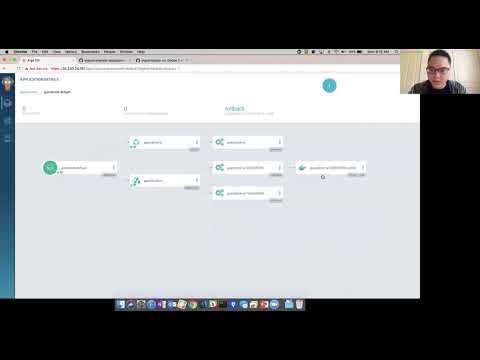](https://youtu.be/aWDIQMbp1cc?t=1m4s)
|
||||
|
||||
|
||||
|
||||
## Architecture
|
||||
|
||||

|
||||
|
||||
Argo CD is implemented as a kubernetes controller which continuously monitors running applications
|
||||
and compares the current, live state against the desired target state (as specified in the git repo).
|
||||
A deployed application whose live state deviates from the target state is considered out-of-sync.
|
||||
Argo CD reports & visualizes the differences as well as providing facilities to automatically or
|
||||
A deployed application whose live state deviates from the target state is considered `OutOfSync`.
|
||||
Argo CD reports & visualizes the differences, while providing facilities to automatically or
|
||||
manually sync the live state back to the desired target state. Any modifications made to the desired
|
||||
target state in the git repo can be automatically applied and reflected in the specified target
|
||||
environments.
|
||||
@@ -40,52 +55,23 @@ For additional details, see [architecture overview](docs/architecture.md).
|
||||
## Features
|
||||
|
||||
* Automated deployment of applications to specified target environments
|
||||
* Flexibility in support for multiple config management tools (Ksonnet, Kustomize, Helm, plain-YAML)
|
||||
* Continuous monitoring of deployed applications
|
||||
* Automated or manual syncing of applications to its target state
|
||||
* Web and CLI based visualization of applications and differences between live vs. target state
|
||||
* Automated or manual syncing of applications to its desired state
|
||||
* Web and CLI based visualization of applications and differences between live vs. desired state
|
||||
* Rollback/Roll-anywhere to any application state committed in the git repository
|
||||
|
||||
## What is ksonnet?
|
||||
|
||||
* [Jsonnet](http://jsonnet.org), the basis for ksonnet, is a domain specific configuration language,
|
||||
which provides extreme flexibility for composing and manipulating JSON/YAML specifications.
|
||||
* [Ksonnet](http://ksonnet.io) goes one step further by applying Jsonnet principles to Kubernetes
|
||||
manifests. It provides an opinionated file & directory structure to organize applications into
|
||||
reusable components, parameters, and environments. Environments can be hierarchical, which promotes
|
||||
both re-use and granular customization of application and environment specifications.
|
||||
|
||||
## Why ksonnet?
|
||||
|
||||
Application configuration management is a hard problem and grows rapidly in complexity as you deploy
|
||||
more applications, against more and more environments. Current templating systems, such as Jinja,
|
||||
and Golang templating, are unnatural ways to maintain kubernetes manifests, and are not well suited to
|
||||
capture subtle configuration differences between environments. Its ability to compose and re-use
|
||||
application and environment configurations is also very limited.
|
||||
|
||||
Imagine we have a single guestbook application deployed in following environments:
|
||||
|
||||
| Environment | K8s Version | Application Image | DB Connection String | Environment Vars | Sidecars |
|
||||
|---------------|-------------|------------------------|-----------------------|------------------|---------------|
|
||||
| minikube | 1.10.0 | jesse/guestbook:latest | sql://locahost/db | DEBUG=true | |
|
||||
| dev | 1.9.0 | app/guestbook:latest | sql://dev-test/db | DEBUG=true | |
|
||||
| staging | 1.8.0 | app/guestbook:e3c0263 | sql://staging/db | | istio,dnsmasq |
|
||||
| us-west-1 | 1.8.0 | app/guestbook:abc1234 | sql://prod/db | FOO_FEATURE=true | istio,dnsmasq |
|
||||
| us-west-2 | 1.8.0 | app/guestbook:abc1234 | sql://prod/db | | istio,dnsmasq |
|
||||
| us-east-1 | 1.9.0 | app/guestbook:abc1234 | sql://prod/db | BAR_FEATURE=true | istio,dnsmasq |
|
||||
|
||||
Ksonnet:
|
||||
* Enables composition and re-use of common YAML specifications
|
||||
* Allows overrides, additions, and subtractions of YAML sub-components specific to each environment
|
||||
* Guarantees proper generation of K8s manifests suitable for the corresponding Kubernetes API version
|
||||
* Provides [kubernetes-specific jsonnet libraries](https://github.com/ksonnet/ksonnet-lib) to enable
|
||||
concise definition of kubernetes manifests
|
||||
* Health assessment statuses on all components of the application
|
||||
* SSO Integration (OIDC, OAuth2, LDAP, SAML 2.0, GitLab, Microsoft, LinkedIn)
|
||||
* Webhook Integration (GitHub, BitBucket, GitLab)
|
||||
* PreSync, Sync, PostSync hooks to support complex application rollouts (e.g.blue/green & canary upgrades)
|
||||
* Audit trails for application events and API calls
|
||||
* Parameter overrides for overriding ksonnet/helm parameters in git
|
||||
* Service account/access key management for CI pipelines
|
||||
|
||||
## Development Status
|
||||
* Argo CD is in early development
|
||||
* Argo CD is being used in production to deploy SaaS services at Intuit
|
||||
|
||||
## Roadmap
|
||||
* PreSync, PostSync, OutOfSync hooks
|
||||
* Customized application actions as Argo workflows
|
||||
* Blue/Green & canary upgrades
|
||||
* SSO Integration
|
||||
* GitHub & Docker webhooks
|
||||
* Auto-sync toggle to directly apply git state changes to live state
|
||||
* Revamped UI, and feature parity with CLI
|
||||
* Customizable application actions
|
||||
|
||||
@@ -2,18 +2,12 @@ package main
|
||||
|
||||
import (
|
||||
"context"
|
||||
"flag"
|
||||
"fmt"
|
||||
"os"
|
||||
"strconv"
|
||||
"time"
|
||||
|
||||
argocd "github.com/argoproj/argo-cd"
|
||||
"github.com/argoproj/argo-cd/controller"
|
||||
"github.com/argoproj/argo-cd/errors"
|
||||
appclientset "github.com/argoproj/argo-cd/pkg/client/clientset/versioned"
|
||||
"github.com/argoproj/argo-cd/reposerver"
|
||||
"github.com/argoproj/argo-cd/server/cluster"
|
||||
apirepository "github.com/argoproj/argo-cd/server/repository"
|
||||
"github.com/argoproj/argo-cd/util/cli"
|
||||
log "github.com/sirupsen/logrus"
|
||||
"github.com/spf13/cobra"
|
||||
"k8s.io/client-go/kubernetes"
|
||||
@@ -23,6 +17,14 @@ import (
|
||||
_ "k8s.io/client-go/plugin/pkg/client/auth/gcp"
|
||||
// load the oidc plugin (required to authenticate with OpenID Connect).
|
||||
_ "k8s.io/client-go/plugin/pkg/client/auth/oidc"
|
||||
|
||||
"github.com/argoproj/argo-cd"
|
||||
"github.com/argoproj/argo-cd/controller"
|
||||
"github.com/argoproj/argo-cd/errors"
|
||||
appclientset "github.com/argoproj/argo-cd/pkg/client/clientset/versioned"
|
||||
"github.com/argoproj/argo-cd/reposerver"
|
||||
"github.com/argoproj/argo-cd/util/cli"
|
||||
"github.com/argoproj/argo-cd/util/stats"
|
||||
)
|
||||
|
||||
const (
|
||||
@@ -34,11 +36,13 @@ const (
|
||||
|
||||
func newCommand() *cobra.Command {
|
||||
var (
|
||||
clientConfig clientcmd.ClientConfig
|
||||
appResyncPeriod int64
|
||||
repoServerAddress string
|
||||
workers int
|
||||
logLevel string
|
||||
clientConfig clientcmd.ClientConfig
|
||||
appResyncPeriod int64
|
||||
repoServerAddress string
|
||||
statusProcessors int
|
||||
operationProcessors int
|
||||
logLevel string
|
||||
glogLevel int
|
||||
)
|
||||
var command = cobra.Command{
|
||||
Use: cliName,
|
||||
@@ -48,6 +52,11 @@ func newCommand() *cobra.Command {
|
||||
errors.CheckError(err)
|
||||
log.SetLevel(level)
|
||||
|
||||
// Set the glog level for the k8s go-client
|
||||
_ = flag.CommandLine.Parse([]string{})
|
||||
_ = flag.Lookup("logtostderr").Value.Set("true")
|
||||
_ = flag.Lookup("v").Value.Set(strconv.Itoa(glogLevel))
|
||||
|
||||
config, err := clientConfig.ClientConfig()
|
||||
errors.CheckError(err)
|
||||
|
||||
@@ -57,33 +66,26 @@ func newCommand() *cobra.Command {
|
||||
namespace, _, err := clientConfig.Namespace()
|
||||
errors.CheckError(err)
|
||||
|
||||
// TODO (amatyushentsev): Use config map to store controller configuration
|
||||
controllerConfig := controller.ApplicationControllerConfig{
|
||||
Namespace: namespace,
|
||||
InstanceID: "",
|
||||
}
|
||||
resyncDuration := time.Duration(appResyncPeriod) * time.Second
|
||||
apiRepoServer := apirepository.NewServer(namespace, kubeClient, appClient)
|
||||
apiClusterServer := cluster.NewServer(namespace, kubeClient, appClient)
|
||||
clusterService := cluster.NewServer(namespace, kubeClient, appClient)
|
||||
appComparator := controller.NewKsonnetAppComparator(clusterService)
|
||||
|
||||
repoClientset := reposerver.NewRepositoryServerClientset(repoServerAddress)
|
||||
appController := controller.NewApplicationController(
|
||||
namespace,
|
||||
kubeClient,
|
||||
appClient,
|
||||
reposerver.NewRepositoryServerClientset(repoServerAddress),
|
||||
apiRepoServer,
|
||||
apiClusterServer,
|
||||
appComparator,
|
||||
resyncDuration,
|
||||
&controllerConfig)
|
||||
repoClientset,
|
||||
resyncDuration)
|
||||
secretController := controller.NewSecretController(kubeClient, repoClientset, resyncDuration, namespace)
|
||||
|
||||
ctx, cancel := context.WithCancel(context.Background())
|
||||
defer cancel()
|
||||
|
||||
log.Infof("Application Controller (version: %s) starting (namespace: %s)", argocd.GetVersion(), namespace)
|
||||
go appController.Run(ctx, workers)
|
||||
stats.RegisterStackDumper()
|
||||
stats.StartStatsTicker(10 * time.Minute)
|
||||
stats.RegisterHeapDumper("memprofile")
|
||||
|
||||
go secretController.Run(ctx)
|
||||
go appController.Run(ctx, statusProcessors, operationProcessors)
|
||||
// Wait forever
|
||||
select {}
|
||||
},
|
||||
@@ -92,8 +94,10 @@ func newCommand() *cobra.Command {
|
||||
clientConfig = cli.AddKubectlFlagsToCmd(&command)
|
||||
command.Flags().Int64Var(&appResyncPeriod, "app-resync", defaultAppResyncPeriod, "Time period in seconds for application resync.")
|
||||
command.Flags().StringVar(&repoServerAddress, "repo-server", "localhost:8081", "Repo server address.")
|
||||
command.Flags().IntVar(&workers, "workers", 1, "Number of application workers")
|
||||
command.Flags().IntVar(&statusProcessors, "status-processors", 1, "Number of application status processors")
|
||||
command.Flags().IntVar(&operationProcessors, "operation-processors", 1, "Number of application operation processors")
|
||||
command.Flags().StringVar(&logLevel, "loglevel", "info", "Set the logging level. One of: debug|info|warn|error")
|
||||
command.Flags().IntVar(&glogLevel, "gloglevel", 0, "Set the glog logging level")
|
||||
return &command
|
||||
}
|
||||
|
||||
|
||||
@@ -4,22 +4,20 @@ import (
|
||||
"fmt"
|
||||
"net"
|
||||
"os"
|
||||
"time"
|
||||
|
||||
"github.com/argoproj/argo-cd/errors"
|
||||
"github.com/argoproj/argo-cd/util/cli"
|
||||
"github.com/argoproj/argo-cd/util/git"
|
||||
"github.com/argoproj/argo-cd/util/ksonnet"
|
||||
log "github.com/sirupsen/logrus"
|
||||
"github.com/spf13/cobra"
|
||||
"k8s.io/client-go/kubernetes"
|
||||
"k8s.io/client-go/tools/clientcmd"
|
||||
|
||||
// load the gcp plugin (required to authenticate against GKE clusters).
|
||||
_ "k8s.io/client-go/plugin/pkg/client/auth/gcp"
|
||||
// load the oidc plugin (required to authenticate with OpenID Connect).
|
||||
"github.com/argoproj/argo-cd"
|
||||
"github.com/argoproj/argo-cd/errors"
|
||||
"github.com/argoproj/argo-cd/reposerver"
|
||||
_ "k8s.io/client-go/plugin/pkg/client/auth/oidc"
|
||||
"github.com/argoproj/argo-cd/reposerver/repository"
|
||||
"github.com/argoproj/argo-cd/util/cache"
|
||||
"github.com/argoproj/argo-cd/util/git"
|
||||
"github.com/argoproj/argo-cd/util/ksonnet"
|
||||
"github.com/argoproj/argo-cd/util/stats"
|
||||
"github.com/argoproj/argo-cd/util/tls"
|
||||
)
|
||||
|
||||
const (
|
||||
@@ -30,8 +28,8 @@ const (
|
||||
|
||||
func newCommand() *cobra.Command {
|
||||
var (
|
||||
clientConfig clientcmd.ClientConfig
|
||||
logLevel string
|
||||
logLevel string
|
||||
tlsConfigCustomizerSrc func() (tls.ConfigCustomizer, error)
|
||||
)
|
||||
var command = cobra.Command{
|
||||
Use: cliName,
|
||||
@@ -41,37 +39,44 @@ func newCommand() *cobra.Command {
|
||||
errors.CheckError(err)
|
||||
log.SetLevel(level)
|
||||
|
||||
config, err := clientConfig.ClientConfig()
|
||||
tlsConfigCustomizer, err := tlsConfigCustomizerSrc()
|
||||
errors.CheckError(err)
|
||||
|
||||
namespace, _, err := clientConfig.Namespace()
|
||||
server, err := reposerver.NewServer(git.NewFactory(), newCache(), tlsConfigCustomizer)
|
||||
errors.CheckError(err)
|
||||
|
||||
kubeClientset := kubernetes.NewForConfigOrDie(config)
|
||||
|
||||
server := reposerver.NewServer(kubeClientset, namespace)
|
||||
nativeGitClient, err := git.NewNativeGitClient()
|
||||
errors.CheckError(err)
|
||||
grpc := server.CreateGRPC(nativeGitClient)
|
||||
grpc := server.CreateGRPC()
|
||||
listener, err := net.Listen("tcp", fmt.Sprintf(":%d", port))
|
||||
errors.CheckError(err)
|
||||
|
||||
ksVers, err := ksonnet.KsonnetVersion()
|
||||
errors.CheckError(err)
|
||||
|
||||
log.Infof("argocd-repo-server %s serving on %s (namespace: %s)", argocd.GetVersion(), listener.Addr(), namespace)
|
||||
log.Infof("argocd-repo-server %s serving on %s", argocd.GetVersion(), listener.Addr())
|
||||
log.Infof("ksonnet version: %s", ksVers)
|
||||
stats.RegisterStackDumper()
|
||||
stats.StartStatsTicker(10 * time.Minute)
|
||||
stats.RegisterHeapDumper("memprofile")
|
||||
err = grpc.Serve(listener)
|
||||
errors.CheckError(err)
|
||||
return nil
|
||||
},
|
||||
}
|
||||
|
||||
clientConfig = cli.AddKubectlFlagsToCmd(&command)
|
||||
command.Flags().StringVar(&logLevel, "loglevel", "info", "Set the logging level. One of: debug|info|warn|error")
|
||||
tlsConfigCustomizerSrc = tls.AddTLSFlagsToCmd(&command)
|
||||
return &command
|
||||
}
|
||||
|
||||
func newCache() cache.Cache {
|
||||
return cache.NewInMemoryCache(repository.DefaultRepoCacheExpiration)
|
||||
// client := redis.NewClient(&redis.Options{
|
||||
// Addr: "localhost:6379",
|
||||
// Password: "",
|
||||
// DB: 0,
|
||||
// })
|
||||
// return cache.NewRedisCache(client, repository.DefaultRepoCacheExpiration)
|
||||
}
|
||||
|
||||
func main() {
|
||||
if err := newCommand().Execute(); err != nil {
|
||||
fmt.Println(err)
|
||||
|
||||
@@ -1,26 +1,36 @@
|
||||
package commands
|
||||
|
||||
import (
|
||||
"context"
|
||||
"flag"
|
||||
"strconv"
|
||||
"time"
|
||||
|
||||
log "github.com/sirupsen/logrus"
|
||||
"github.com/spf13/cobra"
|
||||
"k8s.io/client-go/kubernetes"
|
||||
"k8s.io/client-go/tools/clientcmd"
|
||||
|
||||
"github.com/argoproj/argo-cd/errors"
|
||||
appclientset "github.com/argoproj/argo-cd/pkg/client/clientset/versioned"
|
||||
"github.com/argoproj/argo-cd/reposerver"
|
||||
"github.com/argoproj/argo-cd/server"
|
||||
"github.com/argoproj/argo-cd/util/cli"
|
||||
log "github.com/sirupsen/logrus"
|
||||
"github.com/spf13/cobra"
|
||||
"k8s.io/client-go/kubernetes"
|
||||
"k8s.io/client-go/tools/clientcmd"
|
||||
"github.com/argoproj/argo-cd/util/stats"
|
||||
"github.com/argoproj/argo-cd/util/tls"
|
||||
)
|
||||
|
||||
// NewCommand returns a new instance of an argocd command
|
||||
func NewCommand() *cobra.Command {
|
||||
var (
|
||||
insecure bool
|
||||
logLevel string
|
||||
clientConfig clientcmd.ClientConfig
|
||||
staticAssetsDir string
|
||||
repoServerAddress string
|
||||
disableAuth bool
|
||||
insecure bool
|
||||
logLevel string
|
||||
glogLevel int
|
||||
clientConfig clientcmd.ClientConfig
|
||||
staticAssetsDir string
|
||||
repoServerAddress string
|
||||
disableAuth bool
|
||||
tlsConfigCustomizerSrc func() (tls.ConfigCustomizer, error)
|
||||
)
|
||||
var command = &cobra.Command{
|
||||
Use: cliName,
|
||||
@@ -31,27 +41,46 @@ func NewCommand() *cobra.Command {
|
||||
errors.CheckError(err)
|
||||
log.SetLevel(level)
|
||||
|
||||
// Set the glog level for the k8s go-client
|
||||
_ = flag.CommandLine.Parse([]string{})
|
||||
_ = flag.Lookup("logtostderr").Value.Set("true")
|
||||
_ = flag.Lookup("v").Value.Set(strconv.Itoa(glogLevel))
|
||||
|
||||
config, err := clientConfig.ClientConfig()
|
||||
errors.CheckError(err)
|
||||
|
||||
namespace, _, err := clientConfig.Namespace()
|
||||
errors.CheckError(err)
|
||||
|
||||
tlsConfigCustomizer, err := tlsConfigCustomizerSrc()
|
||||
errors.CheckError(err)
|
||||
|
||||
kubeclientset := kubernetes.NewForConfigOrDie(config)
|
||||
appclientset := appclientset.NewForConfigOrDie(config)
|
||||
repoclientset := reposerver.NewRepositoryServerClientset(repoServerAddress)
|
||||
|
||||
argoCDOpts := server.ArgoCDServerOpts{
|
||||
Insecure: insecure,
|
||||
Namespace: namespace,
|
||||
StaticAssetsDir: staticAssetsDir,
|
||||
KubeClientset: kubeclientset,
|
||||
AppClientset: appclientset,
|
||||
RepoClientset: repoclientset,
|
||||
DisableAuth: disableAuth,
|
||||
Insecure: insecure,
|
||||
Namespace: namespace,
|
||||
StaticAssetsDir: staticAssetsDir,
|
||||
KubeClientset: kubeclientset,
|
||||
AppClientset: appclientset,
|
||||
RepoClientset: repoclientset,
|
||||
DisableAuth: disableAuth,
|
||||
TLSConfigCustomizer: tlsConfigCustomizer,
|
||||
}
|
||||
|
||||
stats.RegisterStackDumper()
|
||||
stats.StartStatsTicker(10 * time.Minute)
|
||||
stats.RegisterHeapDumper("memprofile")
|
||||
|
||||
for {
|
||||
argocd := server.NewServer(argoCDOpts)
|
||||
ctx := context.Background()
|
||||
ctx, cancel := context.WithCancel(ctx)
|
||||
argocd.Run(ctx, 8080)
|
||||
cancel()
|
||||
}
|
||||
argocd := server.NewServer(argoCDOpts)
|
||||
argocd.Run()
|
||||
},
|
||||
}
|
||||
|
||||
@@ -59,8 +88,10 @@ func NewCommand() *cobra.Command {
|
||||
command.Flags().BoolVar(&insecure, "insecure", false, "Run server without TLS")
|
||||
command.Flags().StringVar(&staticAssetsDir, "staticassets", "", "Static assets directory path")
|
||||
command.Flags().StringVar(&logLevel, "loglevel", "info", "Set the logging level. One of: debug|info|warn|error")
|
||||
command.Flags().IntVar(&glogLevel, "gloglevel", 0, "Set the glog logging level")
|
||||
command.Flags().StringVar(&repoServerAddress, "repo-server", "localhost:8081", "Repo server address.")
|
||||
command.Flags().BoolVar(&disableAuth, "disable-auth", false, "Disable client authentication")
|
||||
command.AddCommand(cli.NewVersionCmd(cliName))
|
||||
tlsConfigCustomizerSrc = tls.AddTLSFlagsToCmd(command)
|
||||
return command
|
||||
}
|
||||
|
||||
385
cmd/argocd-util/main.go
Normal file
@@ -0,0 +1,385 @@
|
||||
package main
|
||||
|
||||
import (
|
||||
"context"
|
||||
"fmt"
|
||||
"io/ioutil"
|
||||
"os"
|
||||
"os/exec"
|
||||
"strings"
|
||||
"syscall"
|
||||
|
||||
"github.com/argoproj/argo-cd/common"
|
||||
"github.com/argoproj/argo-cd/errors"
|
||||
"github.com/argoproj/argo-cd/pkg/apis/application/v1alpha1"
|
||||
appclientset "github.com/argoproj/argo-cd/pkg/client/clientset/versioned"
|
||||
"github.com/argoproj/argo-cd/util/cli"
|
||||
"github.com/argoproj/argo-cd/util/db"
|
||||
"github.com/argoproj/argo-cd/util/dex"
|
||||
"github.com/argoproj/argo-cd/util/settings"
|
||||
"github.com/ghodss/yaml"
|
||||
log "github.com/sirupsen/logrus"
|
||||
"github.com/spf13/cobra"
|
||||
apiv1 "k8s.io/api/core/v1"
|
||||
metav1 "k8s.io/apimachinery/pkg/apis/meta/v1"
|
||||
"k8s.io/client-go/kubernetes"
|
||||
"k8s.io/client-go/tools/clientcmd"
|
||||
|
||||
// load the gcp plugin (required to authenticate against GKE clusters).
|
||||
_ "k8s.io/client-go/plugin/pkg/client/auth/gcp"
|
||||
// load the oidc plugin (required to authenticate with OpenID Connect).
|
||||
_ "k8s.io/client-go/plugin/pkg/client/auth/oidc"
|
||||
)
|
||||
|
||||
const (
|
||||
// CLIName is the name of the CLI
|
||||
cliName = "argocd-util"
|
||||
|
||||
// YamlSeparator separates sections of a YAML file
|
||||
yamlSeparator = "\n---\n"
|
||||
)
|
||||
|
||||
// NewCommand returns a new instance of an argocd command
|
||||
func NewCommand() *cobra.Command {
|
||||
var (
|
||||
logLevel string
|
||||
)
|
||||
|
||||
var command = &cobra.Command{
|
||||
Use: cliName,
|
||||
Short: "argocd-util has internal tools used by ArgoCD",
|
||||
Run: func(c *cobra.Command, args []string) {
|
||||
c.HelpFunc()(c, args)
|
||||
},
|
||||
}
|
||||
|
||||
command.AddCommand(cli.NewVersionCmd(cliName))
|
||||
command.AddCommand(NewRunDexCommand())
|
||||
command.AddCommand(NewGenDexConfigCommand())
|
||||
command.AddCommand(NewImportCommand())
|
||||
command.AddCommand(NewExportCommand())
|
||||
command.AddCommand(NewSettingsCommand())
|
||||
|
||||
command.Flags().StringVar(&logLevel, "loglevel", "info", "Set the logging level. One of: debug|info|warn|error")
|
||||
return command
|
||||
}
|
||||
|
||||
func NewRunDexCommand() *cobra.Command {
|
||||
var (
|
||||
clientConfig clientcmd.ClientConfig
|
||||
)
|
||||
var command = cobra.Command{
|
||||
Use: "rundex",
|
||||
Short: "Runs dex generating a config using settings from the ArgoCD configmap and secret",
|
||||
RunE: func(c *cobra.Command, args []string) error {
|
||||
_, err := exec.LookPath("dex")
|
||||
errors.CheckError(err)
|
||||
config, err := clientConfig.ClientConfig()
|
||||
errors.CheckError(err)
|
||||
namespace, _, err := clientConfig.Namespace()
|
||||
errors.CheckError(err)
|
||||
kubeClientset := kubernetes.NewForConfigOrDie(config)
|
||||
settingsMgr := settings.NewSettingsManager(kubeClientset, namespace)
|
||||
settings, err := settingsMgr.GetSettings()
|
||||
errors.CheckError(err)
|
||||
ctx := context.Background()
|
||||
settingsMgr.StartNotifier(ctx, settings)
|
||||
updateCh := make(chan struct{}, 1)
|
||||
settingsMgr.Subscribe(updateCh)
|
||||
|
||||
for {
|
||||
var cmd *exec.Cmd
|
||||
dexCfgBytes, err := dex.GenerateDexConfigYAML(settings)
|
||||
errors.CheckError(err)
|
||||
if len(dexCfgBytes) == 0 {
|
||||
log.Infof("dex is not configured")
|
||||
} else {
|
||||
err = ioutil.WriteFile("/tmp/dex.yaml", dexCfgBytes, 0644)
|
||||
errors.CheckError(err)
|
||||
log.Info(string(dexCfgBytes))
|
||||
cmd = exec.Command("dex", "serve", "/tmp/dex.yaml")
|
||||
cmd.Stdout = os.Stdout
|
||||
cmd.Stderr = os.Stderr
|
||||
err = cmd.Start()
|
||||
errors.CheckError(err)
|
||||
}
|
||||
|
||||
// loop until the dex config changes
|
||||
for {
|
||||
<-updateCh
|
||||
newDexCfgBytes, err := dex.GenerateDexConfigYAML(settings)
|
||||
errors.CheckError(err)
|
||||
if string(newDexCfgBytes) != string(dexCfgBytes) {
|
||||
log.Infof("dex config modified. restarting dex")
|
||||
if cmd != nil && cmd.Process != nil {
|
||||
err = cmd.Process.Signal(syscall.SIGTERM)
|
||||
errors.CheckError(err)
|
||||
_, err = cmd.Process.Wait()
|
||||
errors.CheckError(err)
|
||||
}
|
||||
break
|
||||
} else {
|
||||
log.Infof("dex config unmodified")
|
||||
}
|
||||
}
|
||||
}
|
||||
},
|
||||
}
|
||||
|
||||
clientConfig = cli.AddKubectlFlagsToCmd(&command)
|
||||
return &command
|
||||
}
|
||||
|
||||
func NewGenDexConfigCommand() *cobra.Command {
|
||||
var (
|
||||
clientConfig clientcmd.ClientConfig
|
||||
out string
|
||||
)
|
||||
var command = cobra.Command{
|
||||
Use: "gendexcfg",
|
||||
Short: "Generates a dex config from ArgoCD settings",
|
||||
RunE: func(c *cobra.Command, args []string) error {
|
||||
config, err := clientConfig.ClientConfig()
|
||||
errors.CheckError(err)
|
||||
namespace, _, err := clientConfig.Namespace()
|
||||
errors.CheckError(err)
|
||||
kubeClientset := kubernetes.NewForConfigOrDie(config)
|
||||
settingsMgr := settings.NewSettingsManager(kubeClientset, namespace)
|
||||
settings, err := settingsMgr.GetSettings()
|
||||
errors.CheckError(err)
|
||||
dexCfgBytes, err := dex.GenerateDexConfigYAML(settings)
|
||||
errors.CheckError(err)
|
||||
if len(dexCfgBytes) == 0 {
|
||||
log.Infof("dex is not configured")
|
||||
return nil
|
||||
}
|
||||
if out == "" {
|
||||
fmt.Printf(string(dexCfgBytes))
|
||||
} else {
|
||||
err = ioutil.WriteFile(out, dexCfgBytes, 0644)
|
||||
errors.CheckError(err)
|
||||
}
|
||||
return nil
|
||||
},
|
||||
}
|
||||
|
||||
clientConfig = cli.AddKubectlFlagsToCmd(&command)
|
||||
command.Flags().StringVarP(&out, "out", "o", "", "Output to the specified file instead of stdout")
|
||||
return &command
|
||||
}
|
||||
|
||||
// NewImportCommand defines a new command for exporting Kubernetes and Argo CD resources.
|
||||
func NewImportCommand() *cobra.Command {
|
||||
var (
|
||||
clientConfig clientcmd.ClientConfig
|
||||
)
|
||||
var command = cobra.Command{
|
||||
Use: "import SOURCE",
|
||||
Short: "Import Argo CD data from stdin (specify `-') or a file",
|
||||
RunE: func(c *cobra.Command, args []string) error {
|
||||
if len(args) != 1 {
|
||||
c.HelpFunc()(c, args)
|
||||
os.Exit(1)
|
||||
}
|
||||
|
||||
var (
|
||||
input []byte
|
||||
err error
|
||||
newSettings *settings.ArgoCDSettings
|
||||
newRepos []*v1alpha1.Repository
|
||||
newClusters []*v1alpha1.Cluster
|
||||
newApps []*v1alpha1.Application
|
||||
newRBACCM *apiv1.ConfigMap
|
||||
)
|
||||
|
||||
if in := args[0]; in == "-" {
|
||||
input, err = ioutil.ReadAll(os.Stdin)
|
||||
errors.CheckError(err)
|
||||
} else {
|
||||
input, err = ioutil.ReadFile(in)
|
||||
errors.CheckError(err)
|
||||
}
|
||||
inputStrings := strings.Split(string(input), yamlSeparator)
|
||||
|
||||
err = yaml.Unmarshal([]byte(inputStrings[0]), &newSettings)
|
||||
errors.CheckError(err)
|
||||
|
||||
err = yaml.Unmarshal([]byte(inputStrings[1]), &newRepos)
|
||||
errors.CheckError(err)
|
||||
|
||||
err = yaml.Unmarshal([]byte(inputStrings[2]), &newClusters)
|
||||
errors.CheckError(err)
|
||||
|
||||
err = yaml.Unmarshal([]byte(inputStrings[3]), &newApps)
|
||||
errors.CheckError(err)
|
||||
|
||||
err = yaml.Unmarshal([]byte(inputStrings[4]), &newRBACCM)
|
||||
errors.CheckError(err)
|
||||
|
||||
config, err := clientConfig.ClientConfig()
|
||||
errors.CheckError(err)
|
||||
namespace, _, err := clientConfig.Namespace()
|
||||
errors.CheckError(err)
|
||||
kubeClientset := kubernetes.NewForConfigOrDie(config)
|
||||
|
||||
settingsMgr := settings.NewSettingsManager(kubeClientset, namespace)
|
||||
err = settingsMgr.SaveSettings(newSettings)
|
||||
errors.CheckError(err)
|
||||
db := db.NewDB(namespace, kubeClientset)
|
||||
|
||||
_, err = kubeClientset.CoreV1().ConfigMaps(namespace).Create(newRBACCM)
|
||||
errors.CheckError(err)
|
||||
|
||||
for _, repo := range newRepos {
|
||||
_, err := db.CreateRepository(context.Background(), repo)
|
||||
if err != nil {
|
||||
log.Warn(err)
|
||||
}
|
||||
}
|
||||
|
||||
for _, cluster := range newClusters {
|
||||
_, err := db.CreateCluster(context.Background(), cluster)
|
||||
if err != nil {
|
||||
log.Warn(err)
|
||||
}
|
||||
}
|
||||
|
||||
appClientset := appclientset.NewForConfigOrDie(config)
|
||||
for _, app := range newApps {
|
||||
out, err := appClientset.ArgoprojV1alpha1().Applications(namespace).Create(app)
|
||||
errors.CheckError(err)
|
||||
log.Println(out)
|
||||
}
|
||||
|
||||
return nil
|
||||
},
|
||||
}
|
||||
|
||||
clientConfig = cli.AddKubectlFlagsToCmd(&command)
|
||||
|
||||
return &command
|
||||
}
|
||||
|
||||
// NewExportCommand defines a new command for exporting Kubernetes and Argo CD resources.
|
||||
func NewExportCommand() *cobra.Command {
|
||||
var (
|
||||
clientConfig clientcmd.ClientConfig
|
||||
out string
|
||||
)
|
||||
var command = cobra.Command{
|
||||
Use: "export",
|
||||
Short: "Export all Argo CD data to stdout (default) or a file",
|
||||
RunE: func(c *cobra.Command, args []string) error {
|
||||
config, err := clientConfig.ClientConfig()
|
||||
errors.CheckError(err)
|
||||
namespace, _, err := clientConfig.Namespace()
|
||||
errors.CheckError(err)
|
||||
kubeClientset := kubernetes.NewForConfigOrDie(config)
|
||||
|
||||
settingsMgr := settings.NewSettingsManager(kubeClientset, namespace)
|
||||
settings, err := settingsMgr.GetSettings()
|
||||
errors.CheckError(err)
|
||||
// certificate data is included in secrets that are exported alongside
|
||||
settings.Certificate = nil
|
||||
|
||||
db := db.NewDB(namespace, kubeClientset)
|
||||
clusters, err := db.ListClusters(context.Background())
|
||||
errors.CheckError(err)
|
||||
|
||||
repos, err := db.ListRepositories(context.Background())
|
||||
errors.CheckError(err)
|
||||
|
||||
appClientset := appclientset.NewForConfigOrDie(config)
|
||||
apps, err := appClientset.ArgoprojV1alpha1().Applications(namespace).List(metav1.ListOptions{})
|
||||
errors.CheckError(err)
|
||||
|
||||
rbacCM, err := kubeClientset.CoreV1().ConfigMaps(namespace).Get(common.ArgoCDRBACConfigMapName, metav1.GetOptions{})
|
||||
errors.CheckError(err)
|
||||
|
||||
// remove extraneous cruft from output
|
||||
rbacCM.ObjectMeta = metav1.ObjectMeta{
|
||||
Name: rbacCM.ObjectMeta.Name,
|
||||
}
|
||||
|
||||
// remove extraneous cruft from output
|
||||
for idx, app := range apps.Items {
|
||||
apps.Items[idx].ObjectMeta = metav1.ObjectMeta{
|
||||
Name: app.ObjectMeta.Name,
|
||||
Finalizers: app.ObjectMeta.Finalizers,
|
||||
}
|
||||
apps.Items[idx].Status = v1alpha1.ApplicationStatus{
|
||||
History: app.Status.History,
|
||||
}
|
||||
apps.Items[idx].Operation = nil
|
||||
}
|
||||
|
||||
// take a list of exportable objects, marshal them to YAML,
|
||||
// and return a string joined by a delimiter
|
||||
output := func(delimiter string, oo ...interface{}) string {
|
||||
out := make([]string, 0)
|
||||
for _, o := range oo {
|
||||
data, err := yaml.Marshal(o)
|
||||
errors.CheckError(err)
|
||||
out = append(out, string(data))
|
||||
}
|
||||
return strings.Join(out, delimiter)
|
||||
}(yamlSeparator, settings, repos.Items, clusters.Items, apps.Items, rbacCM)
|
||||
|
||||
if out == "-" {
|
||||
fmt.Println(output)
|
||||
} else {
|
||||
err = ioutil.WriteFile(out, []byte(output), 0644)
|
||||
errors.CheckError(err)
|
||||
}
|
||||
return nil
|
||||
},
|
||||
}
|
||||
|
||||
clientConfig = cli.AddKubectlFlagsToCmd(&command)
|
||||
command.Flags().StringVarP(&out, "out", "o", "-", "Output to the specified file instead of stdout")
|
||||
|
||||
return &command
|
||||
}
|
||||
|
||||
// NewSettingsCommand returns a new instance of `argocd-util settings` command
|
||||
func NewSettingsCommand() *cobra.Command {
|
||||
var (
|
||||
clientConfig clientcmd.ClientConfig
|
||||
updateSuperuser bool
|
||||
superuserPassword string
|
||||
updateSignature bool
|
||||
)
|
||||
var command = &cobra.Command{
|
||||
Use: "settings",
|
||||
Short: "Creates or updates ArgoCD settings",
|
||||
Long: "Creates or updates ArgoCD settings",
|
||||
Run: func(c *cobra.Command, args []string) {
|
||||
conf, err := clientConfig.ClientConfig()
|
||||
errors.CheckError(err)
|
||||
namespace, wasSpecified, err := clientConfig.Namespace()
|
||||
errors.CheckError(err)
|
||||
if !(wasSpecified) {
|
||||
namespace = "argocd"
|
||||
}
|
||||
|
||||
kubeclientset, err := kubernetes.NewForConfig(conf)
|
||||
errors.CheckError(err)
|
||||
settingsMgr := settings.NewSettingsManager(kubeclientset, namespace)
|
||||
|
||||
_, err = settings.UpdateSettings(superuserPassword, settingsMgr, updateSignature, updateSuperuser, namespace)
|
||||
errors.CheckError(err)
|
||||
},
|
||||
}
|
||||
command.Flags().BoolVar(&updateSuperuser, "update-superuser", false, "force updating the superuser password")
|
||||
command.Flags().StringVar(&superuserPassword, "superuser-password", "", "password for super user")
|
||||
command.Flags().BoolVar(&updateSignature, "update-signature", false, "force updating the server-side token signing signature")
|
||||
clientConfig = cli.AddKubectlFlagsToCmd(command)
|
||||
return command
|
||||
}
|
||||
|
||||
func main() {
|
||||
if err := NewCommand().Execute(); err != nil {
|
||||
fmt.Println(err)
|
||||
os.Exit(1)
|
||||
}
|
||||
}
|
||||
74
cmd/argocd/commands/account.go
Normal file
@@ -0,0 +1,74 @@
|
||||
package commands
|
||||
|
||||
import (
|
||||
"context"
|
||||
"fmt"
|
||||
"os"
|
||||
"syscall"
|
||||
|
||||
"github.com/argoproj/argo-cd/errors"
|
||||
argocdclient "github.com/argoproj/argo-cd/pkg/apiclient"
|
||||
"github.com/argoproj/argo-cd/server/account"
|
||||
"github.com/argoproj/argo-cd/util"
|
||||
"github.com/argoproj/argo-cd/util/settings"
|
||||
"github.com/spf13/cobra"
|
||||
"golang.org/x/crypto/ssh/terminal"
|
||||
)
|
||||
|
||||
func NewAccountCommand(clientOpts *argocdclient.ClientOptions) *cobra.Command {
|
||||
var command = &cobra.Command{
|
||||
Use: "account",
|
||||
Short: "Manage account settings",
|
||||
Run: func(c *cobra.Command, args []string) {
|
||||
c.HelpFunc()(c, args)
|
||||
os.Exit(1)
|
||||
},
|
||||
}
|
||||
command.AddCommand(NewAccountUpdatePasswordCommand(clientOpts))
|
||||
return command
|
||||
}
|
||||
|
||||
func NewAccountUpdatePasswordCommand(clientOpts *argocdclient.ClientOptions) *cobra.Command {
|
||||
var (
|
||||
currentPassword string
|
||||
newPassword string
|
||||
)
|
||||
var command = &cobra.Command{
|
||||
Use: "update-password",
|
||||
Short: "Update password",
|
||||
Run: func(c *cobra.Command, args []string) {
|
||||
if len(args) != 0 {
|
||||
c.HelpFunc()(c, args)
|
||||
os.Exit(1)
|
||||
}
|
||||
|
||||
if currentPassword == "" {
|
||||
fmt.Print("*** Enter current password: ")
|
||||
password, err := terminal.ReadPassword(syscall.Stdin)
|
||||
errors.CheckError(err)
|
||||
currentPassword = string(password)
|
||||
fmt.Print("\n")
|
||||
}
|
||||
if newPassword == "" {
|
||||
var err error
|
||||
newPassword, err = settings.ReadAndConfirmPassword()
|
||||
errors.CheckError(err)
|
||||
}
|
||||
|
||||
updatePasswordRequest := account.UpdatePasswordRequest{
|
||||
NewPassword: newPassword,
|
||||
CurrentPassword: currentPassword,
|
||||
}
|
||||
|
||||
conn, usrIf := argocdclient.NewClientOrDie(clientOpts).NewAccountClientOrDie()
|
||||
defer util.Close(conn)
|
||||
_, err := usrIf.UpdatePassword(context.Background(), &updatePasswordRequest)
|
||||
errors.CheckError(err)
|
||||
fmt.Printf("Password updated\n")
|
||||
},
|
||||
}
|
||||
|
||||
command.Flags().StringVar(¤tPassword, "current-password", "", "current password you wish to change")
|
||||
command.Flags().StringVar(&newPassword, "new-password", "", "new password you want to update to")
|
||||
return command
|
||||
}
|
||||
@@ -18,6 +18,7 @@ import (
|
||||
"github.com/ghodss/yaml"
|
||||
log "github.com/sirupsen/logrus"
|
||||
"github.com/spf13/cobra"
|
||||
"k8s.io/client-go/kubernetes"
|
||||
"k8s.io/client-go/rest"
|
||||
"k8s.io/client-go/tools/clientcmd"
|
||||
)
|
||||
@@ -42,6 +43,12 @@ func NewClusterCommand(clientOpts *argocdclient.ClientOptions, pathOpts *clientc
|
||||
|
||||
// NewClusterAddCommand returns a new instance of an `argocd cluster add` command
|
||||
func NewClusterAddCommand(clientOpts *argocdclient.ClientOptions, pathOpts *clientcmd.PathOptions) *cobra.Command {
|
||||
var (
|
||||
inCluster bool
|
||||
upsert bool
|
||||
awsRoleArn string
|
||||
awsClusterName string
|
||||
)
|
||||
var command = &cobra.Command{
|
||||
Use: "add",
|
||||
Short: fmt.Sprintf("%s cluster add CONTEXT", cliName),
|
||||
@@ -58,6 +65,7 @@ func NewClusterAddCommand(clientOpts *argocdclient.ClientOptions, pathOpts *clie
|
||||
if clstContext == nil {
|
||||
log.Fatalf("Context %s does not exist in kubeconfig", args[0])
|
||||
}
|
||||
|
||||
overrides := clientcmd.ConfigOverrides{
|
||||
Context: *clstContext,
|
||||
}
|
||||
@@ -65,18 +73,40 @@ func NewClusterAddCommand(clientOpts *argocdclient.ClientOptions, pathOpts *clie
|
||||
conf, err := clientConfig.ClientConfig()
|
||||
errors.CheckError(err)
|
||||
|
||||
// Install RBAC resources for managing the cluster
|
||||
managerBearerToken := common.InstallClusterManagerRBAC(conf)
|
||||
|
||||
managerBearerToken := ""
|
||||
var awsAuthConf *argoappv1.AWSAuthConfig
|
||||
if awsClusterName != "" {
|
||||
awsAuthConf = &argoappv1.AWSAuthConfig{
|
||||
ClusterName: awsClusterName,
|
||||
RoleARN: awsRoleArn,
|
||||
}
|
||||
} else {
|
||||
// Install RBAC resources for managing the cluster
|
||||
clientset, err := kubernetes.NewForConfig(conf)
|
||||
errors.CheckError(err)
|
||||
managerBearerToken, err = common.InstallClusterManagerRBAC(clientset)
|
||||
errors.CheckError(err)
|
||||
}
|
||||
conn, clusterIf := argocdclient.NewClientOrDie(clientOpts).NewClusterClientOrDie()
|
||||
defer util.Close(conn)
|
||||
clst := NewCluster(args[0], conf, managerBearerToken)
|
||||
clst, err = clusterIf.Create(context.Background(), clst)
|
||||
clst := NewCluster(args[0], conf, managerBearerToken, awsAuthConf)
|
||||
if inCluster {
|
||||
clst.Server = common.KubernetesInternalAPIServerAddr
|
||||
}
|
||||
clstCreateReq := cluster.ClusterCreateRequest{
|
||||
Cluster: clst,
|
||||
Upsert: upsert,
|
||||
}
|
||||
clst, err = clusterIf.Create(context.Background(), &clstCreateReq)
|
||||
errors.CheckError(err)
|
||||
fmt.Printf("Cluster '%s' added\n", clst.Name)
|
||||
},
|
||||
}
|
||||
command.PersistentFlags().StringVar(&pathOpts.LoadingRules.ExplicitPath, pathOpts.ExplicitFileFlag, pathOpts.LoadingRules.ExplicitPath, "use a particular kubeconfig file")
|
||||
command.Flags().BoolVar(&inCluster, "in-cluster", false, "Indicates ArgoCD resides inside this cluster and should connect using the internal k8s hostname (kubernetes.default.svc)")
|
||||
command.Flags().BoolVar(&upsert, "upsert", false, "Override an existing cluster with the same name even if the spec differs")
|
||||
command.Flags().StringVar(&awsClusterName, "aws-cluster-name", "", "AWS Cluster name if set then aws-iam-authenticator will be used to access cluster")
|
||||
command.Flags().StringVar(&awsRoleArn, "aws-role-arn", "", "Optional AWS role arn. If set then AWS IAM Authenticator assume a role to perform cluster operations instead of the default AWS credential provider chain.")
|
||||
return command
|
||||
}
|
||||
|
||||
@@ -96,9 +126,20 @@ func printKubeContexts(ca clientcmd.ConfigAccess) {
|
||||
}
|
||||
sort.Strings(contextNames)
|
||||
|
||||
if config.Clusters == nil {
|
||||
return
|
||||
}
|
||||
|
||||
for _, name := range contextNames {
|
||||
// ignore malformed kube config entries
|
||||
context := config.Contexts[name]
|
||||
if context == nil {
|
||||
continue
|
||||
}
|
||||
cluster := config.Clusters[context.Cluster]
|
||||
if cluster == nil {
|
||||
continue
|
||||
}
|
||||
prefix := " "
|
||||
if config.CurrentContext == name {
|
||||
prefix = "*"
|
||||
@@ -108,7 +149,7 @@ func printKubeContexts(ca clientcmd.ConfigAccess) {
|
||||
}
|
||||
}
|
||||
|
||||
func NewCluster(name string, conf *rest.Config, managerBearerToken string) *argoappv1.Cluster {
|
||||
func NewCluster(name string, conf *rest.Config, managerBearerToken string, awsAuthConf *argoappv1.AWSAuthConfig) *argoappv1.Cluster {
|
||||
tlsClientConfig := argoappv1.TLSClientConfig{
|
||||
Insecure: conf.TLSClientConfig.Insecure,
|
||||
ServerName: conf.TLSClientConfig.ServerName,
|
||||
@@ -137,6 +178,7 @@ func NewCluster(name string, conf *rest.Config, managerBearerToken string) *argo
|
||||
Config: argoappv1.ClusterConfig{
|
||||
BearerToken: managerBearerToken,
|
||||
TLSClientConfig: tlsClientConfig,
|
||||
AWSAuthConfig: awsAuthConf,
|
||||
},
|
||||
}
|
||||
return &clst
|
||||
@@ -178,9 +220,14 @@ func NewClusterRemoveCommand(clientOpts *argocdclient.ClientOptions) *cobra.Comm
|
||||
}
|
||||
conn, clusterIf := argocdclient.NewClientOrDie(clientOpts).NewClusterClientOrDie()
|
||||
defer util.Close(conn)
|
||||
|
||||
// clientset, err := kubernetes.NewForConfig(conf)
|
||||
// errors.CheckError(err)
|
||||
|
||||
for _, clusterName := range args {
|
||||
// TODO(jessesuen): find the right context and remove manager RBAC artifacts
|
||||
// common.UninstallClusterManagerRBAC(conf)
|
||||
// err := common.UninstallClusterManagerRBAC(clientset)
|
||||
// errors.CheckError(err)
|
||||
_, err := clusterIf.Delete(context.Background(), &cluster.ClusterQuery{Server: clusterName})
|
||||
errors.CheckError(err)
|
||||
}
|
||||
@@ -200,9 +247,9 @@ func NewClusterListCommand(clientOpts *argocdclient.ClientOptions) *cobra.Comman
|
||||
clusters, err := clusterIf.List(context.Background(), &cluster.ClusterQuery{})
|
||||
errors.CheckError(err)
|
||||
w := tabwriter.NewWriter(os.Stdout, 0, 0, 2, ' ', 0)
|
||||
fmt.Fprintf(w, "SERVER\tNAME\n")
|
||||
fmt.Fprintf(w, "SERVER\tNAME\tSTATUS\tMESSAGE\n")
|
||||
for _, c := range clusters.Items {
|
||||
fmt.Fprintf(w, "%s\t%s\n", c.Server, c.Name)
|
||||
fmt.Fprintf(w, "%s\t%s\t%s\t%s\n", c.Server, c.Name, c.ConnectionState.Status, c.ConnectionState.Message)
|
||||
}
|
||||
_ = w.Flush()
|
||||
},
|
||||
|
||||
@@ -1,46 +0,0 @@
|
||||
package commands
|
||||
|
||||
import (
|
||||
"github.com/argoproj/argo-cd/errors"
|
||||
"github.com/argoproj/argo-cd/install"
|
||||
"github.com/argoproj/argo-cd/util/cli"
|
||||
"github.com/spf13/cobra"
|
||||
"k8s.io/client-go/tools/clientcmd"
|
||||
)
|
||||
|
||||
// NewInstallCommand returns a new instance of `argocd install` command
|
||||
func NewInstallCommand() *cobra.Command {
|
||||
var (
|
||||
clientConfig clientcmd.ClientConfig
|
||||
installOpts install.InstallOptions
|
||||
)
|
||||
var command = &cobra.Command{
|
||||
Use: "install",
|
||||
Short: "Install Argo CD",
|
||||
Long: "Install Argo CD",
|
||||
Run: func(c *cobra.Command, args []string) {
|
||||
conf, err := clientConfig.ClientConfig()
|
||||
errors.CheckError(err)
|
||||
namespace, wasSpecified, err := clientConfig.Namespace()
|
||||
errors.CheckError(err)
|
||||
if wasSpecified {
|
||||
installOpts.Namespace = namespace
|
||||
}
|
||||
installer, err := install.NewInstaller(conf, installOpts)
|
||||
errors.CheckError(err)
|
||||
installer.Install()
|
||||
},
|
||||
}
|
||||
command.Flags().BoolVar(&installOpts.Upgrade, "upgrade", false, "upgrade controller/ui deployments and configmap if already installed")
|
||||
command.Flags().BoolVar(&installOpts.DryRun, "dry-run", false, "print the kubernetes manifests to stdout instead of installing")
|
||||
command.Flags().BoolVar(&installOpts.ConfigSuperuser, "config-superuser", false, "create or update a superuser username and password")
|
||||
command.Flags().BoolVar(&installOpts.CreateSignature, "create-signature", false, "create or update the server-side token signing signature")
|
||||
command.Flags().StringVar(&installOpts.ConfigMap, "config-map", "", "apply settings from a Kubernetes config map")
|
||||
command.Flags().StringVar(&installOpts.ControllerImage, "controller-image", install.DefaultControllerImage, "use a specified controller image")
|
||||
command.Flags().StringVar(&installOpts.ServerImage, "server-image", install.DefaultServerImage, "use a specified api server image")
|
||||
command.Flags().StringVar(&installOpts.UIImage, "ui-image", install.DefaultUIImage, "use a specified ui image")
|
||||
command.Flags().StringVar(&installOpts.RepoServerImage, "repo-server-image", install.DefaultRepoServerImage, "use a specified repo server image")
|
||||
command.Flags().StringVar(&installOpts.ImagePullPolicy, "image-pull-policy", "", "set the image pull policy of the pod specs")
|
||||
clientConfig = cli.AddKubectlFlagsToCmd(command)
|
||||
return command
|
||||
}
|
||||
@@ -1,28 +1,38 @@
|
||||
package commands
|
||||
|
||||
import (
|
||||
"bufio"
|
||||
"context"
|
||||
"crypto/tls"
|
||||
"fmt"
|
||||
"net"
|
||||
"net/http"
|
||||
"os"
|
||||
"strings"
|
||||
"strconv"
|
||||
"time"
|
||||
|
||||
"github.com/argoproj/argo-cd/common"
|
||||
"github.com/argoproj/argo-cd/errors"
|
||||
argocdclient "github.com/argoproj/argo-cd/pkg/apiclient"
|
||||
"github.com/argoproj/argo-cd/server/session"
|
||||
"github.com/argoproj/argo-cd/server/settings"
|
||||
"github.com/argoproj/argo-cd/util"
|
||||
"github.com/argoproj/argo-cd/util/cli"
|
||||
grpc_util "github.com/argoproj/argo-cd/util/grpc"
|
||||
"github.com/argoproj/argo-cd/util/localconfig"
|
||||
jwt "github.com/dgrijalva/jwt-go"
|
||||
log "github.com/sirupsen/logrus"
|
||||
"github.com/skratchdot/open-golang/open"
|
||||
"github.com/spf13/cobra"
|
||||
"golang.org/x/oauth2"
|
||||
)
|
||||
|
||||
// NewLoginCommand returns a new instance of `argocd login` command
|
||||
func NewLoginCommand(globalClientOpts *argocdclient.ClientOptions) *cobra.Command {
|
||||
var (
|
||||
name string
|
||||
ctxName string
|
||||
username string
|
||||
password string
|
||||
sso bool
|
||||
)
|
||||
var command = &cobra.Command{
|
||||
Use: "login SERVER",
|
||||
@@ -38,35 +48,55 @@ func NewLoginCommand(globalClientOpts *argocdclient.ClientOptions) *cobra.Comman
|
||||
errors.CheckError(err)
|
||||
if !tlsTestResult.TLS {
|
||||
if !globalClientOpts.PlainText {
|
||||
askToProceed("WARNING: server is not configured with TLS. Proceed (y/n)? ")
|
||||
if !cli.AskToProceed("WARNING: server is not configured with TLS. Proceed (y/n)? ") {
|
||||
os.Exit(1)
|
||||
}
|
||||
globalClientOpts.PlainText = true
|
||||
}
|
||||
} else if tlsTestResult.InsecureErr != nil {
|
||||
if !globalClientOpts.Insecure {
|
||||
askToProceed(fmt.Sprintf("WARNING: server certificate had error: %s. Proceed insecurely (y/n)? ", tlsTestResult.InsecureErr))
|
||||
if !cli.AskToProceed(fmt.Sprintf("WARNING: server certificate had error: %s. Proceed insecurely (y/n)? ", tlsTestResult.InsecureErr)) {
|
||||
os.Exit(1)
|
||||
}
|
||||
globalClientOpts.Insecure = true
|
||||
}
|
||||
}
|
||||
|
||||
username, password = cli.PromptCredentials(username, password)
|
||||
|
||||
clientOpts := argocdclient.ClientOptions{
|
||||
ConfigPath: "",
|
||||
ServerAddr: server,
|
||||
Insecure: globalClientOpts.Insecure,
|
||||
PlainText: globalClientOpts.PlainText,
|
||||
}
|
||||
conn, sessionIf := argocdclient.NewClientOrDie(&clientOpts).NewSessionClientOrDie()
|
||||
defer util.Close(conn)
|
||||
acdClient := argocdclient.NewClientOrDie(&clientOpts)
|
||||
setConn, setIf := acdClient.NewSettingsClientOrDie()
|
||||
defer util.Close(setConn)
|
||||
|
||||
sessionRequest := session.SessionCreateRequest{
|
||||
Username: username,
|
||||
Password: password,
|
||||
if ctxName == "" {
|
||||
ctxName = server
|
||||
}
|
||||
createdSession, err := sessionIf.Create(context.Background(), &sessionRequest)
|
||||
errors.CheckError(err)
|
||||
fmt.Printf("user %q logged in successfully\n", username)
|
||||
|
||||
// Perform the login
|
||||
var tokenString string
|
||||
var refreshToken string
|
||||
if !sso {
|
||||
tokenString = passwordLogin(acdClient, username, password)
|
||||
} else {
|
||||
acdSet, err := setIf.Get(context.Background(), &settings.SettingsQuery{})
|
||||
errors.CheckError(err)
|
||||
if !ssoConfigured(acdSet) {
|
||||
log.Fatalf("ArgoCD instance is not configured with SSO")
|
||||
}
|
||||
tokenString, refreshToken = oauth2Login(server, clientOpts.PlainText)
|
||||
}
|
||||
|
||||
parser := &jwt.Parser{
|
||||
SkipClaimsValidation: true,
|
||||
}
|
||||
claims := jwt.MapClaims{}
|
||||
_, _, err = parser.ParseUnverified(tokenString, &claims)
|
||||
errors.CheckError(err)
|
||||
|
||||
fmt.Printf("'%s' logged in successfully\n", userDisplayName(claims))
|
||||
// login successful. Persist the config
|
||||
localCfg, err := localconfig.ReadLocalConfig(globalClientOpts.ConfigPath)
|
||||
errors.CheckError(err)
|
||||
@@ -79,46 +109,154 @@ func NewLoginCommand(globalClientOpts *argocdclient.ClientOptions) *cobra.Comman
|
||||
Insecure: globalClientOpts.Insecure,
|
||||
})
|
||||
localCfg.UpsertUser(localconfig.User{
|
||||
Name: server,
|
||||
AuthToken: createdSession.Token,
|
||||
Name: ctxName,
|
||||
AuthToken: tokenString,
|
||||
RefreshToken: refreshToken,
|
||||
})
|
||||
if name == "" {
|
||||
name = server
|
||||
if ctxName == "" {
|
||||
ctxName = server
|
||||
}
|
||||
localCfg.CurrentContext = name
|
||||
localCfg.CurrentContext = ctxName
|
||||
localCfg.UpsertContext(localconfig.ContextRef{
|
||||
Name: name,
|
||||
User: server,
|
||||
Name: ctxName,
|
||||
User: ctxName,
|
||||
Server: server,
|
||||
})
|
||||
|
||||
err = localconfig.WriteLocalConfig(*localCfg, globalClientOpts.ConfigPath)
|
||||
errors.CheckError(err)
|
||||
|
||||
fmt.Printf("Context '%s' updated\n", ctxName)
|
||||
},
|
||||
}
|
||||
command.Flags().StringVar(&name, "name", "", "name to use for the context")
|
||||
command.Flags().StringVar(&ctxName, "name", "", "name to use for the context")
|
||||
command.Flags().StringVar(&username, "username", "", "the username of an account to authenticate")
|
||||
command.Flags().StringVar(&password, "password", "", "the password of an account to authenticate")
|
||||
command.Flags().BoolVar(&sso, "sso", false, "Perform SSO login")
|
||||
return command
|
||||
}
|
||||
|
||||
func askToProceed(message string) {
|
||||
proceed := ""
|
||||
acceptedAnswers := map[string]bool{
|
||||
"y": true,
|
||||
"yes": true,
|
||||
"n": true,
|
||||
"no": true,
|
||||
func userDisplayName(claims jwt.MapClaims) string {
|
||||
if email, ok := claims["email"]; ok && email != nil {
|
||||
return email.(string)
|
||||
}
|
||||
for !acceptedAnswers[proceed] {
|
||||
fmt.Print(message)
|
||||
reader := bufio.NewReader(os.Stdin)
|
||||
proceedRaw, err := reader.ReadString('\n')
|
||||
errors.CheckError(err)
|
||||
proceed = strings.TrimSpace(proceedRaw)
|
||||
}
|
||||
if proceed == "no" || proceed == "n" {
|
||||
os.Exit(1)
|
||||
if name, ok := claims["name"]; ok && name != nil {
|
||||
return name.(string)
|
||||
}
|
||||
return claims["sub"].(string)
|
||||
}
|
||||
|
||||
func ssoConfigured(set *settings.Settings) bool {
|
||||
return set.DexConfig != nil && len(set.DexConfig.Connectors) > 0
|
||||
}
|
||||
|
||||
// getFreePort asks the kernel for a free open port that is ready to use.
|
||||
func getFreePort() (int, error) {
|
||||
ln, err := net.Listen("tcp", "[::]:0")
|
||||
if err != nil {
|
||||
return 0, err
|
||||
}
|
||||
return ln.Addr().(*net.TCPAddr).Port, ln.Close()
|
||||
}
|
||||
|
||||
// oauth2Login opens a browser, runs a temporary HTTP server to delegate OAuth2 login flow and
|
||||
// returns the JWT token and a refresh token (if supported)
|
||||
func oauth2Login(host string, plaintext bool) (string, string) {
|
||||
ctx := context.Background()
|
||||
port, err := getFreePort()
|
||||
errors.CheckError(err)
|
||||
var scheme = "https"
|
||||
if plaintext {
|
||||
scheme = "http"
|
||||
}
|
||||
conf := &oauth2.Config{
|
||||
ClientID: common.ArgoCDCLIClientAppID,
|
||||
Scopes: []string{"openid", "profile", "email", "groups", "offline_access"},
|
||||
Endpoint: oauth2.Endpoint{
|
||||
AuthURL: fmt.Sprintf("%s://%s%s/auth", scheme, host, common.DexAPIEndpoint),
|
||||
TokenURL: fmt.Sprintf("%s://%s%s/token", scheme, host, common.DexAPIEndpoint),
|
||||
},
|
||||
RedirectURL: fmt.Sprintf("http://localhost:%d/auth/callback", port),
|
||||
}
|
||||
srv := &http.Server{Addr: ":" + strconv.Itoa(port)}
|
||||
var tokenString string
|
||||
var refreshToken string
|
||||
loginCompleted := make(chan struct{})
|
||||
|
||||
callbackHandler := func(w http.ResponseWriter, r *http.Request) {
|
||||
defer func() {
|
||||
loginCompleted <- struct{}{}
|
||||
}()
|
||||
|
||||
// Authorization redirect callback from OAuth2 auth flow.
|
||||
if errMsg := r.FormValue("error"); errMsg != "" {
|
||||
http.Error(w, errMsg+": "+r.FormValue("error_description"), http.StatusBadRequest)
|
||||
log.Fatal(errMsg)
|
||||
return
|
||||
}
|
||||
code := r.FormValue("code")
|
||||
if code == "" {
|
||||
errMsg := fmt.Sprintf("no code in request: %q", r.Form)
|
||||
http.Error(w, errMsg, http.StatusBadRequest)
|
||||
log.Fatal(errMsg)
|
||||
return
|
||||
}
|
||||
tok, err := conf.Exchange(ctx, code)
|
||||
errors.CheckError(err)
|
||||
log.Info("Authentication successful")
|
||||
|
||||
var ok bool
|
||||
tokenString, ok = tok.Extra("id_token").(string)
|
||||
if !ok {
|
||||
errMsg := "no id_token in token response"
|
||||
http.Error(w, errMsg, http.StatusInternalServerError)
|
||||
log.Fatal(errMsg)
|
||||
return
|
||||
}
|
||||
refreshToken, _ = tok.Extra("refresh_token").(string)
|
||||
log.Debugf("Token: %s", tokenString)
|
||||
log.Debugf("Refresh Token: %s", tokenString)
|
||||
successPage := `
|
||||
<div style="height:100px; width:100%!; display:flex; flex-direction: column; justify-content: center; align-items:center; background-color:#2ecc71; color:white; font-size:22"><div>Authentication successful!</div></div>
|
||||
<p style="margin-top:20px; font-size:18; text-align:center">Authentication was successful, you can now return to CLI. This page will close automatically</p>
|
||||
<script>window.onload=function(){setTimeout(this.close, 4000)}</script>
|
||||
`
|
||||
fmt.Fprintf(w, successPage)
|
||||
}
|
||||
http.HandleFunc("/auth/callback", callbackHandler)
|
||||
|
||||
// add transport for self-signed certificate to context
|
||||
sslcli := &http.Client{
|
||||
Transport: &http.Transport{
|
||||
TLSClientConfig: &tls.Config{InsecureSkipVerify: true},
|
||||
},
|
||||
}
|
||||
ctx = context.WithValue(ctx, oauth2.HTTPClient, sslcli)
|
||||
|
||||
// Redirect user to login & consent page to ask for permission for the scopes specified above.
|
||||
log.Info("Opening browser for authentication")
|
||||
url := conf.AuthCodeURL("state", oauth2.AccessTypeOffline)
|
||||
log.Infof("Authentication URL: %s", url)
|
||||
time.Sleep(1 * time.Second)
|
||||
err = open.Run(url)
|
||||
errors.CheckError(err)
|
||||
go func() {
|
||||
if err := srv.ListenAndServe(); err != http.ErrServerClosed {
|
||||
log.Fatalf("listen: %s\n", err)
|
||||
}
|
||||
}()
|
||||
<-loginCompleted
|
||||
_ = srv.Shutdown(ctx)
|
||||
return tokenString, refreshToken
|
||||
}
|
||||
|
||||
func passwordLogin(acdClient argocdclient.Client, username, password string) string {
|
||||
username, password = cli.PromptCredentials(username, password)
|
||||
sessConn, sessionIf := acdClient.NewSessionClientOrDie()
|
||||
defer util.Close(sessConn)
|
||||
sessionRequest := session.SessionCreateRequest{
|
||||
Username: username,
|
||||
Password: password,
|
||||
}
|
||||
createdSession, err := sessionIf.Create(context.Background(), &sessionRequest)
|
||||
errors.CheckError(err)
|
||||
return createdSession.Token
|
||||
}
|
||||
|
||||
790
cmd/argocd/commands/project.go
Normal file
@@ -0,0 +1,790 @@
|
||||
package commands
|
||||
|
||||
import (
|
||||
"context"
|
||||
"fmt"
|
||||
"os"
|
||||
"strconv"
|
||||
"strings"
|
||||
"text/tabwriter"
|
||||
"time"
|
||||
|
||||
timeutil "github.com/argoproj/pkg/time"
|
||||
"github.com/dustin/go-humanize"
|
||||
log "github.com/sirupsen/logrus"
|
||||
"github.com/spf13/cobra"
|
||||
"github.com/spf13/pflag"
|
||||
"k8s.io/apimachinery/pkg/apis/meta/v1"
|
||||
|
||||
"github.com/argoproj/argo-cd/errors"
|
||||
argocdclient "github.com/argoproj/argo-cd/pkg/apiclient"
|
||||
"github.com/argoproj/argo-cd/pkg/apis/application/v1alpha1"
|
||||
"github.com/argoproj/argo-cd/server/project"
|
||||
"github.com/argoproj/argo-cd/util"
|
||||
"github.com/argoproj/argo-cd/util/git"
|
||||
projectutil "github.com/argoproj/argo-cd/util/project"
|
||||
)
|
||||
|
||||
const (
|
||||
policyTemplate = "p, proj:%s:%s, applications, %s, %s/%s, %s"
|
||||
)
|
||||
|
||||
type projectOpts struct {
|
||||
description string
|
||||
destinations []string
|
||||
sources []string
|
||||
}
|
||||
|
||||
type policyOpts struct {
|
||||
action string
|
||||
permission string
|
||||
object string
|
||||
}
|
||||
|
||||
func (opts *projectOpts) GetDestinations() []v1alpha1.ApplicationDestination {
|
||||
destinations := make([]v1alpha1.ApplicationDestination, 0)
|
||||
for _, destStr := range opts.destinations {
|
||||
parts := strings.Split(destStr, ",")
|
||||
if len(parts) != 2 {
|
||||
log.Fatalf("Expected destination of the form: server,namespace. Received: %s", destStr)
|
||||
} else {
|
||||
destinations = append(destinations, v1alpha1.ApplicationDestination{
|
||||
Server: parts[0],
|
||||
Namespace: parts[1],
|
||||
})
|
||||
}
|
||||
}
|
||||
return destinations
|
||||
}
|
||||
|
||||
// NewProjectCommand returns a new instance of an `argocd proj` command
|
||||
func NewProjectCommand(clientOpts *argocdclient.ClientOptions) *cobra.Command {
|
||||
var command = &cobra.Command{
|
||||
Use: "proj",
|
||||
Short: "Manage projects",
|
||||
Run: func(c *cobra.Command, args []string) {
|
||||
c.HelpFunc()(c, args)
|
||||
os.Exit(1)
|
||||
},
|
||||
}
|
||||
command.AddCommand(NewProjectRoleCommand(clientOpts))
|
||||
command.AddCommand(NewProjectCreateCommand(clientOpts))
|
||||
command.AddCommand(NewProjectDeleteCommand(clientOpts))
|
||||
command.AddCommand(NewProjectListCommand(clientOpts))
|
||||
command.AddCommand(NewProjectSetCommand(clientOpts))
|
||||
command.AddCommand(NewProjectAddDestinationCommand(clientOpts))
|
||||
command.AddCommand(NewProjectRemoveDestinationCommand(clientOpts))
|
||||
command.AddCommand(NewProjectAddSourceCommand(clientOpts))
|
||||
command.AddCommand(NewProjectRemoveSourceCommand(clientOpts))
|
||||
command.AddCommand(NewProjectAllowClusterResourceCommand(clientOpts))
|
||||
command.AddCommand(NewProjectDenyClusterResourceCommand(clientOpts))
|
||||
command.AddCommand(NewProjectAllowNamespaceResourceCommand(clientOpts))
|
||||
command.AddCommand(NewProjectDenyNamespaceResourceCommand(clientOpts))
|
||||
return command
|
||||
}
|
||||
|
||||
func addProjFlags(command *cobra.Command, opts *projectOpts) {
|
||||
command.Flags().StringVarP(&opts.description, "description", "", "", "Project description")
|
||||
command.Flags().StringArrayVarP(&opts.destinations, "dest", "d", []string{},
|
||||
"Permitted destination server and namespace (e.g. https://192.168.99.100:8443,default)")
|
||||
command.Flags().StringArrayVarP(&opts.sources, "src", "s", []string{}, "Permitted git source repository URL")
|
||||
}
|
||||
|
||||
func addPolicyFlags(command *cobra.Command, opts *policyOpts) {
|
||||
command.Flags().StringVarP(&opts.action, "action", "a", "", "Action to grant/deny permission on (e.g. get, create, list, update, delete)")
|
||||
command.Flags().StringVarP(&opts.permission, "permission", "p", "allow", "Whether to allow or deny access to object with the action. This can only be 'allow' or 'deny'")
|
||||
command.Flags().StringVarP(&opts.object, "object", "o", "", "Object within the project to grant/deny access. Use '*' for a wildcard. Will want access to '<project>/<object>'")
|
||||
}
|
||||
|
||||
// NewProjectRoleCommand returns a new instance of the `argocd proj role` command
|
||||
func NewProjectRoleCommand(clientOpts *argocdclient.ClientOptions) *cobra.Command {
|
||||
roleCommand := &cobra.Command{
|
||||
Use: "role",
|
||||
Short: "Manage a project's roles",
|
||||
Run: func(c *cobra.Command, args []string) {
|
||||
c.HelpFunc()(c, args)
|
||||
os.Exit(1)
|
||||
},
|
||||
}
|
||||
roleCommand.AddCommand(NewProjectRoleListCommand(clientOpts))
|
||||
roleCommand.AddCommand(NewProjectRoleGetCommand(clientOpts))
|
||||
roleCommand.AddCommand(NewProjectRoleCreateCommand(clientOpts))
|
||||
roleCommand.AddCommand(NewProjectRoleDeleteCommand(clientOpts))
|
||||
roleCommand.AddCommand(NewProjectRoleCreateTokenCommand(clientOpts))
|
||||
roleCommand.AddCommand(NewProjectRoleDeleteTokenCommand(clientOpts))
|
||||
roleCommand.AddCommand(NewProjectRoleAddPolicyCommand(clientOpts))
|
||||
roleCommand.AddCommand(NewProjectRoleRemovePolicyCommand(clientOpts))
|
||||
return roleCommand
|
||||
}
|
||||
|
||||
// NewProjectRoleAddPolicyCommand returns a new instance of an `argocd proj role add-policy` command
|
||||
func NewProjectRoleAddPolicyCommand(clientOpts *argocdclient.ClientOptions) *cobra.Command {
|
||||
var (
|
||||
opts policyOpts
|
||||
)
|
||||
var command = &cobra.Command{
|
||||
Use: "add-policy PROJECT ROLE-NAME",
|
||||
Short: "Add a policy to a project role",
|
||||
Run: func(c *cobra.Command, args []string) {
|
||||
if len(args) != 2 {
|
||||
c.HelpFunc()(c, args)
|
||||
os.Exit(1)
|
||||
}
|
||||
if len(opts.action) <= 0 {
|
||||
log.Fatal("Action needs to longer than 0 characters")
|
||||
}
|
||||
if len(opts.object) <= 0 {
|
||||
log.Fatal("Objects needs to longer than 0 characters")
|
||||
|
||||
}
|
||||
|
||||
projName := args[0]
|
||||
roleName := args[1]
|
||||
conn, projIf := argocdclient.NewClientOrDie(clientOpts).NewProjectClientOrDie()
|
||||
defer util.Close(conn)
|
||||
|
||||
proj, err := projIf.Get(context.Background(), &project.ProjectQuery{Name: projName})
|
||||
errors.CheckError(err)
|
||||
|
||||
roleIndex, err := projectutil.GetRoleIndexByName(proj, roleName)
|
||||
if err != nil {
|
||||
log.Fatal(err)
|
||||
}
|
||||
role := proj.Spec.Roles[roleIndex]
|
||||
|
||||
policy := fmt.Sprintf(policyTemplate, proj.Name, role.Name, opts.action, proj.Name, opts.object, opts.permission)
|
||||
proj.Spec.Roles[roleIndex].Policies = append(role.Policies, policy)
|
||||
|
||||
_, err = projIf.Update(context.Background(), &project.ProjectUpdateRequest{Project: proj})
|
||||
errors.CheckError(err)
|
||||
},
|
||||
}
|
||||
addPolicyFlags(command, &opts)
|
||||
return command
|
||||
}
|
||||
|
||||
// NewProjectRoleRemovePolicyCommand returns a new instance of an `argocd proj role remove-policy` command
|
||||
func NewProjectRoleRemovePolicyCommand(clientOpts *argocdclient.ClientOptions) *cobra.Command {
|
||||
var (
|
||||
opts policyOpts
|
||||
)
|
||||
var command = &cobra.Command{
|
||||
Use: "remove-policy PROJECT ROLE-NAME",
|
||||
Short: "Remove a policy from a role within a project",
|
||||
Run: func(c *cobra.Command, args []string) {
|
||||
if len(args) != 2 {
|
||||
c.HelpFunc()(c, args)
|
||||
os.Exit(1)
|
||||
}
|
||||
if opts.permission != "allow" && opts.permission != "deny" {
|
||||
log.Fatal("Permission flag can only have the values 'allow' or 'deny'")
|
||||
}
|
||||
|
||||
if len(opts.action) <= 0 {
|
||||
log.Fatal("Action needs to longer than 0 characters")
|
||||
}
|
||||
if len(opts.object) <= 0 {
|
||||
log.Fatal("Objects needs to longer than 0 characters")
|
||||
|
||||
}
|
||||
|
||||
projName := args[0]
|
||||
roleName := args[1]
|
||||
conn, projIf := argocdclient.NewClientOrDie(clientOpts).NewProjectClientOrDie()
|
||||
defer util.Close(conn)
|
||||
|
||||
proj, err := projIf.Get(context.Background(), &project.ProjectQuery{Name: projName})
|
||||
errors.CheckError(err)
|
||||
|
||||
roleIndex, err := projectutil.GetRoleIndexByName(proj, roleName)
|
||||
if err != nil {
|
||||
log.Fatal(err)
|
||||
}
|
||||
role := proj.Spec.Roles[roleIndex]
|
||||
|
||||
policyToRemove := fmt.Sprintf(policyTemplate, proj.Name, role.Name, opts.action, proj.Name, opts.object, opts.permission)
|
||||
duplicateIndex := -1
|
||||
for i, policy := range role.Policies {
|
||||
if policy == policyToRemove {
|
||||
duplicateIndex = i
|
||||
break
|
||||
}
|
||||
}
|
||||
if duplicateIndex < 0 {
|
||||
return
|
||||
}
|
||||
role.Policies[duplicateIndex] = role.Policies[len(role.Policies)-1]
|
||||
proj.Spec.Roles[roleIndex].Policies = role.Policies[:len(role.Policies)-1]
|
||||
_, err = projIf.Update(context.Background(), &project.ProjectUpdateRequest{Project: proj})
|
||||
errors.CheckError(err)
|
||||
},
|
||||
}
|
||||
addPolicyFlags(command, &opts)
|
||||
return command
|
||||
}
|
||||
|
||||
// NewProjectRoleCreateCommand returns a new instance of an `argocd proj role create` command
|
||||
func NewProjectRoleCreateCommand(clientOpts *argocdclient.ClientOptions) *cobra.Command {
|
||||
var (
|
||||
description string
|
||||
)
|
||||
var command = &cobra.Command{
|
||||
Use: "create PROJECT ROLE-NAME",
|
||||
Short: "Create a project role",
|
||||
Run: func(c *cobra.Command, args []string) {
|
||||
if len(args) != 2 {
|
||||
c.HelpFunc()(c, args)
|
||||
os.Exit(1)
|
||||
}
|
||||
projName := args[0]
|
||||
roleName := args[1]
|
||||
conn, projIf := argocdclient.NewClientOrDie(clientOpts).NewProjectClientOrDie()
|
||||
defer util.Close(conn)
|
||||
|
||||
proj, err := projIf.Get(context.Background(), &project.ProjectQuery{Name: projName})
|
||||
errors.CheckError(err)
|
||||
|
||||
_, err = projectutil.GetRoleIndexByName(proj, roleName)
|
||||
if err == nil {
|
||||
return
|
||||
}
|
||||
proj.Spec.Roles = append(proj.Spec.Roles, v1alpha1.ProjectRole{Name: roleName, Description: description})
|
||||
|
||||
_, err = projIf.Update(context.Background(), &project.ProjectUpdateRequest{Project: proj})
|
||||
errors.CheckError(err)
|
||||
},
|
||||
}
|
||||
command.Flags().StringVarP(&description, "description", "", "", "Project description")
|
||||
return command
|
||||
}
|
||||
|
||||
// NewProjectRoleDeleteCommand returns a new instance of an `argocd proj role delete` command
|
||||
func NewProjectRoleDeleteCommand(clientOpts *argocdclient.ClientOptions) *cobra.Command {
|
||||
var command = &cobra.Command{
|
||||
Use: "delete PROJECT ROLE-NAME",
|
||||
Short: "Delete a project role",
|
||||
Run: func(c *cobra.Command, args []string) {
|
||||
if len(args) != 2 {
|
||||
c.HelpFunc()(c, args)
|
||||
os.Exit(1)
|
||||
}
|
||||
projName := args[0]
|
||||
roleName := args[1]
|
||||
conn, projIf := argocdclient.NewClientOrDie(clientOpts).NewProjectClientOrDie()
|
||||
defer util.Close(conn)
|
||||
|
||||
proj, err := projIf.Get(context.Background(), &project.ProjectQuery{Name: projName})
|
||||
errors.CheckError(err)
|
||||
|
||||
index, err := projectutil.GetRoleIndexByName(proj, roleName)
|
||||
if err != nil {
|
||||
return
|
||||
}
|
||||
proj.Spec.Roles[index] = proj.Spec.Roles[len(proj.Spec.Roles)-1]
|
||||
proj.Spec.Roles = proj.Spec.Roles[:len(proj.Spec.Roles)-1]
|
||||
|
||||
_, err = projIf.Update(context.Background(), &project.ProjectUpdateRequest{Project: proj})
|
||||
errors.CheckError(err)
|
||||
},
|
||||
}
|
||||
return command
|
||||
}
|
||||
|
||||
// NewProjectRoleCreateTokenCommand returns a new instance of an `argocd proj role create-token` command
|
||||
func NewProjectRoleCreateTokenCommand(clientOpts *argocdclient.ClientOptions) *cobra.Command {
|
||||
var (
|
||||
expiresIn string
|
||||
)
|
||||
var command = &cobra.Command{
|
||||
Use: "create-token PROJECT ROLE-NAME",
|
||||
Short: "Create a project token",
|
||||
Run: func(c *cobra.Command, args []string) {
|
||||
if len(args) != 2 {
|
||||
c.HelpFunc()(c, args)
|
||||
os.Exit(1)
|
||||
}
|
||||
projName := args[0]
|
||||
roleName := args[1]
|
||||
conn, projIf := argocdclient.NewClientOrDie(clientOpts).NewProjectClientOrDie()
|
||||
defer util.Close(conn)
|
||||
duration, err := timeutil.ParseDuration(expiresIn)
|
||||
errors.CheckError(err)
|
||||
token, err := projIf.CreateToken(context.Background(), &project.ProjectTokenCreateRequest{Project: projName, Role: roleName, ExpiresIn: int64(duration.Seconds())})
|
||||
errors.CheckError(err)
|
||||
fmt.Println(token.Token)
|
||||
},
|
||||
}
|
||||
command.Flags().StringVarP(&expiresIn, "expires-in", "e", "0s", "Duration before the token will expire. (Default: No expiration)")
|
||||
|
||||
return command
|
||||
}
|
||||
|
||||
// NewProjectRoleDeleteTokenCommand returns a new instance of an `argocd proj role delete-token` command
|
||||
func NewProjectRoleDeleteTokenCommand(clientOpts *argocdclient.ClientOptions) *cobra.Command {
|
||||
var command = &cobra.Command{
|
||||
Use: "delete-token PROJECT ROLE-NAME ISSUED-AT",
|
||||
Short: "Delete a project token",
|
||||
Run: func(c *cobra.Command, args []string) {
|
||||
if len(args) != 3 {
|
||||
c.HelpFunc()(c, args)
|
||||
os.Exit(1)
|
||||
}
|
||||
projName := args[0]
|
||||
roleName := args[1]
|
||||
issuedAt, err := strconv.ParseInt(args[2], 10, 64)
|
||||
if err != nil {
|
||||
log.Fatal(err)
|
||||
}
|
||||
|
||||
conn, projIf := argocdclient.NewClientOrDie(clientOpts).NewProjectClientOrDie()
|
||||
defer util.Close(conn)
|
||||
|
||||
_, err = projIf.DeleteToken(context.Background(), &project.ProjectTokenDeleteRequest{Project: projName, Role: roleName, Iat: issuedAt})
|
||||
errors.CheckError(err)
|
||||
},
|
||||
}
|
||||
return command
|
||||
}
|
||||
|
||||
// NewProjectRoleListCommand returns a new instance of an `argocd proj roles list` command
|
||||
func NewProjectRoleListCommand(clientOpts *argocdclient.ClientOptions) *cobra.Command {
|
||||
var command = &cobra.Command{
|
||||
Use: "list PROJECT",
|
||||
Short: "List all the roles in a project",
|
||||
Run: func(c *cobra.Command, args []string) {
|
||||
if len(args) != 1 {
|
||||
c.HelpFunc()(c, args)
|
||||
os.Exit(1)
|
||||
}
|
||||
projName := args[0]
|
||||
conn, projIf := argocdclient.NewClientOrDie(clientOpts).NewProjectClientOrDie()
|
||||
defer util.Close(conn)
|
||||
|
||||
project, err := projIf.Get(context.Background(), &project.ProjectQuery{Name: projName})
|
||||
errors.CheckError(err)
|
||||
w := tabwriter.NewWriter(os.Stdout, 0, 0, 2, ' ', 0)
|
||||
fmt.Fprintf(w, "ROLE-NAME\tDESCRIPTION\n")
|
||||
for _, role := range project.Spec.Roles {
|
||||
fmt.Fprintf(w, "%s\t%s\n", role.Name, role.Description)
|
||||
}
|
||||
_ = w.Flush()
|
||||
},
|
||||
}
|
||||
return command
|
||||
}
|
||||
|
||||
// NewProjectRoleGetCommand returns a new instance of an `argocd proj roles get` command
|
||||
func NewProjectRoleGetCommand(clientOpts *argocdclient.ClientOptions) *cobra.Command {
|
||||
var command = &cobra.Command{
|
||||
Use: "get PROJECT ROLE-NAME",
|
||||
Short: "Get the details of a specific role",
|
||||
Run: func(c *cobra.Command, args []string) {
|
||||
if len(args) != 2 {
|
||||
c.HelpFunc()(c, args)
|
||||
os.Exit(1)
|
||||
}
|
||||
projName := args[0]
|
||||
roleName := args[1]
|
||||
conn, projIf := argocdclient.NewClientOrDie(clientOpts).NewProjectClientOrDie()
|
||||
defer util.Close(conn)
|
||||
|
||||
project, err := projIf.Get(context.Background(), &project.ProjectQuery{Name: projName})
|
||||
errors.CheckError(err)
|
||||
|
||||
index, err := projectutil.GetRoleIndexByName(project, roleName)
|
||||
errors.CheckError(err)
|
||||
role := project.Spec.Roles[index]
|
||||
|
||||
printRoleFmtStr := "%-15s%s\n"
|
||||
fmt.Printf(printRoleFmtStr, "Role Name:", roleName)
|
||||
fmt.Printf(printRoleFmtStr, "Description:", role.Description)
|
||||
fmt.Printf("Policies:\n")
|
||||
fmt.Printf("%s\n", project.ProjectPoliciesString())
|
||||
fmt.Printf("JWT Tokens:\n")
|
||||
w := tabwriter.NewWriter(os.Stdout, 0, 0, 2, ' ', 0)
|
||||
fmt.Fprintf(w, "ID\tISSUED-AT\tEXPIRES-AT\n")
|
||||
for _, token := range role.JWTTokens {
|
||||
expiresAt := "<none>"
|
||||
if token.ExpiresAt > 0 {
|
||||
expiresAt = humanizeTimestamp(token.ExpiresAt)
|
||||
}
|
||||
fmt.Fprintf(w, "%d\t%s\t%s\n", token.IssuedAt, humanizeTimestamp(token.IssuedAt), expiresAt)
|
||||
}
|
||||
_ = w.Flush()
|
||||
},
|
||||
}
|
||||
return command
|
||||
}
|
||||
|
||||
func humanizeTimestamp(epoch int64) string {
|
||||
ts := time.Unix(epoch, 0)
|
||||
return fmt.Sprintf("%s (%s)", ts.Format(time.RFC3339), humanize.Time(ts))
|
||||
}
|
||||
|
||||
// NewProjectCreateCommand returns a new instance of an `argocd proj create` command
|
||||
func NewProjectCreateCommand(clientOpts *argocdclient.ClientOptions) *cobra.Command {
|
||||
var (
|
||||
opts projectOpts
|
||||
)
|
||||
var command = &cobra.Command{
|
||||
Use: "create PROJECT",
|
||||
Short: "Create a project",
|
||||
Run: func(c *cobra.Command, args []string) {
|
||||
if len(args) == 0 {
|
||||
c.HelpFunc()(c, args)
|
||||
os.Exit(1)
|
||||
}
|
||||
projName := args[0]
|
||||
proj := v1alpha1.AppProject{
|
||||
ObjectMeta: v1.ObjectMeta{Name: projName},
|
||||
Spec: v1alpha1.AppProjectSpec{
|
||||
Description: opts.description,
|
||||
Destinations: opts.GetDestinations(),
|
||||
SourceRepos: opts.sources,
|
||||
},
|
||||
}
|
||||
conn, projIf := argocdclient.NewClientOrDie(clientOpts).NewProjectClientOrDie()
|
||||
defer util.Close(conn)
|
||||
|
||||
_, err := projIf.Create(context.Background(), &project.ProjectCreateRequest{Project: &proj})
|
||||
errors.CheckError(err)
|
||||
},
|
||||
}
|
||||
addProjFlags(command, &opts)
|
||||
return command
|
||||
}
|
||||
|
||||
// NewProjectSetCommand returns a new instance of an `argocd proj set` command
|
||||
func NewProjectSetCommand(clientOpts *argocdclient.ClientOptions) *cobra.Command {
|
||||
var (
|
||||
opts projectOpts
|
||||
)
|
||||
var command = &cobra.Command{
|
||||
Use: "set PROJECT",
|
||||
Short: "Set project parameters",
|
||||
Run: func(c *cobra.Command, args []string) {
|
||||
if len(args) == 0 {
|
||||
c.HelpFunc()(c, args)
|
||||
os.Exit(1)
|
||||
}
|
||||
projName := args[0]
|
||||
conn, projIf := argocdclient.NewClientOrDie(clientOpts).NewProjectClientOrDie()
|
||||
defer util.Close(conn)
|
||||
|
||||
proj, err := projIf.Get(context.Background(), &project.ProjectQuery{Name: projName})
|
||||
errors.CheckError(err)
|
||||
|
||||
visited := 0
|
||||
c.Flags().Visit(func(f *pflag.Flag) {
|
||||
visited++
|
||||
switch f.Name {
|
||||
case "description":
|
||||
proj.Spec.Description = opts.description
|
||||
case "dest":
|
||||
proj.Spec.Destinations = opts.GetDestinations()
|
||||
case "src":
|
||||
proj.Spec.SourceRepos = opts.sources
|
||||
}
|
||||
})
|
||||
if visited == 0 {
|
||||
log.Error("Please set at least one option to update")
|
||||
c.HelpFunc()(c, args)
|
||||
os.Exit(1)
|
||||
}
|
||||
|
||||
_, err = projIf.Update(context.Background(), &project.ProjectUpdateRequest{Project: proj})
|
||||
errors.CheckError(err)
|
||||
},
|
||||
}
|
||||
addProjFlags(command, &opts)
|
||||
return command
|
||||
}
|
||||
|
||||
// NewProjectAddDestinationCommand returns a new instance of an `argocd proj add-destination` command
|
||||
func NewProjectAddDestinationCommand(clientOpts *argocdclient.ClientOptions) *cobra.Command {
|
||||
var command = &cobra.Command{
|
||||
Use: "add-destination PROJECT SERVER NAMESPACE",
|
||||
Short: "Add project destination",
|
||||
Run: func(c *cobra.Command, args []string) {
|
||||
if len(args) != 3 {
|
||||
c.HelpFunc()(c, args)
|
||||
os.Exit(1)
|
||||
}
|
||||
projName := args[0]
|
||||
server := args[1]
|
||||
namespace := args[2]
|
||||
conn, projIf := argocdclient.NewClientOrDie(clientOpts).NewProjectClientOrDie()
|
||||
defer util.Close(conn)
|
||||
|
||||
proj, err := projIf.Get(context.Background(), &project.ProjectQuery{Name: projName})
|
||||
errors.CheckError(err)
|
||||
|
||||
for _, dest := range proj.Spec.Destinations {
|
||||
if dest.Namespace == namespace && dest.Server == server {
|
||||
log.Fatal("Specified destination is already defined in project")
|
||||
}
|
||||
}
|
||||
proj.Spec.Destinations = append(proj.Spec.Destinations, v1alpha1.ApplicationDestination{Server: server, Namespace: namespace})
|
||||
_, err = projIf.Update(context.Background(), &project.ProjectUpdateRequest{Project: proj})
|
||||
errors.CheckError(err)
|
||||
},
|
||||
}
|
||||
return command
|
||||
}
|
||||
|
||||
// NewProjectRemoveDestinationCommand returns a new instance of an `argocd proj remove-destination` command
|
||||
func NewProjectRemoveDestinationCommand(clientOpts *argocdclient.ClientOptions) *cobra.Command {
|
||||
var command = &cobra.Command{
|
||||
Use: "remove-destination PROJECT SERVER NAMESPACE",
|
||||
Short: "Remove project destination",
|
||||
Run: func(c *cobra.Command, args []string) {
|
||||
if len(args) != 3 {
|
||||
c.HelpFunc()(c, args)
|
||||
os.Exit(1)
|
||||
}
|
||||
projName := args[0]
|
||||
server := args[1]
|
||||
namespace := args[2]
|
||||
conn, projIf := argocdclient.NewClientOrDie(clientOpts).NewProjectClientOrDie()
|
||||
defer util.Close(conn)
|
||||
|
||||
proj, err := projIf.Get(context.Background(), &project.ProjectQuery{Name: projName})
|
||||
errors.CheckError(err)
|
||||
|
||||
index := -1
|
||||
for i, dest := range proj.Spec.Destinations {
|
||||
if dest.Namespace == namespace && dest.Server == server {
|
||||
index = i
|
||||
break
|
||||
}
|
||||
}
|
||||
if index == -1 {
|
||||
log.Fatal("Specified destination does not exist in project")
|
||||
} else {
|
||||
proj.Spec.Destinations = append(proj.Spec.Destinations[:index], proj.Spec.Destinations[index+1:]...)
|
||||
_, err = projIf.Update(context.Background(), &project.ProjectUpdateRequest{Project: proj})
|
||||
errors.CheckError(err)
|
||||
}
|
||||
},
|
||||
}
|
||||
|
||||
return command
|
||||
}
|
||||
|
||||
// NewProjectAddSourceCommand returns a new instance of an `argocd proj add-src` command
|
||||
func NewProjectAddSourceCommand(clientOpts *argocdclient.ClientOptions) *cobra.Command {
|
||||
var command = &cobra.Command{
|
||||
Use: "add-source PROJECT URL",
|
||||
Short: "Add project source repository",
|
||||
Run: func(c *cobra.Command, args []string) {
|
||||
if len(args) != 2 {
|
||||
c.HelpFunc()(c, args)
|
||||
os.Exit(1)
|
||||
}
|
||||
projName := args[0]
|
||||
url := args[1]
|
||||
conn, projIf := argocdclient.NewClientOrDie(clientOpts).NewProjectClientOrDie()
|
||||
defer util.Close(conn)
|
||||
|
||||
proj, err := projIf.Get(context.Background(), &project.ProjectQuery{Name: projName})
|
||||
errors.CheckError(err)
|
||||
|
||||
for _, item := range proj.Spec.SourceRepos {
|
||||
if item == "*" && item == url {
|
||||
log.Info("Wildcard source repository is already defined in project")
|
||||
return
|
||||
}
|
||||
if item == git.NormalizeGitURL(url) {
|
||||
log.Info("Specified source repository is already defined in project")
|
||||
return
|
||||
}
|
||||
}
|
||||
proj.Spec.SourceRepos = append(proj.Spec.SourceRepos, url)
|
||||
_, err = projIf.Update(context.Background(), &project.ProjectUpdateRequest{Project: proj})
|
||||
errors.CheckError(err)
|
||||
},
|
||||
}
|
||||
return command
|
||||
}
|
||||
|
||||
func modifyProjectResourceCmd(cmdUse, cmdDesc string, clientOpts *argocdclient.ClientOptions, action func(proj *v1alpha1.AppProject, group string, kind string) bool) *cobra.Command {
|
||||
return &cobra.Command{
|
||||
Use: cmdUse,
|
||||
Short: cmdDesc,
|
||||
Run: func(c *cobra.Command, args []string) {
|
||||
if len(args) != 3 {
|
||||
c.HelpFunc()(c, args)
|
||||
os.Exit(1)
|
||||
}
|
||||
projName, group, kind := args[0], args[1], args[2]
|
||||
conn, projIf := argocdclient.NewClientOrDie(clientOpts).NewProjectClientOrDie()
|
||||
defer util.Close(conn)
|
||||
|
||||
proj, err := projIf.Get(context.Background(), &project.ProjectQuery{Name: projName})
|
||||
errors.CheckError(err)
|
||||
|
||||
if action(proj, group, kind) {
|
||||
_, err = projIf.Update(context.Background(), &project.ProjectUpdateRequest{Project: proj})
|
||||
errors.CheckError(err)
|
||||
}
|
||||
},
|
||||
}
|
||||
}
|
||||
|
||||
// NewProjectAllowNamespaceResourceCommand returns a new instance of an `deny-cluster-resources` command
|
||||
func NewProjectAllowNamespaceResourceCommand(clientOpts *argocdclient.ClientOptions) *cobra.Command {
|
||||
use := "allow-namespace-resource PROJECT group kind"
|
||||
desc := "Removes namespaced resource from black list"
|
||||
return modifyProjectResourceCmd(use, desc, clientOpts, func(proj *v1alpha1.AppProject, group string, kind string) bool {
|
||||
index := -1
|
||||
for i, item := range proj.Spec.NamespaceResourceBlacklist {
|
||||
if item.Group == group && item.Kind == kind {
|
||||
index = i
|
||||
break
|
||||
}
|
||||
}
|
||||
if index == -1 {
|
||||
log.Info("Specified cluster resource is not blacklisted")
|
||||
return false
|
||||
}
|
||||
proj.Spec.NamespaceResourceBlacklist = append(proj.Spec.NamespaceResourceBlacklist[:index], proj.Spec.NamespaceResourceBlacklist[index+1:]...)
|
||||
return true
|
||||
})
|
||||
}
|
||||
|
||||
// NewProjectDenyNamespaceResourceCommand returns a new instance of an `argocd proj deny-namespace-resource` command
|
||||
func NewProjectDenyNamespaceResourceCommand(clientOpts *argocdclient.ClientOptions) *cobra.Command {
|
||||
use := "deny-namespace-resource PROJECT group kind"
|
||||
desc := "Adds namespaced resource to black list"
|
||||
return modifyProjectResourceCmd(use, desc, clientOpts, func(proj *v1alpha1.AppProject, group string, kind string) bool {
|
||||
for _, item := range proj.Spec.NamespaceResourceBlacklist {
|
||||
if item.Group == group && item.Kind == kind {
|
||||
log.Infof("Group '%s' and kind '%s' are already blacklisted in project", item.Group, item.Kind)
|
||||
return false
|
||||
}
|
||||
}
|
||||
proj.Spec.NamespaceResourceBlacklist = append(proj.Spec.NamespaceResourceBlacklist, v1.GroupKind{Group: group, Kind: kind})
|
||||
return true
|
||||
})
|
||||
}
|
||||
|
||||
// NewProjectDenyClusterResourceCommand returns a new instance of an `deny-cluster-resource` command
|
||||
func NewProjectDenyClusterResourceCommand(clientOpts *argocdclient.ClientOptions) *cobra.Command {
|
||||
use := "deny-cluster-resource PROJECT group kind"
|
||||
desc := "Adds cluster wide resource to white list"
|
||||
return modifyProjectResourceCmd(use, desc, clientOpts, func(proj *v1alpha1.AppProject, group string, kind string) bool {
|
||||
index := -1
|
||||
for i, item := range proj.Spec.ClusterResourceWhitelist {
|
||||
if item.Group == group && item.Kind == kind {
|
||||
index = i
|
||||
break
|
||||
}
|
||||
}
|
||||
if index == -1 {
|
||||
log.Info("Specified cluster resource already denied in project")
|
||||
return false
|
||||
}
|
||||
proj.Spec.ClusterResourceWhitelist = append(proj.Spec.ClusterResourceWhitelist[:index], proj.Spec.ClusterResourceWhitelist[index+1:]...)
|
||||
return true
|
||||
})
|
||||
}
|
||||
|
||||
// NewProjectAllowClusterResourceCommand returns a new instance of an `argocd proj allow-cluster-resource` command
|
||||
func NewProjectAllowClusterResourceCommand(clientOpts *argocdclient.ClientOptions) *cobra.Command {
|
||||
use := "allow-cluster-resource PROJECT group kind"
|
||||
desc := "Removed cluster wide resource from white list"
|
||||
return modifyProjectResourceCmd(use, desc, clientOpts, func(proj *v1alpha1.AppProject, group string, kind string) bool {
|
||||
for _, item := range proj.Spec.ClusterResourceWhitelist {
|
||||
if item.Group == group && item.Kind == kind {
|
||||
log.Infof("Group '%s' and kind '%s' are already whitelisted in project", item.Group, item.Kind)
|
||||
return false
|
||||
}
|
||||
}
|
||||
proj.Spec.ClusterResourceWhitelist = append(proj.Spec.ClusterResourceWhitelist, v1.GroupKind{Group: group, Kind: kind})
|
||||
return true
|
||||
})
|
||||
}
|
||||
|
||||
// NewProjectRemoveSourceCommand returns a new instance of an `argocd proj remove-src` command
|
||||
func NewProjectRemoveSourceCommand(clientOpts *argocdclient.ClientOptions) *cobra.Command {
|
||||
var command = &cobra.Command{
|
||||
Use: "remove-source PROJECT URL",
|
||||
Short: "Remove project source repository",
|
||||
Run: func(c *cobra.Command, args []string) {
|
||||
if len(args) != 2 {
|
||||
c.HelpFunc()(c, args)
|
||||
os.Exit(1)
|
||||
}
|
||||
projName := args[0]
|
||||
url := args[1]
|
||||
conn, projIf := argocdclient.NewClientOrDie(clientOpts).NewProjectClientOrDie()
|
||||
defer util.Close(conn)
|
||||
|
||||
proj, err := projIf.Get(context.Background(), &project.ProjectQuery{Name: projName})
|
||||
errors.CheckError(err)
|
||||
|
||||
index := -1
|
||||
for i, item := range proj.Spec.SourceRepos {
|
||||
if item == "*" && item == url {
|
||||
index = i
|
||||
break
|
||||
}
|
||||
if item == git.NormalizeGitURL(url) {
|
||||
index = i
|
||||
break
|
||||
}
|
||||
}
|
||||
if index == -1 {
|
||||
log.Info("Specified source repository does not exist in project")
|
||||
} else {
|
||||
proj.Spec.SourceRepos = append(proj.Spec.SourceRepos[:index], proj.Spec.SourceRepos[index+1:]...)
|
||||
_, err = projIf.Update(context.Background(), &project.ProjectUpdateRequest{Project: proj})
|
||||
errors.CheckError(err)
|
||||
}
|
||||
},
|
||||
}
|
||||
|
||||
return command
|
||||
}
|
||||
|
||||
// NewProjectDeleteCommand returns a new instance of an `argocd proj delete` command
|
||||
func NewProjectDeleteCommand(clientOpts *argocdclient.ClientOptions) *cobra.Command {
|
||||
var command = &cobra.Command{
|
||||
Use: "delete PROJECT",
|
||||
Short: "Delete project",
|
||||
Run: func(c *cobra.Command, args []string) {
|
||||
if len(args) == 0 {
|
||||
c.HelpFunc()(c, args)
|
||||
os.Exit(1)
|
||||
}
|
||||
conn, projIf := argocdclient.NewClientOrDie(clientOpts).NewProjectClientOrDie()
|
||||
defer util.Close(conn)
|
||||
for _, name := range args {
|
||||
_, err := projIf.Delete(context.Background(), &project.ProjectQuery{Name: name})
|
||||
errors.CheckError(err)
|
||||
}
|
||||
},
|
||||
}
|
||||
return command
|
||||
}
|
||||
|
||||
// NewProjectListCommand returns a new instance of an `argocd proj list` command
|
||||
func NewProjectListCommand(clientOpts *argocdclient.ClientOptions) *cobra.Command {
|
||||
var command = &cobra.Command{
|
||||
Use: "list",
|
||||
Short: "List projects",
|
||||
Run: func(c *cobra.Command, args []string) {
|
||||
conn, projIf := argocdclient.NewClientOrDie(clientOpts).NewProjectClientOrDie()
|
||||
defer util.Close(conn)
|
||||
projects, err := projIf.List(context.Background(), &project.ProjectQuery{})
|
||||
errors.CheckError(err)
|
||||
w := tabwriter.NewWriter(os.Stdout, 0, 0, 2, ' ', 0)
|
||||
fmt.Fprintf(w, "NAME\tDESCRIPTION\tDESTINATIONS\tSOURCES\tCLUSTER-RESOURCE-WHITELIST\tNAMESPACE-RESOURCE-BLACKLIST\n")
|
||||
for _, p := range projects.Items {
|
||||
fmt.Fprintf(w, "%s\t%s\t%v\t%v\t%v\t%v\n", p.Name, p.Spec.Description, p.Spec.Destinations, p.Spec.SourceRepos, p.Spec.ClusterResourceWhitelist, p.Spec.NamespaceResourceBlacklist)
|
||||
}
|
||||
_ = w.Flush()
|
||||
},
|
||||
}
|
||||
return command
|
||||
}
|
||||
75
cmd/argocd/commands/relogin.go
Normal file
@@ -0,0 +1,75 @@
|
||||
package commands
|
||||
|
||||
import (
|
||||
"fmt"
|
||||
"os"
|
||||
|
||||
jwt "github.com/dgrijalva/jwt-go"
|
||||
log "github.com/sirupsen/logrus"
|
||||
"github.com/spf13/cobra"
|
||||
|
||||
"github.com/argoproj/argo-cd/errors"
|
||||
argocdclient "github.com/argoproj/argo-cd/pkg/apiclient"
|
||||
"github.com/argoproj/argo-cd/util/localconfig"
|
||||
"github.com/argoproj/argo-cd/util/session"
|
||||
)
|
||||
|
||||
// NewReloginCommand returns a new instance of `argocd relogin` command
|
||||
func NewReloginCommand(globalClientOpts *argocdclient.ClientOptions) *cobra.Command {
|
||||
var (
|
||||
password string
|
||||
)
|
||||
var command = &cobra.Command{
|
||||
Use: "relogin",
|
||||
Short: "Refresh an expired authenticate token",
|
||||
Long: "Refresh an expired authenticate token",
|
||||
Run: func(c *cobra.Command, args []string) {
|
||||
if len(args) != 0 {
|
||||
c.HelpFunc()(c, args)
|
||||
os.Exit(1)
|
||||
}
|
||||
localCfg, err := localconfig.ReadLocalConfig(globalClientOpts.ConfigPath)
|
||||
errors.CheckError(err)
|
||||
if localCfg == nil {
|
||||
log.Fatalf("No context found. Login using `argocd login`")
|
||||
}
|
||||
configCtx, err := localCfg.ResolveContext(localCfg.CurrentContext)
|
||||
errors.CheckError(err)
|
||||
|
||||
parser := &jwt.Parser{
|
||||
SkipClaimsValidation: true,
|
||||
}
|
||||
claims := jwt.StandardClaims{}
|
||||
_, _, err = parser.ParseUnverified(configCtx.User.AuthToken, &claims)
|
||||
errors.CheckError(err)
|
||||
|
||||
var tokenString string
|
||||
var refreshToken string
|
||||
if claims.Issuer == session.SessionManagerClaimsIssuer {
|
||||
clientOpts := argocdclient.ClientOptions{
|
||||
ConfigPath: "",
|
||||
ServerAddr: configCtx.Server.Server,
|
||||
Insecure: configCtx.Server.Insecure,
|
||||
PlainText: configCtx.Server.PlainText,
|
||||
}
|
||||
acdClient := argocdclient.NewClientOrDie(&clientOpts)
|
||||
fmt.Printf("Relogging in as '%s'\n", claims.Subject)
|
||||
tokenString = passwordLogin(acdClient, claims.Subject, password)
|
||||
} else {
|
||||
fmt.Println("Reinitiating SSO login")
|
||||
tokenString, refreshToken = oauth2Login(configCtx.Server.Server, configCtx.Server.PlainText)
|
||||
}
|
||||
|
||||
localCfg.UpsertUser(localconfig.User{
|
||||
Name: localCfg.CurrentContext,
|
||||
AuthToken: tokenString,
|
||||
RefreshToken: refreshToken,
|
||||
})
|
||||
err = localconfig.WriteLocalConfig(*localCfg, globalClientOpts.ConfigPath)
|
||||
errors.CheckError(err)
|
||||
fmt.Printf("Context '%s' updated\n", localCfg.CurrentContext)
|
||||
},
|
||||
}
|
||||
command.Flags().StringVar(&password, "password", "", "the password of an account to authenticate")
|
||||
return command
|
||||
}
|
||||
@@ -7,6 +7,9 @@ import (
|
||||
"os"
|
||||
"text/tabwriter"
|
||||
|
||||
log "github.com/sirupsen/logrus"
|
||||
"github.com/spf13/cobra"
|
||||
|
||||
"github.com/argoproj/argo-cd/errors"
|
||||
argocdclient "github.com/argoproj/argo-cd/pkg/apiclient"
|
||||
appsv1 "github.com/argoproj/argo-cd/pkg/apis/application/v1alpha1"
|
||||
@@ -14,8 +17,6 @@ import (
|
||||
"github.com/argoproj/argo-cd/util"
|
||||
"github.com/argoproj/argo-cd/util/cli"
|
||||
"github.com/argoproj/argo-cd/util/git"
|
||||
log "github.com/sirupsen/logrus"
|
||||
"github.com/spf13/cobra"
|
||||
)
|
||||
|
||||
// NewRepoCommand returns a new instance of an `argocd repo` command
|
||||
@@ -39,10 +40,11 @@ func NewRepoCommand(clientOpts *argocdclient.ClientOptions) *cobra.Command {
|
||||
func NewRepoAddCommand(clientOpts *argocdclient.ClientOptions) *cobra.Command {
|
||||
var (
|
||||
repo appsv1.Repository
|
||||
upsert bool
|
||||
sshPrivateKeyPath string
|
||||
)
|
||||
var command = &cobra.Command{
|
||||
Use: "add",
|
||||
Use: "add REPO",
|
||||
Short: "Add git repository credentials",
|
||||
Run: func(c *cobra.Command, args []string) {
|
||||
if len(args) != 1 {
|
||||
@@ -57,34 +59,43 @@ func NewRepoAddCommand(clientOpts *argocdclient.ClientOptions) *cobra.Command {
|
||||
}
|
||||
repo.SSHPrivateKey = string(keyData)
|
||||
}
|
||||
err := git.TestRepo(repo.Repo, repo.Username, repo.Password, repo.SSHPrivateKey)
|
||||
// First test the repo *without* username/password. This gives us a hint on whether this
|
||||
// is a private repo.
|
||||
// NOTE: it is important not to run git commands to test git credentials on the user's
|
||||
// system since it may mess with their git credential store (e.g. osx keychain).
|
||||
// See issue #315
|
||||
err := git.TestRepo(repo.Repo, "", "", repo.SSHPrivateKey)
|
||||
if err != nil {
|
||||
if repo.Username != "" && repo.Password != "" || git.IsSshURL(repo.Repo) {
|
||||
// if everything was supplied or repo URL is SSH url, one of the inputs was definitely bad
|
||||
if git.IsSSHURL(repo.Repo) {
|
||||
// If we failed using git SSH credentials, then the repo is automatically bad
|
||||
log.Fatal(err)
|
||||
}
|
||||
// If we can't test the repo, it's probably private. Prompt for credentials and try again.
|
||||
// If we can't test the repo, it's probably private. Prompt for credentials and
|
||||
// let the server test it.
|
||||
repo.Username, repo.Password = cli.PromptCredentials(repo.Username, repo.Password)
|
||||
err = git.TestRepo(repo.Repo, repo.Username, repo.Password, repo.SSHPrivateKey)
|
||||
}
|
||||
errors.CheckError(err)
|
||||
conn, repoIf := argocdclient.NewClientOrDie(clientOpts).NewRepoClientOrDie()
|
||||
defer util.Close(conn)
|
||||
createdRepo, err := repoIf.Create(context.Background(), &repo)
|
||||
repoCreateReq := repository.RepoCreateRequest{
|
||||
Repo: &repo,
|
||||
Upsert: upsert,
|
||||
}
|
||||
createdRepo, err := repoIf.Create(context.Background(), &repoCreateReq)
|
||||
errors.CheckError(err)
|
||||
fmt.Printf("repository '%s' added\n", createdRepo.Repo)
|
||||
},
|
||||
}
|
||||
command.Flags().StringVar(&repo.Username, "username", "", "username to the repository")
|
||||
command.Flags().StringVar(&repo.Password, "password", "", "password to the repository")
|
||||
command.Flags().StringVar(&sshPrivateKeyPath, "sshPrivateKeyPath", "", "path to the private ssh key (e.g. ~/.ssh/id_rsa)")
|
||||
command.Flags().StringVar(&sshPrivateKeyPath, "ssh-private-key-path", "", "path to the private ssh key (e.g. ~/.ssh/id_rsa)")
|
||||
command.Flags().BoolVar(&upsert, "upsert", false, "Override an existing repository with the same name even if the spec differs")
|
||||
return command
|
||||
}
|
||||
|
||||
// NewRepoRemoveCommand returns a new instance of an `argocd repo list` command
|
||||
func NewRepoRemoveCommand(clientOpts *argocdclient.ClientOptions) *cobra.Command {
|
||||
var command = &cobra.Command{
|
||||
Use: "rm",
|
||||
Use: "rm REPO",
|
||||
Short: "Remove git repository credentials",
|
||||
Run: func(c *cobra.Command, args []string) {
|
||||
if len(args) == 0 {
|
||||
@@ -113,9 +124,9 @@ func NewRepoListCommand(clientOpts *argocdclient.ClientOptions) *cobra.Command {
|
||||
repos, err := repoIf.List(context.Background(), &repository.RepoQuery{})
|
||||
errors.CheckError(err)
|
||||
w := tabwriter.NewWriter(os.Stdout, 0, 0, 2, ' ', 0)
|
||||
fmt.Fprintf(w, "REPO\tUSER\n")
|
||||
fmt.Fprintf(w, "REPO\tUSER\tSTATUS\tMESSAGE\n")
|
||||
for _, r := range repos.Items {
|
||||
fmt.Fprintf(w, "%s\t%s\n", r.Repo, r.Username)
|
||||
fmt.Fprintf(w, "%s\t%s\t%s\t%s\n", r.Repo, r.Username, r.ConnectionState.Status, r.ConnectionState.Message)
|
||||
}
|
||||
_ = w.Flush()
|
||||
},
|
||||
|
||||
@@ -27,10 +27,11 @@ func NewCommand() *cobra.Command {
|
||||
command.AddCommand(NewClusterCommand(&clientOpts, pathOpts))
|
||||
command.AddCommand(NewApplicationCommand(&clientOpts))
|
||||
command.AddCommand(NewLoginCommand(&clientOpts))
|
||||
command.AddCommand(NewReloginCommand(&clientOpts))
|
||||
command.AddCommand(NewRepoCommand(&clientOpts))
|
||||
command.AddCommand(NewInstallCommand())
|
||||
command.AddCommand(NewUninstallCommand())
|
||||
command.AddCommand(NewContextCommand(&clientOpts))
|
||||
command.AddCommand(NewProjectCommand(&clientOpts))
|
||||
command.AddCommand(NewAccountCommand(&clientOpts))
|
||||
|
||||
defaultLocalConfigPath, err := localconfig.DefaultLocalConfigPath()
|
||||
errors.CheckError(err)
|
||||
|
||||
@@ -1,36 +0,0 @@
|
||||
package commands
|
||||
|
||||
import (
|
||||
"github.com/argoproj/argo-cd/errors"
|
||||
"github.com/argoproj/argo-cd/install"
|
||||
"github.com/argoproj/argo-cd/util/cli"
|
||||
"github.com/spf13/cobra"
|
||||
"k8s.io/client-go/tools/clientcmd"
|
||||
)
|
||||
|
||||
// NewUninstallCommand returns a new instance of `argocd install` command
|
||||
func NewUninstallCommand() *cobra.Command {
|
||||
var (
|
||||
clientConfig clientcmd.ClientConfig
|
||||
installOpts install.InstallOptions
|
||||
)
|
||||
var command = &cobra.Command{
|
||||
Use: "uninstall",
|
||||
Short: "Uninstall Argo CD",
|
||||
Long: "Uninstall Argo CD",
|
||||
Run: func(c *cobra.Command, args []string) {
|
||||
conf, err := clientConfig.ClientConfig()
|
||||
errors.CheckError(err)
|
||||
namespace, wasSpecified, err := clientConfig.Namespace()
|
||||
errors.CheckError(err)
|
||||
if wasSpecified {
|
||||
installOpts.Namespace = namespace
|
||||
}
|
||||
installer, err := install.NewInstaller(conf, installOpts)
|
||||
errors.CheckError(err)
|
||||
installer.Uninstall()
|
||||
},
|
||||
}
|
||||
clientConfig = cli.AddKubectlFlagsToCmd(command)
|
||||
return command
|
||||
}
|
||||
@@ -54,6 +54,7 @@ func NewVersionCmd(clientOpts *argocdclient.ClientOptions) *cobra.Command {
|
||||
fmt.Printf(" GoVersion: %s\n", serverVers.GoVersion)
|
||||
fmt.Printf(" Compiler: %s\n", serverVers.Compiler)
|
||||
fmt.Printf(" Platform: %s\n", serverVers.Platform)
|
||||
fmt.Printf(" Ksonnet Version: %s\n", serverVers.KsonnetVersion)
|
||||
}
|
||||
|
||||
},
|
||||
|
||||
@@ -1,8 +1,9 @@
|
||||
package common
|
||||
|
||||
import (
|
||||
"github.com/argoproj/argo-cd/pkg/apis/application"
|
||||
rbacv1 "k8s.io/api/rbac/v1"
|
||||
|
||||
"github.com/argoproj/argo-cd/pkg/apis/application"
|
||||
)
|
||||
|
||||
const (
|
||||
@@ -14,12 +15,44 @@ const (
|
||||
|
||||
// SecretTypeCluster indicates a secret type of cluster
|
||||
SecretTypeCluster = "cluster"
|
||||
|
||||
// AuthCookieName is the HTTP cookie name where we store our auth token
|
||||
AuthCookieName = "argocd.token"
|
||||
// ResourcesFinalizerName is a number of application CRD finalizer
|
||||
ResourcesFinalizerName = "resources-finalizer." + MetadataPrefix
|
||||
|
||||
// KubernetesInternalAPIServerAddr is address of the k8s API server when accessing internal to the cluster
|
||||
KubernetesInternalAPIServerAddr = "https://kubernetes.default.svc"
|
||||
)
|
||||
|
||||
const (
|
||||
ArgoCDAdminUsername = "admin"
|
||||
ArgoCDSecretName = "argocd-secret"
|
||||
ArgoCDConfigMapName = "argocd-cm"
|
||||
ArgoCDAdminUsername = "admin"
|
||||
ArgoCDSecretName = "argocd-secret"
|
||||
ArgoCDConfigMapName = "argocd-cm"
|
||||
ArgoCDRBACConfigMapName = "argocd-rbac-cm"
|
||||
)
|
||||
|
||||
const (
|
||||
// DexAPIEndpoint is the endpoint where we serve the Dex API server
|
||||
DexAPIEndpoint = "/api/dex"
|
||||
// LoginEndpoint is ArgoCD's shorthand login endpoint which redirects to dex's OAuth 2.0 provider's consent page
|
||||
LoginEndpoint = "/auth/login"
|
||||
// CallbackEndpoint is ArgoCD's final callback endpoint we reach after OAuth 2.0 login flow has been completed
|
||||
CallbackEndpoint = "/auth/callback"
|
||||
// ArgoCDClientAppName is name of the Oauth client app used when registering our web app to dex
|
||||
ArgoCDClientAppName = "ArgoCD"
|
||||
// ArgoCDClientAppID is the Oauth client ID we will use when registering our app to dex
|
||||
ArgoCDClientAppID = "argo-cd"
|
||||
// ArgoCDCLIClientAppName is name of the Oauth client app used when registering our CLI to dex
|
||||
ArgoCDCLIClientAppName = "ArgoCD CLI"
|
||||
// ArgoCDCLIClientAppID is the Oauth client ID we will use when registering our CLI to dex
|
||||
ArgoCDCLIClientAppID = "argo-cd-cli"
|
||||
// EnvVarSSODebug is an environment variable to enable additional OAuth debugging in the API server
|
||||
EnvVarSSODebug = "ARGOCD_SSO_DEBUG"
|
||||
// EnvVarRBACDebug is an environment variable to enable additional RBAC debugging in the API server
|
||||
EnvVarRBACDebug = "ARGOCD_RBAC_DEBUG"
|
||||
// DefaultAppProjectName contains name of default app project. The default app project allows deploying application to any cluster.
|
||||
DefaultAppProjectName = "default"
|
||||
)
|
||||
|
||||
var (
|
||||
@@ -29,11 +62,30 @@ var (
|
||||
// LabelKeySecretType contains the type of argocd secret (either 'cluster' or 'repo')
|
||||
LabelKeySecretType = MetadataPrefix + "/secret-type"
|
||||
|
||||
// AnnotationConnectionStatus contains connection state status
|
||||
AnnotationConnectionStatus = MetadataPrefix + "/connection-status"
|
||||
// AnnotationConnectionMessage contains additional information about connection status
|
||||
AnnotationConnectionMessage = MetadataPrefix + "/connection-message"
|
||||
// AnnotationConnectionModifiedAt contains timestamp when connection state had been modified
|
||||
AnnotationConnectionModifiedAt = MetadataPrefix + "/connection-modified-at"
|
||||
|
||||
// AnnotationHook contains the hook type of a resource
|
||||
AnnotationHook = MetadataPrefix + "/hook"
|
||||
// AnnotationHookDeletePolicy is the policy of deleting a hook
|
||||
AnnotationHookDeletePolicy = MetadataPrefix + "/hook-delete-policy"
|
||||
// AnnotationHelmHook is the helm hook annotation
|
||||
AnnotationHelmHook = "helm.sh/hook"
|
||||
|
||||
// LabelKeyApplicationControllerInstanceID is the label which allows to separate application among multiple running application controllers.
|
||||
LabelKeyApplicationControllerInstanceID = application.ApplicationFullName + "/controller-instanceid"
|
||||
|
||||
// LabelApplicationName is the label which indicates that resource belongs to application with the specified name
|
||||
LabelApplicationName = application.ApplicationFullName + "/app-name"
|
||||
|
||||
// AnnotationKeyRefresh is the annotation key in the application which is updated with an
|
||||
// arbitrary value (i.e. timestamp) on a git event, to force the controller to wake up and
|
||||
// re-evaluate the application
|
||||
AnnotationKeyRefresh = application.ApplicationFullName + "/refresh"
|
||||
)
|
||||
|
||||
// ArgoCDManagerServiceAccount is the name of the service account for managing a cluster
|
||||
@@ -50,4 +102,8 @@ var ArgoCDManagerPolicyRules = []rbacv1.PolicyRule{
|
||||
Resources: []string{"*"},
|
||||
Verbs: []string{"*"},
|
||||
},
|
||||
{
|
||||
NonResourceURLs: []string{"*"},
|
||||
Verbs: []string{"*"},
|
||||
},
|
||||
}
|
||||
|
||||
@@ -4,7 +4,6 @@ import (
|
||||
"fmt"
|
||||
"time"
|
||||
|
||||
"github.com/argoproj/argo-cd/errors"
|
||||
log "github.com/sirupsen/logrus"
|
||||
apiv1 "k8s.io/api/core/v1"
|
||||
rbacv1 "k8s.io/api/rbac/v1"
|
||||
@@ -12,7 +11,6 @@ import (
|
||||
metav1 "k8s.io/apimachinery/pkg/apis/meta/v1"
|
||||
"k8s.io/apimachinery/pkg/util/wait"
|
||||
"k8s.io/client-go/kubernetes"
|
||||
"k8s.io/client-go/rest"
|
||||
)
|
||||
|
||||
// CreateServiceAccount creates a service account
|
||||
@@ -20,7 +18,7 @@ func CreateServiceAccount(
|
||||
clientset kubernetes.Interface,
|
||||
serviceAccountName string,
|
||||
namespace string,
|
||||
) {
|
||||
) error {
|
||||
serviceAccount := apiv1.ServiceAccount{
|
||||
TypeMeta: metav1.TypeMeta{
|
||||
APIVersion: "v1",
|
||||
@@ -34,12 +32,13 @@ func CreateServiceAccount(
|
||||
_, err := clientset.CoreV1().ServiceAccounts(namespace).Create(&serviceAccount)
|
||||
if err != nil {
|
||||
if !apierr.IsAlreadyExists(err) {
|
||||
log.Fatalf("Failed to create service account '%s': %v\n", serviceAccountName, err)
|
||||
return fmt.Errorf("Failed to create service account %q: %v", serviceAccountName, err)
|
||||
}
|
||||
fmt.Printf("ServiceAccount '%s' already exists\n", serviceAccountName)
|
||||
return
|
||||
log.Infof("ServiceAccount %q already exists", serviceAccountName)
|
||||
return nil
|
||||
}
|
||||
fmt.Printf("ServiceAccount '%s' created\n", serviceAccountName)
|
||||
log.Infof("ServiceAccount %q created", serviceAccountName)
|
||||
return nil
|
||||
}
|
||||
|
||||
// CreateClusterRole creates a cluster role
|
||||
@@ -47,7 +46,7 @@ func CreateClusterRole(
|
||||
clientset kubernetes.Interface,
|
||||
clusterRoleName string,
|
||||
rules []rbacv1.PolicyRule,
|
||||
) {
|
||||
) error {
|
||||
clusterRole := rbacv1.ClusterRole{
|
||||
TypeMeta: metav1.TypeMeta{
|
||||
APIVersion: "rbac.authorization.k8s.io/v1",
|
||||
@@ -62,16 +61,17 @@ func CreateClusterRole(
|
||||
_, err := crclient.Create(&clusterRole)
|
||||
if err != nil {
|
||||
if !apierr.IsAlreadyExists(err) {
|
||||
log.Fatalf("Failed to create ClusterRole '%s': %v\n", clusterRoleName, err)
|
||||
return fmt.Errorf("Failed to create ClusterRole %q: %v", clusterRoleName, err)
|
||||
}
|
||||
_, err = crclient.Update(&clusterRole)
|
||||
if err != nil {
|
||||
log.Fatalf("Failed to update ClusterRole '%s': %v\n", clusterRoleName, err)
|
||||
return fmt.Errorf("Failed to update ClusterRole %q: %v", clusterRoleName, err)
|
||||
}
|
||||
fmt.Printf("ClusterRole '%s' updated\n", clusterRoleName)
|
||||
log.Infof("ClusterRole %q updated", clusterRoleName)
|
||||
} else {
|
||||
fmt.Printf("ClusterRole '%s' created\n", clusterRoleName)
|
||||
log.Infof("ClusterRole %q created", clusterRoleName)
|
||||
}
|
||||
return nil
|
||||
}
|
||||
|
||||
// CreateClusterRoleBinding create a ClusterRoleBinding
|
||||
@@ -81,7 +81,7 @@ func CreateClusterRoleBinding(
|
||||
serviceAccountName,
|
||||
clusterRoleName string,
|
||||
namespace string,
|
||||
) {
|
||||
) error {
|
||||
roleBinding := rbacv1.ClusterRoleBinding{
|
||||
TypeMeta: metav1.TypeMeta{
|
||||
APIVersion: "rbac.authorization.k8s.io/v1",
|
||||
@@ -106,22 +106,34 @@ func CreateClusterRoleBinding(
|
||||
_, err := clientset.RbacV1().ClusterRoleBindings().Create(&roleBinding)
|
||||
if err != nil {
|
||||
if !apierr.IsAlreadyExists(err) {
|
||||
log.Fatalf("Failed to create ClusterRoleBinding %s: %v\n", clusterBindingRoleName, err)
|
||||
return fmt.Errorf("Failed to create ClusterRoleBinding %s: %v", clusterBindingRoleName, err)
|
||||
}
|
||||
fmt.Printf("ClusterRoleBinding '%s' already exists\n", clusterBindingRoleName)
|
||||
return
|
||||
log.Infof("ClusterRoleBinding %q already exists", clusterBindingRoleName)
|
||||
return nil
|
||||
}
|
||||
fmt.Printf("ClusterRoleBinding '%s' created, bound '%s' to '%s'\n", clusterBindingRoleName, serviceAccountName, clusterRoleName)
|
||||
log.Infof("ClusterRoleBinding %q created, bound %q to %q", clusterBindingRoleName, serviceAccountName, clusterRoleName)
|
||||
return nil
|
||||
}
|
||||
|
||||
// InstallClusterManagerRBAC installs RBAC resources for a cluster manager to operate a cluster. Returns a token
|
||||
func InstallClusterManagerRBAC(conf *rest.Config) string {
|
||||
func InstallClusterManagerRBAC(clientset kubernetes.Interface) (string, error) {
|
||||
const ns = "kube-system"
|
||||
clientset, err := kubernetes.NewForConfig(conf)
|
||||
errors.CheckError(err)
|
||||
CreateServiceAccount(clientset, ArgoCDManagerServiceAccount, ns)
|
||||
CreateClusterRole(clientset, ArgoCDManagerClusterRole, ArgoCDManagerPolicyRules)
|
||||
CreateClusterRoleBinding(clientset, ArgoCDManagerClusterRoleBinding, ArgoCDManagerServiceAccount, ArgoCDManagerClusterRole, ns)
|
||||
var err error
|
||||
|
||||
err = CreateServiceAccount(clientset, ArgoCDManagerServiceAccount, ns)
|
||||
if err != nil {
|
||||
return "", err
|
||||
}
|
||||
|
||||
err = CreateClusterRole(clientset, ArgoCDManagerClusterRole, ArgoCDManagerPolicyRules)
|
||||
if err != nil {
|
||||
return "", err
|
||||
}
|
||||
|
||||
err = CreateClusterRoleBinding(clientset, ArgoCDManagerClusterRoleBinding, ArgoCDManagerServiceAccount, ArgoCDManagerClusterRole, ns)
|
||||
if err != nil {
|
||||
return "", err
|
||||
}
|
||||
|
||||
var serviceAccount *apiv1.ServiceAccount
|
||||
var secretName string
|
||||
@@ -137,52 +149,51 @@ func InstallClusterManagerRBAC(conf *rest.Config) string {
|
||||
return true, nil
|
||||
})
|
||||
if err != nil {
|
||||
log.Fatalf("Failed to wait for service account secret: %v", err)
|
||||
return "", fmt.Errorf("Failed to wait for service account secret: %v", err)
|
||||
}
|
||||
secret, err := clientset.CoreV1().Secrets(ns).Get(secretName, metav1.GetOptions{})
|
||||
if err != nil {
|
||||
log.Fatalf("Failed to retrieve secret '%s': %v", secretName, err)
|
||||
return "", fmt.Errorf("Failed to retrieve secret %q: %v", secretName, err)
|
||||
}
|
||||
token, ok := secret.Data["token"]
|
||||
if !ok {
|
||||
log.Fatalf("Secret '%s' for service account '%s' did not have a token", secretName, serviceAccount)
|
||||
return "", fmt.Errorf("Secret %q for service account %q did not have a token", secretName, serviceAccount)
|
||||
}
|
||||
return string(token)
|
||||
return string(token), nil
|
||||
}
|
||||
|
||||
// UninstallClusterManagerRBAC removes RBAC resources for a cluster manager to operate a cluster
|
||||
func UninstallClusterManagerRBAC(conf *rest.Config) {
|
||||
clientset, err := kubernetes.NewForConfig(conf)
|
||||
errors.CheckError(err)
|
||||
UninstallRBAC(clientset, "kube-system", ArgoCDManagerClusterRoleBinding, ArgoCDManagerClusterRole, ArgoCDManagerServiceAccount)
|
||||
func UninstallClusterManagerRBAC(clientset kubernetes.Interface) error {
|
||||
return UninstallRBAC(clientset, "kube-system", ArgoCDManagerClusterRoleBinding, ArgoCDManagerClusterRole, ArgoCDManagerServiceAccount)
|
||||
}
|
||||
|
||||
// UninstallRBAC uninstalls RBAC related resources for a binding, role, and service account
|
||||
func UninstallRBAC(clientset kubernetes.Interface, namespace, bindingName, roleName, serviceAccount string) {
|
||||
func UninstallRBAC(clientset kubernetes.Interface, namespace, bindingName, roleName, serviceAccount string) error {
|
||||
if err := clientset.RbacV1().ClusterRoleBindings().Delete(bindingName, &metav1.DeleteOptions{}); err != nil {
|
||||
if !apierr.IsNotFound(err) {
|
||||
log.Fatalf("Failed to delete ClusterRoleBinding: %v\n", err)
|
||||
return fmt.Errorf("Failed to delete ClusterRoleBinding: %v", err)
|
||||
}
|
||||
fmt.Printf("ClusterRoleBinding '%s' not found\n", bindingName)
|
||||
log.Infof("ClusterRoleBinding %q not found", bindingName)
|
||||
} else {
|
||||
fmt.Printf("ClusterRoleBinding '%s' deleted\n", bindingName)
|
||||
log.Infof("ClusterRoleBinding %q deleted", bindingName)
|
||||
}
|
||||
|
||||
if err := clientset.RbacV1().ClusterRoles().Delete(roleName, &metav1.DeleteOptions{}); err != nil {
|
||||
if !apierr.IsNotFound(err) {
|
||||
log.Fatalf("Failed to delete ClusterRole: %v\n", err)
|
||||
return fmt.Errorf("Failed to delete ClusterRole: %v", err)
|
||||
}
|
||||
fmt.Printf("ClusterRole '%s' not found\n", roleName)
|
||||
log.Infof("ClusterRole %q not found", roleName)
|
||||
} else {
|
||||
fmt.Printf("ClusterRole '%s' deleted\n", roleName)
|
||||
log.Infof("ClusterRole %q deleted", roleName)
|
||||
}
|
||||
|
||||
if err := clientset.CoreV1().ServiceAccounts(namespace).Delete(serviceAccount, &metav1.DeleteOptions{}); err != nil {
|
||||
if !apierr.IsNotFound(err) {
|
||||
log.Fatalf("Failed to delete ServiceAccount: %v\n", err)
|
||||
return fmt.Errorf("Failed to delete ServiceAccount: %v", err)
|
||||
}
|
||||
fmt.Printf("ServiceAccount '%s' in namespace '%s' not found\n", serviceAccount, namespace)
|
||||
log.Infof("ServiceAccount %q in namespace %q not found", serviceAccount, namespace)
|
||||
} else {
|
||||
fmt.Printf("ServiceAccount '%s' deleted\n", serviceAccount)
|
||||
log.Infof("ServiceAccount %q deleted", serviceAccount)
|
||||
}
|
||||
return nil
|
||||
}
|
||||
|
||||
847
controller/appcontroller.go
Normal file
@@ -0,0 +1,847 @@
|
||||
package controller
|
||||
|
||||
import (
|
||||
"context"
|
||||
"encoding/json"
|
||||
"fmt"
|
||||
"reflect"
|
||||
"runtime/debug"
|
||||
"sync"
|
||||
"time"
|
||||
|
||||
log "github.com/sirupsen/logrus"
|
||||
"k8s.io/api/core/v1"
|
||||
"k8s.io/apimachinery/pkg/api/errors"
|
||||
metav1 "k8s.io/apimachinery/pkg/apis/meta/v1"
|
||||
"k8s.io/apimachinery/pkg/apis/meta/v1/unstructured"
|
||||
"k8s.io/apimachinery/pkg/types"
|
||||
"k8s.io/apimachinery/pkg/util/runtime"
|
||||
"k8s.io/apimachinery/pkg/util/strategicpatch"
|
||||
"k8s.io/apimachinery/pkg/util/wait"
|
||||
"k8s.io/apimachinery/pkg/watch"
|
||||
"k8s.io/client-go/kubernetes"
|
||||
"k8s.io/client-go/tools/cache"
|
||||
"k8s.io/client-go/util/workqueue"
|
||||
|
||||
"github.com/argoproj/argo-cd/common"
|
||||
appv1 "github.com/argoproj/argo-cd/pkg/apis/application/v1alpha1"
|
||||
appclientset "github.com/argoproj/argo-cd/pkg/client/clientset/versioned"
|
||||
appinformers "github.com/argoproj/argo-cd/pkg/client/informers/externalversions"
|
||||
"github.com/argoproj/argo-cd/reposerver"
|
||||
"github.com/argoproj/argo-cd/util/argo"
|
||||
"github.com/argoproj/argo-cd/util/db"
|
||||
"github.com/argoproj/argo-cd/util/health"
|
||||
"github.com/argoproj/argo-cd/util/kube"
|
||||
)
|
||||
|
||||
const (
|
||||
watchResourcesRetryTimeout = 10 * time.Second
|
||||
updateOperationStateTimeout = 1 * time.Second
|
||||
)
|
||||
|
||||
// ApplicationController is the controller for application resources.
|
||||
type ApplicationController struct {
|
||||
namespace string
|
||||
kubeClientset kubernetes.Interface
|
||||
kubectl kube.Kubectl
|
||||
applicationClientset appclientset.Interface
|
||||
auditLogger *argo.AuditLogger
|
||||
appRefreshQueue workqueue.RateLimitingInterface
|
||||
appOperationQueue workqueue.RateLimitingInterface
|
||||
appInformer cache.SharedIndexInformer
|
||||
appStateManager AppStateManager
|
||||
statusRefreshTimeout time.Duration
|
||||
repoClientset reposerver.Clientset
|
||||
db db.ArgoDB
|
||||
forceRefreshApps map[string]bool
|
||||
forceRefreshAppsMutex *sync.Mutex
|
||||
}
|
||||
|
||||
type ApplicationControllerConfig struct {
|
||||
InstanceID string
|
||||
Namespace string
|
||||
}
|
||||
|
||||
// NewApplicationController creates new instance of ApplicationController.
|
||||
func NewApplicationController(
|
||||
namespace string,
|
||||
kubeClientset kubernetes.Interface,
|
||||
applicationClientset appclientset.Interface,
|
||||
repoClientset reposerver.Clientset,
|
||||
appResyncPeriod time.Duration,
|
||||
) *ApplicationController {
|
||||
db := db.NewDB(namespace, kubeClientset)
|
||||
kubectlCmd := kube.KubectlCmd{}
|
||||
appStateManager := NewAppStateManager(db, applicationClientset, repoClientset, namespace, kubectlCmd)
|
||||
ctrl := ApplicationController{
|
||||
namespace: namespace,
|
||||
kubeClientset: kubeClientset,
|
||||
kubectl: kubectlCmd,
|
||||
applicationClientset: applicationClientset,
|
||||
repoClientset: repoClientset,
|
||||
appRefreshQueue: workqueue.NewRateLimitingQueue(workqueue.DefaultControllerRateLimiter()),
|
||||
appOperationQueue: workqueue.NewRateLimitingQueue(workqueue.DefaultControllerRateLimiter()),
|
||||
appStateManager: appStateManager,
|
||||
db: db,
|
||||
statusRefreshTimeout: appResyncPeriod,
|
||||
forceRefreshApps: make(map[string]bool),
|
||||
forceRefreshAppsMutex: &sync.Mutex{},
|
||||
auditLogger: argo.NewAuditLogger(namespace, kubeClientset, "application-controller"),
|
||||
}
|
||||
ctrl.appInformer = ctrl.newApplicationInformer()
|
||||
return &ctrl
|
||||
}
|
||||
|
||||
// Run starts the Application CRD controller.
|
||||
func (ctrl *ApplicationController) Run(ctx context.Context, statusProcessors int, operationProcessors int) {
|
||||
defer runtime.HandleCrash()
|
||||
defer ctrl.appRefreshQueue.ShutDown()
|
||||
|
||||
go ctrl.appInformer.Run(ctx.Done())
|
||||
|
||||
if !cache.WaitForCacheSync(ctx.Done(), ctrl.appInformer.HasSynced) {
|
||||
log.Error("Timed out waiting for caches to sync")
|
||||
return
|
||||
}
|
||||
|
||||
go ctrl.watchAppsResources()
|
||||
|
||||
for i := 0; i < statusProcessors; i++ {
|
||||
go wait.Until(func() {
|
||||
for ctrl.processAppRefreshQueueItem() {
|
||||
}
|
||||
}, time.Second, ctx.Done())
|
||||
}
|
||||
|
||||
for i := 0; i < operationProcessors; i++ {
|
||||
go wait.Until(func() {
|
||||
for ctrl.processAppOperationQueueItem() {
|
||||
}
|
||||
}, time.Second, ctx.Done())
|
||||
}
|
||||
|
||||
<-ctx.Done()
|
||||
}
|
||||
|
||||
func (ctrl *ApplicationController) forceAppRefresh(appName string) {
|
||||
ctrl.forceRefreshAppsMutex.Lock()
|
||||
defer ctrl.forceRefreshAppsMutex.Unlock()
|
||||
ctrl.forceRefreshApps[appName] = true
|
||||
}
|
||||
|
||||
func (ctrl *ApplicationController) isRefreshForced(appName string) bool {
|
||||
ctrl.forceRefreshAppsMutex.Lock()
|
||||
defer ctrl.forceRefreshAppsMutex.Unlock()
|
||||
_, ok := ctrl.forceRefreshApps[appName]
|
||||
if ok {
|
||||
delete(ctrl.forceRefreshApps, appName)
|
||||
}
|
||||
return ok
|
||||
}
|
||||
|
||||
// watchClusterResources watches for resource changes annotated with application label on specified cluster and schedule corresponding app refresh.
|
||||
func (ctrl *ApplicationController) watchClusterResources(ctx context.Context, item appv1.Cluster) {
|
||||
retryUntilSucceed(func() (err error) {
|
||||
defer func() {
|
||||
if r := recover(); r != nil {
|
||||
err = fmt.Errorf("Recovered from panic: %v\n", r)
|
||||
}
|
||||
}()
|
||||
config := item.RESTConfig()
|
||||
ch, err := kube.WatchResourcesWithLabel(ctx, config, "", common.LabelApplicationName)
|
||||
if err != nil {
|
||||
return err
|
||||
}
|
||||
for event := range ch {
|
||||
eventObj := event.Object.(*unstructured.Unstructured)
|
||||
objLabels := eventObj.GetLabels()
|
||||
if objLabels == nil {
|
||||
objLabels = make(map[string]string)
|
||||
}
|
||||
if appName, ok := objLabels[common.LabelApplicationName]; ok {
|
||||
ctrl.forceAppRefresh(appName)
|
||||
ctrl.appRefreshQueue.Add(ctrl.namespace + "/" + appName)
|
||||
}
|
||||
}
|
||||
return fmt.Errorf("resource updates channel has closed")
|
||||
}, fmt.Sprintf("watch app resources on %s", item.Server), ctx, watchResourcesRetryTimeout)
|
||||
|
||||
}
|
||||
|
||||
func isClusterHasApps(apps []interface{}, cluster *appv1.Cluster) bool {
|
||||
for _, obj := range apps {
|
||||
if app, ok := obj.(*appv1.Application); ok && app.Spec.Destination.Server == cluster.Server {
|
||||
return true
|
||||
}
|
||||
}
|
||||
return false
|
||||
}
|
||||
|
||||
// WatchAppsResources watches for resource changes annotated with application label on all registered clusters and schedule corresponding app refresh.
|
||||
func (ctrl *ApplicationController) watchAppsResources() {
|
||||
watchingClusters := make(map[string]struct {
|
||||
cancel context.CancelFunc
|
||||
cluster *appv1.Cluster
|
||||
})
|
||||
|
||||
retryUntilSucceed(func() error {
|
||||
clusterEventCallback := func(event *db.ClusterEvent) {
|
||||
info, ok := watchingClusters[event.Cluster.Server]
|
||||
hasApps := isClusterHasApps(ctrl.appInformer.GetStore().List(), event.Cluster)
|
||||
|
||||
// cluster resources must be watched only if cluster has at least one app
|
||||
if (event.Type == watch.Deleted || !hasApps) && ok {
|
||||
info.cancel()
|
||||
delete(watchingClusters, event.Cluster.Server)
|
||||
} else if event.Type != watch.Deleted && !ok && hasApps {
|
||||
ctx, cancel := context.WithCancel(context.Background())
|
||||
watchingClusters[event.Cluster.Server] = struct {
|
||||
cancel context.CancelFunc
|
||||
cluster *appv1.Cluster
|
||||
}{
|
||||
cancel: cancel,
|
||||
cluster: event.Cluster,
|
||||
}
|
||||
go ctrl.watchClusterResources(ctx, *event.Cluster)
|
||||
}
|
||||
}
|
||||
|
||||
onAppModified := func(obj interface{}) {
|
||||
if app, ok := obj.(*appv1.Application); ok {
|
||||
var cluster *appv1.Cluster
|
||||
info, infoOk := watchingClusters[app.Spec.Destination.Server]
|
||||
if infoOk {
|
||||
cluster = info.cluster
|
||||
} else {
|
||||
cluster, _ = ctrl.db.GetCluster(context.Background(), app.Spec.Destination.Server)
|
||||
}
|
||||
if cluster != nil {
|
||||
// trigger cluster event every time when app created/deleted to either start or stop watching resources
|
||||
clusterEventCallback(&db.ClusterEvent{Cluster: cluster, Type: watch.Modified})
|
||||
}
|
||||
}
|
||||
}
|
||||
|
||||
ctrl.appInformer.AddEventHandler(cache.ResourceEventHandlerFuncs{AddFunc: onAppModified, DeleteFunc: onAppModified})
|
||||
|
||||
return ctrl.db.WatchClusters(context.Background(), clusterEventCallback)
|
||||
|
||||
}, "watch clusters", context.Background(), watchResourcesRetryTimeout)
|
||||
|
||||
<-context.Background().Done()
|
||||
}
|
||||
|
||||
// retryUntilSucceed keep retrying given action with specified timeout until action succeed or specified context is done.
|
||||
func retryUntilSucceed(action func() error, desc string, ctx context.Context, timeout time.Duration) {
|
||||
ctxCompleted := false
|
||||
go func() {
|
||||
select {
|
||||
case <-ctx.Done():
|
||||
ctxCompleted = true
|
||||
}
|
||||
}()
|
||||
for {
|
||||
err := action()
|
||||
if err == nil {
|
||||
return
|
||||
}
|
||||
if err != nil {
|
||||
if ctxCompleted {
|
||||
log.Infof("Stop retrying %s", desc)
|
||||
return
|
||||
} else {
|
||||
log.Warnf("Failed to %s: %+v, retrying in %v", desc, err, timeout)
|
||||
time.Sleep(timeout)
|
||||
}
|
||||
}
|
||||
|
||||
}
|
||||
}
|
||||
|
||||
func (ctrl *ApplicationController) processAppOperationQueueItem() (processNext bool) {
|
||||
appKey, shutdown := ctrl.appOperationQueue.Get()
|
||||
if shutdown {
|
||||
processNext = false
|
||||
return
|
||||
} else {
|
||||
processNext = true
|
||||
}
|
||||
|
||||
defer func() {
|
||||
if r := recover(); r != nil {
|
||||
log.Errorf("Recovered from panic: %+v\n%s", r, debug.Stack())
|
||||
}
|
||||
ctrl.appOperationQueue.Done(appKey)
|
||||
}()
|
||||
|
||||
obj, exists, err := ctrl.appInformer.GetIndexer().GetByKey(appKey.(string))
|
||||
if err != nil {
|
||||
log.Errorf("Failed to get application '%s' from informer index: %+v", appKey, err)
|
||||
return
|
||||
}
|
||||
if !exists {
|
||||
// This happens after app was deleted, but the work queue still had an entry for it.
|
||||
return
|
||||
}
|
||||
app, ok := obj.(*appv1.Application)
|
||||
if !ok {
|
||||
log.Warnf("Key '%s' in index is not an application", appKey)
|
||||
return
|
||||
}
|
||||
if app.Operation != nil {
|
||||
ctrl.processRequestedAppOperation(app)
|
||||
} else if app.DeletionTimestamp != nil && app.CascadedDeletion() {
|
||||
ctrl.finalizeApplicationDeletion(app)
|
||||
}
|
||||
|
||||
return
|
||||
}
|
||||
|
||||
func (ctrl *ApplicationController) finalizeApplicationDeletion(app *appv1.Application) {
|
||||
logCtx := log.WithField("application", app.Name)
|
||||
logCtx.Infof("Deleting resources")
|
||||
// Get refreshed application info, since informer app copy might be stale
|
||||
app, err := ctrl.applicationClientset.ArgoprojV1alpha1().Applications(app.Namespace).Get(app.Name, metav1.GetOptions{})
|
||||
if err != nil {
|
||||
if !errors.IsNotFound(err) {
|
||||
logCtx.Errorf("Unable to get refreshed application info prior deleting resources: %v", err)
|
||||
}
|
||||
return
|
||||
}
|
||||
|
||||
clst, err := ctrl.db.GetCluster(context.Background(), app.Spec.Destination.Server)
|
||||
|
||||
if err == nil {
|
||||
config := clst.RESTConfig()
|
||||
err = kube.DeleteResourceWithLabel(config, app.Spec.Destination.Namespace, common.LabelApplicationName, app.Name)
|
||||
if err == nil {
|
||||
app.SetCascadedDeletion(false)
|
||||
var patch []byte
|
||||
patch, err = json.Marshal(map[string]interface{}{
|
||||
"metadata": map[string]interface{}{
|
||||
"finalizers": app.Finalizers,
|
||||
},
|
||||
})
|
||||
if err == nil {
|
||||
_, err = ctrl.applicationClientset.ArgoprojV1alpha1().Applications(app.Namespace).Patch(app.Name, types.MergePatchType, patch)
|
||||
}
|
||||
}
|
||||
}
|
||||
if err != nil {
|
||||
ctrl.setAppCondition(app, appv1.ApplicationCondition{
|
||||
Type: appv1.ApplicationConditionDeletionError,
|
||||
Message: err.Error(),
|
||||
})
|
||||
message := fmt.Sprintf("Unable to delete application resources: %v", err)
|
||||
ctrl.auditLogger.LogAppEvent(app, argo.EventInfo{Reason: argo.EventReasonStatusRefreshed, Type: v1.EventTypeWarning}, message)
|
||||
} else {
|
||||
logCtx.Info("Successfully deleted resources")
|
||||
}
|
||||
}
|
||||
|
||||
func (ctrl *ApplicationController) setAppCondition(app *appv1.Application, condition appv1.ApplicationCondition) {
|
||||
index := -1
|
||||
for i, exiting := range app.Status.Conditions {
|
||||
if exiting.Type == condition.Type {
|
||||
index = i
|
||||
break
|
||||
}
|
||||
}
|
||||
if index > -1 {
|
||||
app.Status.Conditions[index] = condition
|
||||
} else {
|
||||
app.Status.Conditions = append(app.Status.Conditions, condition)
|
||||
}
|
||||
var patch []byte
|
||||
patch, err := json.Marshal(map[string]interface{}{
|
||||
"status": map[string]interface{}{
|
||||
"conditions": app.Status.Conditions,
|
||||
},
|
||||
})
|
||||
if err == nil {
|
||||
_, err = ctrl.applicationClientset.ArgoprojV1alpha1().Applications(app.Namespace).Patch(app.Name, types.MergePatchType, patch)
|
||||
}
|
||||
if err != nil {
|
||||
log.Errorf("Unable to set application condition: %v", err)
|
||||
}
|
||||
}
|
||||
|
||||
func (ctrl *ApplicationController) processRequestedAppOperation(app *appv1.Application) {
|
||||
logCtx := log.WithField("application", app.Name)
|
||||
var state *appv1.OperationState
|
||||
// Recover from any unexpected panics and automatically set the status to be failed
|
||||
defer func() {
|
||||
if r := recover(); r != nil {
|
||||
logCtx.Errorf("Recovered from panic: %+v\n%s", r, debug.Stack())
|
||||
state.Phase = appv1.OperationError
|
||||
if rerr, ok := r.(error); ok {
|
||||
state.Message = rerr.Error()
|
||||
} else {
|
||||
state.Message = fmt.Sprintf("%v", r)
|
||||
}
|
||||
ctrl.setOperationState(app, state)
|
||||
}
|
||||
}()
|
||||
if isOperationInProgress(app) {
|
||||
// If we get here, we are about process an operation but we notice it is already in progress.
|
||||
// We need to detect if the app object we pulled off the informer is stale and doesn't
|
||||
// reflect the fact that the operation is completed. We don't want to perform the operation
|
||||
// again. To detect this, always retrieve the latest version to ensure it is not stale.
|
||||
freshApp, err := ctrl.applicationClientset.ArgoprojV1alpha1().Applications(ctrl.namespace).Get(app.ObjectMeta.Name, metav1.GetOptions{})
|
||||
if err != nil {
|
||||
logCtx.Errorf("Failed to retrieve latest application state: %v", err)
|
||||
return
|
||||
}
|
||||
if !isOperationInProgress(freshApp) {
|
||||
logCtx.Infof("Skipping operation on stale application state")
|
||||
return
|
||||
}
|
||||
app = freshApp
|
||||
state = app.Status.OperationState.DeepCopy()
|
||||
logCtx.Infof("Resuming in-progress operation. phase: %s, message: %s", state.Phase, state.Message)
|
||||
} else {
|
||||
state = &appv1.OperationState{Phase: appv1.OperationRunning, Operation: *app.Operation, StartedAt: metav1.Now()}
|
||||
ctrl.setOperationState(app, state)
|
||||
logCtx.Infof("Initialized new operation: %v", *app.Operation)
|
||||
}
|
||||
ctrl.appStateManager.SyncAppState(app, state)
|
||||
|
||||
if state.Phase == appv1.OperationRunning {
|
||||
// It's possible for an app to be terminated while we were operating on it. We do not want
|
||||
// to clobber the Terminated state with Running. Get the latest app state to check for this.
|
||||
freshApp, err := ctrl.applicationClientset.ArgoprojV1alpha1().Applications(ctrl.namespace).Get(app.ObjectMeta.Name, metav1.GetOptions{})
|
||||
if err == nil {
|
||||
if freshApp.Status.OperationState != nil && freshApp.Status.OperationState.Phase == appv1.OperationTerminating {
|
||||
state.Phase = appv1.OperationTerminating
|
||||
state.Message = "operation is terminating"
|
||||
// after this, we will get requeued to the workqueue, but next time the
|
||||
// SyncAppState will operate in a Terminating phase, allowing the worker to perform
|
||||
// cleanup (e.g. delete jobs, workflows, etc...)
|
||||
}
|
||||
}
|
||||
}
|
||||
|
||||
ctrl.setOperationState(app, state)
|
||||
if state.Phase.Completed() {
|
||||
// if we just completed an operation, force a refresh so that UI will report up-to-date
|
||||
// sync/health information
|
||||
ctrl.forceAppRefresh(app.ObjectMeta.Name)
|
||||
}
|
||||
}
|
||||
|
||||
func (ctrl *ApplicationController) setOperationState(app *appv1.Application, state *appv1.OperationState) {
|
||||
retryUntilSucceed(func() error {
|
||||
if state.Phase == "" {
|
||||
// expose any bugs where we neglect to set phase
|
||||
panic("no phase was set")
|
||||
}
|
||||
if state.Phase.Completed() {
|
||||
now := metav1.Now()
|
||||
state.FinishedAt = &now
|
||||
}
|
||||
patch := map[string]interface{}{
|
||||
"status": map[string]interface{}{
|
||||
"operationState": state,
|
||||
},
|
||||
}
|
||||
if state.Phase.Completed() {
|
||||
// If operation is completed, clear the operation field to indicate no operation is
|
||||
// in progress.
|
||||
patch["operation"] = nil
|
||||
}
|
||||
if reflect.DeepEqual(app.Status.OperationState, state) {
|
||||
log.Infof("No operation updates necessary to '%s'. Skipping patch", app.Name)
|
||||
return nil
|
||||
}
|
||||
patchJSON, err := json.Marshal(patch)
|
||||
if err != nil {
|
||||
return err
|
||||
}
|
||||
appClient := ctrl.applicationClientset.ArgoprojV1alpha1().Applications(ctrl.namespace)
|
||||
_, err = appClient.Patch(app.Name, types.MergePatchType, patchJSON)
|
||||
if err != nil {
|
||||
return err
|
||||
}
|
||||
log.Infof("updated '%s' operation (phase: %s)", app.Name, state.Phase)
|
||||
if state.Phase.Completed() {
|
||||
eventInfo := argo.EventInfo{Reason: argo.EventReasonOperationCompleted}
|
||||
var message string
|
||||
if state.Phase.Successful() {
|
||||
eventInfo.Type = v1.EventTypeNormal
|
||||
message = "Operation succeeded"
|
||||
} else {
|
||||
eventInfo.Type = v1.EventTypeWarning
|
||||
message = fmt.Sprintf("Operation failed: %v", state.Message)
|
||||
}
|
||||
ctrl.auditLogger.LogAppEvent(app, eventInfo, message)
|
||||
}
|
||||
return nil
|
||||
}, "Update application operation state", context.Background(), updateOperationStateTimeout)
|
||||
}
|
||||
|
||||
func (ctrl *ApplicationController) processAppRefreshQueueItem() (processNext bool) {
|
||||
appKey, shutdown := ctrl.appRefreshQueue.Get()
|
||||
if shutdown {
|
||||
processNext = false
|
||||
return
|
||||
}
|
||||
processNext = true
|
||||
defer func() {
|
||||
if r := recover(); r != nil {
|
||||
log.Errorf("Recovered from panic: %+v\n%s", r, debug.Stack())
|
||||
}
|
||||
ctrl.appRefreshQueue.Done(appKey)
|
||||
}()
|
||||
|
||||
obj, exists, err := ctrl.appInformer.GetIndexer().GetByKey(appKey.(string))
|
||||
if err != nil {
|
||||
log.Errorf("Failed to get application '%s' from informer index: %+v", appKey, err)
|
||||
return
|
||||
}
|
||||
if !exists {
|
||||
// This happens after app was deleted, but the work queue still had an entry for it.
|
||||
return
|
||||
}
|
||||
app, ok := obj.(*appv1.Application)
|
||||
if !ok {
|
||||
log.Warnf("Key '%s' in index is not an application", appKey)
|
||||
return
|
||||
}
|
||||
if !ctrl.needRefreshAppStatus(app, ctrl.statusRefreshTimeout) {
|
||||
return
|
||||
}
|
||||
|
||||
app = app.DeepCopy()
|
||||
conditions, hasErrors := ctrl.refreshAppConditions(app)
|
||||
if hasErrors {
|
||||
comparisonResult := app.Status.ComparisonResult.DeepCopy()
|
||||
comparisonResult.Status = appv1.ComparisonStatusUnknown
|
||||
health := app.Status.Health.DeepCopy()
|
||||
health.Status = appv1.HealthStatusUnknown
|
||||
ctrl.updateAppStatus(app, comparisonResult, health, nil, conditions)
|
||||
return
|
||||
}
|
||||
|
||||
comparisonResult, manifestInfo, compConditions, err := ctrl.appStateManager.CompareAppState(app, "", nil)
|
||||
if err != nil {
|
||||
conditions = append(conditions, appv1.ApplicationCondition{Type: appv1.ApplicationConditionComparisonError, Message: err.Error()})
|
||||
} else {
|
||||
conditions = append(conditions, compConditions...)
|
||||
}
|
||||
|
||||
var parameters []*appv1.ComponentParameter
|
||||
if manifestInfo != nil {
|
||||
parameters = manifestInfo.Params
|
||||
}
|
||||
|
||||
healthState, err := setApplicationHealth(ctrl.kubectl, comparisonResult)
|
||||
if err != nil {
|
||||
conditions = append(conditions, appv1.ApplicationCondition{Type: appv1.ApplicationConditionComparisonError, Message: err.Error()})
|
||||
}
|
||||
|
||||
syncErrCond := ctrl.autoSync(app, comparisonResult)
|
||||
if syncErrCond != nil {
|
||||
conditions = append(conditions, *syncErrCond)
|
||||
}
|
||||
|
||||
ctrl.updateAppStatus(app, comparisonResult, healthState, parameters, conditions)
|
||||
return
|
||||
}
|
||||
|
||||
// needRefreshAppStatus answers if application status needs to be refreshed.
|
||||
// Returns true if application never been compared, has changed or comparison result has expired.
|
||||
func (ctrl *ApplicationController) needRefreshAppStatus(app *appv1.Application, statusRefreshTimeout time.Duration) bool {
|
||||
logCtx := log.WithFields(log.Fields{"application": app.Name})
|
||||
var reason string
|
||||
expired := app.Status.ComparisonResult.ComparedAt.Add(statusRefreshTimeout).Before(time.Now().UTC())
|
||||
if ctrl.isRefreshForced(app.Name) {
|
||||
reason = "force refresh"
|
||||
} else if app.Status.ComparisonResult.Status == appv1.ComparisonStatusUnknown && expired {
|
||||
reason = "comparison status unknown"
|
||||
} else if !app.Spec.Source.Equals(app.Status.ComparisonResult.ComparedTo) {
|
||||
reason = "spec.source differs"
|
||||
} else if expired {
|
||||
reason = fmt.Sprintf("comparison expired. comparedAt: %v, expiry: %v", app.Status.ComparisonResult.ComparedAt, statusRefreshTimeout)
|
||||
}
|
||||
if reason != "" {
|
||||
logCtx.Infof("Refreshing app status (%s)", reason)
|
||||
return true
|
||||
}
|
||||
return false
|
||||
}
|
||||
|
||||
func (ctrl *ApplicationController) refreshAppConditions(app *appv1.Application) ([]appv1.ApplicationCondition, bool) {
|
||||
conditions := make([]appv1.ApplicationCondition, 0)
|
||||
proj, err := argo.GetAppProject(&app.Spec, ctrl.applicationClientset, ctrl.namespace)
|
||||
if err != nil {
|
||||
if errors.IsNotFound(err) {
|
||||
conditions = append(conditions, appv1.ApplicationCondition{
|
||||
Type: appv1.ApplicationConditionInvalidSpecError,
|
||||
Message: fmt.Sprintf("Application referencing project %s which does not exist", app.Spec.Project),
|
||||
})
|
||||
} else {
|
||||
conditions = append(conditions, appv1.ApplicationCondition{
|
||||
Type: appv1.ApplicationConditionUnknownError,
|
||||
Message: err.Error(),
|
||||
})
|
||||
}
|
||||
} else {
|
||||
specConditions, err := argo.GetSpecErrors(context.Background(), &app.Spec, proj, ctrl.repoClientset, ctrl.db)
|
||||
if err != nil {
|
||||
conditions = append(conditions, appv1.ApplicationCondition{
|
||||
Type: appv1.ApplicationConditionUnknownError,
|
||||
Message: err.Error(),
|
||||
})
|
||||
} else {
|
||||
conditions = append(conditions, specConditions...)
|
||||
}
|
||||
}
|
||||
|
||||
// List of condition types which have to be reevaluated by controller; all remaining conditions should stay as is.
|
||||
reevaluateTypes := map[appv1.ApplicationConditionType]bool{
|
||||
appv1.ApplicationConditionInvalidSpecError: true,
|
||||
appv1.ApplicationConditionUnknownError: true,
|
||||
appv1.ApplicationConditionComparisonError: true,
|
||||
appv1.ApplicationConditionSharedResourceWarning: true,
|
||||
appv1.ApplicationConditionSyncError: true,
|
||||
}
|
||||
appConditions := make([]appv1.ApplicationCondition, 0)
|
||||
for i := 0; i < len(app.Status.Conditions); i++ {
|
||||
condition := app.Status.Conditions[i]
|
||||
if _, ok := reevaluateTypes[condition.Type]; !ok {
|
||||
appConditions = append(appConditions, condition)
|
||||
}
|
||||
}
|
||||
hasErrors := false
|
||||
for i := range conditions {
|
||||
condition := conditions[i]
|
||||
appConditions = append(appConditions, condition)
|
||||
if condition.IsError() {
|
||||
hasErrors = true
|
||||
}
|
||||
|
||||
}
|
||||
return appConditions, hasErrors
|
||||
}
|
||||
|
||||
// setApplicationHealth updates the health statuses of all resources performed in the comparison
|
||||
func setApplicationHealth(kubectl kube.Kubectl, comparisonResult *appv1.ComparisonResult) (*appv1.HealthStatus, error) {
|
||||
var savedErr error
|
||||
appHealth := appv1.HealthStatus{Status: appv1.HealthStatusHealthy}
|
||||
if comparisonResult.Status == appv1.ComparisonStatusUnknown {
|
||||
appHealth.Status = appv1.HealthStatusUnknown
|
||||
}
|
||||
for i, resource := range comparisonResult.Resources {
|
||||
if resource.LiveState == "null" {
|
||||
resource.Health = appv1.HealthStatus{Status: appv1.HealthStatusMissing}
|
||||
} else {
|
||||
var obj unstructured.Unstructured
|
||||
err := json.Unmarshal([]byte(resource.LiveState), &obj)
|
||||
if err != nil {
|
||||
return nil, err
|
||||
}
|
||||
healthState, err := health.GetAppHealth(kubectl, &obj)
|
||||
if err != nil && savedErr == nil {
|
||||
savedErr = err
|
||||
}
|
||||
resource.Health = *healthState
|
||||
}
|
||||
comparisonResult.Resources[i] = resource
|
||||
if health.IsWorse(appHealth.Status, resource.Health.Status) {
|
||||
appHealth.Status = resource.Health.Status
|
||||
}
|
||||
}
|
||||
return &appHealth, savedErr
|
||||
}
|
||||
|
||||
// updateAppStatus persists updates to application status. Detects if there patch
|
||||
func (ctrl *ApplicationController) updateAppStatus(
|
||||
app *appv1.Application,
|
||||
comparisonResult *appv1.ComparisonResult,
|
||||
healthState *appv1.HealthStatus,
|
||||
parameters []*appv1.ComponentParameter,
|
||||
conditions []appv1.ApplicationCondition,
|
||||
) {
|
||||
logCtx := log.WithFields(log.Fields{"application": app.Name})
|
||||
modifiedApp := app.DeepCopy()
|
||||
if comparisonResult != nil {
|
||||
modifiedApp.Status.ComparisonResult = *comparisonResult
|
||||
if app.Status.ComparisonResult.Status != comparisonResult.Status {
|
||||
message := fmt.Sprintf("Updated sync status: %s -> %s", app.Status.ComparisonResult.Status, comparisonResult.Status)
|
||||
ctrl.auditLogger.LogAppEvent(app, argo.EventInfo{Reason: argo.EventReasonResourceUpdated, Type: v1.EventTypeNormal}, message)
|
||||
}
|
||||
logCtx.Infof("Comparison result: prev: %s. current: %s", app.Status.ComparisonResult.Status, comparisonResult.Status)
|
||||
}
|
||||
if healthState != nil {
|
||||
if modifiedApp.Status.Health.Status != healthState.Status {
|
||||
message := fmt.Sprintf("Updated health status: %s -> %s", modifiedApp.Status.Health.Status, healthState.Status)
|
||||
ctrl.auditLogger.LogAppEvent(app, argo.EventInfo{Reason: argo.EventReasonResourceUpdated, Type: v1.EventTypeNormal}, message)
|
||||
}
|
||||
modifiedApp.Status.Health = *healthState
|
||||
}
|
||||
if parameters != nil {
|
||||
modifiedApp.Status.Parameters = make([]appv1.ComponentParameter, len(parameters))
|
||||
for i := range parameters {
|
||||
modifiedApp.Status.Parameters[i] = *parameters[i]
|
||||
}
|
||||
}
|
||||
if conditions != nil {
|
||||
modifiedApp.Status.Conditions = conditions
|
||||
}
|
||||
origBytes, err := json.Marshal(app)
|
||||
if err != nil {
|
||||
logCtx.Errorf("Error updating (marshal orig app): %v", err)
|
||||
return
|
||||
}
|
||||
modifiedBytes, err := json.Marshal(modifiedApp)
|
||||
if err != nil {
|
||||
logCtx.Errorf("Error updating (marshal modified app): %v", err)
|
||||
return
|
||||
}
|
||||
patch, err := strategicpatch.CreateTwoWayMergePatch(origBytes, modifiedBytes, appv1.Application{})
|
||||
if err != nil {
|
||||
logCtx.Errorf("Error calculating patch for update: %v", err)
|
||||
return
|
||||
}
|
||||
if string(patch) == "{}" {
|
||||
logCtx.Infof("No status changes. Skipping patch")
|
||||
return
|
||||
}
|
||||
appClient := ctrl.applicationClientset.ArgoprojV1alpha1().Applications(app.Namespace)
|
||||
_, err = appClient.Patch(app.Name, types.MergePatchType, patch)
|
||||
if err != nil {
|
||||
logCtx.Warnf("Error updating application: %v", err)
|
||||
} else {
|
||||
logCtx.Infof("Update successful")
|
||||
}
|
||||
}
|
||||
|
||||
// autoSync will initiate a sync operation for an application configured with automated sync
|
||||
func (ctrl *ApplicationController) autoSync(app *appv1.Application, comparisonResult *appv1.ComparisonResult) *appv1.ApplicationCondition {
|
||||
if app.Spec.SyncPolicy == nil || app.Spec.SyncPolicy.Automated == nil {
|
||||
return nil
|
||||
}
|
||||
logCtx := log.WithFields(log.Fields{"application": app.Name})
|
||||
if app.Operation != nil {
|
||||
logCtx.Infof("Skipping auto-sync: another operation is in progress")
|
||||
return nil
|
||||
}
|
||||
// Only perform auto-sync if we detect OutOfSync status. This is to prevent us from attempting
|
||||
// a sync when application is already in a Synced or Unknown state
|
||||
if comparisonResult.Status != appv1.ComparisonStatusOutOfSync {
|
||||
logCtx.Infof("Skipping auto-sync: application status is %s", comparisonResult.Status)
|
||||
return nil
|
||||
}
|
||||
desiredCommitSHA := comparisonResult.Revision
|
||||
|
||||
// It is possible for manifests to remain OutOfSync even after a sync/kubectl apply (e.g.
|
||||
// auto-sync with pruning disabled). We need to ensure that we do not keep Syncing an
|
||||
// application in an infinite loop. To detect this, we only attempt the Sync if the revision
|
||||
// and parameter overrides are different from our most recent sync operation.
|
||||
if alreadyAttemptedSync(app, desiredCommitSHA) {
|
||||
if app.Status.OperationState.Phase != appv1.OperationSucceeded {
|
||||
logCtx.Warnf("Skipping auto-sync: failed previous sync attempt to %s", desiredCommitSHA)
|
||||
message := fmt.Sprintf("Failed sync attempt to %s: %s", desiredCommitSHA, app.Status.OperationState.Message)
|
||||
return &appv1.ApplicationCondition{Type: appv1.ApplicationConditionSyncError, Message: message}
|
||||
}
|
||||
logCtx.Infof("Skipping auto-sync: most recent sync already to %s", desiredCommitSHA)
|
||||
return nil
|
||||
}
|
||||
|
||||
op := appv1.Operation{
|
||||
Sync: &appv1.SyncOperation{
|
||||
Revision: desiredCommitSHA,
|
||||
Prune: app.Spec.SyncPolicy.Automated.Prune,
|
||||
ParameterOverrides: app.Spec.Source.ComponentParameterOverrides,
|
||||
},
|
||||
}
|
||||
appIf := ctrl.applicationClientset.ArgoprojV1alpha1().Applications(app.Namespace)
|
||||
_, err := argo.SetAppOperation(context.Background(), appIf, ctrl.auditLogger, app.Name, &op)
|
||||
if err != nil {
|
||||
logCtx.Errorf("Failed to initiate auto-sync to %s: %v", desiredCommitSHA, err)
|
||||
return &appv1.ApplicationCondition{Type: appv1.ApplicationConditionSyncError, Message: err.Error()}
|
||||
}
|
||||
message := fmt.Sprintf("Initiated automated sync to '%s'", desiredCommitSHA)
|
||||
ctrl.auditLogger.LogAppEvent(app, argo.EventInfo{Reason: argo.EventReasonOperationStarted, Type: v1.EventTypeNormal}, message)
|
||||
logCtx.Info(message)
|
||||
return nil
|
||||
}
|
||||
|
||||
// alreadyAttemptedSync returns whether or not the most recent sync was performed against the
|
||||
// commitSHA and with the same parameter overrides which are currently set in the app
|
||||
func alreadyAttemptedSync(app *appv1.Application, commitSHA string) bool {
|
||||
if app.Status.OperationState == nil || app.Status.OperationState.Operation.Sync == nil || app.Status.OperationState.SyncResult == nil {
|
||||
return false
|
||||
}
|
||||
if app.Status.OperationState.SyncResult.Revision != commitSHA {
|
||||
return false
|
||||
}
|
||||
if !reflect.DeepEqual(appv1.ParameterOverrides(app.Spec.Source.ComponentParameterOverrides), app.Status.OperationState.Operation.Sync.ParameterOverrides) {
|
||||
return false
|
||||
}
|
||||
return true
|
||||
}
|
||||
|
||||
func (ctrl *ApplicationController) newApplicationInformer() cache.SharedIndexInformer {
|
||||
appInformerFactory := appinformers.NewFilteredSharedInformerFactory(
|
||||
ctrl.applicationClientset,
|
||||
ctrl.statusRefreshTimeout,
|
||||
ctrl.namespace,
|
||||
func(options *metav1.ListOptions) {},
|
||||
)
|
||||
informer := appInformerFactory.Argoproj().V1alpha1().Applications().Informer()
|
||||
informer.AddEventHandler(
|
||||
cache.ResourceEventHandlerFuncs{
|
||||
AddFunc: func(obj interface{}) {
|
||||
key, err := cache.MetaNamespaceKeyFunc(obj)
|
||||
if err == nil {
|
||||
ctrl.appRefreshQueue.Add(key)
|
||||
ctrl.appOperationQueue.Add(key)
|
||||
}
|
||||
},
|
||||
UpdateFunc: func(old, new interface{}) {
|
||||
key, err := cache.MetaNamespaceKeyFunc(new)
|
||||
if err != nil {
|
||||
return
|
||||
}
|
||||
oldApp, oldOK := old.(*appv1.Application)
|
||||
newApp, newOK := new.(*appv1.Application)
|
||||
if oldOK && newOK {
|
||||
if toggledAutomatedSync(oldApp, newApp) {
|
||||
log.WithField("application", newApp.Name).Info("Enabled automated sync")
|
||||
ctrl.forceAppRefresh(newApp.Name)
|
||||
}
|
||||
}
|
||||
ctrl.appRefreshQueue.Add(key)
|
||||
ctrl.appOperationQueue.Add(key)
|
||||
},
|
||||
DeleteFunc: func(obj interface{}) {
|
||||
// IndexerInformer uses a delta queue, therefore for deletes we have to use this
|
||||
// key function.
|
||||
key, err := cache.DeletionHandlingMetaNamespaceKeyFunc(obj)
|
||||
if err == nil {
|
||||
ctrl.appRefreshQueue.Add(key)
|
||||
}
|
||||
},
|
||||
},
|
||||
)
|
||||
return informer
|
||||
}
|
||||
|
||||
func isOperationInProgress(app *appv1.Application) bool {
|
||||
return app.Status.OperationState != nil && !app.Status.OperationState.Phase.Completed()
|
||||
}
|
||||
|
||||
// toggledAutomatedSync tests if an app went from auto-sync disabled to enabled.
|
||||
// if it was toggled to be enabled, the informer handler will force a refresh
|
||||
func toggledAutomatedSync(old *appv1.Application, new *appv1.Application) bool {
|
||||
if new.Spec.SyncPolicy == nil || new.Spec.SyncPolicy.Automated == nil {
|
||||
return false
|
||||
}
|
||||
// auto-sync is enabled. check if it was previously disabled
|
||||
if old.Spec.SyncPolicy == nil || old.Spec.SyncPolicy.Automated == nil {
|
||||
return true
|
||||
}
|
||||
// nothing changed
|
||||
return false
|
||||
}
|
||||
231
controller/appcontroller_test.go
Normal file
@@ -0,0 +1,231 @@
|
||||
package controller
|
||||
|
||||
import (
|
||||
"testing"
|
||||
"time"
|
||||
|
||||
"github.com/ghodss/yaml"
|
||||
metav1 "k8s.io/apimachinery/pkg/apis/meta/v1"
|
||||
"k8s.io/apimachinery/pkg/runtime"
|
||||
"k8s.io/client-go/kubernetes/fake"
|
||||
|
||||
argoappv1 "github.com/argoproj/argo-cd/pkg/apis/application/v1alpha1"
|
||||
appclientset "github.com/argoproj/argo-cd/pkg/client/clientset/versioned/fake"
|
||||
reposerver "github.com/argoproj/argo-cd/reposerver/mocks"
|
||||
"github.com/stretchr/testify/assert"
|
||||
)
|
||||
|
||||
func newFakeController(apps ...runtime.Object) *ApplicationController {
|
||||
kubeClientset := fake.NewSimpleClientset()
|
||||
appClientset := appclientset.NewSimpleClientset(apps...)
|
||||
repoClientset := reposerver.Clientset{}
|
||||
return NewApplicationController(
|
||||
"argocd",
|
||||
kubeClientset,
|
||||
appClientset,
|
||||
&repoClientset,
|
||||
time.Minute,
|
||||
)
|
||||
}
|
||||
|
||||
var fakeApp = `
|
||||
apiVersion: argoproj.io/v1alpha1
|
||||
kind: Application
|
||||
metadata:
|
||||
name: my-app
|
||||
namespace: argocd
|
||||
spec:
|
||||
destination:
|
||||
namespace: dummy-namespace
|
||||
server: https://localhost:6443
|
||||
project: default
|
||||
source:
|
||||
path: some/path
|
||||
repoURL: https://github.com/argoproj/argocd-example-apps.git
|
||||
syncPolicy:
|
||||
automated: {}
|
||||
status:
|
||||
operationState:
|
||||
finishedAt: 2018-09-21T23:50:29Z
|
||||
message: successfully synced
|
||||
operation:
|
||||
sync:
|
||||
revision: HEAD
|
||||
phase: Succeeded
|
||||
startedAt: 2018-09-21T23:50:25Z
|
||||
syncResult:
|
||||
resources:
|
||||
- kind: RoleBinding
|
||||
message: |-
|
||||
rolebinding.rbac.authorization.k8s.io/always-outofsync reconciled
|
||||
rolebinding.rbac.authorization.k8s.io/always-outofsync configured
|
||||
name: always-outofsync
|
||||
namespace: default
|
||||
status: Synced
|
||||
revision: aaaaaaaaaaaaaaaaaaaaaaaaaaaaaaaaaaaaaaaa
|
||||
`
|
||||
|
||||
func newFakeApp() *argoappv1.Application {
|
||||
var app argoappv1.Application
|
||||
err := yaml.Unmarshal([]byte(fakeApp), &app)
|
||||
if err != nil {
|
||||
panic(err)
|
||||
}
|
||||
return &app
|
||||
}
|
||||
|
||||
func TestAutoSync(t *testing.T) {
|
||||
app := newFakeApp()
|
||||
ctrl := newFakeController(app)
|
||||
compRes := argoappv1.ComparisonResult{
|
||||
Status: argoappv1.ComparisonStatusOutOfSync,
|
||||
Revision: "bbbbbbbbbbbbbbbbbbbbbbbbbbbbbbbbbbbbbbbb",
|
||||
}
|
||||
cond := ctrl.autoSync(app, &compRes)
|
||||
assert.Nil(t, cond)
|
||||
app, err := ctrl.applicationClientset.ArgoprojV1alpha1().Applications("argocd").Get("my-app", metav1.GetOptions{})
|
||||
assert.NoError(t, err)
|
||||
assert.NotNil(t, app.Operation)
|
||||
assert.NotNil(t, app.Operation.Sync)
|
||||
assert.False(t, app.Operation.Sync.Prune)
|
||||
}
|
||||
|
||||
func TestSkipAutoSync(t *testing.T) {
|
||||
// Verify we skip when we previously synced to it in our most recent history
|
||||
// Set current to 'aaaaa', desired to 'aaaa' and mark system OutOfSync
|
||||
app := newFakeApp()
|
||||
ctrl := newFakeController(app)
|
||||
compRes := argoappv1.ComparisonResult{
|
||||
Status: argoappv1.ComparisonStatusOutOfSync,
|
||||
Revision: "aaaaaaaaaaaaaaaaaaaaaaaaaaaaaaaaaaaaaaaa",
|
||||
}
|
||||
cond := ctrl.autoSync(app, &compRes)
|
||||
assert.Nil(t, cond)
|
||||
app, err := ctrl.applicationClientset.ArgoprojV1alpha1().Applications("argocd").Get("my-app", metav1.GetOptions{})
|
||||
assert.NoError(t, err)
|
||||
assert.Nil(t, app.Operation)
|
||||
|
||||
// Verify we skip when we are already Synced (even if revision is different)
|
||||
app = newFakeApp()
|
||||
ctrl = newFakeController(app)
|
||||
compRes = argoappv1.ComparisonResult{
|
||||
Status: argoappv1.ComparisonStatusSynced,
|
||||
Revision: "bbbbbbbbbbbbbbbbbbbbbbbbbbbbbbbbbbbbbbbb",
|
||||
}
|
||||
cond = ctrl.autoSync(app, &compRes)
|
||||
assert.Nil(t, cond)
|
||||
app, err = ctrl.applicationClientset.ArgoprojV1alpha1().Applications("argocd").Get("my-app", metav1.GetOptions{})
|
||||
assert.NoError(t, err)
|
||||
assert.Nil(t, app.Operation)
|
||||
|
||||
// Verify we skip when auto-sync is disabled
|
||||
app = newFakeApp()
|
||||
app.Spec.SyncPolicy = nil
|
||||
ctrl = newFakeController(app)
|
||||
compRes = argoappv1.ComparisonResult{
|
||||
Status: argoappv1.ComparisonStatusOutOfSync,
|
||||
Revision: "bbbbbbbbbbbbbbbbbbbbbbbbbbbbbbbbbbbbbbbb",
|
||||
}
|
||||
cond = ctrl.autoSync(app, &compRes)
|
||||
assert.Nil(t, cond)
|
||||
app, err = ctrl.applicationClientset.ArgoprojV1alpha1().Applications("argocd").Get("my-app", metav1.GetOptions{})
|
||||
assert.NoError(t, err)
|
||||
assert.Nil(t, app.Operation)
|
||||
|
||||
// Verify we skip when previous sync attempt failed and return error condition
|
||||
// Set current to 'aaaaa', desired to 'bbbbb' and add 'bbbbb' to failure history
|
||||
app = newFakeApp()
|
||||
app.Status.OperationState = &argoappv1.OperationState{
|
||||
Operation: argoappv1.Operation{
|
||||
Sync: &argoappv1.SyncOperation{},
|
||||
},
|
||||
Phase: argoappv1.OperationFailed,
|
||||
SyncResult: &argoappv1.SyncOperationResult{
|
||||
Revision: "bbbbbbbbbbbbbbbbbbbbbbbbbbbbbbbbbbbbbbbb",
|
||||
},
|
||||
}
|
||||
ctrl = newFakeController(app)
|
||||
compRes = argoappv1.ComparisonResult{
|
||||
Status: argoappv1.ComparisonStatusOutOfSync,
|
||||
Revision: "bbbbbbbbbbbbbbbbbbbbbbbbbbbbbbbbbbbbbbbb",
|
||||
}
|
||||
cond = ctrl.autoSync(app, &compRes)
|
||||
assert.NotNil(t, cond)
|
||||
app, err = ctrl.applicationClientset.ArgoprojV1alpha1().Applications("argocd").Get("my-app", metav1.GetOptions{})
|
||||
assert.NoError(t, err)
|
||||
assert.Nil(t, app.Operation)
|
||||
}
|
||||
|
||||
// TestAutoSyncIndicateError verifies we skip auto-sync and return error condition if previous sync failed
|
||||
func TestAutoSyncIndicateError(t *testing.T) {
|
||||
app := newFakeApp()
|
||||
app.Spec.Source.ComponentParameterOverrides = []argoappv1.ComponentParameter{
|
||||
{
|
||||
Name: "a",
|
||||
Value: "1",
|
||||
},
|
||||
}
|
||||
ctrl := newFakeController(app)
|
||||
compRes := argoappv1.ComparisonResult{
|
||||
Status: argoappv1.ComparisonStatusOutOfSync,
|
||||
Revision: "aaaaaaaaaaaaaaaaaaaaaaaaaaaaaaaaaaaaaaaa",
|
||||
}
|
||||
app.Status.OperationState = &argoappv1.OperationState{
|
||||
Operation: argoappv1.Operation{
|
||||
Sync: &argoappv1.SyncOperation{
|
||||
ParameterOverrides: argoappv1.ParameterOverrides{
|
||||
{
|
||||
Name: "a",
|
||||
Value: "1",
|
||||
},
|
||||
},
|
||||
},
|
||||
},
|
||||
Phase: argoappv1.OperationFailed,
|
||||
SyncResult: &argoappv1.SyncOperationResult{
|
||||
Revision: "aaaaaaaaaaaaaaaaaaaaaaaaaaaaaaaaaaaaaaaa",
|
||||
},
|
||||
}
|
||||
cond := ctrl.autoSync(app, &compRes)
|
||||
assert.NotNil(t, cond)
|
||||
app, err := ctrl.applicationClientset.ArgoprojV1alpha1().Applications("argocd").Get("my-app", metav1.GetOptions{})
|
||||
assert.NoError(t, err)
|
||||
assert.Nil(t, app.Operation)
|
||||
}
|
||||
|
||||
// TestAutoSyncParameterOverrides verifies we auto-sync if revision is same but parameter overrides are different
|
||||
func TestAutoSyncParameterOverrides(t *testing.T) {
|
||||
app := newFakeApp()
|
||||
app.Spec.Source.ComponentParameterOverrides = []argoappv1.ComponentParameter{
|
||||
{
|
||||
Name: "a",
|
||||
Value: "1",
|
||||
},
|
||||
}
|
||||
ctrl := newFakeController(app)
|
||||
compRes := argoappv1.ComparisonResult{
|
||||
Status: argoappv1.ComparisonStatusOutOfSync,
|
||||
Revision: "aaaaaaaaaaaaaaaaaaaaaaaaaaaaaaaaaaaaaaaa",
|
||||
}
|
||||
app.Status.OperationState = &argoappv1.OperationState{
|
||||
Operation: argoappv1.Operation{
|
||||
Sync: &argoappv1.SyncOperation{
|
||||
ParameterOverrides: argoappv1.ParameterOverrides{
|
||||
{
|
||||
Name: "a",
|
||||
Value: "2", // this value changed
|
||||
},
|
||||
},
|
||||
},
|
||||
},
|
||||
Phase: argoappv1.OperationFailed,
|
||||
SyncResult: &argoappv1.SyncOperationResult{
|
||||
Revision: "aaaaaaaaaaaaaaaaaaaaaaaaaaaaaaaaaaaaaaaa",
|
||||
},
|
||||
}
|
||||
cond := ctrl.autoSync(app, &compRes)
|
||||
assert.Nil(t, cond)
|
||||
app, err := ctrl.applicationClientset.ArgoprojV1alpha1().Applications("argocd").Get("my-app", metav1.GetOptions{})
|
||||
assert.NoError(t, err)
|
||||
assert.NotNil(t, app.Operation)
|
||||
}
|
||||
@@ -1,253 +0,0 @@
|
||||
package controller
|
||||
|
||||
import (
|
||||
"context"
|
||||
"encoding/json"
|
||||
"fmt"
|
||||
"time"
|
||||
|
||||
"github.com/argoproj/argo-cd/common"
|
||||
"github.com/argoproj/argo-cd/pkg/apis/application/v1alpha1"
|
||||
"github.com/argoproj/argo-cd/server/cluster"
|
||||
"github.com/argoproj/argo-cd/util/diff"
|
||||
kubeutil "github.com/argoproj/argo-cd/util/kube"
|
||||
log "github.com/sirupsen/logrus"
|
||||
metav1 "k8s.io/apimachinery/pkg/apis/meta/v1"
|
||||
"k8s.io/apimachinery/pkg/apis/meta/v1/unstructured"
|
||||
"k8s.io/client-go/discovery"
|
||||
"k8s.io/client-go/dynamic"
|
||||
)
|
||||
|
||||
// AppComparator defines methods which allow to compare application spec and actual application state.
|
||||
type AppComparator interface {
|
||||
CompareAppState(server string, namespace string, targetObjs []*unstructured.Unstructured, app *v1alpha1.Application) (*v1alpha1.ComparisonResult, error)
|
||||
}
|
||||
|
||||
// KsonnetAppComparator allows to compare application using KSonnet CLI
|
||||
type KsonnetAppComparator struct {
|
||||
clusterService cluster.ClusterServiceServer
|
||||
}
|
||||
|
||||
// groupLiveObjects deduplicate list of kubernetes resources and choose correct version of resource: if resource has corresponding expected application resource then method pick
|
||||
// kubernetes resource with matching version, otherwise chooses single kubernetes resource with any version
|
||||
func (ks *KsonnetAppComparator) groupLiveObjects(liveObjs []*unstructured.Unstructured, targetObjs []*unstructured.Unstructured) map[string]*unstructured.Unstructured {
|
||||
targetByFullName := make(map[string]*unstructured.Unstructured)
|
||||
for _, obj := range targetObjs {
|
||||
targetByFullName[getResourceFullName(obj)] = obj
|
||||
}
|
||||
|
||||
liveListByFullName := make(map[string][]*unstructured.Unstructured)
|
||||
for _, obj := range liveObjs {
|
||||
list := liveListByFullName[getResourceFullName(obj)]
|
||||
if list == nil {
|
||||
list = make([]*unstructured.Unstructured, 0)
|
||||
}
|
||||
list = append(list, obj)
|
||||
liveListByFullName[getResourceFullName(obj)] = list
|
||||
}
|
||||
|
||||
liveByFullName := make(map[string]*unstructured.Unstructured)
|
||||
|
||||
for fullName, list := range liveListByFullName {
|
||||
targetObj := targetByFullName[fullName]
|
||||
var liveObj *unstructured.Unstructured
|
||||
if targetObj != nil {
|
||||
for i := range list {
|
||||
if list[i].GetAPIVersion() == targetObj.GetAPIVersion() {
|
||||
liveObj = list[i]
|
||||
break
|
||||
}
|
||||
}
|
||||
} else {
|
||||
liveObj = list[0]
|
||||
}
|
||||
if liveObj != nil {
|
||||
liveByFullName[getResourceFullName(liveObj)] = liveObj
|
||||
}
|
||||
}
|
||||
return liveByFullName
|
||||
}
|
||||
|
||||
// CompareAppState compares application spec and real app state using KSonnet
|
||||
func (ks *KsonnetAppComparator) CompareAppState(
|
||||
server string,
|
||||
namespace string,
|
||||
targetObjs []*unstructured.Unstructured,
|
||||
app *v1alpha1.Application) (*v1alpha1.ComparisonResult, error) {
|
||||
|
||||
log.Infof("Comparing app %s state in cluster %s (namespace: %s)", app.ObjectMeta.Name, server, namespace)
|
||||
// Get the REST config for the cluster corresponding to the environment
|
||||
clst, err := ks.clusterService.Get(context.Background(), &cluster.ClusterQuery{Server: server})
|
||||
if err != nil {
|
||||
return nil, err
|
||||
}
|
||||
restConfig := clst.RESTConfig()
|
||||
|
||||
// Retrieve the live versions of the objects
|
||||
liveObjs, err := kubeutil.GetResourcesWithLabel(restConfig, namespace, common.LabelApplicationName, app.Name)
|
||||
if err != nil {
|
||||
return nil, err
|
||||
}
|
||||
|
||||
liveObjByFullName := ks.groupLiveObjects(liveObjs, targetObjs)
|
||||
|
||||
controlledLiveObj := make([]*unstructured.Unstructured, len(targetObjs))
|
||||
|
||||
// Move live resources which have corresponding target object to controlledLiveObj
|
||||
dynClientPool := dynamic.NewDynamicClientPool(restConfig)
|
||||
disco, err := discovery.NewDiscoveryClientForConfig(restConfig)
|
||||
if err != nil {
|
||||
return nil, err
|
||||
}
|
||||
for i, targetObj := range targetObjs {
|
||||
fullName := getResourceFullName(targetObj)
|
||||
liveObj := liveObjByFullName[fullName]
|
||||
if liveObj == nil {
|
||||
// If we get here, it indicates we did not find the live resource when querying using
|
||||
// our app label. However, it is possible that the resource was created/modified outside
|
||||
// of ArgoCD. In order to determine that it is truly missing, we fall back to perform a
|
||||
// direct lookup of the resource by name. See issue #141
|
||||
gvk := targetObj.GroupVersionKind()
|
||||
dclient, err := dynClientPool.ClientForGroupVersionKind(gvk)
|
||||
if err != nil {
|
||||
return nil, err
|
||||
}
|
||||
apiResource, err := kubeutil.ServerResourceForGroupVersionKind(disco, gvk)
|
||||
if err != nil {
|
||||
return nil, err
|
||||
}
|
||||
liveObj, err = kubeutil.GetLiveResource(dclient, targetObj, apiResource, namespace)
|
||||
if err != nil {
|
||||
return nil, err
|
||||
}
|
||||
}
|
||||
controlledLiveObj[i] = liveObj
|
||||
delete(liveObjByFullName, fullName)
|
||||
}
|
||||
|
||||
// Move root level live resources to controlledLiveObj and add nil to targetObjs to indicate that target object is missing
|
||||
for fullName := range liveObjByFullName {
|
||||
liveObj := liveObjByFullName[fullName]
|
||||
if !hasParent(liveObj) {
|
||||
targetObjs = append(targetObjs, nil)
|
||||
controlledLiveObj = append(controlledLiveObj, liveObj)
|
||||
}
|
||||
}
|
||||
|
||||
// Do the actual comparison
|
||||
diffResults, err := diff.DiffArray(targetObjs, controlledLiveObj)
|
||||
if err != nil {
|
||||
return nil, err
|
||||
}
|
||||
comparisonStatus := v1alpha1.ComparisonStatusSynced
|
||||
|
||||
resources := make([]v1alpha1.ResourceState, len(targetObjs))
|
||||
for i := 0; i < len(targetObjs); i++ {
|
||||
resState := v1alpha1.ResourceState{
|
||||
ChildLiveResources: make([]v1alpha1.ResourceNode, 0),
|
||||
}
|
||||
diffResult := diffResults.Diffs[i]
|
||||
if diffResult.Modified {
|
||||
// Set resource state to 'OutOfSync' since target and corresponding live resource are different
|
||||
resState.Status = v1alpha1.ComparisonStatusOutOfSync
|
||||
comparisonStatus = v1alpha1.ComparisonStatusOutOfSync
|
||||
} else {
|
||||
resState.Status = v1alpha1.ComparisonStatusSynced
|
||||
}
|
||||
|
||||
if targetObjs[i] == nil {
|
||||
resState.TargetState = "null"
|
||||
// Set resource state to 'OutOfSync' since target resource is missing and live resource is unexpected
|
||||
resState.Status = v1alpha1.ComparisonStatusOutOfSync
|
||||
comparisonStatus = v1alpha1.ComparisonStatusOutOfSync
|
||||
} else {
|
||||
targetObjBytes, err := json.Marshal(targetObjs[i].Object)
|
||||
if err != nil {
|
||||
return nil, err
|
||||
}
|
||||
resState.TargetState = string(targetObjBytes)
|
||||
}
|
||||
|
||||
if controlledLiveObj[i] == nil {
|
||||
resState.LiveState = "null"
|
||||
// Set resource state to 'OutOfSync' since target resource present but corresponding live resource is missing
|
||||
resState.Status = v1alpha1.ComparisonStatusOutOfSync
|
||||
comparisonStatus = v1alpha1.ComparisonStatusOutOfSync
|
||||
} else {
|
||||
liveObjBytes, err := json.Marshal(controlledLiveObj[i].Object)
|
||||
if err != nil {
|
||||
return nil, err
|
||||
}
|
||||
resState.LiveState = string(liveObjBytes)
|
||||
}
|
||||
|
||||
resources[i] = resState
|
||||
}
|
||||
|
||||
for i, resource := range resources {
|
||||
liveResource := controlledLiveObj[i]
|
||||
if liveResource != nil {
|
||||
childResources, err := getChildren(liveResource, liveObjByFullName)
|
||||
if err != nil {
|
||||
return nil, err
|
||||
}
|
||||
resource.ChildLiveResources = childResources
|
||||
resources[i] = resource
|
||||
}
|
||||
}
|
||||
compResult := v1alpha1.ComparisonResult{
|
||||
ComparedTo: app.Spec.Source,
|
||||
ComparedAt: metav1.Time{Time: time.Now().UTC()},
|
||||
Server: clst.Server,
|
||||
Namespace: namespace,
|
||||
Resources: resources,
|
||||
Status: comparisonStatus,
|
||||
}
|
||||
return &compResult, nil
|
||||
}
|
||||
|
||||
func hasParent(obj *unstructured.Unstructured) bool {
|
||||
// TODO: remove special case after Service and Endpoint get explicit relationship ( https://github.com/kubernetes/kubernetes/issues/28483 )
|
||||
return obj.GetKind() == kubeutil.EndpointsKind || metav1.GetControllerOf(obj) != nil
|
||||
}
|
||||
|
||||
func isControlledBy(obj *unstructured.Unstructured, parent *unstructured.Unstructured) bool {
|
||||
// TODO: remove special case after Service and Endpoint get explicit relationship ( https://github.com/kubernetes/kubernetes/issues/28483 )
|
||||
if obj.GetKind() == kubeutil.EndpointsKind && parent.GetKind() == kubeutil.ServiceKind {
|
||||
return obj.GetName() == parent.GetName()
|
||||
}
|
||||
return metav1.IsControlledBy(obj, parent)
|
||||
}
|
||||
|
||||
func getChildren(parent *unstructured.Unstructured, liveObjByFullName map[string]*unstructured.Unstructured) ([]v1alpha1.ResourceNode, error) {
|
||||
children := make([]v1alpha1.ResourceNode, 0)
|
||||
for fullName, obj := range liveObjByFullName {
|
||||
if isControlledBy(obj, parent) {
|
||||
delete(liveObjByFullName, fullName)
|
||||
childResource := v1alpha1.ResourceNode{}
|
||||
json, err := json.Marshal(obj)
|
||||
if err != nil {
|
||||
return nil, err
|
||||
}
|
||||
childResource.State = string(json)
|
||||
childResourceChildren, err := getChildren(obj, liveObjByFullName)
|
||||
if err != nil {
|
||||
return nil, err
|
||||
}
|
||||
childResource.Children = childResourceChildren
|
||||
children = append(children, childResource)
|
||||
}
|
||||
}
|
||||
return children, nil
|
||||
}
|
||||
|
||||
func getResourceFullName(obj *unstructured.Unstructured) string {
|
||||
return fmt.Sprintf("%s:%s", obj.GetKind(), obj.GetName())
|
||||
}
|
||||
|
||||
// NewKsonnetAppComparator creates new instance of Ksonnet app comparator
|
||||
func NewKsonnetAppComparator(clusterService cluster.ClusterServiceServer) AppComparator {
|
||||
return &KsonnetAppComparator{
|
||||
clusterService: clusterService,
|
||||
}
|
||||
}
|
||||
@@ -1,387 +0,0 @@
|
||||
package controller
|
||||
|
||||
import (
|
||||
"context"
|
||||
"encoding/json"
|
||||
"fmt"
|
||||
"time"
|
||||
|
||||
"sync"
|
||||
|
||||
"github.com/argoproj/argo-cd/common"
|
||||
appv1 "github.com/argoproj/argo-cd/pkg/apis/application/v1alpha1"
|
||||
appclientset "github.com/argoproj/argo-cd/pkg/client/clientset/versioned"
|
||||
appinformers "github.com/argoproj/argo-cd/pkg/client/informers/externalversions"
|
||||
"github.com/argoproj/argo-cd/reposerver"
|
||||
"github.com/argoproj/argo-cd/reposerver/repository"
|
||||
"github.com/argoproj/argo-cd/server/cluster"
|
||||
apireposerver "github.com/argoproj/argo-cd/server/repository"
|
||||
"github.com/argoproj/argo-cd/util"
|
||||
argoutil "github.com/argoproj/argo-cd/util/argo"
|
||||
"github.com/argoproj/argo-cd/util/kube"
|
||||
log "github.com/sirupsen/logrus"
|
||||
metav1 "k8s.io/apimachinery/pkg/apis/meta/v1"
|
||||
"k8s.io/apimachinery/pkg/apis/meta/v1/unstructured"
|
||||
"k8s.io/apimachinery/pkg/fields"
|
||||
"k8s.io/apimachinery/pkg/labels"
|
||||
"k8s.io/apimachinery/pkg/selection"
|
||||
"k8s.io/apimachinery/pkg/util/runtime"
|
||||
"k8s.io/apimachinery/pkg/util/wait"
|
||||
"k8s.io/apimachinery/pkg/watch"
|
||||
"k8s.io/client-go/kubernetes"
|
||||
"k8s.io/client-go/tools/cache"
|
||||
"k8s.io/client-go/util/workqueue"
|
||||
)
|
||||
|
||||
const (
|
||||
watchResourcesRetryTimeout = 10 * time.Second
|
||||
)
|
||||
|
||||
// ApplicationController is the controller for application resources.
|
||||
type ApplicationController struct {
|
||||
namespace string
|
||||
repoClientset reposerver.Clientset
|
||||
kubeClientset kubernetes.Interface
|
||||
applicationClientset appclientset.Interface
|
||||
appQueue workqueue.RateLimitingInterface
|
||||
appInformer cache.SharedIndexInformer
|
||||
appComparator AppComparator
|
||||
statusRefreshTimeout time.Duration
|
||||
apiRepoService apireposerver.RepositoryServiceServer
|
||||
apiClusterService *cluster.Server
|
||||
forceRefreshApps map[string]bool
|
||||
forceRefreshAppsMutex *sync.Mutex
|
||||
}
|
||||
|
||||
type ApplicationControllerConfig struct {
|
||||
InstanceID string
|
||||
Namespace string
|
||||
}
|
||||
|
||||
// NewApplicationController creates new instance of ApplicationController.
|
||||
func NewApplicationController(
|
||||
namespace string,
|
||||
kubeClientset kubernetes.Interface,
|
||||
applicationClientset appclientset.Interface,
|
||||
repoClientset reposerver.Clientset,
|
||||
apiRepoService apireposerver.RepositoryServiceServer,
|
||||
apiClusterService *cluster.Server,
|
||||
appComparator AppComparator,
|
||||
appResyncPeriod time.Duration,
|
||||
config *ApplicationControllerConfig,
|
||||
) *ApplicationController {
|
||||
appQueue := workqueue.NewRateLimitingQueue(workqueue.DefaultControllerRateLimiter())
|
||||
return &ApplicationController{
|
||||
namespace: namespace,
|
||||
kubeClientset: kubeClientset,
|
||||
applicationClientset: applicationClientset,
|
||||
repoClientset: repoClientset,
|
||||
appQueue: appQueue,
|
||||
apiRepoService: apiRepoService,
|
||||
apiClusterService: apiClusterService,
|
||||
appComparator: appComparator,
|
||||
appInformer: newApplicationInformer(applicationClientset, appQueue, appResyncPeriod, config),
|
||||
statusRefreshTimeout: appResyncPeriod,
|
||||
forceRefreshApps: make(map[string]bool),
|
||||
forceRefreshAppsMutex: &sync.Mutex{},
|
||||
}
|
||||
}
|
||||
|
||||
// Run starts the Application CRD controller.
|
||||
func (ctrl *ApplicationController) Run(ctx context.Context, appWorkers int) {
|
||||
defer runtime.HandleCrash()
|
||||
defer ctrl.appQueue.ShutDown()
|
||||
|
||||
go ctrl.appInformer.Run(ctx.Done())
|
||||
go ctrl.watchAppsResources()
|
||||
|
||||
if !cache.WaitForCacheSync(ctx.Done(), ctrl.appInformer.HasSynced) {
|
||||
log.Error("Timed out waiting for caches to sync")
|
||||
return
|
||||
}
|
||||
|
||||
for i := 0; i < appWorkers; i++ {
|
||||
go wait.Until(ctrl.runWorker, time.Second, ctx.Done())
|
||||
}
|
||||
|
||||
<-ctx.Done()
|
||||
}
|
||||
|
||||
func (ctrl *ApplicationController) forceAppRefresh(appName string) {
|
||||
ctrl.forceRefreshAppsMutex.Lock()
|
||||
defer ctrl.forceRefreshAppsMutex.Unlock()
|
||||
ctrl.forceRefreshApps[appName] = true
|
||||
}
|
||||
|
||||
func (ctrl *ApplicationController) isRefreshForced(appName string) bool {
|
||||
ctrl.forceRefreshAppsMutex.Lock()
|
||||
defer ctrl.forceRefreshAppsMutex.Unlock()
|
||||
_, ok := ctrl.forceRefreshApps[appName]
|
||||
if ok {
|
||||
delete(ctrl.forceRefreshApps, appName)
|
||||
}
|
||||
return ok
|
||||
}
|
||||
|
||||
// watchClusterResources watches for resource changes annotated with application label on specified cluster and schedule corresponding app refresh.
|
||||
func (ctrl *ApplicationController) watchClusterResources(ctx context.Context, item appv1.Cluster) {
|
||||
config := item.RESTConfig()
|
||||
retryUntilSucceed(func() error {
|
||||
ch, err := kube.WatchResourcesWithLabel(ctx, config, "", common.LabelApplicationName)
|
||||
if err != nil {
|
||||
return err
|
||||
}
|
||||
for event := range ch {
|
||||
eventObj := event.Object.(*unstructured.Unstructured)
|
||||
objLabels := eventObj.GetLabels()
|
||||
if objLabels == nil {
|
||||
objLabels = make(map[string]string)
|
||||
}
|
||||
if appName, ok := objLabels[common.LabelApplicationName]; ok {
|
||||
ctrl.forceAppRefresh(appName)
|
||||
ctrl.appQueue.Add(ctrl.namespace + "/" + appName)
|
||||
}
|
||||
}
|
||||
return fmt.Errorf("resource updates channel has closed")
|
||||
}, fmt.Sprintf("watch app resources on %s", config.Host), ctx, watchResourcesRetryTimeout)
|
||||
|
||||
}
|
||||
|
||||
// watchAppsResources watches for resource changes annotated with application label on all registered clusters and schedule corresponding app refresh.
|
||||
func (ctrl *ApplicationController) watchAppsResources() {
|
||||
watchingClusters := make(map[string]context.CancelFunc)
|
||||
|
||||
retryUntilSucceed(func() error {
|
||||
return ctrl.apiClusterService.WatchClusters(context.Background(), func(event *cluster.ClusterEvent) {
|
||||
cancel, ok := watchingClusters[event.Cluster.Server]
|
||||
if event.Type == watch.Deleted && ok {
|
||||
cancel()
|
||||
delete(watchingClusters, event.Cluster.Server)
|
||||
} else if event.Type != watch.Deleted && !ok {
|
||||
ctx, cancel := context.WithCancel(context.Background())
|
||||
watchingClusters[event.Cluster.Server] = cancel
|
||||
go ctrl.watchClusterResources(ctx, *event.Cluster)
|
||||
}
|
||||
})
|
||||
}, "watch clusters", context.Background(), watchResourcesRetryTimeout)
|
||||
|
||||
<-context.Background().Done()
|
||||
}
|
||||
|
||||
// retryUntilSucceed keep retrying given action with specified timeout until action succeed or specified context is done.
|
||||
func retryUntilSucceed(action func() error, desc string, ctx context.Context, timeout time.Duration) {
|
||||
ctxCompleted := false
|
||||
go func() {
|
||||
select {
|
||||
case <-ctx.Done():
|
||||
ctxCompleted = true
|
||||
}
|
||||
}()
|
||||
for {
|
||||
err := action()
|
||||
if err == nil {
|
||||
return
|
||||
}
|
||||
if err != nil {
|
||||
if ctxCompleted {
|
||||
log.Infof("Stop retrying %s", desc)
|
||||
return
|
||||
} else {
|
||||
log.Warnf("Failed to %s: %v, retrying in %v", desc, err, timeout)
|
||||
time.Sleep(timeout)
|
||||
}
|
||||
}
|
||||
|
||||
}
|
||||
}
|
||||
|
||||
func (ctrl *ApplicationController) processNextItem() bool {
|
||||
appKey, shutdown := ctrl.appQueue.Get()
|
||||
if shutdown {
|
||||
return false
|
||||
}
|
||||
|
||||
defer ctrl.appQueue.Done(appKey)
|
||||
|
||||
obj, exists, err := ctrl.appInformer.GetIndexer().GetByKey(appKey.(string))
|
||||
if err != nil {
|
||||
log.Errorf("Failed to get application '%s' from informer index: %+v", appKey, err)
|
||||
return true
|
||||
}
|
||||
if !exists {
|
||||
// This happens after app was deleted, but the work queue still had an entry for it.
|
||||
return true
|
||||
}
|
||||
app, ok := obj.(*appv1.Application)
|
||||
if !ok {
|
||||
log.Warnf("Key '%s' in index is not an application", appKey)
|
||||
return true
|
||||
}
|
||||
|
||||
isForceRefreshed := ctrl.isRefreshForced(app.Name)
|
||||
if isForceRefreshed || app.NeedRefreshAppStatus(ctrl.statusRefreshTimeout) {
|
||||
log.Infof("Refreshing application '%s' status (force refreshed: %v)", app.Name, isForceRefreshed)
|
||||
|
||||
status, err := ctrl.tryRefreshAppStatus(app.DeepCopy())
|
||||
if err != nil {
|
||||
status = app.Status.DeepCopy()
|
||||
status.ComparisonResult = appv1.ComparisonResult{
|
||||
Status: appv1.ComparisonStatusError,
|
||||
Error: fmt.Sprintf("Failed to get application status for application '%s': %v", app.Name, err),
|
||||
ComparedTo: app.Spec.Source,
|
||||
ComparedAt: metav1.Time{Time: time.Now().UTC()},
|
||||
}
|
||||
}
|
||||
ctrl.updateAppStatus(app.Name, app.Namespace, status)
|
||||
}
|
||||
|
||||
return true
|
||||
}
|
||||
|
||||
func (ctrl *ApplicationController) tryRefreshAppStatus(app *appv1.Application) (*appv1.ApplicationStatus, error) {
|
||||
conn, client, err := ctrl.repoClientset.NewRepositoryClient()
|
||||
if err != nil {
|
||||
return nil, err
|
||||
}
|
||||
defer util.Close(conn)
|
||||
repo, err := ctrl.apiRepoService.Get(context.Background(), &apireposerver.RepoQuery{Repo: app.Spec.Source.RepoURL})
|
||||
if err != nil {
|
||||
// If we couldn't retrieve from the repo service, assume public repositories
|
||||
repo = &appv1.Repository{
|
||||
Repo: app.Spec.Source.RepoURL,
|
||||
Username: "",
|
||||
Password: "",
|
||||
}
|
||||
}
|
||||
overrides := make([]*appv1.ComponentParameter, len(app.Spec.Source.ComponentParameterOverrides))
|
||||
if app.Spec.Source.ComponentParameterOverrides != nil {
|
||||
for i := range app.Spec.Source.ComponentParameterOverrides {
|
||||
item := app.Spec.Source.ComponentParameterOverrides[i]
|
||||
overrides[i] = &item
|
||||
}
|
||||
}
|
||||
revision := app.Spec.Source.TargetRevision
|
||||
manifestInfo, err := client.GenerateManifest(context.Background(), &repository.ManifestRequest{
|
||||
Repo: repo,
|
||||
Revision: revision,
|
||||
Path: app.Spec.Source.Path,
|
||||
Environment: app.Spec.Source.Environment,
|
||||
AppLabel: app.Name,
|
||||
ComponentParameterOverrides: overrides,
|
||||
})
|
||||
if err != nil {
|
||||
log.Errorf("Failed to load application manifest %v", err)
|
||||
return nil, err
|
||||
}
|
||||
targetObjs := make([]*unstructured.Unstructured, len(manifestInfo.Manifests))
|
||||
for i, manifestStr := range manifestInfo.Manifests {
|
||||
var obj unstructured.Unstructured
|
||||
if err := json.Unmarshal([]byte(manifestStr), &obj); err != nil {
|
||||
if err != nil {
|
||||
return nil, err
|
||||
}
|
||||
}
|
||||
targetObjs[i] = &obj
|
||||
}
|
||||
|
||||
server, namespace := argoutil.ResolveServerNamespace(app.Spec.Destination, manifestInfo)
|
||||
comparisonResult, err := ctrl.appComparator.CompareAppState(server, namespace, targetObjs, app)
|
||||
if err != nil {
|
||||
return nil, err
|
||||
}
|
||||
log.Infof("App %s comparison result: prev: %s. current: %s", app.Name, app.Status.ComparisonResult.Status, comparisonResult.Status)
|
||||
newStatus := app.Status
|
||||
newStatus.ComparisonResult = *comparisonResult
|
||||
paramsReq := repository.EnvParamsRequest{
|
||||
Repo: repo,
|
||||
Revision: revision,
|
||||
Path: app.Spec.Source.Path,
|
||||
Environment: app.Spec.Source.Environment,
|
||||
}
|
||||
params, err := client.GetEnvParams(context.Background(), ¶msReq)
|
||||
if err != nil {
|
||||
return nil, err
|
||||
}
|
||||
newStatus.Parameters = make([]appv1.ComponentParameter, len(params.Params))
|
||||
for i := range params.Params {
|
||||
newStatus.Parameters[i] = *params.Params[i]
|
||||
}
|
||||
return &newStatus, nil
|
||||
}
|
||||
|
||||
func (ctrl *ApplicationController) runWorker() {
|
||||
for ctrl.processNextItem() {
|
||||
}
|
||||
}
|
||||
|
||||
func (ctrl *ApplicationController) updateAppStatus(appName string, namespace string, status *appv1.ApplicationStatus) {
|
||||
appKey := fmt.Sprintf("%s/%s", namespace, appName)
|
||||
obj, exists, err := ctrl.appInformer.GetIndexer().GetByKey(appKey)
|
||||
if err != nil {
|
||||
log.Warnf("Failed to get application '%s' from informer index: %+v", appKey, err)
|
||||
} else {
|
||||
if exists {
|
||||
app := obj.(*appv1.Application).DeepCopy()
|
||||
app.Status = *status
|
||||
appClient := ctrl.applicationClientset.ArgoprojV1alpha1().Applications(namespace)
|
||||
_, err := appClient.Update(app)
|
||||
if err != nil {
|
||||
log.Warnf("Error updating application: %v", err)
|
||||
} else {
|
||||
log.Info("Application update successful")
|
||||
}
|
||||
}
|
||||
}
|
||||
}
|
||||
|
||||
func newApplicationInformer(
|
||||
appClientset appclientset.Interface, appQueue workqueue.RateLimitingInterface, appResyncPeriod time.Duration, config *ApplicationControllerConfig) cache.SharedIndexInformer {
|
||||
|
||||
appInformerFactory := appinformers.NewFilteredSharedInformerFactory(
|
||||
appClientset,
|
||||
appResyncPeriod,
|
||||
config.Namespace,
|
||||
func(options *metav1.ListOptions) {
|
||||
var instanceIDReq *labels.Requirement
|
||||
var err error
|
||||
if config.InstanceID != "" {
|
||||
instanceIDReq, err = labels.NewRequirement(common.LabelKeyApplicationControllerInstanceID, selection.Equals, []string{config.InstanceID})
|
||||
} else {
|
||||
instanceIDReq, err = labels.NewRequirement(common.LabelKeyApplicationControllerInstanceID, selection.DoesNotExist, nil)
|
||||
}
|
||||
if err != nil {
|
||||
panic(err)
|
||||
}
|
||||
|
||||
options.FieldSelector = fields.Everything().String()
|
||||
labelSelector := labels.NewSelector().Add(*instanceIDReq)
|
||||
options.LabelSelector = labelSelector.String()
|
||||
},
|
||||
)
|
||||
informer := appInformerFactory.Argoproj().V1alpha1().Applications().Informer()
|
||||
informer.AddEventHandler(
|
||||
cache.ResourceEventHandlerFuncs{
|
||||
AddFunc: func(obj interface{}) {
|
||||
key, err := cache.MetaNamespaceKeyFunc(obj)
|
||||
if err == nil {
|
||||
appQueue.Add(key)
|
||||
}
|
||||
},
|
||||
UpdateFunc: func(old, new interface{}) {
|
||||
key, err := cache.MetaNamespaceKeyFunc(new)
|
||||
if err == nil {
|
||||
appQueue.Add(key)
|
||||
}
|
||||
},
|
||||
DeleteFunc: func(obj interface{}) {
|
||||
// IndexerInformer uses a delta queue, therefore for deletes we have to use this
|
||||
// key function.
|
||||
key, err := cache.DeletionHandlingMetaNamespaceKeyFunc(obj)
|
||||
if err == nil {
|
||||
appQueue.Add(key)
|
||||
}
|
||||
},
|
||||
},
|
||||
)
|
||||
return informer
|
||||
}
|
||||
@@ -1,33 +0,0 @@
|
||||
// Code generated by mockery v1.0.0
|
||||
package mocks
|
||||
|
||||
import mock "github.com/stretchr/testify/mock"
|
||||
import v1alpha1 "github.com/argoproj/argo-cd/pkg/apis/application/v1alpha1"
|
||||
|
||||
// AppComparator is an autogenerated mock type for the AppComparator type
|
||||
type AppComparator struct {
|
||||
mock.Mock
|
||||
}
|
||||
|
||||
// CompareAppState provides a mock function with given fields: appRepoPath, app
|
||||
func (_m *AppComparator) CompareAppState(appRepoPath string, app *v1alpha1.Application) (*v1alpha1.ComparisonResult, error) {
|
||||
ret := _m.Called(appRepoPath, app)
|
||||
|
||||
var r0 *v1alpha1.ComparisonResult
|
||||
if rf, ok := ret.Get(0).(func(string, *v1alpha1.Application) *v1alpha1.ComparisonResult); ok {
|
||||
r0 = rf(appRepoPath, app)
|
||||
} else {
|
||||
if ret.Get(0) != nil {
|
||||
r0 = ret.Get(0).(*v1alpha1.ComparisonResult)
|
||||
}
|
||||
}
|
||||
|
||||
var r1 error
|
||||
if rf, ok := ret.Get(1).(func(string, *v1alpha1.Application) error); ok {
|
||||
r1 = rf(appRepoPath, app)
|
||||
} else {
|
||||
r1 = ret.Error(1)
|
||||
}
|
||||
|
||||
return r0, r1
|
||||
}
|
||||
195
controller/secretcontroller.go
Normal file
@@ -0,0 +1,195 @@
|
||||
package controller
|
||||
|
||||
import (
|
||||
"context"
|
||||
"encoding/json"
|
||||
"runtime/debug"
|
||||
"time"
|
||||
|
||||
log "github.com/sirupsen/logrus"
|
||||
corev1 "k8s.io/api/core/v1"
|
||||
metav1 "k8s.io/apimachinery/pkg/apis/meta/v1"
|
||||
"k8s.io/apimachinery/pkg/fields"
|
||||
"k8s.io/apimachinery/pkg/labels"
|
||||
"k8s.io/apimachinery/pkg/selection"
|
||||
"k8s.io/apimachinery/pkg/types"
|
||||
"k8s.io/apimachinery/pkg/util/wait"
|
||||
"k8s.io/client-go/informers"
|
||||
"k8s.io/client-go/kubernetes"
|
||||
"k8s.io/client-go/tools/cache"
|
||||
"k8s.io/client-go/util/workqueue"
|
||||
|
||||
"github.com/argoproj/argo-cd/common"
|
||||
"github.com/argoproj/argo-cd/pkg/apis/application/v1alpha1"
|
||||
"github.com/argoproj/argo-cd/reposerver"
|
||||
"github.com/argoproj/argo-cd/util/db"
|
||||
"github.com/argoproj/argo-cd/util/git"
|
||||
)
|
||||
|
||||
type SecretController struct {
|
||||
kubeClient kubernetes.Interface
|
||||
secretQueue workqueue.RateLimitingInterface
|
||||
secretInformer cache.SharedIndexInformer
|
||||
repoClientset reposerver.Clientset
|
||||
namespace string
|
||||
}
|
||||
|
||||
func (ctrl *SecretController) Run(ctx context.Context) {
|
||||
go ctrl.secretInformer.Run(ctx.Done())
|
||||
if !cache.WaitForCacheSync(ctx.Done(), ctrl.secretInformer.HasSynced) {
|
||||
log.Error("Timed out waiting for caches to sync")
|
||||
return
|
||||
}
|
||||
go wait.Until(func() {
|
||||
for ctrl.processSecret() {
|
||||
}
|
||||
}, time.Second, ctx.Done())
|
||||
}
|
||||
|
||||
func (ctrl *SecretController) processSecret() (processNext bool) {
|
||||
secretKey, shutdown := ctrl.secretQueue.Get()
|
||||
if shutdown {
|
||||
processNext = false
|
||||
return
|
||||
} else {
|
||||
processNext = true
|
||||
}
|
||||
|
||||
defer func() {
|
||||
if r := recover(); r != nil {
|
||||
log.Errorf("Recovered from panic: %+v\n%s", r, debug.Stack())
|
||||
}
|
||||
ctrl.secretQueue.Done(secretKey)
|
||||
}()
|
||||
obj, exists, err := ctrl.secretInformer.GetIndexer().GetByKey(secretKey.(string))
|
||||
if err != nil {
|
||||
log.Errorf("Failed to get secret '%s' from informer index: %+v", secretKey, err)
|
||||
return
|
||||
}
|
||||
if !exists {
|
||||
// This happens after secret was deleted, but the work queue still had an entry for it.
|
||||
return
|
||||
}
|
||||
secret, ok := obj.(*corev1.Secret)
|
||||
if !ok {
|
||||
log.Warnf("Key '%s' in index is not an secret", secretKey)
|
||||
return
|
||||
}
|
||||
|
||||
if secret.Labels[common.LabelKeySecretType] == common.SecretTypeCluster {
|
||||
cluster := db.SecretToCluster(secret)
|
||||
ctrl.updateState(secret, ctrl.getClusterState(cluster))
|
||||
} else if secret.Labels[common.LabelKeySecretType] == common.SecretTypeRepository {
|
||||
repo := db.SecretToRepo(secret)
|
||||
ctrl.updateState(secret, ctrl.getRepoConnectionState(repo))
|
||||
}
|
||||
|
||||
return
|
||||
}
|
||||
|
||||
func (ctrl *SecretController) getRepoConnectionState(repo *v1alpha1.Repository) v1alpha1.ConnectionState {
|
||||
state := v1alpha1.ConnectionState{
|
||||
ModifiedAt: repo.ConnectionState.ModifiedAt,
|
||||
Status: v1alpha1.ConnectionStatusUnknown,
|
||||
}
|
||||
err := git.TestRepo(repo.Repo, repo.Username, repo.Password, repo.SSHPrivateKey)
|
||||
if err == nil {
|
||||
state.Status = v1alpha1.ConnectionStatusSuccessful
|
||||
} else {
|
||||
state.Status = v1alpha1.ConnectionStatusFailed
|
||||
state.Message = err.Error()
|
||||
}
|
||||
return state
|
||||
}
|
||||
|
||||
func (ctrl *SecretController) getClusterState(cluster *v1alpha1.Cluster) v1alpha1.ConnectionState {
|
||||
state := v1alpha1.ConnectionState{
|
||||
ModifiedAt: cluster.ConnectionState.ModifiedAt,
|
||||
Status: v1alpha1.ConnectionStatusUnknown,
|
||||
}
|
||||
kubeClientset, err := kubernetes.NewForConfig(cluster.RESTConfig())
|
||||
if err == nil {
|
||||
_, err = kubeClientset.Discovery().ServerVersion()
|
||||
}
|
||||
if err == nil {
|
||||
state.Status = v1alpha1.ConnectionStatusSuccessful
|
||||
} else {
|
||||
state.Status = v1alpha1.ConnectionStatusFailed
|
||||
state.Message = err.Error()
|
||||
}
|
||||
|
||||
return state
|
||||
}
|
||||
|
||||
func (ctrl *SecretController) updateState(secret *corev1.Secret, state v1alpha1.ConnectionState) {
|
||||
annotationsPatch := make(map[string]string)
|
||||
for key, value := range db.AnnotationsFromConnectionState(&state) {
|
||||
if secret.Annotations[key] != value {
|
||||
annotationsPatch[key] = value
|
||||
}
|
||||
}
|
||||
if len(annotationsPatch) > 0 {
|
||||
annotationsPatch[common.AnnotationConnectionModifiedAt] = metav1.Now().Format(time.RFC3339)
|
||||
patchData, err := json.Marshal(map[string]interface{}{
|
||||
"metadata": map[string]interface{}{
|
||||
"annotations": annotationsPatch,
|
||||
},
|
||||
})
|
||||
if err != nil {
|
||||
log.Warnf("Unable to prepare secret state annotation patch: %v", err)
|
||||
} else {
|
||||
_, err := ctrl.kubeClient.CoreV1().Secrets(secret.Namespace).Patch(secret.Name, types.MergePatchType, patchData)
|
||||
if err != nil {
|
||||
log.Warnf("Unable to patch secret state annotation: %v", err)
|
||||
}
|
||||
}
|
||||
}
|
||||
}
|
||||
|
||||
func newSecretInformer(client kubernetes.Interface, resyncPeriod time.Duration, namespace string, secretQueue workqueue.RateLimitingInterface) cache.SharedIndexInformer {
|
||||
informerFactory := informers.NewFilteredSharedInformerFactory(
|
||||
client,
|
||||
resyncPeriod,
|
||||
namespace,
|
||||
func(options *metav1.ListOptions) {
|
||||
var req *labels.Requirement
|
||||
req, err := labels.NewRequirement(common.LabelKeySecretType, selection.In, []string{common.SecretTypeCluster, common.SecretTypeRepository})
|
||||
if err != nil {
|
||||
panic(err)
|
||||
}
|
||||
|
||||
options.FieldSelector = fields.Everything().String()
|
||||
labelSelector := labels.NewSelector().Add(*req)
|
||||
options.LabelSelector = labelSelector.String()
|
||||
},
|
||||
)
|
||||
informer := informerFactory.Core().V1().Secrets().Informer()
|
||||
informer.AddEventHandler(
|
||||
cache.ResourceEventHandlerFuncs{
|
||||
AddFunc: func(obj interface{}) {
|
||||
key, err := cache.MetaNamespaceKeyFunc(obj)
|
||||
if err == nil {
|
||||
secretQueue.Add(key)
|
||||
}
|
||||
},
|
||||
UpdateFunc: func(old, new interface{}) {
|
||||
key, err := cache.MetaNamespaceKeyFunc(new)
|
||||
if err == nil {
|
||||
secretQueue.Add(key)
|
||||
}
|
||||
},
|
||||
},
|
||||
)
|
||||
return informer
|
||||
}
|
||||
|
||||
func NewSecretController(kubeClient kubernetes.Interface, repoClientset reposerver.Clientset, resyncPeriod time.Duration, namespace string) *SecretController {
|
||||
secretQueue := workqueue.NewRateLimitingQueue(workqueue.DefaultControllerRateLimiter())
|
||||
return &SecretController{
|
||||
kubeClient: kubeClient,
|
||||
secretQueue: secretQueue,
|
||||
secretInformer: newSecretInformer(kubeClient, resyncPeriod, namespace, secretQueue),
|
||||
namespace: namespace,
|
||||
repoClientset: repoClientset,
|
||||
}
|
||||
}
|
||||
433
controller/state.go
Normal file
@@ -0,0 +1,433 @@
|
||||
package controller
|
||||
|
||||
import (
|
||||
"context"
|
||||
"encoding/json"
|
||||
"fmt"
|
||||
"time"
|
||||
|
||||
log "github.com/sirupsen/logrus"
|
||||
apierr "k8s.io/apimachinery/pkg/api/errors"
|
||||
metav1 "k8s.io/apimachinery/pkg/apis/meta/v1"
|
||||
"k8s.io/apimachinery/pkg/apis/meta/v1/unstructured"
|
||||
"k8s.io/apimachinery/pkg/types"
|
||||
"k8s.io/client-go/discovery"
|
||||
"k8s.io/client-go/dynamic"
|
||||
|
||||
"github.com/argoproj/argo-cd/common"
|
||||
"github.com/argoproj/argo-cd/pkg/apis/application/v1alpha1"
|
||||
appclientset "github.com/argoproj/argo-cd/pkg/client/clientset/versioned"
|
||||
"github.com/argoproj/argo-cd/reposerver"
|
||||
"github.com/argoproj/argo-cd/reposerver/repository"
|
||||
"github.com/argoproj/argo-cd/util"
|
||||
"github.com/argoproj/argo-cd/util/db"
|
||||
"github.com/argoproj/argo-cd/util/diff"
|
||||
kubeutil "github.com/argoproj/argo-cd/util/kube"
|
||||
)
|
||||
|
||||
const (
|
||||
maxHistoryCnt = 5
|
||||
)
|
||||
|
||||
// AppStateManager defines methods which allow to compare application spec and actual application state.
|
||||
type AppStateManager interface {
|
||||
CompareAppState(app *v1alpha1.Application, revision string, overrides []v1alpha1.ComponentParameter) (
|
||||
*v1alpha1.ComparisonResult, *repository.ManifestResponse, []v1alpha1.ApplicationCondition, error)
|
||||
SyncAppState(app *v1alpha1.Application, state *v1alpha1.OperationState)
|
||||
}
|
||||
|
||||
// appStateManager allows to compare application using KSonnet CLI
|
||||
type appStateManager struct {
|
||||
db db.ArgoDB
|
||||
appclientset appclientset.Interface
|
||||
kubectl kubeutil.Kubectl
|
||||
repoClientset reposerver.Clientset
|
||||
namespace string
|
||||
}
|
||||
|
||||
// groupLiveObjects deduplicate list of kubernetes resources and choose correct version of resource: if resource has corresponding expected application resource then method pick
|
||||
// kubernetes resource with matching version, otherwise chooses single kubernetes resource with any version
|
||||
func groupLiveObjects(liveObjs []*unstructured.Unstructured, targetObjs []*unstructured.Unstructured) map[string]*unstructured.Unstructured {
|
||||
targetByFullName := make(map[string]*unstructured.Unstructured)
|
||||
for _, obj := range targetObjs {
|
||||
targetByFullName[getResourceFullName(obj)] = obj
|
||||
}
|
||||
|
||||
liveListByFullName := make(map[string][]*unstructured.Unstructured)
|
||||
for _, obj := range liveObjs {
|
||||
list := liveListByFullName[getResourceFullName(obj)]
|
||||
if list == nil {
|
||||
list = make([]*unstructured.Unstructured, 0)
|
||||
}
|
||||
list = append(list, obj)
|
||||
liveListByFullName[getResourceFullName(obj)] = list
|
||||
}
|
||||
|
||||
liveByFullName := make(map[string]*unstructured.Unstructured)
|
||||
|
||||
for fullName, list := range liveListByFullName {
|
||||
targetObj := targetByFullName[fullName]
|
||||
var liveObj *unstructured.Unstructured
|
||||
if targetObj != nil {
|
||||
for i := range list {
|
||||
if list[i].GetAPIVersion() == targetObj.GetAPIVersion() {
|
||||
liveObj = list[i]
|
||||
break
|
||||
}
|
||||
}
|
||||
} else {
|
||||
liveObj = list[0]
|
||||
}
|
||||
if liveObj != nil {
|
||||
liveByFullName[getResourceFullName(liveObj)] = liveObj
|
||||
}
|
||||
}
|
||||
return liveByFullName
|
||||
}
|
||||
|
||||
func (s *appStateManager) getTargetObjs(app *v1alpha1.Application, revision string, overrides []v1alpha1.ComponentParameter) ([]*unstructured.Unstructured, *repository.ManifestResponse, error) {
|
||||
repo := s.getRepo(app.Spec.Source.RepoURL)
|
||||
conn, repoClient, err := s.repoClientset.NewRepositoryClient()
|
||||
if err != nil {
|
||||
return nil, nil, err
|
||||
}
|
||||
defer util.Close(conn)
|
||||
|
||||
if revision == "" {
|
||||
revision = app.Spec.Source.TargetRevision
|
||||
}
|
||||
|
||||
// Decide what overrides to compare with.
|
||||
var mfReqOverrides []*v1alpha1.ComponentParameter
|
||||
if overrides != nil {
|
||||
// If overrides is supplied, use that
|
||||
mfReqOverrides = make([]*v1alpha1.ComponentParameter, len(overrides))
|
||||
for i := range overrides {
|
||||
item := overrides[i]
|
||||
mfReqOverrides[i] = &item
|
||||
}
|
||||
} else {
|
||||
// Otherwise, use the overrides in the app spec
|
||||
mfReqOverrides = make([]*v1alpha1.ComponentParameter, len(app.Spec.Source.ComponentParameterOverrides))
|
||||
for i := range app.Spec.Source.ComponentParameterOverrides {
|
||||
item := app.Spec.Source.ComponentParameterOverrides[i]
|
||||
mfReqOverrides[i] = &item
|
||||
}
|
||||
}
|
||||
|
||||
manifestInfo, err := repoClient.GenerateManifest(context.Background(), &repository.ManifestRequest{
|
||||
Repo: repo,
|
||||
Environment: app.Spec.Source.Environment,
|
||||
Path: app.Spec.Source.Path,
|
||||
Revision: revision,
|
||||
ComponentParameterOverrides: mfReqOverrides,
|
||||
AppLabel: app.Name,
|
||||
ValueFiles: app.Spec.Source.ValuesFiles,
|
||||
Namespace: app.Spec.Destination.Namespace,
|
||||
})
|
||||
if err != nil {
|
||||
return nil, nil, err
|
||||
}
|
||||
|
||||
targetObjs := make([]*unstructured.Unstructured, 0)
|
||||
for _, manifest := range manifestInfo.Manifests {
|
||||
obj, err := v1alpha1.UnmarshalToUnstructured(manifest)
|
||||
if err != nil {
|
||||
return nil, nil, err
|
||||
}
|
||||
if isHook(obj) {
|
||||
continue
|
||||
}
|
||||
targetObjs = append(targetObjs, obj)
|
||||
}
|
||||
return targetObjs, manifestInfo, nil
|
||||
}
|
||||
|
||||
func (s *appStateManager) getLiveObjs(app *v1alpha1.Application, targetObjs []*unstructured.Unstructured) (
|
||||
[]*unstructured.Unstructured, map[string]*unstructured.Unstructured, error) {
|
||||
|
||||
// Get the REST config for the cluster corresponding to the environment
|
||||
clst, err := s.db.GetCluster(context.Background(), app.Spec.Destination.Server)
|
||||
if err != nil {
|
||||
return nil, nil, err
|
||||
}
|
||||
restConfig := clst.RESTConfig()
|
||||
|
||||
// Retrieve the live versions of the objects. exclude any hook objects
|
||||
labeledObjs, err := kubeutil.GetResourcesWithLabel(restConfig, app.Spec.Destination.Namespace, common.LabelApplicationName, app.Name)
|
||||
if err != nil {
|
||||
return nil, nil, err
|
||||
}
|
||||
liveObjs := make([]*unstructured.Unstructured, 0)
|
||||
for _, obj := range labeledObjs {
|
||||
if isHook(obj) {
|
||||
continue
|
||||
}
|
||||
liveObjs = append(liveObjs, obj)
|
||||
}
|
||||
|
||||
liveObjByFullName := groupLiveObjects(liveObjs, targetObjs)
|
||||
|
||||
controlledLiveObj := make([]*unstructured.Unstructured, len(targetObjs))
|
||||
|
||||
// Move live resources which have corresponding target object to controlledLiveObj
|
||||
dynClientPool := dynamic.NewDynamicClientPool(restConfig)
|
||||
disco, err := discovery.NewDiscoveryClientForConfig(restConfig)
|
||||
if err != nil {
|
||||
return nil, nil, err
|
||||
}
|
||||
for i, targetObj := range targetObjs {
|
||||
fullName := getResourceFullName(targetObj)
|
||||
liveObj := liveObjByFullName[fullName]
|
||||
if liveObj == nil && targetObj.GetName() != "" {
|
||||
// If we get here, it indicates we did not find the live resource when querying using
|
||||
// our app label. However, it is possible that the resource was created/modified outside
|
||||
// of ArgoCD. In order to determine that it is truly missing, we fall back to perform a
|
||||
// direct lookup of the resource by name. See issue #141
|
||||
gvk := targetObj.GroupVersionKind()
|
||||
dclient, err := dynClientPool.ClientForGroupVersionKind(gvk)
|
||||
if err != nil {
|
||||
return nil, nil, err
|
||||
}
|
||||
apiResource, err := kubeutil.ServerResourceForGroupVersionKind(disco, gvk)
|
||||
if err != nil {
|
||||
if !apierr.IsNotFound(err) {
|
||||
return nil, nil, err
|
||||
}
|
||||
// If we get here, the app is comprised of a custom resource which has yet to be registered
|
||||
} else {
|
||||
liveObj, err = kubeutil.GetLiveResource(dclient, targetObj, apiResource, app.Spec.Destination.Namespace)
|
||||
if err != nil {
|
||||
return nil, nil, err
|
||||
}
|
||||
}
|
||||
}
|
||||
controlledLiveObj[i] = liveObj
|
||||
delete(liveObjByFullName, fullName)
|
||||
}
|
||||
return controlledLiveObj, liveObjByFullName, nil
|
||||
}
|
||||
|
||||
// CompareAppState compares application git state to the live app state, using the specified
|
||||
// revision and supplied overrides. If revision or overrides are empty, then compares against
|
||||
// revision and overrides in the app spec.
|
||||
func (s *appStateManager) CompareAppState(app *v1alpha1.Application, revision string, overrides []v1alpha1.ComponentParameter) (
|
||||
*v1alpha1.ComparisonResult, *repository.ManifestResponse, []v1alpha1.ApplicationCondition, error) {
|
||||
|
||||
failedToLoadObjs := false
|
||||
conditions := make([]v1alpha1.ApplicationCondition, 0)
|
||||
targetObjs, manifestInfo, err := s.getTargetObjs(app, revision, overrides)
|
||||
if err != nil {
|
||||
targetObjs = make([]*unstructured.Unstructured, 0)
|
||||
conditions = append(conditions, v1alpha1.ApplicationCondition{Type: v1alpha1.ApplicationConditionComparisonError, Message: err.Error()})
|
||||
failedToLoadObjs = true
|
||||
}
|
||||
|
||||
controlledLiveObj, liveObjByFullName, err := s.getLiveObjs(app, targetObjs)
|
||||
if err != nil {
|
||||
controlledLiveObj = make([]*unstructured.Unstructured, len(targetObjs))
|
||||
liveObjByFullName = make(map[string]*unstructured.Unstructured)
|
||||
conditions = append(conditions, v1alpha1.ApplicationCondition{Type: v1alpha1.ApplicationConditionComparisonError, Message: err.Error()})
|
||||
failedToLoadObjs = true
|
||||
}
|
||||
|
||||
for _, liveObj := range controlledLiveObj {
|
||||
if liveObj != nil && liveObj.GetLabels() != nil {
|
||||
if appLabelVal, ok := liveObj.GetLabels()[common.LabelApplicationName]; ok && appLabelVal != "" && appLabelVal != app.Name {
|
||||
conditions = append(conditions, v1alpha1.ApplicationCondition{
|
||||
Type: v1alpha1.ApplicationConditionSharedResourceWarning,
|
||||
Message: fmt.Sprintf("Resource %s/%s is controller by applications '%s' and '%s'", liveObj.GetKind(), liveObj.GetName(), app.Name, appLabelVal),
|
||||
})
|
||||
}
|
||||
}
|
||||
}
|
||||
|
||||
// Move root level live resources to controlledLiveObj and add nil to targetObjs to indicate that target object is missing
|
||||
for fullName := range liveObjByFullName {
|
||||
liveObj := liveObjByFullName[fullName]
|
||||
if !hasParent(liveObj) {
|
||||
targetObjs = append(targetObjs, nil)
|
||||
controlledLiveObj = append(controlledLiveObj, liveObj)
|
||||
}
|
||||
}
|
||||
|
||||
log.Infof("Comparing app %s state in cluster %s (namespace: %s)", app.ObjectMeta.Name, app.Spec.Destination.Server, app.Spec.Destination.Namespace)
|
||||
|
||||
// Do the actual comparison
|
||||
diffResults, err := diff.DiffArray(targetObjs, controlledLiveObj)
|
||||
if err != nil {
|
||||
return nil, nil, nil, err
|
||||
}
|
||||
|
||||
comparisonStatus := v1alpha1.ComparisonStatusSynced
|
||||
|
||||
resources := make([]v1alpha1.ResourceState, len(targetObjs))
|
||||
for i := 0; i < len(targetObjs); i++ {
|
||||
resState := v1alpha1.ResourceState{
|
||||
ChildLiveResources: make([]v1alpha1.ResourceNode, 0),
|
||||
}
|
||||
diffResult := diffResults.Diffs[i]
|
||||
if diffResult.Modified {
|
||||
// Set resource state to 'OutOfSync' since target and corresponding live resource are different
|
||||
resState.Status = v1alpha1.ComparisonStatusOutOfSync
|
||||
comparisonStatus = v1alpha1.ComparisonStatusOutOfSync
|
||||
} else {
|
||||
resState.Status = v1alpha1.ComparisonStatusSynced
|
||||
}
|
||||
|
||||
if targetObjs[i] == nil {
|
||||
resState.TargetState = "null"
|
||||
// Set resource state to 'OutOfSync' since target resource is missing and live resource is unexpected
|
||||
resState.Status = v1alpha1.ComparisonStatusOutOfSync
|
||||
comparisonStatus = v1alpha1.ComparisonStatusOutOfSync
|
||||
} else {
|
||||
targetObjBytes, err := json.Marshal(targetObjs[i].Object)
|
||||
if err != nil {
|
||||
return nil, nil, nil, err
|
||||
}
|
||||
resState.TargetState = string(targetObjBytes)
|
||||
}
|
||||
|
||||
if controlledLiveObj[i] == nil {
|
||||
resState.LiveState = "null"
|
||||
// Set resource state to 'OutOfSync' since target resource present but corresponding live resource is missing
|
||||
resState.Status = v1alpha1.ComparisonStatusOutOfSync
|
||||
comparisonStatus = v1alpha1.ComparisonStatusOutOfSync
|
||||
} else {
|
||||
liveObjBytes, err := json.Marshal(controlledLiveObj[i].Object)
|
||||
if err != nil {
|
||||
return nil, nil, nil, err
|
||||
}
|
||||
resState.LiveState = string(liveObjBytes)
|
||||
}
|
||||
|
||||
resources[i] = resState
|
||||
}
|
||||
|
||||
for i, resource := range resources {
|
||||
liveResource := controlledLiveObj[i]
|
||||
if liveResource != nil {
|
||||
childResources, err := getChildren(liveResource, liveObjByFullName)
|
||||
if err != nil {
|
||||
return nil, nil, nil, err
|
||||
}
|
||||
resource.ChildLiveResources = childResources
|
||||
resources[i] = resource
|
||||
}
|
||||
}
|
||||
if failedToLoadObjs {
|
||||
comparisonStatus = v1alpha1.ComparisonStatusUnknown
|
||||
}
|
||||
compResult := v1alpha1.ComparisonResult{
|
||||
ComparedTo: app.Spec.Source,
|
||||
ComparedAt: metav1.Time{Time: time.Now().UTC()},
|
||||
Resources: resources,
|
||||
Status: comparisonStatus,
|
||||
}
|
||||
|
||||
if manifestInfo != nil {
|
||||
compResult.Revision = manifestInfo.Revision
|
||||
}
|
||||
return &compResult, manifestInfo, conditions, nil
|
||||
}
|
||||
|
||||
func hasParent(obj *unstructured.Unstructured) bool {
|
||||
// TODO: remove special case after Service and Endpoint get explicit relationship ( https://github.com/kubernetes/kubernetes/issues/28483 )
|
||||
return obj.GetKind() == kubeutil.EndpointsKind || metav1.GetControllerOf(obj) != nil
|
||||
}
|
||||
|
||||
func isControlledBy(obj *unstructured.Unstructured, parent *unstructured.Unstructured) bool {
|
||||
// TODO: remove special case after Service and Endpoint get explicit relationship ( https://github.com/kubernetes/kubernetes/issues/28483 )
|
||||
if obj.GetKind() == kubeutil.EndpointsKind && parent.GetKind() == kubeutil.ServiceKind {
|
||||
return obj.GetName() == parent.GetName()
|
||||
}
|
||||
return metav1.IsControlledBy(obj, parent)
|
||||
}
|
||||
|
||||
func getChildren(parent *unstructured.Unstructured, liveObjByFullName map[string]*unstructured.Unstructured) ([]v1alpha1.ResourceNode, error) {
|
||||
children := make([]v1alpha1.ResourceNode, 0)
|
||||
for fullName, obj := range liveObjByFullName {
|
||||
if isControlledBy(obj, parent) {
|
||||
delete(liveObjByFullName, fullName)
|
||||
childResource := v1alpha1.ResourceNode{}
|
||||
json, err := json.Marshal(obj)
|
||||
if err != nil {
|
||||
return nil, err
|
||||
}
|
||||
childResource.State = string(json)
|
||||
childResourceChildren, err := getChildren(obj, liveObjByFullName)
|
||||
if err != nil {
|
||||
return nil, err
|
||||
}
|
||||
childResource.Children = childResourceChildren
|
||||
children = append(children, childResource)
|
||||
}
|
||||
}
|
||||
return children, nil
|
||||
}
|
||||
|
||||
func getResourceFullName(obj *unstructured.Unstructured) string {
|
||||
return fmt.Sprintf("%s:%s", obj.GetKind(), obj.GetName())
|
||||
}
|
||||
|
||||
func (s *appStateManager) getRepo(repoURL string) *v1alpha1.Repository {
|
||||
repo, err := s.db.GetRepository(context.Background(), repoURL)
|
||||
if err != nil {
|
||||
// If we couldn't retrieve from the repo service, assume public repositories
|
||||
repo = &v1alpha1.Repository{Repo: repoURL}
|
||||
}
|
||||
return repo
|
||||
}
|
||||
|
||||
func (s *appStateManager) persistDeploymentInfo(
|
||||
app *v1alpha1.Application, revision string, envParams []*v1alpha1.ComponentParameter, overrides *[]v1alpha1.ComponentParameter) error {
|
||||
|
||||
params := make([]v1alpha1.ComponentParameter, len(envParams))
|
||||
for i := range envParams {
|
||||
param := *envParams[i]
|
||||
params[i] = param
|
||||
}
|
||||
var nextID int64 = 0
|
||||
if len(app.Status.History) > 0 {
|
||||
nextID = app.Status.History[len(app.Status.History)-1].ID + 1
|
||||
}
|
||||
history := append(app.Status.History, v1alpha1.DeploymentInfo{
|
||||
ComponentParameterOverrides: app.Spec.Source.ComponentParameterOverrides,
|
||||
Revision: revision,
|
||||
Params: params,
|
||||
DeployedAt: metav1.NewTime(time.Now().UTC()),
|
||||
ID: nextID,
|
||||
})
|
||||
|
||||
if len(history) > maxHistoryCnt {
|
||||
history = history[1 : maxHistoryCnt+1]
|
||||
}
|
||||
|
||||
patch, err := json.Marshal(map[string]map[string][]v1alpha1.DeploymentInfo{
|
||||
"status": {
|
||||
"history": history,
|
||||
},
|
||||
})
|
||||
if err != nil {
|
||||
return err
|
||||
}
|
||||
_, err = s.appclientset.ArgoprojV1alpha1().Applications(s.namespace).Patch(app.Name, types.MergePatchType, patch)
|
||||
return err
|
||||
}
|
||||
|
||||
// NewAppStateManager creates new instance of Ksonnet app comparator
|
||||
func NewAppStateManager(
|
||||
db db.ArgoDB,
|
||||
appclientset appclientset.Interface,
|
||||
repoClientset reposerver.Clientset,
|
||||
namespace string,
|
||||
kubectl kubeutil.Kubectl,
|
||||
) AppStateManager {
|
||||
return &appStateManager{
|
||||
db: db,
|
||||
appclientset: appclientset,
|
||||
kubectl: kubectl,
|
||||
repoClientset: repoClientset,
|
||||
namespace: namespace,
|
||||
}
|
||||
}
|
||||
52
controller/state_test.go
Normal file
@@ -0,0 +1,52 @@
|
||||
package controller
|
||||
|
||||
import (
|
||||
"testing"
|
||||
|
||||
"github.com/ghodss/yaml"
|
||||
"github.com/stretchr/testify/assert"
|
||||
"k8s.io/apimachinery/pkg/apis/meta/v1/unstructured"
|
||||
)
|
||||
|
||||
var podManifest = []byte(`
|
||||
apiVersion: v1
|
||||
kind: Pod
|
||||
metadata:
|
||||
name: my-pod
|
||||
spec:
|
||||
containers:
|
||||
- image: nginx:1.7.9
|
||||
name: nginx
|
||||
resources:
|
||||
requests:
|
||||
cpu: 0.2
|
||||
`)
|
||||
|
||||
func newPod() *unstructured.Unstructured {
|
||||
var un unstructured.Unstructured
|
||||
err := yaml.Unmarshal(podManifest, &un)
|
||||
if err != nil {
|
||||
panic(err)
|
||||
}
|
||||
return &un
|
||||
}
|
||||
|
||||
func TestIsHook(t *testing.T) {
|
||||
pod := newPod()
|
||||
assert.False(t, isHook(pod))
|
||||
|
||||
pod.SetAnnotations(map[string]string{"helm.sh/hook": "post-install"})
|
||||
assert.True(t, isHook(pod))
|
||||
|
||||
pod = newPod()
|
||||
pod.SetAnnotations(map[string]string{"argocd.argoproj.io/hook": "PreSync"})
|
||||
assert.True(t, isHook(pod))
|
||||
|
||||
pod = newPod()
|
||||
pod.SetAnnotations(map[string]string{"argocd.argoproj.io/hook": "Skip"})
|
||||
assert.False(t, isHook(pod))
|
||||
|
||||
pod = newPod()
|
||||
pod.SetAnnotations(map[string]string{"argocd.argoproj.io/hook": "Unknown"})
|
||||
assert.False(t, isHook(pod))
|
||||
}
|
||||
1051
controller/sync.go
Normal file
391
controller/sync_test.go
Normal file
@@ -0,0 +1,391 @@
|
||||
package controller
|
||||
|
||||
import (
|
||||
"fmt"
|
||||
"sort"
|
||||
"testing"
|
||||
|
||||
"github.com/argoproj/argo-cd/pkg/apis/application/v1alpha1"
|
||||
"github.com/argoproj/argo-cd/util/kube"
|
||||
log "github.com/sirupsen/logrus"
|
||||
"github.com/stretchr/testify/assert"
|
||||
|
||||
apiv1 "k8s.io/api/core/v1"
|
||||
"k8s.io/apimachinery/pkg/apis/meta/v1"
|
||||
"k8s.io/apimachinery/pkg/apis/meta/v1/unstructured"
|
||||
fakedisco "k8s.io/client-go/discovery/fake"
|
||||
"k8s.io/client-go/rest"
|
||||
testcore "k8s.io/client-go/testing"
|
||||
)
|
||||
|
||||
type kubectlOutput struct {
|
||||
output string
|
||||
err error
|
||||
}
|
||||
|
||||
type mockKubectlCmd struct {
|
||||
commands map[string]kubectlOutput
|
||||
}
|
||||
|
||||
func (k mockKubectlCmd) DeleteResource(config *rest.Config, obj *unstructured.Unstructured, namespace string) error {
|
||||
command, ok := k.commands[obj.GetName()]
|
||||
if !ok {
|
||||
return nil
|
||||
}
|
||||
return command.err
|
||||
}
|
||||
|
||||
func (k mockKubectlCmd) ApplyResource(config *rest.Config, obj *unstructured.Unstructured, namespace string, dryRun, force bool) (string, error) {
|
||||
command, ok := k.commands[obj.GetName()]
|
||||
if !ok {
|
||||
return "", nil
|
||||
}
|
||||
return command.output, command.err
|
||||
}
|
||||
|
||||
// ConvertToVersion converts an unstructured object into the specified group/version
|
||||
func (k mockKubectlCmd) ConvertToVersion(obj *unstructured.Unstructured, group, version string) (*unstructured.Unstructured, error) {
|
||||
return obj, nil
|
||||
}
|
||||
|
||||
func newTestSyncCtx(resources ...*v1.APIResourceList) *syncContext {
|
||||
fakeDisco := &fakedisco.FakeDiscovery{Fake: &testcore.Fake{}}
|
||||
fakeDisco.Resources = append(resources, &v1.APIResourceList{
|
||||
APIResources: []v1.APIResource{
|
||||
{Kind: "pod", Namespaced: true},
|
||||
{Kind: "deployment", Namespaced: true},
|
||||
{Kind: "service", Namespaced: true},
|
||||
},
|
||||
})
|
||||
kube.FlushServerResourcesCache()
|
||||
return &syncContext{
|
||||
comparison: &v1alpha1.ComparisonResult{},
|
||||
config: &rest.Config{},
|
||||
namespace: "test-namespace",
|
||||
syncRes: &v1alpha1.SyncOperationResult{},
|
||||
syncOp: &v1alpha1.SyncOperation{
|
||||
Prune: true,
|
||||
SyncStrategy: &v1alpha1.SyncStrategy{
|
||||
Apply: &v1alpha1.SyncStrategyApply{},
|
||||
},
|
||||
},
|
||||
proj: &v1alpha1.AppProject{
|
||||
ObjectMeta: v1.ObjectMeta{
|
||||
Name: "test",
|
||||
},
|
||||
Spec: v1alpha1.AppProjectSpec{
|
||||
ClusterResourceWhitelist: []v1.GroupKind{
|
||||
{Group: "*", Kind: "*"},
|
||||
},
|
||||
},
|
||||
},
|
||||
opState: &v1alpha1.OperationState{},
|
||||
disco: fakeDisco,
|
||||
log: log.WithFields(log.Fields{"application": "fake-app"}),
|
||||
}
|
||||
}
|
||||
|
||||
func TestSyncCreateInSortedOrder(t *testing.T) {
|
||||
syncCtx := newTestSyncCtx()
|
||||
syncCtx.kubectl = mockKubectlCmd{}
|
||||
syncCtx.comparison = &v1alpha1.ComparisonResult{
|
||||
Resources: []v1alpha1.ResourceState{{
|
||||
LiveState: "",
|
||||
TargetState: "{\"kind\":\"pod\"}",
|
||||
}, {
|
||||
LiveState: "",
|
||||
TargetState: "{\"kind\":\"service\"}",
|
||||
},
|
||||
},
|
||||
}
|
||||
syncCtx.sync()
|
||||
assert.Len(t, syncCtx.syncRes.Resources, 2)
|
||||
for i := range syncCtx.syncRes.Resources {
|
||||
if syncCtx.syncRes.Resources[i].Kind == "pod" {
|
||||
assert.Equal(t, v1alpha1.ResourceDetailsSynced, syncCtx.syncRes.Resources[i].Status)
|
||||
} else if syncCtx.syncRes.Resources[i].Kind == "service" {
|
||||
assert.Equal(t, v1alpha1.ResourceDetailsSynced, syncCtx.syncRes.Resources[i].Status)
|
||||
} else {
|
||||
t.Error("Resource isn't a pod or a service")
|
||||
}
|
||||
}
|
||||
syncCtx.sync()
|
||||
assert.Equal(t, syncCtx.opState.Phase, v1alpha1.OperationSucceeded)
|
||||
}
|
||||
|
||||
func TestSyncCreateNotWhitelistedClusterResources(t *testing.T) {
|
||||
syncCtx := newTestSyncCtx(&v1.APIResourceList{
|
||||
GroupVersion: v1alpha1.SchemeGroupVersion.String(),
|
||||
APIResources: []v1.APIResource{
|
||||
{Name: "workflows", Namespaced: false, Kind: "Workflow", Group: "argoproj.io"},
|
||||
{Name: "application", Namespaced: false, Kind: "Application", Group: "argoproj.io"},
|
||||
},
|
||||
}, &v1.APIResourceList{
|
||||
GroupVersion: "rbac.authorization.k8s.io/v1",
|
||||
APIResources: []v1.APIResource{
|
||||
{Name: "clusterroles", Namespaced: false, Kind: "ClusterRole", Group: "rbac.authorization.k8s.io"},
|
||||
},
|
||||
})
|
||||
|
||||
syncCtx.proj.Spec.ClusterResourceWhitelist = []v1.GroupKind{
|
||||
{Group: "argoproj.io", Kind: "*"},
|
||||
}
|
||||
|
||||
syncCtx.kubectl = mockKubectlCmd{}
|
||||
syncCtx.comparison = &v1alpha1.ComparisonResult{
|
||||
Resources: []v1alpha1.ResourceState{{
|
||||
LiveState: "",
|
||||
TargetState: `{"apiVersion": "rbac.authorization.k8s.io/v1", "kind": "ClusterRole", "metadata": {"name": "argo-ui-cluster-role" }}`,
|
||||
}},
|
||||
}
|
||||
syncCtx.sync()
|
||||
assert.Len(t, syncCtx.syncRes.Resources, 1)
|
||||
assert.Equal(t, v1alpha1.ResourceDetailsSyncFailed, syncCtx.syncRes.Resources[0].Status)
|
||||
assert.Contains(t, syncCtx.syncRes.Resources[0].Message, "not permitted in project")
|
||||
}
|
||||
|
||||
func TestSyncBlacklistedNamespacedResources(t *testing.T) {
|
||||
syncCtx := newTestSyncCtx()
|
||||
|
||||
syncCtx.proj.Spec.NamespaceResourceBlacklist = []v1.GroupKind{
|
||||
{Group: "*", Kind: "deployment"},
|
||||
}
|
||||
|
||||
syncCtx.kubectl = mockKubectlCmd{}
|
||||
syncCtx.comparison = &v1alpha1.ComparisonResult{
|
||||
Resources: []v1alpha1.ResourceState{{
|
||||
LiveState: "",
|
||||
TargetState: "{\"kind\":\"deployment\"}",
|
||||
}},
|
||||
}
|
||||
syncCtx.sync()
|
||||
assert.Len(t, syncCtx.syncRes.Resources, 1)
|
||||
assert.Equal(t, v1alpha1.ResourceDetailsSyncFailed, syncCtx.syncRes.Resources[0].Status)
|
||||
assert.Contains(t, syncCtx.syncRes.Resources[0].Message, "not permitted in project")
|
||||
}
|
||||
|
||||
func TestSyncSuccessfully(t *testing.T) {
|
||||
syncCtx := newTestSyncCtx()
|
||||
syncCtx.kubectl = mockKubectlCmd{}
|
||||
syncCtx.comparison = &v1alpha1.ComparisonResult{
|
||||
Resources: []v1alpha1.ResourceState{{
|
||||
LiveState: "",
|
||||
TargetState: "{\"kind\":\"service\"}",
|
||||
}, {
|
||||
LiveState: "{\"kind\":\"pod\"}",
|
||||
TargetState: "",
|
||||
},
|
||||
},
|
||||
}
|
||||
syncCtx.sync()
|
||||
assert.Len(t, syncCtx.syncRes.Resources, 2)
|
||||
for i := range syncCtx.syncRes.Resources {
|
||||
if syncCtx.syncRes.Resources[i].Kind == "pod" {
|
||||
assert.Equal(t, v1alpha1.ResourceDetailsSyncedAndPruned, syncCtx.syncRes.Resources[i].Status)
|
||||
} else if syncCtx.syncRes.Resources[i].Kind == "service" {
|
||||
assert.Equal(t, v1alpha1.ResourceDetailsSynced, syncCtx.syncRes.Resources[i].Status)
|
||||
} else {
|
||||
t.Error("Resource isn't a pod or a service")
|
||||
}
|
||||
}
|
||||
syncCtx.sync()
|
||||
assert.Equal(t, syncCtx.opState.Phase, v1alpha1.OperationSucceeded)
|
||||
}
|
||||
|
||||
func TestSyncDeleteSuccessfully(t *testing.T) {
|
||||
syncCtx := newTestSyncCtx()
|
||||
syncCtx.kubectl = mockKubectlCmd{}
|
||||
syncCtx.comparison = &v1alpha1.ComparisonResult{
|
||||
Resources: []v1alpha1.ResourceState{{
|
||||
LiveState: "{\"kind\":\"service\"}",
|
||||
TargetState: "",
|
||||
}, {
|
||||
LiveState: "{\"kind\":\"pod\"}",
|
||||
TargetState: "",
|
||||
},
|
||||
},
|
||||
}
|
||||
syncCtx.sync()
|
||||
for i := range syncCtx.syncRes.Resources {
|
||||
if syncCtx.syncRes.Resources[i].Kind == "pod" {
|
||||
assert.Equal(t, v1alpha1.ResourceDetailsSyncedAndPruned, syncCtx.syncRes.Resources[i].Status)
|
||||
} else if syncCtx.syncRes.Resources[i].Kind == "service" {
|
||||
assert.Equal(t, v1alpha1.ResourceDetailsSyncedAndPruned, syncCtx.syncRes.Resources[i].Status)
|
||||
} else {
|
||||
t.Error("Resource isn't a pod or a service")
|
||||
}
|
||||
}
|
||||
syncCtx.sync()
|
||||
assert.Equal(t, syncCtx.opState.Phase, v1alpha1.OperationSucceeded)
|
||||
}
|
||||
|
||||
func TestSyncCreateFailure(t *testing.T) {
|
||||
syncCtx := newTestSyncCtx()
|
||||
syncCtx.kubectl = mockKubectlCmd{
|
||||
commands: map[string]kubectlOutput{
|
||||
"test-service": {
|
||||
output: "",
|
||||
err: fmt.Errorf("error: error validating \"test.yaml\": error validating data: apiVersion not set; if you choose to ignore these errors, turn validation off with --validate=false"),
|
||||
},
|
||||
},
|
||||
}
|
||||
syncCtx.comparison = &v1alpha1.ComparisonResult{
|
||||
Resources: []v1alpha1.ResourceState{{
|
||||
LiveState: "",
|
||||
TargetState: "{\"kind\":\"service\", \"metadata\":{\"name\":\"test-service\"}}",
|
||||
},
|
||||
},
|
||||
}
|
||||
syncCtx.sync()
|
||||
assert.Len(t, syncCtx.syncRes.Resources, 1)
|
||||
assert.Equal(t, v1alpha1.ResourceDetailsSyncFailed, syncCtx.syncRes.Resources[0].Status)
|
||||
}
|
||||
|
||||
func TestSyncPruneFailure(t *testing.T) {
|
||||
syncCtx := newTestSyncCtx()
|
||||
syncCtx.kubectl = mockKubectlCmd{
|
||||
commands: map[string]kubectlOutput{
|
||||
"test-service": {
|
||||
output: "",
|
||||
err: fmt.Errorf(" error: timed out waiting for \"test-service\" to be synced"),
|
||||
},
|
||||
},
|
||||
}
|
||||
syncCtx.comparison = &v1alpha1.ComparisonResult{
|
||||
Resources: []v1alpha1.ResourceState{{
|
||||
LiveState: "{\"kind\":\"service\", \"metadata\":{\"name\":\"test-service\"}}",
|
||||
TargetState: "",
|
||||
},
|
||||
},
|
||||
}
|
||||
syncCtx.sync()
|
||||
assert.Len(t, syncCtx.syncRes.Resources, 1)
|
||||
assert.Equal(t, v1alpha1.ResourceDetailsSyncFailed, syncCtx.syncRes.Resources[0].Status)
|
||||
}
|
||||
|
||||
func TestRunWorkflows(t *testing.T) {
|
||||
// syncCtx := newTestSyncCtx()
|
||||
// syncCtx.doWorkflowSync(nil, nil)
|
||||
|
||||
}
|
||||
|
||||
func unsortedManifest() []syncTask {
|
||||
return []syncTask{
|
||||
{
|
||||
targetObj: &unstructured.Unstructured{
|
||||
Object: map[string]interface{}{
|
||||
"GroupVersion": apiv1.SchemeGroupVersion.String(),
|
||||
"kind": "Pod",
|
||||
},
|
||||
},
|
||||
},
|
||||
{
|
||||
targetObj: &unstructured.Unstructured{
|
||||
Object: map[string]interface{}{
|
||||
"GroupVersion": apiv1.SchemeGroupVersion.String(),
|
||||
"kind": "Service",
|
||||
},
|
||||
},
|
||||
},
|
||||
{
|
||||
targetObj: &unstructured.Unstructured{
|
||||
Object: map[string]interface{}{
|
||||
"GroupVersion": apiv1.SchemeGroupVersion.String(),
|
||||
"kind": "PersistentVolume",
|
||||
},
|
||||
},
|
||||
},
|
||||
{
|
||||
targetObj: &unstructured.Unstructured{
|
||||
Object: map[string]interface{}{
|
||||
"GroupVersion": apiv1.SchemeGroupVersion.String(),
|
||||
},
|
||||
},
|
||||
},
|
||||
{
|
||||
targetObj: &unstructured.Unstructured{
|
||||
Object: map[string]interface{}{
|
||||
"GroupVersion": apiv1.SchemeGroupVersion.String(),
|
||||
"kind": "ConfigMap",
|
||||
},
|
||||
},
|
||||
},
|
||||
}
|
||||
}
|
||||
|
||||
func sortedManifest() []syncTask {
|
||||
return []syncTask{
|
||||
{
|
||||
targetObj: &unstructured.Unstructured{
|
||||
Object: map[string]interface{}{
|
||||
"GroupVersion": apiv1.SchemeGroupVersion.String(),
|
||||
"kind": "ConfigMap",
|
||||
},
|
||||
},
|
||||
},
|
||||
{
|
||||
targetObj: &unstructured.Unstructured{
|
||||
Object: map[string]interface{}{
|
||||
"GroupVersion": apiv1.SchemeGroupVersion.String(),
|
||||
"kind": "PersistentVolume",
|
||||
},
|
||||
},
|
||||
},
|
||||
{
|
||||
targetObj: &unstructured.Unstructured{
|
||||
Object: map[string]interface{}{
|
||||
"GroupVersion": apiv1.SchemeGroupVersion.String(),
|
||||
"kind": "Service",
|
||||
},
|
||||
},
|
||||
},
|
||||
{
|
||||
targetObj: &unstructured.Unstructured{
|
||||
Object: map[string]interface{}{
|
||||
"GroupVersion": apiv1.SchemeGroupVersion.String(),
|
||||
"kind": "Pod",
|
||||
},
|
||||
},
|
||||
},
|
||||
{
|
||||
targetObj: &unstructured.Unstructured{
|
||||
Object: map[string]interface{}{
|
||||
"GroupVersion": apiv1.SchemeGroupVersion.String(),
|
||||
},
|
||||
},
|
||||
},
|
||||
}
|
||||
}
|
||||
|
||||
func TestSortKubernetesResourcesSuccessfully(t *testing.T) {
|
||||
unsorted := unsortedManifest()
|
||||
ks := newKindSorter(unsorted, resourceOrder)
|
||||
sort.Sort(ks)
|
||||
|
||||
expectedOrder := sortedManifest()
|
||||
assert.Equal(t, len(unsorted), len(expectedOrder))
|
||||
for i, sorted := range unsorted {
|
||||
assert.Equal(t, expectedOrder[i], sorted)
|
||||
}
|
||||
|
||||
}
|
||||
|
||||
func TestSortManifestHandleNil(t *testing.T) {
|
||||
task := syncTask{
|
||||
targetObj: &unstructured.Unstructured{
|
||||
Object: map[string]interface{}{
|
||||
"GroupVersion": apiv1.SchemeGroupVersion.String(),
|
||||
"kind": "Service",
|
||||
},
|
||||
},
|
||||
}
|
||||
manifest := []syncTask{
|
||||
{},
|
||||
task,
|
||||
}
|
||||
ks := newKindSorter(manifest, resourceOrder)
|
||||
sort.Sort(ks)
|
||||
assert.Equal(t, task, manifest[0])
|
||||
assert.Nil(t, manifest[1].targetObj)
|
||||
|
||||
}
|
||||
16
docs/README.md
Normal file
@@ -0,0 +1,16 @@
|
||||
# ArgoCD Documentation
|
||||
|
||||
## [Getting Started](getting_started.md)
|
||||
|
||||
## Concepts
|
||||
* [Architecture](architecture.md)
|
||||
* [Tracking Strategies](tracking_strategies.md)
|
||||
|
||||
## Features
|
||||
* [Application Sources](application_sources.md)
|
||||
* [Application Parameters](parameters.md)
|
||||
* [Resource Health](health.md)
|
||||
* [Resource Hooks](resource_hooks.md)
|
||||
* [Single Sign On](sso.md)
|
||||
* [Webhooks](webhook.md)
|
||||
* [RBAC](rbac.md)
|
||||
103
docs/application_sources.md
Normal file
@@ -0,0 +1,103 @@
|
||||
# Application Source Types
|
||||
|
||||
ArgoCD supports several different ways in which kubernetes manifests can be defined:
|
||||
|
||||
* [ksonnet](https://ksonnet.io) applications
|
||||
* [kustomize](https://kustomize.io) applications
|
||||
* [helm](https://helm.sh) charts
|
||||
* Simple directory of YAML/json manifests
|
||||
|
||||
Some additional considerations should be made when deploying apps of a particular type:
|
||||
|
||||
## Ksonnet
|
||||
|
||||
### Environments
|
||||
Ksonnet has a first class concept of an "environment." To create an application from a ksonnet
|
||||
app directory, an environment must be specified. For example, the following command creates the
|
||||
"guestbook-default" app, which points to the `default` environment:
|
||||
|
||||
```
|
||||
argocd app create guestbook-default --repo https://github.com/argoproj/argocd-example-apps.git --path guestbook --env default
|
||||
```
|
||||
|
||||
### Parameters
|
||||
Ksonnet parameters all belong to a component. For example, the following are the parameters
|
||||
available in the guestbook app, all of which belong to the `guestbook-ui` component:
|
||||
|
||||
```
|
||||
$ ks param list
|
||||
COMPONENT PARAM VALUE
|
||||
========= ===== =====
|
||||
guestbook-ui containerPort 80
|
||||
guestbook-ui image "gcr.io/heptio-images/ks-guestbook-demo:0.1"
|
||||
guestbook-ui name "guestbook-ui"
|
||||
guestbook-ui replicas 1
|
||||
guestbook-ui servicePort 80
|
||||
guestbook-ui type "LoadBalancer"
|
||||
```
|
||||
|
||||
When overriding ksonnet parameters in ArgoCD, the component name should also be specified in the
|
||||
`argocd app set` command, in the form of `-p COMPONENT=PARAM=VALUE`. For example:
|
||||
```
|
||||
argocd app set guestbook-default -p guestbook-ui=image=gcr.io/heptio-images/ks-guestbook-demo:0.1
|
||||
```
|
||||
|
||||
## Helm
|
||||
|
||||
### Values Files
|
||||
|
||||
Helm has the ability to use a different, or even multiple "values.yaml" files to derive its
|
||||
parameters from. Alternate or multiple values file(s), can be specified using the `--values`
|
||||
flag. The flag can be repeated to support multiple values files:
|
||||
|
||||
```
|
||||
argocd app set helm-guestbook --values values-production.yaml
|
||||
```
|
||||
|
||||
### Helm Parameters
|
||||
|
||||
Helm has the ability to set parameter values, which override any values in
|
||||
a `values.yaml`. For example, `service.type` is a common parameter which is exposed in a Helm chart:
|
||||
```
|
||||
helm template . --set service.type=LoadBalancer
|
||||
```
|
||||
Similarly ArgoCD can override values in the `values.yaml` parameters using `argo app set` command,
|
||||
in the form of `-p PARAM=VALUE`. For example:
|
||||
```
|
||||
argocd app set helm-guestbook -p service.type=LoadBalancer
|
||||
```
|
||||
|
||||
### Helm Hooks
|
||||
|
||||
Helm hooks are equivalent in concept to [ArgoCD resource hooks](resource_hooks.md). In helm, a hook
|
||||
is any normal kubernetes resource annotated with the `helm.sh/hook` annotation. When ArgoCD deploys
|
||||
helm application which contains helm hooks, all helm hook resources are currently ignored during
|
||||
the `kubectl apply` of the manifests. There is an
|
||||
[open issue](https://github.com/argoproj/argo-cd/issues/355) to map Helm hooks to ArgoCD's concept
|
||||
of Pre/Post/Sync hooks.
|
||||
|
||||
### Random Data
|
||||
|
||||
Helm templating has the ability to generate random data during chart rendering via the
|
||||
`randAlphaNum` function. Many helm charts from the [charts repository](https://github.com/helm/charts)
|
||||
make use of this feature. For example, the following is the secret for the
|
||||
[redis helm chart](https://github.com/helm/charts/blob/master/stable/redis/templates/secrets.yaml):
|
||||
|
||||
```
|
||||
data:
|
||||
{{- if .Values.password }}
|
||||
redis-password: {{ .Values.password | b64enc | quote }}
|
||||
{{- else }}
|
||||
redis-password: {{ randAlphaNum 10 | b64enc | quote }}
|
||||
{{- end }}
|
||||
```
|
||||
|
||||
The ArgoCD application controller periodically compares git state against the live state, running
|
||||
the `helm template <CHART>` command to generate the helm manifests. Because the random value is
|
||||
regenerated every time the comparison is made, any application which makes use of the `randAlphaNum`
|
||||
function will always be in an `OutOfSync` state. This can be mitigated by explicitly setting a
|
||||
value, in the values.yaml such that the value is stable between each comparison. For example:
|
||||
|
||||
```
|
||||
argocd app set redis -p password=abc123
|
||||
```
|
||||
@@ -9,9 +9,10 @@
|
||||
The API server is a gRPC/REST server which exposes the API consumed by the Web UI, CLI, and CI/CD
|
||||
systems. It has the following responsibilities:
|
||||
* application management and status reporting
|
||||
* invoking of application actions (e.g. manual sync, user-defined actions)
|
||||
* invoking of application operations (e.g. sync, rollback, user-defined actions)
|
||||
* repository and cluster credential management (stored as K8s secrets)
|
||||
* authentication and RBAC enforcement, with eventual integration with external identity providers
|
||||
* authentication and auth delegation to external identity providers
|
||||
* RBAC enforcement
|
||||
* listener/forwarder for git webhook events
|
||||
|
||||
### Repository Server
|
||||
@@ -21,15 +22,57 @@ manifests when provided the following inputs:
|
||||
* repository URL
|
||||
* git revision (commit, tag, branch)
|
||||
* application path
|
||||
* application environment
|
||||
* template specific settings: parameters, ksonnet environments, helm values.yaml
|
||||
|
||||
### Application Controller
|
||||
The application controller is a Kubernetes controller which continuously monitors running
|
||||
applications and compares the current, live state against the desired target state (as specified in
|
||||
the git repo). It detects out-of-sync application state and optionally takes corrective action. It
|
||||
is responsible for invoking any user-defined handlers (argo workflows) for Sync, OutOfSync events
|
||||
the git repo). It detects `OutOfSync` application state and optionally takes corrective action. It
|
||||
is responsible for invoking any user-defined hooks for lifcecycle events (PreSync, Sync, PostSync)
|
||||
|
||||
### Application CRD (Custom Resource Definition)
|
||||
The Application CRD is the Kubernetes resource object representing a deployed application instance
|
||||
in an environment. It holds a reference to the desired target state (repo, revision, app, environment)
|
||||
of which the application controller will enforce state against.
|
||||
in an environment. It is defined by two key pieces of information:
|
||||
* `source` reference to the desired state in git (repository, revision, path, environment)
|
||||
* `destination` reference to the target cluster and namespace.
|
||||
|
||||
An example spec is as follows:
|
||||
|
||||
```
|
||||
spec:
|
||||
project: default
|
||||
source:
|
||||
repoURL: https://github.com/argoproj/argocd-example-apps.git
|
||||
targetRevision: HEAD
|
||||
path: guestbook
|
||||
environment: default
|
||||
destination:
|
||||
server: https://kubernetes.default.svc
|
||||
namespace: default
|
||||
```
|
||||
|
||||
### AppProject CRD (Custom Resource Definition)
|
||||
The AppProject CRD is the Kubernetes resource object representing a grouping of applications. It is defined by three key pieces of information:
|
||||
* `sourceRepos` reference to the reposities that applications within the project can pull manifests from.
|
||||
* `destinations` reference to clusters and namespaces that applications within the project can deploy into.
|
||||
* `roles` list of entities with defintions of their access to resources within the project.
|
||||
|
||||
An example spec is as follows:
|
||||
|
||||
```
|
||||
spec:
|
||||
description: Description of the project
|
||||
destinations:
|
||||
- namespace: default
|
||||
server: https://kubernetes.default.svc
|
||||
roles:
|
||||
- description: Description of the role
|
||||
jwtTokens:
|
||||
- iat: 1535390316
|
||||
name: role-name
|
||||
policies:
|
||||
- p, proj:proj-name:role-name, applications, get, proj-name/*, allow
|
||||
- p, proj:proj-name:role-name, applications, sync, proj-name/*, deny
|
||||
sourceRepos:
|
||||
- https://github.com/argoproj/argocd-example-apps.git
|
||||
```
|
||||
|
||||
BIN
docs/argocd-ui.gif
Normal file

|
After Width: | Height: | Size: 3.5 MiB |

|
Before Width: | Height: | Size: 109 KiB |
BIN
docs/assets/connect_repo.png
Normal file

|
After Width: | Height: | Size: 76 KiB |
BIN
docs/assets/create_app.png
Normal file

|
After Width: | Height: | Size: 99 KiB |
BIN
docs/assets/guestbook-app.png
Normal file

|
After Width: | Height: | Size: 95 KiB |
BIN
docs/assets/guestbook-tree.png
Normal file

|
After Width: | Height: | Size: 113 KiB |
BIN
docs/assets/oauth2-config.png
Normal file

|
After Width: | Height: | Size: 60 KiB |
BIN
docs/assets/register-app.png
Normal file

|
After Width: | Height: | Size: 70 KiB |
BIN
docs/assets/select_app.png
Normal file

|
After Width: | Height: | Size: 71 KiB |
BIN
docs/assets/select_env.png
Normal file

|
After Width: | Height: | Size: 70 KiB |
BIN
docs/assets/select_repo.png
Normal file

|
After Width: | Height: | Size: 73 KiB |
BIN
docs/assets/webhook-config.png
Normal file

|
After Width: | Height: | Size: 92 KiB |
@@ -1,81 +1,185 @@
|
||||
# Argo CD Getting Started
|
||||
# ArgoCD Getting Started
|
||||
|
||||
An example Ksonnet guestbook application is provided to demonstrates how Argo CD works.
|
||||
An example guestbook application is provided to demonstrate how ArgoCD works.
|
||||
|
||||
## Requirements
|
||||
* Installed [minikube](https://github.com/kubernetes/minikube#installation)
|
||||
* Installed the [kubectl](https://kubernetes.io/docs/tasks/tools/install-kubectl/) command-line tool
|
||||
* Installed [kubectl](https://kubernetes.io/docs/tasks/tools/install-kubectl/) command-line tool
|
||||
* Have a [kubeconfig](https://kubernetes.io/docs/tasks/access-application-cluster/configure-access-multiple-clusters/) file (default location is `~/.kube/config`).
|
||||
|
||||
## 1. Download Argo CD
|
||||
|
||||
Download the latest Argo CD version
|
||||
## 1. Install ArgoCD
|
||||
```bash
|
||||
kubectl create namespace argocd
|
||||
kubectl apply -n argocd -f https://raw.githubusercontent.com/argoproj/argo-cd/v0.8.2/manifests/install.yaml
|
||||
```
|
||||
curl -sSL -o /usr/local/bin/argocd https://github.com/argoproj/argo-cd/releases/download/v0.3.1/argocd-darwin-amd64
|
||||
This will create a new namespace, `argocd`, where ArgoCD services and application resources will live.
|
||||
|
||||
NOTE:
|
||||
* On GKE with RBAC enabled, you may need to grant your account the ability to create new cluster roles
|
||||
```bash
|
||||
kubectl create clusterrolebinding YOURNAME-cluster-admin-binding --clusterrole=cluster-admin --user=YOUREMAIL@gmail.com
|
||||
```
|
||||
|
||||
## 2. Download ArgoCD CLI
|
||||
|
||||
Download the latest ArgoCD version:
|
||||
|
||||
On Mac:
|
||||
```bash
|
||||
brew install argoproj/tap/argocd
|
||||
```
|
||||
|
||||
On Linux:
|
||||
|
||||
```bash
|
||||
curl -sSL -o /usr/local/bin/argocd https://github.com/argoproj/argo-cd/releases/download/v0.8.2/argocd-linux-amd64
|
||||
chmod +x /usr/local/bin/argocd
|
||||
```
|
||||
|
||||
## 3. Open access to ArgoCD API server
|
||||
|
||||
## 2. Install Argo CD
|
||||
```
|
||||
argocd install
|
||||
```
|
||||
This will create a new namespace, `argocd`, where Argo CD services and application resources will live.
|
||||
By default, the ArgoCD API server is not exposed with an external IP. To expose the API server,
|
||||
change the service type to `LoadBalancer`:
|
||||
|
||||
## 3. Open access to Argo CD API server
|
||||
|
||||
By default, the Argo CD API server is not exposed with an external IP. To expose the API server,
|
||||
change service type to `LoadBalancer`:
|
||||
|
||||
```
|
||||
```bash
|
||||
kubectl patch svc argocd-server -n argocd -p '{"spec": {"type": "LoadBalancer"}}'
|
||||
```
|
||||
|
||||
# 4. Login to the server from the CLI
|
||||
### Notes about Ingress and AWS Load Balancers
|
||||
* If using Ingress objects without TLS from the ingress-controller to ArgoCD API server, you will
|
||||
need to add the `--insecure` command line flag to the argocd-server deployment.
|
||||
* AWS Classic ELB (in HTTP mode) and ALB do not have full support for HTTP2/gRPC which is the
|
||||
protocol used by the `argocd` CLI. When using an AWS load balancer, either Classic ELB in
|
||||
passthrough mode is needed, or NLBs.
|
||||
|
||||
```
|
||||
argocd login $(minikube service argocd-server -n argocd --url | cut -d'/' -f 3)
|
||||
|
||||
## 4. Login to the server from the CLI
|
||||
|
||||
Login with using the `admin` user. The initial password is autogenerated to be the pod name of the
|
||||
ArgoCD API server. This can be retrieved with the command:
|
||||
```bash
|
||||
kubectl get pods -n argocd -l app=argocd-server -o name | cut -d'/' -f 2
|
||||
```
|
||||
|
||||
Now, the Argo CD cli is configured to talk to API server and you can deploy your first application.
|
||||
|
||||
## 5. Connect and deploy the Guestbook application
|
||||
|
||||
1. Register the minikube cluster to Argo CD:
|
||||
Using the above password, login to ArgoCD's external IP:
|
||||
|
||||
On Minikube:
|
||||
```bash
|
||||
argocd login $(minikube service argocd-server -n argocd --url | cut -d'/' -f 3) --name minikube
|
||||
```
|
||||
argocd cluster add minikube
|
||||
```
|
||||
The `argocd cluster add CONTEXT` command installs an `argocd-manager` ServiceAccount and ClusterRole into
|
||||
the cluster associated with the supplied kubectl context. Argo CD then uses the associated service account
|
||||
token to perform its required management tasks (i.e. deploy/monitoring).
|
||||
|
||||
2. Add the guestbook application and github repository containing the Guestbook application
|
||||
|
||||
```
|
||||
argocd app create --name guestbook --repo https://github.com/argoproj/argo-cd.git --path examples/guestbook --env minikube --dest-server https://$(minikube ip):8443
|
||||
Other clusters:
|
||||
```bash
|
||||
kubectl get svc -n argocd argocd-server
|
||||
argocd login <EXTERNAL-IP>
|
||||
```
|
||||
|
||||
Once the application is added, you can now see its status:
|
||||
|
||||
After logging in, change the password using the command:
|
||||
```bash
|
||||
argocd account update-password
|
||||
argocd relogin
|
||||
```
|
||||
argocd app list
|
||||
argocd app get guestbook
|
||||
|
||||
|
||||
## 5. Register a cluster to deploy apps to
|
||||
|
||||
We will now register a cluster to deploy applications to. First list all clusters contexts in your
|
||||
kubconfig:
|
||||
```bash
|
||||
argocd cluster add
|
||||
```
|
||||
|
||||
Choose a context name from the list and supply it to `argocd cluster add CONTEXTNAME`. For example,
|
||||
for minikube context, run:
|
||||
```bash
|
||||
argocd cluster add minikube --in-cluster
|
||||
```
|
||||
|
||||
The above command installs an `argocd-manager` ServiceAccount and ClusterRole into the cluster
|
||||
associated with the supplied kubectl context. ArgoCD uses the service account token to perform its
|
||||
management tasks (i.e. deploy/monitoring).
|
||||
|
||||
The `--in-cluster` option indicates that the cluster we are registering, is the same cluster that
|
||||
ArgoCD is running in. This allows ArgoCD to connect to the cluster using the internal kubernetes
|
||||
hostname (kubernetes.default.svc). When registering a cluster external to ArgoCD, the `--in-cluster`
|
||||
flag should be omitted.
|
||||
|
||||
## 6. Create the application from a git repository
|
||||
|
||||
### Creating apps via UI
|
||||
|
||||
Open a browser to the ArgoCD external UI, and login using the credentials set in step 4.
|
||||
|
||||
On Minikube:
|
||||
```bash
|
||||
minikube service argocd-server -n argocd
|
||||
```
|
||||
|
||||
Connect a git repository containing your apps. An example repository containing a sample
|
||||
guestbook application is available at https://github.com/argoproj/argocd-example-apps.git.
|
||||
|
||||

|
||||
|
||||
After connecting a git repository, select the guestbook application for creation:
|
||||
|
||||

|
||||

|
||||

|
||||

|
||||
|
||||
|
||||
### Creating apps via CLI
|
||||
|
||||
Applications can be also be created using the ArgoCD CLI:
|
||||
|
||||
```bash
|
||||
argocd app create guestbook-default --repo https://github.com/argoproj/argocd-example-apps.git --path guestbook --env default
|
||||
```
|
||||
|
||||
## 7. Sync (deploy) the application
|
||||
|
||||
Once the guestbook application is created, you can now view its status:
|
||||
|
||||
From UI:
|
||||

|
||||
|
||||
From CLI:
|
||||
```bash
|
||||
$ argocd app get guestbook-default
|
||||
Name: guestbook-default
|
||||
Server: https://kubernetes.default.svc
|
||||
Namespace: default
|
||||
URL: https://192.168.64.36:31880/applications/argocd/guestbook-default
|
||||
Environment: default
|
||||
Repo: https://github.com/argoproj/argocd-example-apps.git
|
||||
Path: guestbook
|
||||
Target: HEAD
|
||||
|
||||
KIND NAME STATUS HEALTH
|
||||
Service guestbook-ui OutOfSync
|
||||
Deployment guestbook-ui OutOfSync
|
||||
```
|
||||
|
||||
The application status is initially in an `OutOfSync` state, since the application has yet to be
|
||||
deployed, and no Kubernetes resources have been created. To sync (deploy) the application, run:
|
||||
|
||||
```
|
||||
argocd app sync guestbook
|
||||
```bash
|
||||
$ argocd app sync guestbook-default
|
||||
Application: guestbook-default
|
||||
Operation: Sync
|
||||
Phase: Succeeded
|
||||
Message: successfully synced
|
||||
|
||||
KIND NAME MESSAGE
|
||||
Service guestbook-ui service "guestbook-ui" created
|
||||
Deployment guestbook-ui deployment.apps "guestbook-ui" created
|
||||
```
|
||||
|
||||
[](https://asciinema.org/a/uYnbFMy5WI2rc9S49oEAyGLb0)
|
||||
This command retrieves the manifests from git repository and performs a `kubectl apply` of the
|
||||
manifests. The guestbook app is now running and you can now view its resource
|
||||
components, logs, events, and assessed health:
|
||||
|
||||
Argo CD also allows to view and manager applications using web UI. Get the web UI URL by running:
|
||||

|
||||
|
||||
```
|
||||
minikube service argocd-server -n argocd --url
|
||||
```
|
||||
## 8. Next Steps
|
||||
|
||||

|
||||
ArgoCD supports additional features such as SSO, WebHooks, RBAC, Projects. See the rest of
|
||||
the [documentation](./) for details.
|
||||
|
||||
18
docs/health.md
Normal file
@@ -0,0 +1,18 @@
|
||||
# Resource Health
|
||||
|
||||
## Overview
|
||||
ArgoCD provides built-in health assessment for several standard Kubernetes types, which is then
|
||||
surfaced to the overall Application health status as a whole. The following checks are made for
|
||||
specific types of kuberentes resources:
|
||||
|
||||
### Deployment, ReplicaSet, StatefulSet DaemonSet
|
||||
|
||||
* Observed generation is equal to desired generation.
|
||||
* Number of **updated** replicas equals the number of desired replicas.
|
||||
|
||||
### Service
|
||||
* If service type is of type `LoadBalancer`, the `status.loadBalancer.ingress` list is non-empty,
|
||||
with at least one value for `hostname` or `IP`.
|
||||
|
||||
### Ingress
|
||||
* The `status.loadBalancer.ingress` list is non-empty, with at least one value for `hostname` or `IP`.
|
||||
45
docs/internal/releasing.md
Normal file
@@ -0,0 +1,45 @@
|
||||
# ArgoCD Release Instructions
|
||||
|
||||
1. Tag, build, and push argo-cd-ui
|
||||
```bash
|
||||
cd argo-cd-ui
|
||||
git tag vX.Y.Z
|
||||
git push upstream vX.Y.Z
|
||||
IMAGE_NAMESPACE=argoproj IMAGE_TAG=vX.Y.Z DOCKER_PUSH=true yarn docker
|
||||
```
|
||||
|
||||
2. Create release-X.Y branch (if creating initial X.Y release)
|
||||
```bash
|
||||
git checkout -b release-X.Y
|
||||
git push upstream release-X.Y
|
||||
```
|
||||
|
||||
3. Update manifests with new version
|
||||
```bash
|
||||
vi manifests/base/kustomization.yaml # update with new image tags
|
||||
make manifests
|
||||
git commit -a -m "Update manifests to vX.Y.Z"
|
||||
git push upstream master
|
||||
```
|
||||
|
||||
4. Tag, build, and push release to docker hub
|
||||
```bash
|
||||
git tag vX.Y.Z
|
||||
make release IMAGE_NAMESPACE=argoproj IMAGE_TAG=vX.Y.Z DOCKER_PUSH=true
|
||||
git push upstream vX.Y.Z
|
||||
```
|
||||
|
||||
5. Update argocd brew formula
|
||||
```bash
|
||||
git clone https://github.com/argoproj/homebrew-tap
|
||||
cd homebrew-tap
|
||||
shasum -a 256 ~/go/src/github.com/argoproj/argo-cd/dist/argocd-darwin-amd64
|
||||
# edit argocd.rb with version and checksum
|
||||
git commit -a -m "Update argocd to vX.Y.Z"
|
||||
git push
|
||||
```
|
||||
|
||||
6. Update documentation:
|
||||
* Edit CHANGELOG.md with release notes
|
||||
* Update getting_started.md with new version
|
||||
* Create GitHub release from new tag and upload binaries (e.g. dist/argocd-darwin-amd64)
|
||||
39
docs/parameters.md
Normal file
@@ -0,0 +1,39 @@
|
||||
# Parameter Overrides
|
||||
|
||||
ArgoCD provides a mechanism to override the parameters of a ksonnet/helm app. This gives some extra
|
||||
flexibility in having most of the application manifests defined in git, while leaving room for
|
||||
*some* parts of the k8s manifests determined dynamically, or outside of git. It also serves as an
|
||||
alternative way of redeploying an application by changing application parameters via ArgoCD, instead
|
||||
of making the changes to the manifests in git.
|
||||
|
||||
**NOTE:** many consider this mode of operation as an anti-pattern to GitOps, since the source of
|
||||
truth becomes a union of the git repository, and the application overrides. The ArgoCD parameter
|
||||
overrides feature is provided mainly convenience to developers and is intended to be used more for
|
||||
dev/test environments, vs. production environments.
|
||||
|
||||
To use parameter overrides, run the `argocd app set -p (COMPONENT=)PARAM=VALUE` command:
|
||||
```
|
||||
argocd app set guestbook -p guestbook=image=example/guestbook:abcd123
|
||||
argocd app sync guestbook
|
||||
```
|
||||
|
||||
The following are situations where parameter overrides would be useful:
|
||||
|
||||
1. A team maintains a "dev" environment, which needs to be continually updated with the latest
|
||||
version of their guestbook application after every build in the tip of master. To address this use
|
||||
case, the application would expose an parameter named `image`, whose value used in the `dev`
|
||||
environment contains a placeholder value (e.g. `example/guestbook:replaceme`). The placeholder value
|
||||
would be determined externally (outside of git) such as a build systems. Then, as part of the build
|
||||
pipeline, the parameter value of the `image` would be continually updated to the freshly built image
|
||||
(e.g. `argocd app set guestbook -p guestbook=image=example/guestbook:abcd123`). A sync operation
|
||||
would result in the application being redeployed with the new image.
|
||||
|
||||
2. A repository of helm manifests is already publicly available (e.g. https://github.com/helm/charts).
|
||||
Since commit access to the repository is unavailable, it is useful to be able to install charts from
|
||||
the public repository, customizing the deployment with different parameters, without resorting to
|
||||
forking the repository to make the changes. For example, to install redis from the helm chart
|
||||
repository and customize the the database password, you would run:
|
||||
|
||||
```
|
||||
argocd app create redis --repo https://github.com/helm/charts.git --path stable/redis --dest-server https://kubernetes.default.svc --dest-namespace default -p password=abc123
|
||||
```
|
||||
162
docs/rbac.md
Normal file
@@ -0,0 +1,162 @@
|
||||
# RBAC
|
||||
|
||||
## Overview
|
||||
|
||||
The RBAC feature enables restriction of access to ArgoCD resources. ArgoCD does not have its own
|
||||
user management system and has only one built-in user `admin`. The `admin` user is a superuser and
|
||||
it has unrestricted access to the system. RBAC requires [SSO configuration](./sso.md). Once SSO is
|
||||
configured, additional RBAC roles can be defined, and SSO groups can man be mapped to roles.
|
||||
|
||||
## Configure RBAC
|
||||
|
||||
RBAC configuration allows defining roles and groups. ArgoCD has two pre-defined roles:
|
||||
* `role:readonly` - read-only access to all resources
|
||||
* `role:admin` - unrestricted access to all resources
|
||||
These role definitions can be seen in [builtin-policy.csv](../util/rbac/builtin-policy.csv)
|
||||
|
||||
Additional roles and groups can be configured in `argocd-rbac-cm` ConfigMap. The example below custom role `org-admin`. The role is assigned to any user which belongs to
|
||||
`your-github-org:your-team` group. All other users get `role:readonly` and cannot modify ArgoCD settings.
|
||||
|
||||
*ConfigMap `argocd-rbac-cm` example:*
|
||||
|
||||
```yaml
|
||||
apiVersion: v1
|
||||
data:
|
||||
policy.default: role:readonly
|
||||
policy.csv: |
|
||||
p, role:org-admin, applications, *, */*, allow
|
||||
p, role:org-admin, applications/*, *, */*, allow
|
||||
|
||||
p, role:org-admin, clusters, get, *, allow
|
||||
p, role:org-admin, repositories, get, *, allow
|
||||
p, role:org-admin, repositories/apps, get, *, allow
|
||||
|
||||
p, role:org-admin, repositories, create, *, allow
|
||||
p, role:org-admin, repositories, update, *, allow
|
||||
p, role:org-admin, repositories, delete, *, allow
|
||||
|
||||
g, your-github-org:your-team, role:org-admin
|
||||
kind: ConfigMap
|
||||
metadata:
|
||||
name: argocd-rbac-cm
|
||||
```
|
||||
|
||||
## Configure Projects
|
||||
|
||||
Argo projects allow grouping applications which is useful if ArgoCD is used by multiple teams. Additionally, projects restrict source repositories and destination
|
||||
Kubernetes clusters which can be used by applications belonging to the project.
|
||||
|
||||
### 1. Create new project
|
||||
|
||||
Following command creates project `myproject` which can deploy applications to namespace `default` of cluster `https://kubernetes.default.svc`. The valid application source is defined in the `https://github.com/argoproj/argocd-example-apps.git` repository.
|
||||
|
||||
```
|
||||
argocd proj create myproject -d https://kubernetes.default.svc,default -s https://github.com/argoproj/argocd-example-apps.git
|
||||
```
|
||||
|
||||
Project sources and destinations can be managed using commands
|
||||
```
|
||||
argocd project add-destination
|
||||
argocd project remove-destination
|
||||
argocd project add-source
|
||||
argocd project remove-source
|
||||
```
|
||||
|
||||
### 2. Assign application to a project
|
||||
|
||||
Each application belongs to a project. By default, all application belongs to the default project which provides access to any source repo/cluster. The application project can be
|
||||
changes using `app set` command:
|
||||
|
||||
```
|
||||
argocd app set guestbook-default --project myproject
|
||||
```
|
||||
|
||||
### 3. Update RBAC rules
|
||||
|
||||
Following example configure admin access for two teams. Each team has access only two application of one project (`team1` can access `default` project and `team2` can access
|
||||
`myproject` project).
|
||||
|
||||
*ConfigMap `argocd-rbac-cm` example:*
|
||||
|
||||
```yaml
|
||||
apiVersion: v1
|
||||
data:
|
||||
policy.default: ""
|
||||
policy.csv: |
|
||||
p, role:team1-admin, applications, *, default/*, allow
|
||||
p, role:team1-admin, applications/*, *, default/*, allow
|
||||
|
||||
p, role:team1-admin, applications, *, myproject/*, allow
|
||||
p, role:team1-admin, applications/*, *, myproject/*, allow
|
||||
|
||||
p, role:org-admin, clusters, get, *, allow
|
||||
p, role:org-admin, repositories, get, *, allow
|
||||
p, role:org-admin, repositories/apps, get, *, allow
|
||||
|
||||
p, role:org-admin, repositories, create, *, allow
|
||||
p, role:org-admin, repositories, update, *, allow
|
||||
p, role:org-admin, repositories, delete, *, allow
|
||||
|
||||
g, role:team1-admin, org-admin
|
||||
g, role:team2-admin, org-admin
|
||||
g, your-github-org:your-team1, role:team1-admin
|
||||
g, your-github-org:your-team2, role:team2-admin
|
||||
kind: ConfigMap
|
||||
metadata:
|
||||
name: argocd-rbac-cm
|
||||
```
|
||||
## Project Roles
|
||||
Projects include a feature called roles that allow users to define access to project's applications. A project can have multiple roles, and those roles can have different access granted to them. These permissions are called policies, and they are stored within the role as a list of casbin strings. A role's policy can only grant access to that role and are limited to applications within the role's project. However, the policies have an option for granting wildcard access to any application within a project.
|
||||
|
||||
In order to create roles in a project and add policies to a role, a user will need permission to update a project. The following commands can be used to manage a role.
|
||||
```
|
||||
argoproj proj role list
|
||||
argoproj proj role get
|
||||
argoproj proj role create
|
||||
argoproj proj role delete
|
||||
argoproj proj role add-policy
|
||||
argoproj proj role remove-policy
|
||||
```
|
||||
|
||||
Project roles can not be used unless a user creates a entity that is associated with that project role. ArgoCD supports creating JWT tokens with a role associated with it. Since the JWT token is associated with a role's policies, any changes to the role's policies will immediately take effect for that JWT token.
|
||||
|
||||
A user will need permission to update a project in order to create a JWT token for a role, and they can use the following commands to manage the JWT tokens.
|
||||
|
||||
```
|
||||
argoproj proj role create-token
|
||||
argoproj proj role delete-token
|
||||
```
|
||||
Since the JWT tokens aren't stored in ArgoCD, they can only be retrieved when they are created. A user can leverage them in the cli by either passing them in using the `--auth-token` flag or setting the ARGOCD_AUTH_TOKEN environment variable. The JWT tokens can be used until they expire or are revoked. The JWT tokens can created with or without an expiration, but the default on the cli is creates them without an expirations date. Even if a token has not expired, it can not be used if the token has been revoke.
|
||||
|
||||
Below is an example of leveraging a JWT token to access the guestbook application. It makes the assumption that the user already has a project named myproject and an application called guestbook-default.
|
||||
```
|
||||
PROJ=myproject
|
||||
APP=guestbook-default
|
||||
ROLE=get-role
|
||||
argocd proj role create $PROJ $ROLE
|
||||
argocd proj role create-token $PROJ $ROLE -e 10m
|
||||
JWT=<value from command above>
|
||||
argocd proj role list $PROJ
|
||||
argocd proj role get $PROJ $ROLE
|
||||
|
||||
#This command will fail because the JWT Token associated with the project role does not have a policy to allow access to the application
|
||||
argocd app get $APP --auth-token $JWT
|
||||
# Adding a policy to grant access to the application for the new role
|
||||
argocd proj role add-policy $PROJ $ROLE --action get --permission allow --object $APP
|
||||
argocd app get $PROJ-$ROLE --auth-token $JWT
|
||||
|
||||
# Removing the policy we added and adding one with a wildcard.
|
||||
argocd proj role remove-policy $PROJ $TOKEN -a get -o $PROJ-$TOKEN
|
||||
argocd proj role remove-policy $PROJ $TOKEN -a get -o '*'
|
||||
# The wildcard allows us to access the application due to the wildcard.
|
||||
argocd app get $PROJ-$TOKEN --auth-token $JWT
|
||||
argocd proj role get $PROJ
|
||||
|
||||
|
||||
argocd proj role get $PROJ $ROLE
|
||||
# Revoking the JWT token
|
||||
argocd proj role delete-token $PROJ $ROLE <id field from the last command>
|
||||
# This will fail since the JWT Token was deleted for the project role.
|
||||
argocd app get $APP --auth-token $JWT
|
||||
```
|
||||
|
||||
61
docs/resource_hooks.md
Normal file
@@ -0,0 +1,61 @@
|
||||
# Resource Hooks
|
||||
|
||||
## Overview
|
||||
|
||||
Hooks are ways to interject custom logic before, during, and after a Sync operation. Some use cases
|
||||
for hooks are:
|
||||
* Using a `PreSync` hook to perform a database schema migration before deploying a new version of the app.
|
||||
* Using a `Sync` hook to orchestrate a complex deployment requiring more sophistication than the
|
||||
kubernetes rolling update strategy (e.g. a blue/green deployment).
|
||||
* Using a `PostSync` hook to run integration and health checks after a deployment.
|
||||
|
||||
## Usage
|
||||
Hooks are simply kubernetes manifests annotated with the `argocd.argoproj.io/hook` annotation. To
|
||||
make use of hooks, simply add the annotation to any resource:
|
||||
|
||||
```yaml
|
||||
apiVersion: batch/v1
|
||||
kind: Job
|
||||
metadata:
|
||||
generateName: schema-migrate-
|
||||
annotations:
|
||||
argocd.argoproj.io/hook: PreSync
|
||||
```
|
||||
|
||||
During a Sync operation, ArgoCD will create the resource during the appropriate stage of the
|
||||
deployment. Hooks can be any type of Kuberentes resource kind, but tend to be most useful as
|
||||
[Kubernetes Jobs](https://kubernetes.io/docs/concepts/workloads/controllers/jobs-run-to-completion/)
|
||||
or [Argo Workflows](https://github.com/argoproj/argo). Multiple hooks can be specified as a comma
|
||||
separated list.
|
||||
|
||||
## Available Hooks
|
||||
The following hooks are defined:
|
||||
|
||||
| Hook | Description |
|
||||
|------|-------------|
|
||||
| `PreSync` | Executes prior to the apply of the manifests. |
|
||||
| `Sync` | Executes after all `PreSync` hooks completed and were successful. Occurs in conjuction with the apply of the manifests. |
|
||||
| `Skip` | Indicates to ArgoCD to skip the apply of the manifest. This is typically used in conjunction with a `Sync` hook which is presumably handling the deployment in an alternate way (e.g. blue-green deployment) |
|
||||
| `PostSync` | Executes after all `Sync` hooks completed and were successful, a succcessful apply, and all resources in a `Healthy` state. |
|
||||
|
||||
|
||||
## Hook Deletion Policies
|
||||
|
||||
Hooks can be deleted in an automatic fashion using the annotation: `argocd.argoproj.io/hook-delete-policy`.
|
||||
|
||||
```yaml
|
||||
apiVersion: batch/v1
|
||||
kind: Job
|
||||
metadata:
|
||||
generateName: integration-test-
|
||||
annotations:
|
||||
argocd.argoproj.io/hook: PostSync
|
||||
argocd.argoproj.io/hook-delete-policy: OnSuccess
|
||||
```
|
||||
|
||||
The following policies define when the hook will be deleted.
|
||||
|
||||
| Policy | Description |
|
||||
|--------|-------------|
|
||||
| `OnSuccess` | The hook resource is deleted after the hook succeeded (e.g. Job/Workflow completed successfully). |
|
||||
| `OnFailure` | The hook resource is deleted after the hook failed. |
|
||||
87
docs/sso.md
Normal file
@@ -0,0 +1,87 @@
|
||||
# SSO Configuration
|
||||
|
||||
## Overview
|
||||
|
||||
ArgoCD embeds and bundles [Dex](https://github.com/coreos/dex) as part of its installation, for the
|
||||
purpose of delegating authentication to an external identity provider. Multiple types of identity
|
||||
providers are supported (OIDC, SAML, LDAP, GitHub, etc...). SSO configuration of ArgoCD requires
|
||||
editing the `argocd-cm` ConfigMap with
|
||||
[Dex connector](https://github.com/coreos/dex/tree/master/Documentation/connectors) settings.
|
||||
|
||||
This document describes how to configure ArgoCD SSO using GitHub (OAuth2) as an example, but the
|
||||
steps should be similar for other identity providers.
|
||||
|
||||
### 1. Register the application in the identity provider
|
||||
|
||||
In GitHub, register a new application. The callback address should be the `/api/dex/callback`
|
||||
endpoint of your ArgoCD URL (e.g. https://argocd.example.com/api/dex/callback).
|
||||
|
||||

|
||||
|
||||
After registering the app, you will receive an OAuth2 client ID and secret. These values will be
|
||||
inputted into the ArgoCD configmap.
|
||||
|
||||

|
||||
|
||||
### 2. Configure ArgoCD for SSO
|
||||
|
||||
Edit the argocd-cm configmap:
|
||||
```
|
||||
kubectl edit configmap argocd-cm
|
||||
```
|
||||
|
||||
* In the `url` key, input the base URL of ArgoCD. In this example, it is https://argocd.example.com
|
||||
* In the `dex.config` key, add the `github` connector to the `connectors` sub field. See Dex's
|
||||
[GitHub connector](https://github.com/coreos/dex/blob/master/Documentation/connectors/github.md)
|
||||
documentation for explanation of the fields. A minimal config should populate the clientID,
|
||||
clientSecret generated in Step 1.
|
||||
* You will very likely want to restrict logins to one or more GitHub organization. In the
|
||||
`connectors.config.orgs` list, add one or more GitHub organizations. Any member of the org will
|
||||
then be able to login to ArgoCD to perform management tasks.
|
||||
|
||||
```
|
||||
data:
|
||||
url: https://argocd.example.com
|
||||
|
||||
dex.config: |
|
||||
connectors:
|
||||
# GitHub example
|
||||
- type: github
|
||||
id: github
|
||||
name: GitHub
|
||||
config:
|
||||
clientID: aabbccddeeff00112233
|
||||
clientSecret: $dex.github.clientSecret
|
||||
orgs:
|
||||
- name: your-github-org
|
||||
|
||||
# GitHub enterprise example
|
||||
- type: github
|
||||
id: acme-github
|
||||
name: Acme GitHub
|
||||
config:
|
||||
hostName: github.acme.com
|
||||
clientID: abcdefghijklmnopqrst
|
||||
clientSecret: $dex.acme.clientSecret
|
||||
orgs:
|
||||
- name: your-github-org
|
||||
|
||||
# OIDC example (e.g. Okta)
|
||||
- type: oidc
|
||||
id: okta
|
||||
name: Okta
|
||||
config:
|
||||
issuer: https://dev-123456.oktapreview.com
|
||||
clientID: aaaabbbbccccddddeee
|
||||
clientSecret: $dex.okta.clientSecret
|
||||
```
|
||||
|
||||
After saving, the changes should take affect automatically.
|
||||
|
||||
NOTES:
|
||||
* Any values which start with '$' will look to a key in argocd-secret of the same name (minus the $),
|
||||
to obtain the actual value. This allows you to store the `clientSecret` as a kubernetes secret.
|
||||
* There is no need to set `redirectURI` in the `connectors.config` as shown in the dex documentation.
|
||||
ArgoCD will automatically use the correct `redirectURI` for any OAuth2 connectors, to match the
|
||||
correct external callback URL (e.g. https://argocd.example.com/api/dex/callback)
|
||||
|
||||
@@ -1,40 +1,45 @@
|
||||
# Tracking and Deployment Strategies
|
||||
|
||||
An ArgoCD application spec provides several different ways of track kubernetes resource manifests in git. This document describes the different techniques and the means of deploying those manifests to the target environment.
|
||||
|
||||
## Auto-Sync
|
||||
|
||||
In all tracking strategies described below, the application has the option to sync automatically. If auto-sync is configured, the new resources manifests will be applied automatically -- as soon as a difference is detected between the target state (git) and live state. If auto-sync is disabled, a manual sync will be needed using the Argo UI, CLI, or API.
|
||||
An ArgoCD application spec provides several different ways of track kubernetes resource manifests in
|
||||
git. This document describes the different techniques and the means of deploying those manifests to
|
||||
the target environment.
|
||||
|
||||
## Branch Tracking
|
||||
|
||||
If a branch name is specified, ArgoCD will continually compare live state against the resource manifests defined at the tip of the specified branch.
|
||||
If a branch name is specified, ArgoCD will continually compare live state against the resource
|
||||
manifests defined at the tip of the specified branch.
|
||||
|
||||
To redeploy an application, a user makes changes to the manifests, and commit/pushes those the changes to the tracked branch, which will then be detected by ArgoCD controller.
|
||||
To redeploy an application, a user makes changes to the manifests, and commit/pushes those the
|
||||
changes to the tracked branch, which will then be detected by ArgoCD controller.
|
||||
|
||||
## Tag Tracking
|
||||
|
||||
If a tag is specified, the manifests at the specified git tag will be used to perform the sync comparison. This provides some advantages over branch tracking in that a tag is generally considered more stable, and less frequently updated, with some manual judgement of what constitutes a tag.
|
||||
If a tag is specified, the manifests at the specified git tag will be used to perform the sync
|
||||
comparison. This provides some advantages over branch tracking in that a tag is generally considered
|
||||
more stable, and less frequently updated, with some manual judgement of what constitutes a tag.
|
||||
|
||||
To redeploy an application, the user uses git to change the meaning of a tag by retagging it to a different commit SHA. ArgoCD will detect the new meaning of the tag when performing the comparison/sync.
|
||||
To redeploy an application, the user uses git to change the meaning of a tag by retagging it to a
|
||||
different commit SHA. ArgoCD will detect the new meaning of the tag when performing the
|
||||
comparison/sync.
|
||||
|
||||
## Commit Pinning
|
||||
|
||||
If a git commit SHA is specified, the application is effectively pinned to the manifests defined at the specified commit. This is the most restrictive of the techniques and is typically used to control production environments.
|
||||
If a git commit SHA is specified, the application is effectively pinned to the manifests defined at
|
||||
the specified commit. This is the most restrictive of the techniques and is typically used to
|
||||
control production environments.
|
||||
|
||||
Since commit SHAs cannot change meaning, the only way to change the live state of an application which is pinned to a commit, is by updating the tracking revision in the application to a different commit containing the new manifests.
|
||||
Since commit SHAs cannot change meaning, the only way to change the live state of an application
|
||||
which is pinned to a commit, is by updating the tracking revision in the application to a different
|
||||
commit containing the new manifests. Note that [parameter overrides](parameters.md) can still be set
|
||||
on an application which is pinned to a revision.
|
||||
|
||||
## Auto-Sync [(Not Yet Implemented)]((https://github.com/argoproj/argo-cd/issues/79))
|
||||
|
||||
In all tracking strategies, the application will have the option to sync automatically. If auto-sync
|
||||
is configured, the new resources manifests will be applied automatically -- as soon as a difference
|
||||
is detected between the target state (git) and live state. If auto-sync is disabled, a manual sync
|
||||
will be needed using the Argo UI, CLI, or API.
|
||||
|
||||
## Parameter Overrides
|
||||
|
||||
ArgoCD provides means to override the parameters of a ksonnet app. This gives some extra flexibility in having *some* parts of the k8s manifests determined dynamically. It also serves as an alternative way of redeploying an application by changing application parameters via ArgoCD, instead of making the changes to the manifests in git.
|
||||
|
||||
The following is an example of where this would be useful: A team maintains a "dev" environment, which needs to be continually updated with the latest version of their guestbook application after every build in the tip of master. To solve this, the ksonnet application would expose an parameter named `image`, whose value used in the `dev` environment contains a placeholder value (e.g. `example/guestbook:replaceme`) intended to be set externally (outside of git) such as by build systems. As part of the build pipeline, the parameter value of the `image` would be continually updated to the freshly built image (e.g. `example/guestbook:abcd123`). A sync operation would result in the application being redeployed with the new image.
|
||||
|
||||
ArgoCD provides these operations conveniently via the CLI, or alternatively via the gRPC/REST API.
|
||||
```
|
||||
$ argocd app set guestbook -p guestbook=image=example/guestbook:abcd123
|
||||
$ argocd app sync guestbook
|
||||
```
|
||||
|
||||
Note that in all tracking strategies, any parameter overrides set in the application instance will be honored.
|
||||
|
||||
Note that in all tracking strategies, any [parameter overrides](parameters.md) set in the
|
||||
application instance take precedence over the git state.
|
||||
|
||||
63
docs/webhook.md
Normal file
@@ -0,0 +1,63 @@
|
||||
# Git Webhook Configuration
|
||||
|
||||
## Overview
|
||||
|
||||
ArgoCD will poll git repositories every three minutes for changes to the manifests. To eliminate
|
||||
this delay from polling, the API server can be configured to receive webhook events. ArgoCD supports
|
||||
git webhook notifications from GitHub, GitLab, and BitBucket. The following explains how to configure
|
||||
a git webhook for GitHub, but the same process should be applicable to other providers.
|
||||
|
||||
### 1. Create the webhook in the git provider
|
||||
|
||||
In your git provider, navigate to the settings page where webhooks can be configured. The payload
|
||||
URL configured in the git provider should use the /api/webhook endpoint of your ArgoCD instance
|
||||
(e.g. https://argocd.example.com/api/webhook). Input an arbitrary value in the secret. The same
|
||||
value will be used when configuring the webhook in step 2.
|
||||
|
||||

|
||||
|
||||
### 2. Configure ArgoCD with the webhook secret
|
||||
|
||||
In the `argocd-secret` kubernetes secret, configure one of the following keys with the git provider
|
||||
webhook secret configured in step 1.
|
||||
|
||||
| Provider | K8s Secret Key |
|
||||
|---------- | ------------------------ |
|
||||
| GitHub | `github.webhook.secret` |
|
||||
| GitLab | `gitlab.webhook.secret` |
|
||||
| BitBucket | `bitbucket.webhook.uuid` |
|
||||
|
||||
Edit the ArgoCD kubernetes secret:
|
||||
```
|
||||
kubectl edit secret argocd-secret
|
||||
```
|
||||
|
||||
TIP: for ease of entering secrets, kubernetes supports inputting secrets in the `stringData` field,
|
||||
which saves you the trouble of base64 encoding the values and copying it to the `data` field.
|
||||
Simply copy the shared webhook secret created in step 1, to the corresponding
|
||||
GitHub/GitLab/BitBucket key under the `stringData` field:
|
||||
|
||||
|
||||
```
|
||||
apiVersion: v1
|
||||
kind: Secret
|
||||
metadata:
|
||||
name: argocd-secret
|
||||
namespace: argocd
|
||||
type: Opaque
|
||||
data:
|
||||
...
|
||||
|
||||
stringData:
|
||||
# github webhook secret
|
||||
github.webhook.secret: shhhh! it's a github secret
|
||||
|
||||
# gitlab webhook secret
|
||||
gitlab.webhook.secret: shhhh! it's a gitlab secret
|
||||
|
||||
# bitbucket webhook secret
|
||||
bitbucket.webhook.uuid: your-bitbucket-uuid
|
||||
|
||||
```
|
||||
|
||||
After saving, the changes should take affect automatically.
|
||||
@@ -23,7 +23,7 @@ local appDeployment = deployment
|
||||
params.replicas,
|
||||
container
|
||||
.new(params.name, params.image)
|
||||
.withPorts(containerPort.new(targetPort)),
|
||||
labels);
|
||||
.withPorts(containerPort.new(targetPort)) + if params.command != null then { command: [ params.command ] } else {},
|
||||
labels).withProgressDeadlineSeconds(5);
|
||||
|
||||
k.core.v1.list.new([appService, appDeployment])
|
||||
@@ -12,7 +12,8 @@
|
||||
name: "guestbook-ui",
|
||||
replicas: 1,
|
||||
servicePort: 80,
|
||||
type: "LoadBalancer",
|
||||
type: "ClusterIP",
|
||||
command: null,
|
||||
},
|
||||
},
|
||||
}
|
||||
|
||||
@@ -1,7 +1,7 @@
|
||||
{
|
||||
"Vendor": true,
|
||||
"DisableAll": true,
|
||||
"Deadline": "3m",
|
||||
"Deadline": "8m",
|
||||
"Enable": [
|
||||
"vet",
|
||||
"gofmt",
|
||||
|
||||
@@ -1,4 +1,4 @@
|
||||
#!/bin/bash
|
||||
#! /usr/bin/env bash
|
||||
|
||||
# This script auto-generates protobuf related files. It is intended to be run manually when either
|
||||
# API types are added/modified, or server gRPC calls are added. The generated files should then
|
||||
@@ -55,6 +55,8 @@ GOPROTOBINARY=gogofast
|
||||
|
||||
# protoc-gen-grpc-gateway is used to build <service>.pb.gw.go files from from .proto files
|
||||
go build -i -o dist/protoc-gen-grpc-gateway ./vendor/github.com/grpc-ecosystem/grpc-gateway/protoc-gen-grpc-gateway
|
||||
# protoc-gen-swagger is used to build swagger.json
|
||||
go build -i -o dist/protoc-gen-swagger ./vendor/github.com/grpc-ecosystem/grpc-gateway/protoc-gen-swagger
|
||||
|
||||
# Generate server/<service>/(<service>.pb.go|<service>.pb.gw.go)
|
||||
PROTO_FILES=$(find $PROJECT_ROOT \( -name "*.proto" -and -path '*/server/*' -or -path '*/reposerver/*' -and -name "*.proto" \))
|
||||
@@ -62,8 +64,8 @@ for i in ${PROTO_FILES}; do
|
||||
# Path to the google API gateway annotations.proto will be different depending if we are
|
||||
# building natively (e.g. from workspace) vs. part of a docker build.
|
||||
if [ -f /.dockerenv ]; then
|
||||
GOOGLE_PROTO_API_PATH=/root/go/src/github.com/grpc-ecosystem/grpc-gateway/third_party/googleapis
|
||||
GOGO_PROTOBUF_PATH=/root/go/src/github.com/gogo/protobuf
|
||||
GOOGLE_PROTO_API_PATH=$GOPATH/src/github.com/grpc-ecosystem/grpc-gateway/third_party/googleapis
|
||||
GOGO_PROTOBUF_PATH=$GOPATH/src/github.com/gogo/protobuf
|
||||
else
|
||||
GOOGLE_PROTO_API_PATH=${PROJECT_ROOT}/vendor/github.com/grpc-ecosystem/grpc-gateway/third_party/googleapis
|
||||
GOGO_PROTOBUF_PATH=${PROJECT_ROOT}/vendor/github.com/gogo/protobuf
|
||||
@@ -77,5 +79,44 @@ for i in ${PROTO_FILES}; do
|
||||
-I${GOGO_PROTOBUF_PATH} \
|
||||
--${GOPROTOBINARY}_out=plugins=grpc:$GOPATH/src \
|
||||
--grpc-gateway_out=logtostderr=true:$GOPATH/src \
|
||||
--swagger_out=logtostderr=true:. \
|
||||
$i
|
||||
done
|
||||
|
||||
# collect_swagger gathers swagger files into a subdirectory
|
||||
collect_swagger() {
|
||||
SWAGGER_ROOT="$1"
|
||||
EXPECTED_COLLISIONS="$2"
|
||||
SWAGGER_OUT="${SWAGGER_ROOT}/swagger.json"
|
||||
PRIMARY_SWAGGER=`mktemp`
|
||||
COMBINED_SWAGGER=`mktemp`
|
||||
|
||||
cat <<EOF > "${PRIMARY_SWAGGER}"
|
||||
{
|
||||
"swagger": "2.0",
|
||||
"info": {
|
||||
"title": "Consolidate Services",
|
||||
"description": "Description of all APIs",
|
||||
"version": "version not set"
|
||||
},
|
||||
"paths": {}
|
||||
}
|
||||
EOF
|
||||
|
||||
/bin/rm -f "${SWAGGER_OUT}"
|
||||
|
||||
/usr/bin/find "${SWAGGER_ROOT}" -name '*.swagger.json' -exec /usr/local/bin/swagger mixin -c "${EXPECTED_COLLISIONS}" "${PRIMARY_SWAGGER}" '{}' \+ > "${COMBINED_SWAGGER}"
|
||||
/usr/local/bin/jq -r 'del(.definitions[].properties[]? | select(."$ref"!=null and .description!=null).description) | del(.definitions[].properties[]? | select(."$ref"!=null and .title!=null).title)' "${COMBINED_SWAGGER}" > "${SWAGGER_OUT}"
|
||||
|
||||
/bin/rm "${PRIMARY_SWAGGER}" "${COMBINED_SWAGGER}"
|
||||
}
|
||||
|
||||
# clean up generated swagger files (should come after collect_swagger)
|
||||
clean_swagger() {
|
||||
SWAGGER_ROOT="$1"
|
||||
/usr/bin/find "${SWAGGER_ROOT}" -name '*.swagger.json' -delete
|
||||
}
|
||||
|
||||
collect_swagger server 21
|
||||
clean_swagger server
|
||||
clean_swagger reposerver
|
||||
|
||||
22
hack/update-manifests.sh
Executable file
@@ -0,0 +1,22 @@
|
||||
#!/bin/sh
|
||||
|
||||
SRCROOT="$( cd "$(dirname "$0")/.." ; pwd -P )"
|
||||
AUTOGENMSG="# This is an auto-generated file. DO NOT EDIT"
|
||||
|
||||
update_image () {
|
||||
if [ ! -z "${IMAGE_NAMESPACE}" ]; then
|
||||
sed -i '' 's| image: \(.*\)/\(argocd-.*\)| image: '"${IMAGE_NAMESPACE}"'/\2|g' ${1}
|
||||
fi
|
||||
if [ ! -z "${IMAGE_TAG}" ]; then
|
||||
sed -i '' 's|\( image: .*/argocd-.*\)\:.*|\1:'"${IMAGE_TAG}"'|g' ${1}
|
||||
fi
|
||||
}
|
||||
|
||||
echo "${AUTOGENMSG}" > ${SRCROOT}/manifests/install.yaml
|
||||
kustomize build ${SRCROOT}/manifests/cluster-install >> ${SRCROOT}/manifests/install.yaml
|
||||
update_image ${SRCROOT}/manifests/install.yaml
|
||||
|
||||
echo "${AUTOGENMSG}" > ${SRCROOT}/manifests/namespace-install.yaml
|
||||
kustomize build ${SRCROOT}/manifests/base >> ${SRCROOT}/manifests/namespace-install.yaml
|
||||
update_image ${SRCROOT}/manifests/namespace-install.yaml
|
||||
|
||||
@@ -1,360 +0,0 @@
|
||||
package install
|
||||
|
||||
import (
|
||||
"fmt"
|
||||
"strings"
|
||||
"syscall"
|
||||
|
||||
"github.com/argoproj/argo-cd/common"
|
||||
"github.com/argoproj/argo-cd/errors"
|
||||
"github.com/argoproj/argo-cd/util/config"
|
||||
"github.com/argoproj/argo-cd/util/diff"
|
||||
"github.com/argoproj/argo-cd/util/kube"
|
||||
"github.com/argoproj/argo-cd/util/password"
|
||||
"github.com/argoproj/argo-cd/util/session"
|
||||
tlsutil "github.com/argoproj/argo-cd/util/tls"
|
||||
"github.com/ghodss/yaml"
|
||||
"github.com/gobuffalo/packr"
|
||||
log "github.com/sirupsen/logrus"
|
||||
"github.com/yudai/gojsondiff/formatter"
|
||||
"golang.org/x/crypto/ssh/terminal"
|
||||
appsv1beta2 "k8s.io/api/apps/v1beta2"
|
||||
apiv1 "k8s.io/api/core/v1"
|
||||
rbacv1 "k8s.io/api/rbac/v1"
|
||||
apiextensionsv1beta1 "k8s.io/apiextensions-apiserver/pkg/apis/apiextensions/v1beta1"
|
||||
apierr "k8s.io/apimachinery/pkg/api/errors"
|
||||
metav1 "k8s.io/apimachinery/pkg/apis/meta/v1"
|
||||
"k8s.io/apimachinery/pkg/apis/meta/v1/unstructured"
|
||||
"k8s.io/client-go/discovery"
|
||||
"k8s.io/client-go/dynamic"
|
||||
"k8s.io/client-go/kubernetes"
|
||||
"k8s.io/client-go/rest"
|
||||
)
|
||||
|
||||
var (
|
||||
// These values will be overridden by the link flags during build
|
||||
// (e.g. imageTag will use the official release tag on tagged builds)
|
||||
imageNamespace = "argoproj"
|
||||
imageTag = "latest"
|
||||
|
||||
// Default namespace and image names which `argocd install` uses during install
|
||||
DefaultInstallNamespace = "argocd"
|
||||
DefaultControllerImage = imageNamespace + "/argocd-application-controller:" + imageTag
|
||||
DefaultUIImage = imageNamespace + "/argocd-ui:" + imageTag
|
||||
DefaultServerImage = imageNamespace + "/argocd-server:" + imageTag
|
||||
DefaultRepoServerImage = imageNamespace + "/argocd-repo-server:" + imageTag
|
||||
)
|
||||
|
||||
// InstallOptions stores a collection of installation settings.
|
||||
type InstallOptions struct {
|
||||
DryRun bool
|
||||
Upgrade bool
|
||||
ConfigSuperuser bool
|
||||
CreateSignature bool
|
||||
ConfigMap string
|
||||
Namespace string
|
||||
ControllerImage string
|
||||
UIImage string
|
||||
ServerImage string
|
||||
RepoServerImage string
|
||||
ImagePullPolicy string
|
||||
}
|
||||
|
||||
type Installer struct {
|
||||
InstallOptions
|
||||
box packr.Box
|
||||
config *rest.Config
|
||||
dynClientPool dynamic.ClientPool
|
||||
disco discovery.DiscoveryInterface
|
||||
}
|
||||
|
||||
func NewInstaller(config *rest.Config, opts InstallOptions) (*Installer, error) {
|
||||
shallowCopy := *config
|
||||
inst := Installer{
|
||||
InstallOptions: opts,
|
||||
box: packr.NewBox("./manifests"),
|
||||
config: &shallowCopy,
|
||||
}
|
||||
if opts.Namespace == "" {
|
||||
inst.Namespace = DefaultInstallNamespace
|
||||
}
|
||||
var err error
|
||||
inst.dynClientPool = dynamic.NewDynamicClientPool(inst.config)
|
||||
inst.disco, err = discovery.NewDiscoveryClientForConfig(inst.config)
|
||||
if err != nil {
|
||||
return nil, err
|
||||
}
|
||||
return &inst, nil
|
||||
}
|
||||
|
||||
func (i *Installer) Install() {
|
||||
i.InstallNamespace()
|
||||
i.InstallApplicationCRD()
|
||||
i.InstallSettings()
|
||||
i.InstallApplicationController()
|
||||
i.InstallArgoCDServer()
|
||||
i.InstallArgoCDRepoServer()
|
||||
}
|
||||
|
||||
func (i *Installer) Uninstall() {
|
||||
manifests := i.box.List()
|
||||
for _, manifestPath := range manifests {
|
||||
if strings.HasSuffix(manifestPath, ".yaml") || strings.HasSuffix(manifestPath, ".yml") {
|
||||
var obj unstructured.Unstructured
|
||||
i.unmarshalManifest(manifestPath, &obj)
|
||||
if obj.GetKind() == "Namespace" {
|
||||
// Don't delete namespaces
|
||||
continue
|
||||
}
|
||||
i.MustUninstallResource(&obj)
|
||||
}
|
||||
}
|
||||
}
|
||||
|
||||
func (i *Installer) InstallNamespace() {
|
||||
if i.Namespace != DefaultInstallNamespace {
|
||||
// don't create namespace if a different one was supplied
|
||||
return
|
||||
}
|
||||
var namespace apiv1.Namespace
|
||||
i.unmarshalManifest("00_namespace.yaml", &namespace)
|
||||
namespace.ObjectMeta.Name = i.Namespace
|
||||
i.MustInstallResource(kube.MustToUnstructured(&namespace))
|
||||
}
|
||||
|
||||
func (i *Installer) InstallApplicationCRD() {
|
||||
var applicationCRD apiextensionsv1beta1.CustomResourceDefinition
|
||||
i.unmarshalManifest("01_application-crd.yaml", &applicationCRD)
|
||||
i.MustInstallResource(kube.MustToUnstructured(&applicationCRD))
|
||||
}
|
||||
|
||||
func (i *Installer) InstallSettings() {
|
||||
kubeclientset, err := kubernetes.NewForConfig(i.config)
|
||||
errors.CheckError(err)
|
||||
configManager := config.NewConfigManager(kubeclientset, i.Namespace)
|
||||
_, err = configManager.GetSettings()
|
||||
if err == nil {
|
||||
log.Infof("Settings already exists. Skipping creation")
|
||||
return
|
||||
}
|
||||
if !apierr.IsNotFound(err) {
|
||||
log.Fatal(err)
|
||||
}
|
||||
// configmap/secret not yet created
|
||||
var newSettings config.ArgoCDSettings
|
||||
|
||||
// set JWT signature
|
||||
signature, err := session.MakeSignature(32)
|
||||
errors.CheckError(err)
|
||||
newSettings.ServerSignature = signature
|
||||
|
||||
// generate admin password
|
||||
passwordRaw := readAndConfirmPassword()
|
||||
hashedPassword, err := password.HashPassword(passwordRaw)
|
||||
errors.CheckError(err)
|
||||
newSettings.LocalUsers = map[string]string{
|
||||
common.ArgoCDAdminUsername: hashedPassword,
|
||||
}
|
||||
|
||||
// generate TLS cert
|
||||
hosts := []string{
|
||||
"localhost",
|
||||
"argocd-server",
|
||||
fmt.Sprintf("argocd-server.%s", i.Namespace),
|
||||
fmt.Sprintf("argocd-server.%s.svc", i.Namespace),
|
||||
fmt.Sprintf("argocd-server.%s.svc.cluster.local", i.Namespace),
|
||||
}
|
||||
certOpts := tlsutil.CertOptions{
|
||||
Hosts: hosts,
|
||||
Organization: "Argo CD",
|
||||
IsCA: true,
|
||||
}
|
||||
cert, err := tlsutil.GenerateX509KeyPair(certOpts)
|
||||
errors.CheckError(err)
|
||||
newSettings.Certificate = cert
|
||||
|
||||
err = configManager.SaveSettings(&newSettings)
|
||||
errors.CheckError(err)
|
||||
}
|
||||
|
||||
func readAndConfirmPassword() string {
|
||||
for {
|
||||
fmt.Print("*** Enter an admin password: ")
|
||||
password, err := terminal.ReadPassword(syscall.Stdin)
|
||||
errors.CheckError(err)
|
||||
fmt.Print("\n")
|
||||
fmt.Print("*** Confirm the admin password: ")
|
||||
confirmPassword, err := terminal.ReadPassword(syscall.Stdin)
|
||||
errors.CheckError(err)
|
||||
fmt.Print("\n")
|
||||
if string(password) == string(confirmPassword) {
|
||||
return string(password)
|
||||
}
|
||||
log.Error("Passwords do not match")
|
||||
}
|
||||
}
|
||||
|
||||
func (i *Installer) InstallApplicationController() {
|
||||
var applicationControllerServiceAccount apiv1.ServiceAccount
|
||||
var applicationControllerRole rbacv1.Role
|
||||
var applicationControllerRoleBinding rbacv1.RoleBinding
|
||||
var applicationControllerDeployment appsv1beta2.Deployment
|
||||
i.unmarshalManifest("03a_application-controller-sa.yaml", &applicationControllerServiceAccount)
|
||||
i.unmarshalManifest("03b_application-controller-role.yaml", &applicationControllerRole)
|
||||
i.unmarshalManifest("03c_application-controller-rolebinding.yaml", &applicationControllerRoleBinding)
|
||||
i.unmarshalManifest("03d_application-controller-deployment.yaml", &applicationControllerDeployment)
|
||||
applicationControllerDeployment.Spec.Template.Spec.Containers[0].Image = i.ControllerImage
|
||||
applicationControllerDeployment.Spec.Template.Spec.Containers[0].ImagePullPolicy = apiv1.PullPolicy(i.ImagePullPolicy)
|
||||
i.MustInstallResource(kube.MustToUnstructured(&applicationControllerServiceAccount))
|
||||
i.MustInstallResource(kube.MustToUnstructured(&applicationControllerRole))
|
||||
i.MustInstallResource(kube.MustToUnstructured(&applicationControllerRoleBinding))
|
||||
i.MustInstallResource(kube.MustToUnstructured(&applicationControllerDeployment))
|
||||
}
|
||||
|
||||
func (i *Installer) InstallArgoCDServer() {
|
||||
var argoCDServerServiceAccount apiv1.ServiceAccount
|
||||
var argoCDServerControllerRole rbacv1.Role
|
||||
var argoCDServerControllerRoleBinding rbacv1.RoleBinding
|
||||
var argoCDServerControllerDeployment appsv1beta2.Deployment
|
||||
var argoCDServerService apiv1.Service
|
||||
i.unmarshalManifest("04a_argocd-server-sa.yaml", &argoCDServerServiceAccount)
|
||||
i.unmarshalManifest("04b_argocd-server-role.yaml", &argoCDServerControllerRole)
|
||||
i.unmarshalManifest("04c_argocd-server-rolebinding.yaml", &argoCDServerControllerRoleBinding)
|
||||
i.unmarshalManifest("04d_argocd-server-deployment.yaml", &argoCDServerControllerDeployment)
|
||||
i.unmarshalManifest("04e_argocd-server-service.yaml", &argoCDServerService)
|
||||
argoCDServerControllerDeployment.Spec.Template.Spec.InitContainers[0].Image = i.UIImage
|
||||
argoCDServerControllerDeployment.Spec.Template.Spec.InitContainers[0].ImagePullPolicy = apiv1.PullPolicy(i.ImagePullPolicy)
|
||||
argoCDServerControllerDeployment.Spec.Template.Spec.Containers[0].Image = i.ServerImage
|
||||
argoCDServerControllerDeployment.Spec.Template.Spec.Containers[0].ImagePullPolicy = apiv1.PullPolicy(i.ImagePullPolicy)
|
||||
i.MustInstallResource(kube.MustToUnstructured(&argoCDServerServiceAccount))
|
||||
i.MustInstallResource(kube.MustToUnstructured(&argoCDServerControllerRole))
|
||||
i.MustInstallResource(kube.MustToUnstructured(&argoCDServerControllerRoleBinding))
|
||||
i.MustInstallResource(kube.MustToUnstructured(&argoCDServerControllerDeployment))
|
||||
i.MustInstallResource(kube.MustToUnstructured(&argoCDServerService))
|
||||
|
||||
}
|
||||
|
||||
func (i *Installer) InstallArgoCDRepoServer() {
|
||||
var argoCDRepoServerControllerDeployment appsv1beta2.Deployment
|
||||
var argoCDRepoServerService apiv1.Service
|
||||
i.unmarshalManifest("05a_argocd-repo-server-deployment.yaml", &argoCDRepoServerControllerDeployment)
|
||||
i.unmarshalManifest("05b_argocd-repo-server-service.yaml", &argoCDRepoServerService)
|
||||
argoCDRepoServerControllerDeployment.Spec.Template.Spec.Containers[0].Image = i.RepoServerImage
|
||||
argoCDRepoServerControllerDeployment.Spec.Template.Spec.Containers[0].ImagePullPolicy = apiv1.PullPolicy(i.ImagePullPolicy)
|
||||
i.MustInstallResource(kube.MustToUnstructured(&argoCDRepoServerControllerDeployment))
|
||||
i.MustInstallResource(kube.MustToUnstructured(&argoCDRepoServerService))
|
||||
}
|
||||
|
||||
func (i *Installer) unmarshalManifest(fileName string, obj interface{}) {
|
||||
yamlBytes, err := i.box.MustBytes(fileName)
|
||||
errors.CheckError(err)
|
||||
err = yaml.Unmarshal(yamlBytes, obj)
|
||||
errors.CheckError(err)
|
||||
}
|
||||
|
||||
func (i *Installer) MustInstallResource(obj *unstructured.Unstructured) *unstructured.Unstructured {
|
||||
obj, err := i.InstallResource(obj)
|
||||
errors.CheckError(err)
|
||||
return obj
|
||||
}
|
||||
|
||||
func isNamespaced(obj *unstructured.Unstructured) bool {
|
||||
switch obj.GetKind() {
|
||||
case "Namespace", "ClusterRole", "ClusterRoleBinding", "CustomResourceDefinition":
|
||||
return false
|
||||
}
|
||||
return true
|
||||
}
|
||||
|
||||
// InstallResource creates or updates a resource. If installed resource is up-to-date, does nothing
|
||||
func (i *Installer) InstallResource(obj *unstructured.Unstructured) (*unstructured.Unstructured, error) {
|
||||
if isNamespaced(obj) {
|
||||
obj.SetNamespace(i.Namespace)
|
||||
}
|
||||
// remove 'creationTimestamp' and 'status' fields from object so that the diff will not be modified
|
||||
obj.SetCreationTimestamp(metav1.Time{})
|
||||
delete(obj.Object, "status")
|
||||
if i.DryRun {
|
||||
printYAML(obj)
|
||||
return nil, nil
|
||||
}
|
||||
gvk := obj.GroupVersionKind()
|
||||
dclient, err := i.dynClientPool.ClientForGroupVersionKind(gvk)
|
||||
if err != nil {
|
||||
return nil, err
|
||||
}
|
||||
apiResource, err := kube.ServerResourceForGroupVersionKind(i.disco, gvk)
|
||||
if err != nil {
|
||||
return nil, err
|
||||
}
|
||||
reIf := dclient.Resource(apiResource, i.Namespace)
|
||||
liveObj, err := reIf.Create(obj)
|
||||
if err == nil {
|
||||
fmt.Printf("%s '%s' created\n", liveObj.GetKind(), liveObj.GetName())
|
||||
return liveObj, nil
|
||||
}
|
||||
if !apierr.IsAlreadyExists(err) {
|
||||
return nil, err
|
||||
}
|
||||
liveObj, err = reIf.Get(obj.GetName(), metav1.GetOptions{})
|
||||
if err != nil {
|
||||
return nil, err
|
||||
}
|
||||
diffRes := diff.Diff(obj, liveObj)
|
||||
if !diffRes.Modified {
|
||||
fmt.Printf("%s '%s' up-to-date\n", liveObj.GetKind(), liveObj.GetName())
|
||||
return liveObj, nil
|
||||
}
|
||||
if !i.Upgrade {
|
||||
log.Println(diffRes.ASCIIFormat(obj, formatter.AsciiFormatterConfig{}))
|
||||
return nil, fmt.Errorf("%s '%s' already exists. Rerun with --upgrade to update", obj.GetKind(), obj.GetName())
|
||||
|
||||
}
|
||||
liveObj, err = reIf.Update(obj)
|
||||
if err != nil {
|
||||
return nil, err
|
||||
}
|
||||
fmt.Printf("%s '%s' updated\n", liveObj.GetKind(), liveObj.GetName())
|
||||
return liveObj, nil
|
||||
}
|
||||
|
||||
func (i *Installer) MustUninstallResource(obj *unstructured.Unstructured) {
|
||||
err := i.UninstallResource(obj)
|
||||
errors.CheckError(err)
|
||||
}
|
||||
|
||||
// UninstallResource deletes a resource from the cluster
|
||||
func (i *Installer) UninstallResource(obj *unstructured.Unstructured) error {
|
||||
if isNamespaced(obj) {
|
||||
obj.SetNamespace(i.Namespace)
|
||||
}
|
||||
gvk := obj.GroupVersionKind()
|
||||
dclient, err := i.dynClientPool.ClientForGroupVersionKind(gvk)
|
||||
if err != nil {
|
||||
return err
|
||||
}
|
||||
apiResource, err := kube.ServerResourceForGroupVersionKind(i.disco, gvk)
|
||||
if err != nil {
|
||||
return err
|
||||
}
|
||||
reIf := dclient.Resource(apiResource, i.Namespace)
|
||||
deletePolicy := metav1.DeletePropagationForeground
|
||||
err = reIf.Delete(obj.GetName(), &metav1.DeleteOptions{PropagationPolicy: &deletePolicy})
|
||||
if err != nil {
|
||||
if apierr.IsNotFound(err) {
|
||||
fmt.Printf("%s '%s' not found\n", obj.GetKind(), obj.GetName())
|
||||
return nil
|
||||
}
|
||||
return err
|
||||
}
|
||||
fmt.Printf("%s '%s' deleted\n", obj.GetKind(), obj.GetName())
|
||||
return nil
|
||||
}
|
||||
|
||||
func printYAML(obj interface{}) {
|
||||
objBytes, err := yaml.Marshal(obj)
|
||||
if err != nil {
|
||||
log.Fatalf("Failed to marshal %v", obj)
|
||||
}
|
||||
fmt.Printf("---\n%s\n", string(objBytes))
|
||||
}
|
||||
@@ -1,4 +0,0 @@
|
||||
apiVersion: v1
|
||||
kind: Namespace
|
||||
metadata:
|
||||
name: argocd
|
||||
@@ -1,7 +0,0 @@
|
||||
apiVersion: v1
|
||||
kind: ConfigMap
|
||||
metadata:
|
||||
name: argocd-cm
|
||||
namespace: argocd
|
||||
# TODO: future argocd tuning keys go here (e.g. resync period)
|
||||
data: {}
|
||||
@@ -1,13 +0,0 @@
|
||||
# NOTE: the values in this secret are provided as working manifest example and are not the values
|
||||
# used during an install. New values will be generated as part of `argocd install`
|
||||
apiVersion: v1
|
||||
kind: Secret
|
||||
metadata:
|
||||
name: argocd-secret
|
||||
namespace: argocd
|
||||
type: Opaque
|
||||
data:
|
||||
# bcrypt hash of 'password'
|
||||
admin.password: JDJhJDEwJGVYYkZmOEt3NUMzTDJVbE9FRDNqUU9QMC5reVNBamVLUXY0N3NqaFFpWlZwTkkyU2dMTzd1
|
||||
# random server signature key for session validation
|
||||
server.secretkey: aEDvv73vv70F77+9CRBSNu+/vTYQ77+9EUFh77+9LzFyJ++/vXfLsO+/vWRbeu+/ve+/vQ==
|
||||
@@ -1,20 +0,0 @@
|
||||
apiVersion: apps/v1beta2
|
||||
kind: Deployment
|
||||
metadata:
|
||||
name: argocd-repo-server
|
||||
namespace: argocd
|
||||
spec:
|
||||
selector:
|
||||
matchLabels:
|
||||
app: argocd-repo-server
|
||||
template:
|
||||
metadata:
|
||||
labels:
|
||||
app: argocd-repo-server
|
||||
spec:
|
||||
containers:
|
||||
- command: [/argocd-repo-server]
|
||||
image: argoproj/argocd-repo-server:latest
|
||||
name: argocd-repo-server
|
||||
ports:
|
||||
- containerPort: 8081
|
||||
16
manifests/README.md
Normal file
@@ -0,0 +1,16 @@
|
||||
# ArgoCD Installation Manifests
|
||||
|
||||
Two sets of installation manifests are provided:
|
||||
|
||||
* [install.yaml](install.yaml) - Standard ArgoCD installation with cluster-admin access. Use this
|
||||
manifest set if you plan to use ArgoCD to deploy applications in the same cluster that ArgoCD runs
|
||||
in (i.e. kubernetes.svc.default). Will still be able to deploy to external clusters with inputted
|
||||
credentials.
|
||||
|
||||
* [namespace-install.yaml](namespace-install.yaml) - Installation of ArgoCD which requires only
|
||||
namespace level privileges (does not need cluster roles). Use this manifest set if you do not
|
||||
need ArgoCD to deploy applications in the same cluster that ArgoCD runs in, and will rely solely
|
||||
on inputted cluster credentials. An example of using this set of manifests is if you run several
|
||||
ArgoCD instances for different teams, where each instance will bedeploying applications to
|
||||
external clusters. Will still be possible to deploy to the same cluster (kubernetes.svc.default)
|
||||
with inputted credentials (i.e. `argocd cluster add <CONTEXT> --in-cluster`).
|
||||
@@ -1,8 +1,7 @@
|
||||
apiVersion: apps/v1beta2
|
||||
apiVersion: apps/v1
|
||||
kind: Deployment
|
||||
metadata:
|
||||
name: application-controller
|
||||
namespace: argocd
|
||||
spec:
|
||||
selector:
|
||||
matchLabels:
|
||||
@@ -2,7 +2,6 @@ apiVersion: rbac.authorization.k8s.io/v1
|
||||
kind: Role
|
||||
metadata:
|
||||
name: application-controller-role
|
||||
namespace: argocd
|
||||
rules:
|
||||
- apiGroups:
|
||||
- ""
|
||||
@@ -11,10 +10,14 @@ rules:
|
||||
verbs:
|
||||
- get
|
||||
- watch
|
||||
- list
|
||||
- patch
|
||||
- update
|
||||
- apiGroups:
|
||||
- argoproj.io
|
||||
resources:
|
||||
- applications
|
||||
- appprojects
|
||||
verbs:
|
||||
- create
|
||||
- get
|
||||
@@ -23,3 +26,11 @@ rules:
|
||||
- update
|
||||
- patch
|
||||
- delete
|
||||
- apiGroups:
|
||||
- ""
|
||||
resources:
|
||||
- events
|
||||
verbs:
|
||||
- create
|
||||
- list
|
||||
|
||||
@@ -2,7 +2,6 @@ apiVersion: rbac.authorization.k8s.io/v1
|
||||
kind: RoleBinding
|
||||
metadata:
|
||||
name: application-controller-role-binding
|
||||
namespace: argocd
|
||||
roleRef:
|
||||
apiGroup: rbac.authorization.k8s.io
|
||||
kind: Role
|
||||
@@ -2,4 +2,3 @@ apiVersion: v1
|
||||
kind: ServiceAccount
|
||||
metadata:
|
||||
name: application-controller
|
||||
namespace: argocd
|
||||
14
manifests/base/appproject-crd.yaml
Normal file
@@ -0,0 +1,14 @@
|
||||
apiVersion: apiextensions.k8s.io/v1beta1
|
||||
kind: CustomResourceDefinition
|
||||
metadata:
|
||||
name: appprojects.argoproj.io
|
||||
spec:
|
||||
group: argoproj.io
|
||||
names:
|
||||
kind: AppProject
|
||||
plural: appprojects
|
||||
shortNames:
|
||||
- appproj
|
||||
- appprojs
|
||||
scope: Namespaced
|
||||
version: v1alpha1
|
||||
23
manifests/base/argocd-cm.yaml
Normal file
@@ -0,0 +1,23 @@
|
||||
apiVersion: v1
|
||||
kind: ConfigMap
|
||||
metadata:
|
||||
name: argocd-cm
|
||||
# data:
|
||||
# # ArgoCD's externally facing base URL. Required for configuring SSO
|
||||
# # url: https://argo-cd-demo.argoproj.io
|
||||
#
|
||||
# # A dex connector configuration. See documentation on how to configure SSO:
|
||||
# # https://github.com/argoproj/argo-cd/blob/master/docs/sso.md#2-configure-argocd-for-sso
|
||||
# dex.config: |
|
||||
# connectors:
|
||||
# # GitHub example
|
||||
# - type: github
|
||||
# id: github
|
||||
# name: GitHub
|
||||
# config:
|
||||
# clientID: aabbccddeeff00112233
|
||||
# clientSecret: $dex.github.clientSecret
|
||||
# orgs:
|
||||
# - name: your-github-org
|
||||
# teams:
|
||||
# - red-team
|
||||
12
manifests/base/argocd-metrics-service.yaml
Normal file
@@ -0,0 +1,12 @@
|
||||
apiVersion: v1
|
||||
kind: Service
|
||||
metadata:
|
||||
name: argocd-metrics
|
||||
spec:
|
||||
ports:
|
||||
- name: http
|
||||
protocol: TCP
|
||||
port: 8082
|
||||
targetPort: 8082
|
||||
selector:
|
||||
app: argocd-server
|
||||
15
manifests/base/argocd-rbac-cm.yaml
Normal file
@@ -0,0 +1,15 @@
|
||||
apiVersion: v1
|
||||
kind: ConfigMap
|
||||
metadata:
|
||||
name: argocd-rbac-cm
|
||||
# data:
|
||||
# # An RBAC policy .csv file containing additional policy and role definitions.
|
||||
# # See https://github.com/argoproj/argo-cd/blob/master/docs/rbac.md on how to write RBAC policies.
|
||||
# policy.csv: |
|
||||
# # Give all members of "my-org:team-alpha" the ability to sync apps in "my-project"
|
||||
# p, my-org:team-alpha, applications, sync, my-project/*, allow
|
||||
# # Make all members of "my-org:team-beta" admins
|
||||
# g, my-org:team-beta, role:admin
|
||||
#
|
||||
# # The default role ArgoCD will fall back to, when authorizing API requests
|
||||
# policy.default: role:readonly
|
||||
25
manifests/base/argocd-repo-server-deployment.yaml
Normal file
@@ -0,0 +1,25 @@
|
||||
apiVersion: apps/v1
|
||||
kind: Deployment
|
||||
metadata:
|
||||
name: argocd-repo-server
|
||||
spec:
|
||||
selector:
|
||||
matchLabels:
|
||||
app: argocd-repo-server
|
||||
template:
|
||||
metadata:
|
||||
labels:
|
||||
app: argocd-repo-server
|
||||
spec:
|
||||
automountServiceAccountToken: false
|
||||
containers:
|
||||
- name: argocd-repo-server
|
||||
image: argoproj/argocd-repo-server:latest
|
||||
command: [/argocd-repo-server]
|
||||
ports:
|
||||
- containerPort: 8081
|
||||
readinessProbe:
|
||||
tcpSocket:
|
||||
port: 8081
|
||||
initialDelaySeconds: 5
|
||||
periodSeconds: 10
|
||||
@@ -2,7 +2,6 @@ apiVersion: v1
|
||||
kind: Service
|
||||
metadata:
|
||||
name: argocd-repo-server
|
||||
namespace: argocd
|
||||
spec:
|
||||
ports:
|
||||
- port: 8081
|
||||
26
manifests/base/argocd-secret.yaml
Normal file
@@ -0,0 +1,26 @@
|
||||
apiVersion: v1
|
||||
kind: Secret
|
||||
metadata:
|
||||
name: argocd-secret
|
||||
type: Opaque
|
||||
# data:
|
||||
# # TLS certificate and private key for API server.
|
||||
# # Autogenerated with a self-signed ceritificate if keys are missing.
|
||||
# tls.crt:
|
||||
# tls.key:
|
||||
#
|
||||
# # bcrypt hash of the admin password and it's last modified time. Autogenerated on initial
|
||||
# # startup. To reset a forgotten password, delete both keys and restart argocd-server.
|
||||
# admin.password:
|
||||
# admin.passwordMtime:
|
||||
#
|
||||
# # random server signature key for session validation. Autogenerated on initial startup
|
||||
# server.secretkey:
|
||||
#
|
||||
# # The following keys hold the shared secret for authenticating GitHub/GitLab/BitBucket webhook
|
||||
# # events. To enable webhooks, configure one or more of the following keys with the shared git
|
||||
# # provider webhook secret. The payload URL configured in the git provider should use the
|
||||
# # /api/webhook endpoint of your ArgoCD instance (e.g. https://argocd.example.com/api/webhook)
|
||||
# github.webhook.secret:
|
||||
# gitlab.webhook.secret:
|
||||
# bitbucket.webhook.uuid:
|
||||
@@ -1,8 +1,7 @@
|
||||
apiVersion: apps/v1beta2
|
||||
apiVersion: apps/v1
|
||||
kind: Deployment
|
||||
metadata:
|
||||
name: argocd-server
|
||||
namespace: argocd
|
||||
spec:
|
||||
selector:
|
||||
matchLabels:
|
||||
@@ -14,19 +13,25 @@ spec:
|
||||
spec:
|
||||
serviceAccountName: argocd-server
|
||||
initContainers:
|
||||
- command: [cp, -r, /app, /shared]
|
||||
- name: ui
|
||||
image: argoproj/argocd-ui:latest
|
||||
name: argocd-server-ui
|
||||
command: [cp, -r, /app, /shared]
|
||||
volumeMounts:
|
||||
- mountPath: /shared
|
||||
name: static-files
|
||||
containers:
|
||||
- command: [/argocd-server, --staticassets, /shared/app, --repo-server, 'argocd-repo-server:8081']
|
||||
- name: argocd-server
|
||||
image: argoproj/argocd-server:latest
|
||||
name: argocd-server
|
||||
command: [/argocd-server, --staticassets, /shared/app, --repo-server, 'argocd-repo-server:8081']
|
||||
volumeMounts:
|
||||
- mountPath: /shared
|
||||
name: static-files
|
||||
readinessProbe:
|
||||
httpGet:
|
||||
path: /healthz
|
||||
port: 8080
|
||||
initialDelaySeconds: 3
|
||||
periodSeconds: 30
|
||||
volumes:
|
||||
- emptyDir: {}
|
||||
name: static-files
|
||||
@@ -2,33 +2,11 @@ apiVersion: rbac.authorization.k8s.io/v1
|
||||
kind: Role
|
||||
metadata:
|
||||
name: argocd-server-role
|
||||
namespace: argocd
|
||||
rules:
|
||||
- apiGroups:
|
||||
- ""
|
||||
resources:
|
||||
- pods
|
||||
- pods/exec
|
||||
- pods/log
|
||||
verbs:
|
||||
- get
|
||||
- list
|
||||
- watch
|
||||
- apiGroups:
|
||||
- ""
|
||||
resources:
|
||||
- secrets
|
||||
verbs:
|
||||
- create
|
||||
- get
|
||||
- list
|
||||
- watch
|
||||
- update
|
||||
- patch
|
||||
- delete
|
||||
- apiGroups:
|
||||
- ""
|
||||
resources:
|
||||
- configmaps
|
||||
verbs:
|
||||
- create
|
||||
@@ -42,6 +20,7 @@ rules:
|
||||
- argoproj.io
|
||||
resources:
|
||||
- applications
|
||||
- appprojects
|
||||
verbs:
|
||||
- create
|
||||
- get
|
||||
@@ -50,3 +29,10 @@ rules:
|
||||
- update
|
||||
- delete
|
||||
- patch
|
||||
- apiGroups:
|
||||
- ""
|
||||
resources:
|
||||
- events
|
||||
verbs:
|
||||
- create
|
||||
- list
|
||||
@@ -2,7 +2,6 @@ apiVersion: rbac.authorization.k8s.io/v1
|
||||
kind: RoleBinding
|
||||
metadata:
|
||||
name: argocd-server-role-binding
|
||||
namespace: argocd
|
||||
roleRef:
|
||||
apiGroup: rbac.authorization.k8s.io
|
||||
kind: Role
|
||||
@@ -2,4 +2,3 @@ apiVersion: v1
|
||||
kind: ServiceAccount
|
||||
metadata:
|
||||
name: argocd-server
|
||||
namespace: argocd
|
||||
@@ -2,7 +2,6 @@ apiVersion: v1
|
||||
kind: Service
|
||||
metadata:
|
||||
name: argocd-server
|
||||
namespace: argocd
|
||||
spec:
|
||||
ports:
|
||||
- name: http
|
||||
34
manifests/base/dex-server-deployment.yaml
Normal file
@@ -0,0 +1,34 @@
|
||||
apiVersion: apps/v1
|
||||
kind: Deployment
|
||||
metadata:
|
||||
name: dex-server
|
||||
spec:
|
||||
selector:
|
||||
matchLabels:
|
||||
app: dex-server
|
||||
template:
|
||||
metadata:
|
||||
labels:
|
||||
app: dex-server
|
||||
spec:
|
||||
serviceAccountName: dex-server
|
||||
initContainers:
|
||||
- name: copyutil
|
||||
image: argoproj/argocd-server:latest
|
||||
command: [cp, /argocd-util, /shared]
|
||||
volumeMounts:
|
||||
- mountPath: /shared
|
||||
name: static-files
|
||||
containers:
|
||||
- name: dex
|
||||
image: quay.io/dexidp/dex:v2.11.0
|
||||
command: [/shared/argocd-util, rundex]
|
||||
ports:
|
||||
- containerPort: 5556
|
||||
- containerPort: 5557
|
||||
volumeMounts:
|
||||
- mountPath: /shared
|
||||
name: static-files
|
||||
volumes:
|
||||
- emptyDir: {}
|
||||
name: static-files
|
||||
14
manifests/base/dex-server-role.yaml
Normal file
@@ -0,0 +1,14 @@
|
||||
apiVersion: rbac.authorization.k8s.io/v1
|
||||
kind: Role
|
||||
metadata:
|
||||
name: dex-server-role
|
||||
rules:
|
||||
- apiGroups:
|
||||
- ""
|
||||
resources:
|
||||
- secrets
|
||||
- configmaps
|
||||
verbs:
|
||||
- get
|
||||
- list
|
||||
- watch
|
||||
11
manifests/base/dex-server-rolebinding.yaml
Normal file
@@ -0,0 +1,11 @@
|
||||
apiVersion: rbac.authorization.k8s.io/v1
|
||||
kind: RoleBinding
|
||||
metadata:
|
||||
name: dex-server-role-binding
|
||||
roleRef:
|
||||
apiGroup: rbac.authorization.k8s.io
|
||||
kind: Role
|
||||
name: dex-server-role
|
||||
subjects:
|
||||
- kind: ServiceAccount
|
||||
name: dex-server
|
||||
4
manifests/base/dex-server-sa.yaml
Normal file
@@ -0,0 +1,4 @@
|
||||
apiVersion: v1
|
||||
kind: ServiceAccount
|
||||
metadata:
|
||||
name: dex-server
|
||||
16
manifests/base/dex-server-service.yaml
Normal file
@@ -0,0 +1,16 @@
|
||||
apiVersion: v1
|
||||
kind: Service
|
||||
metadata:
|
||||
name: dex-server
|
||||
spec:
|
||||
ports:
|
||||
- name: http
|
||||
protocol: TCP
|
||||
port: 5556
|
||||
targetPort: 5556
|
||||
- name: grpc
|
||||
protocol: TCP
|
||||
port: 5557
|
||||
targetPort: 5557
|
||||
selector:
|
||||
app: dex-server
|
||||